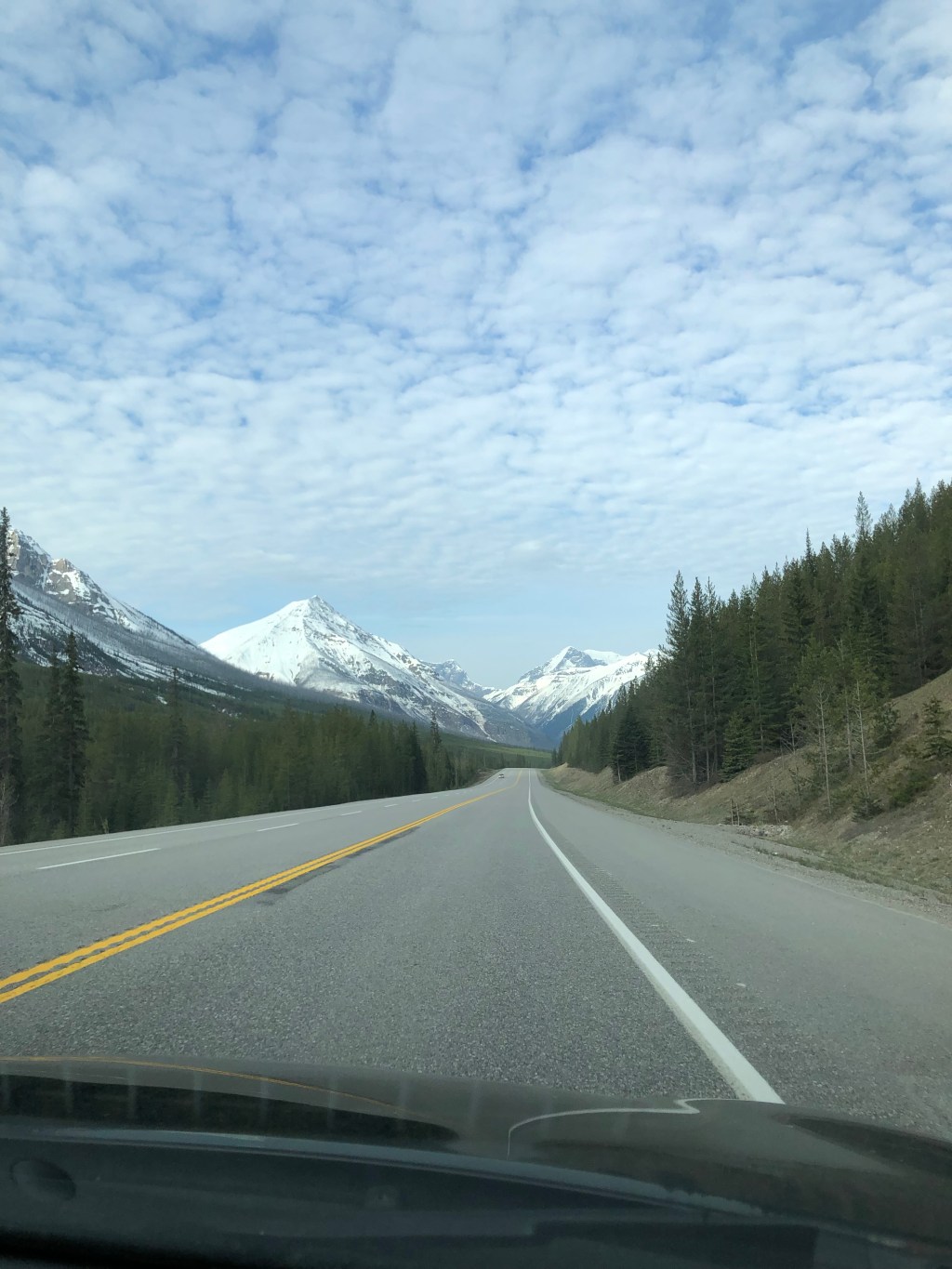
After leaving Banff our next destination was Waterton Lakes National Park in the extreme southwest of Alberta along the US border. Instead of driving east toward Calgary we decided to duck back into BC and follow highways 93 and 95 through Kootenay National Park. Backtracking into the interior Rockies through Vermilion Crossing, the highway brings you through the broad Kootenay River valley, walled in on both sides by snow capped mountains. The region is known for its high winds and hot temperatures in the summer so forest fire damage is abundantly evident on the mountainsides. Unlike Banff and Jasper, a lot of Kootenay’s trails and facilities were still closed. Had we been passing through a couple of weeks later we might have spent time in this park.
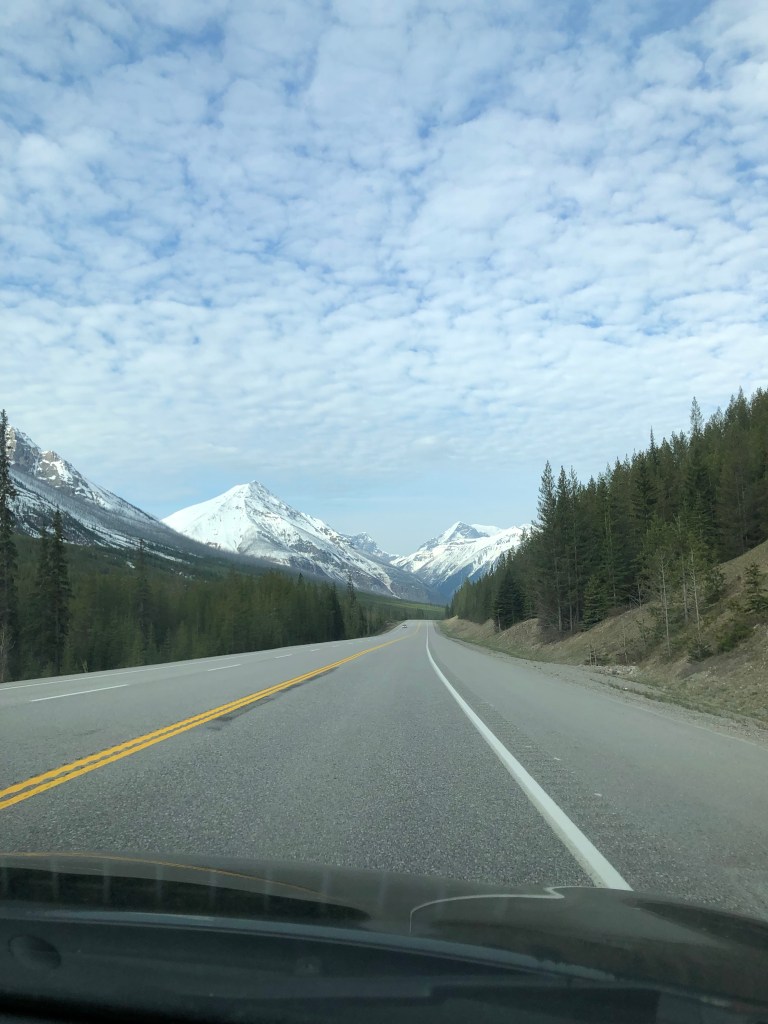
The drive through Fernie BC and the Crowsnest Pass was spectacular at which point you are deposited into the Alberta prairie landscape. We continued southeast through Pincher Creek and made the last dash through the rolling landscape toward Waterton. The approach to the park is dramatic for the way the mountains suddenly rise right out of the prairies, like someone placed them there.
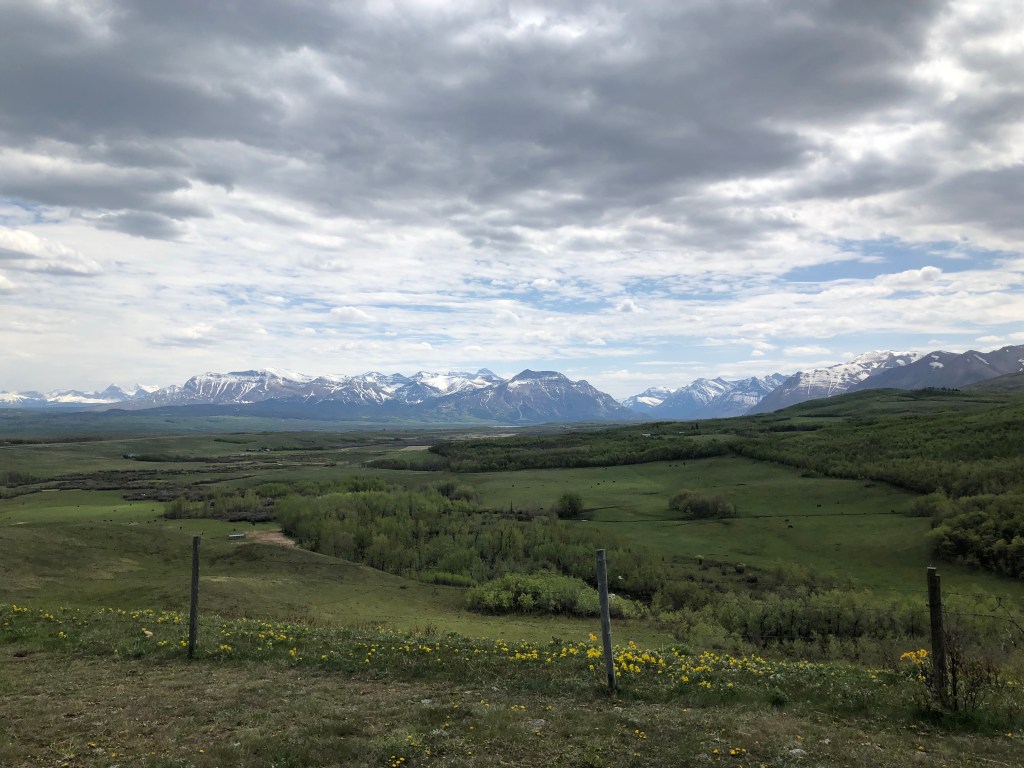
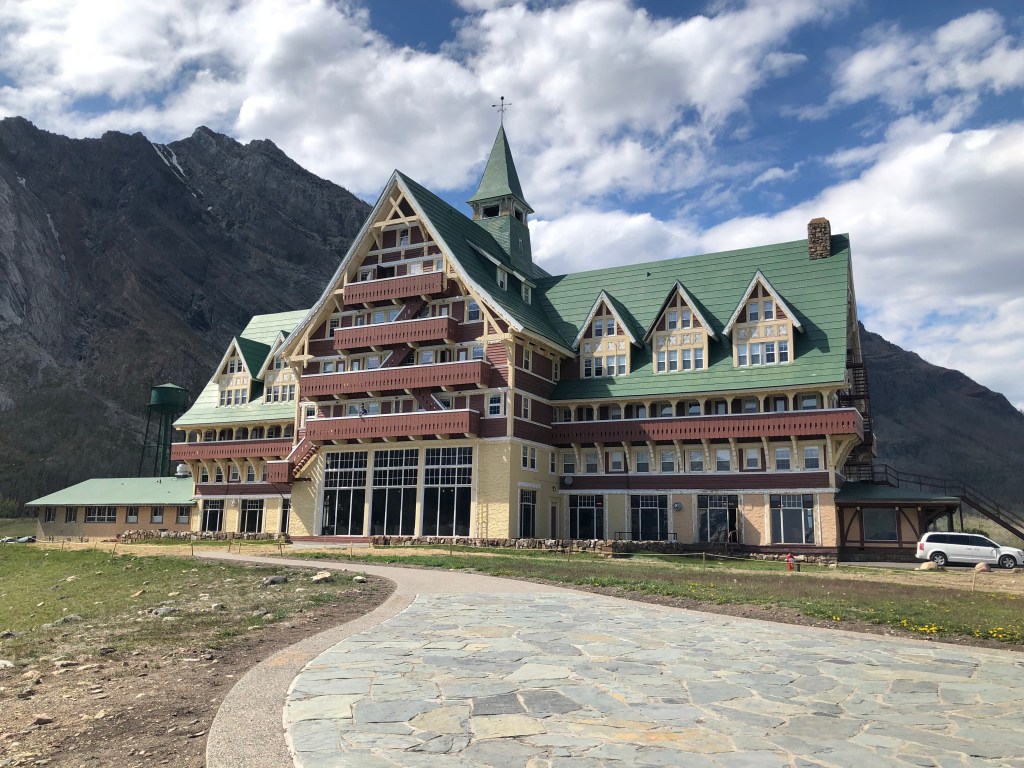
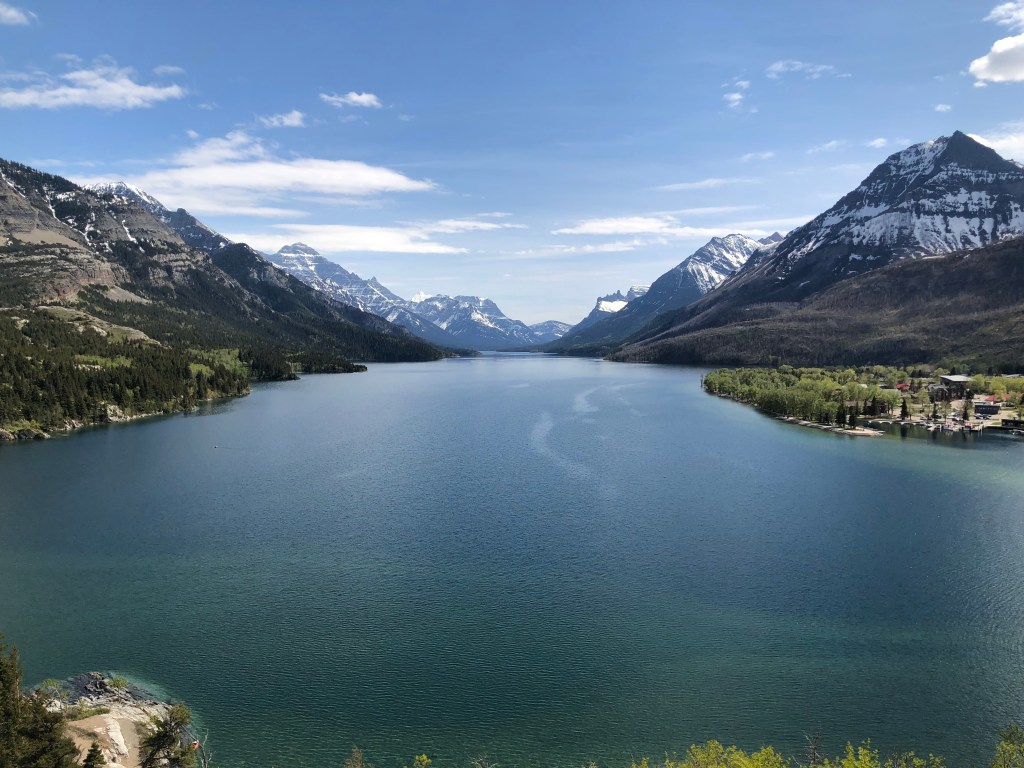
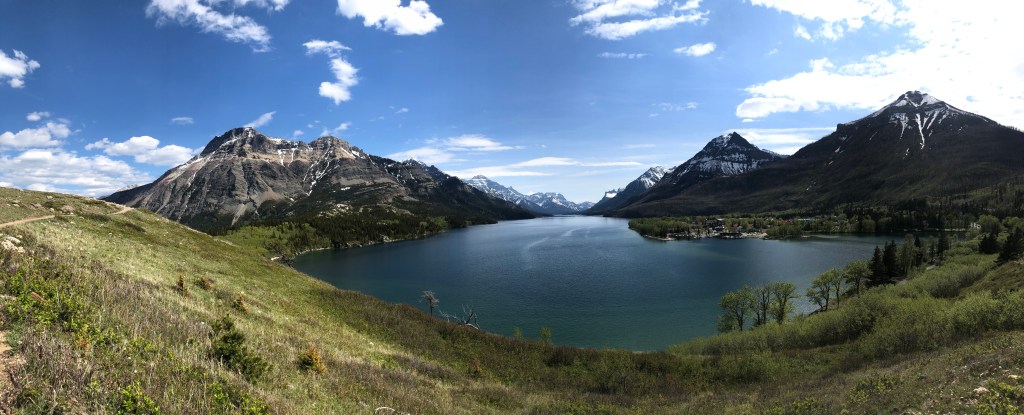
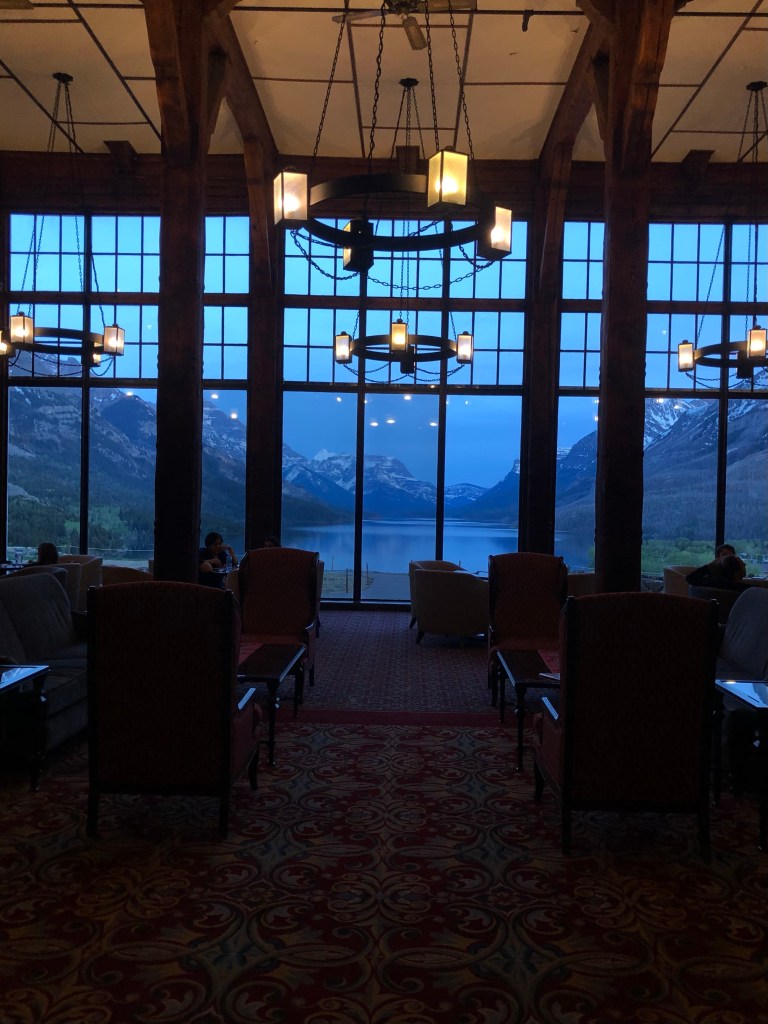
This small park of Waterton is considered another jewel in the Canadian parks system, with its placid green-blue lake nestled against an unreal landscape of Rocky Mountains. Like Banff and Jasper, this park also has a town in the middle of it but Waterton is extremely small compared with the other two. The park also has an historic CP hotel, the Prince of Wales, which is the oldest of the original Canadian railway hotels (the original Banff Springs from the 1880s was destroyed by fire and was rebuilt the year after the Prince of Wales opened).
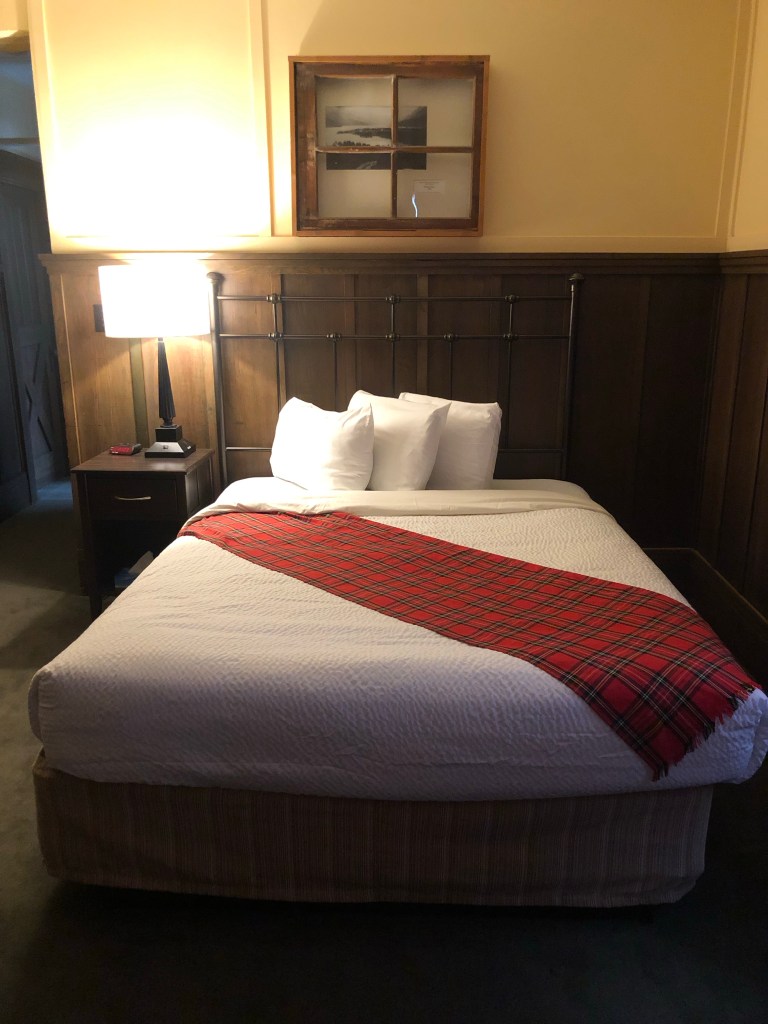
The park deserves a few days’ visit as there are a number of great hiking trails and backcountry camping areas. It’s also filled to the gills with wildlife so you can expect to see big horned sheep, elk and grizzly bears without venturing far. For those with time, you can also explore the vast Glacier National Park on the Montana side of the border. Sadly we only had one night here so we booked ourselves for a night of pampering and hot showers at the Prince of Wales.
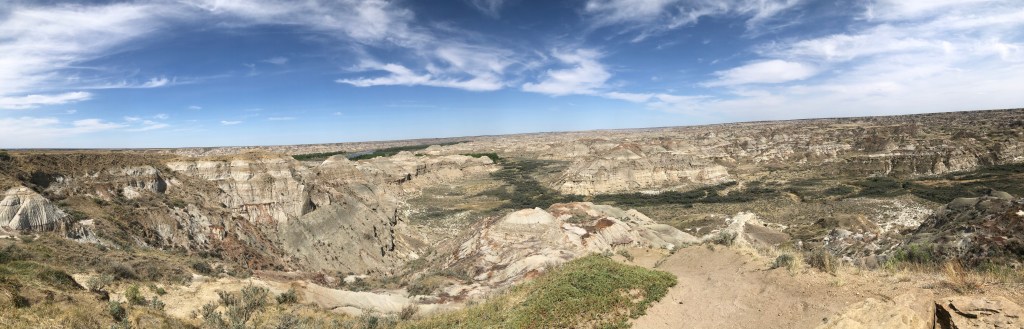
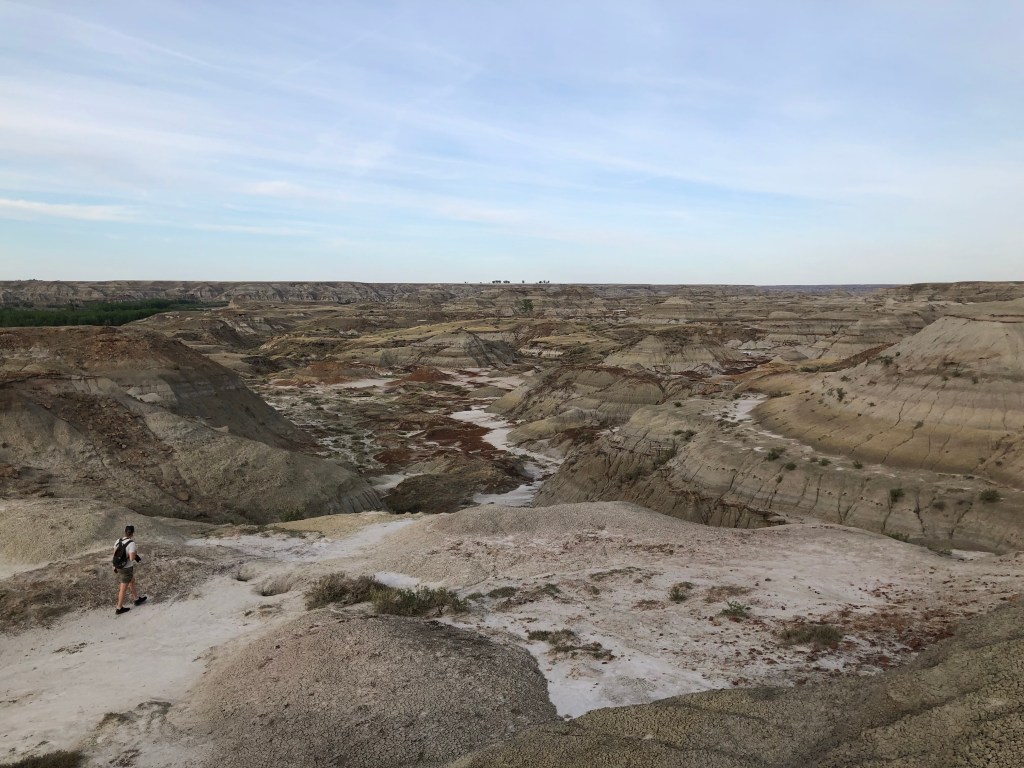
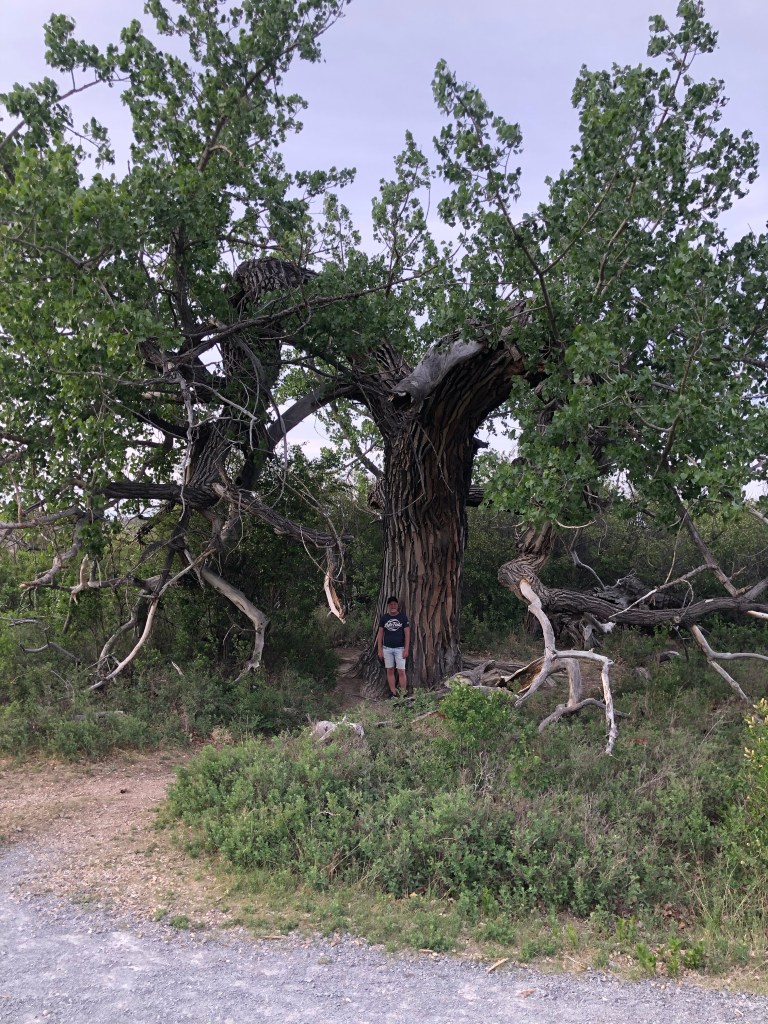
The following day we headed northeast leaving the Rockies behind for good. We stopped in Lethbridge for a quick service appointment on the car and then made our way to Dinosaur Provincial Park near Brooks, where we would camp in the Alberta badlands in a grove of Cottonwood trees. The drive to the park was typical prairie landscape until you suddenly reach the moonlike mounds and canyons of the badlands. Dinosaur Park has the largest collection of upper cretaceous dinosaur fossils in the world, netting it UNESCO world heritage status. We spent the evening exploring the hills around the campground.
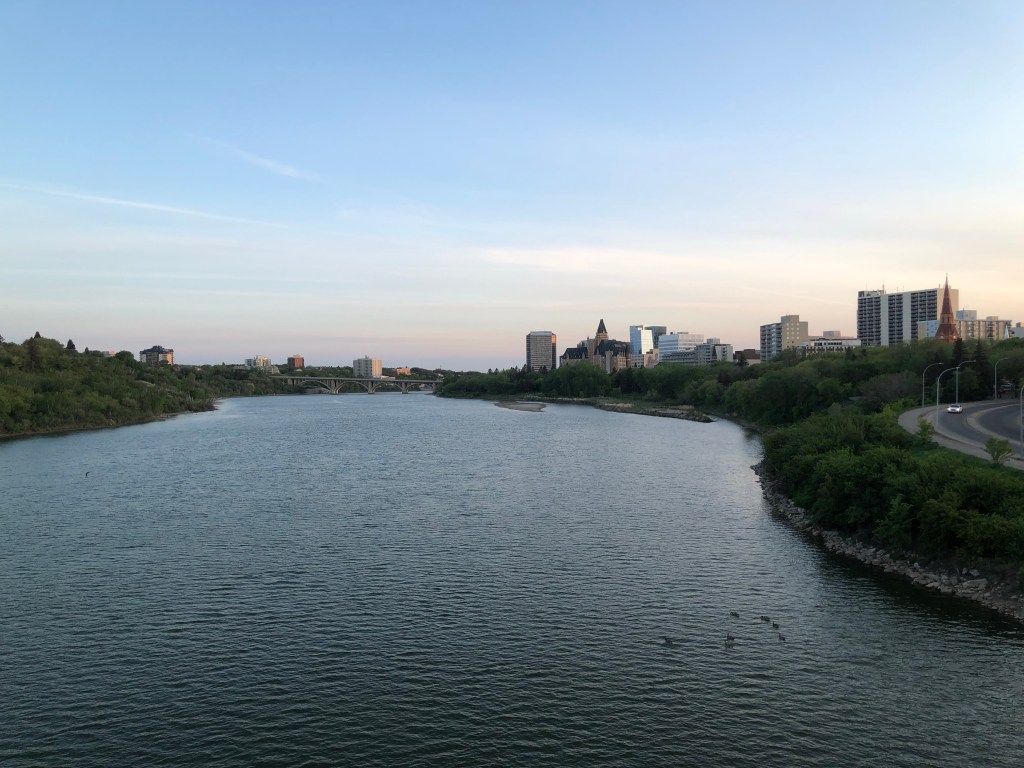
The next day we made our way to Saskatoon, a halfway point of sorts on our way to Manitoba to visit family. Saskatchewan does not get nearly enough notice by travellers who tend to blast through Hwy 1 to the next province. I’ve never been a big fan of Regina, but Saskatoon has a northern prairie charm and some great sites to explore. We checked in at the Bessborough hotel, another historic railway hotel, overlooking the North Saskatchewan river and quickly made our way to the Remai Modern museum. The building’s architecture is notable and the collection of modern works, including the largest collection of lithographs by Picasso, is excellent. We spent a couple of hours exploring the exhibits but could have spent the entire afternoon if time and our famished stomachs permitted.
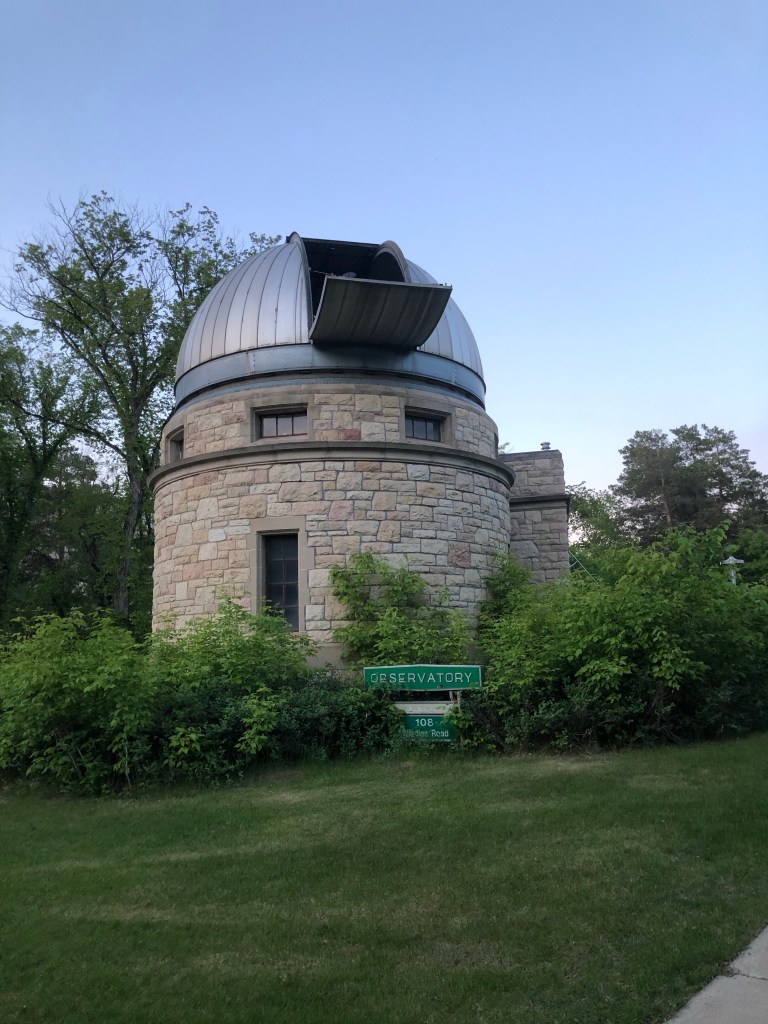
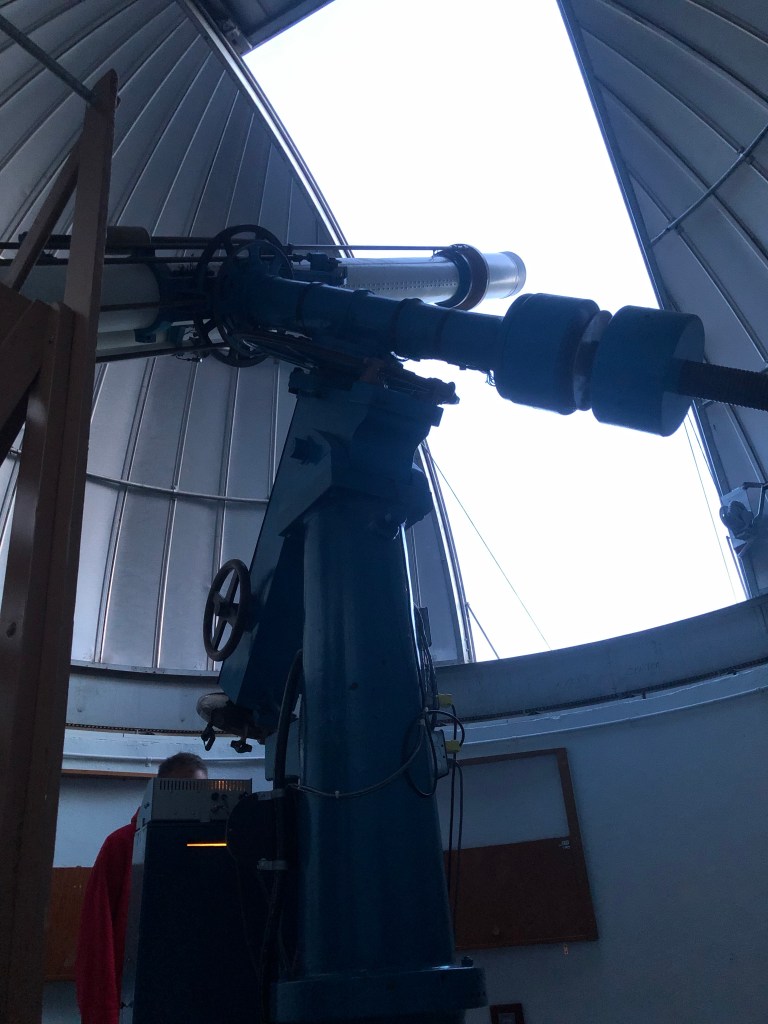
We had a great meal of tacos and beer at Shelter Brewery and then walked across the bridge to the University of Saskatchewan, where the century-old observatory was having an open house for the evening. What better way to spend a Saturday evening? The students gave a quick tour and we were invited to gaze at the moon through the antique telescope. The students actually have access to the university’s modern telescopes for serious stargazing but this one did the trick for the slackjawed tourists.
 sedativegunk