We departed Fossil Falls as the morning’s first light was breaking over the eastern mountains. We had a long day ahead of us as we decided to squeeze in a visit to Sequoia National Park on our way to Yosemite. Both of these parks are gems in the US parks system so to skip one of them seemed like a disappointing prospect. Sequoia is best known for its majestic trees of the same name that are among the oldest and largest in the world. These behemoths measure in at over 6 metres in diameter and are over 2000 years old.
We entered Sequoia at Three Rivers and drove the Generals Highway, a switchbacked cow path of a paved road that climbed the western face of the Sierra Nevada range. Having limited time and attempting to avoid the heaviest crowds we gave the rockstar General Sherman tree a miss and instead browsed the Big Trees Trail. With its open meadow in the centre one can get good perspective on how huge these trees really are. The big space also meant the crowd was dispersed over a larger area and you didn’t have to scramble to take photos through a sea of golf hats. The biggest challenge with photographing them is the sheer size makes them nearly impossible to frame. I ended up having to take freehand vertical panoramic shots so excuse the wobbly look of the pics below.
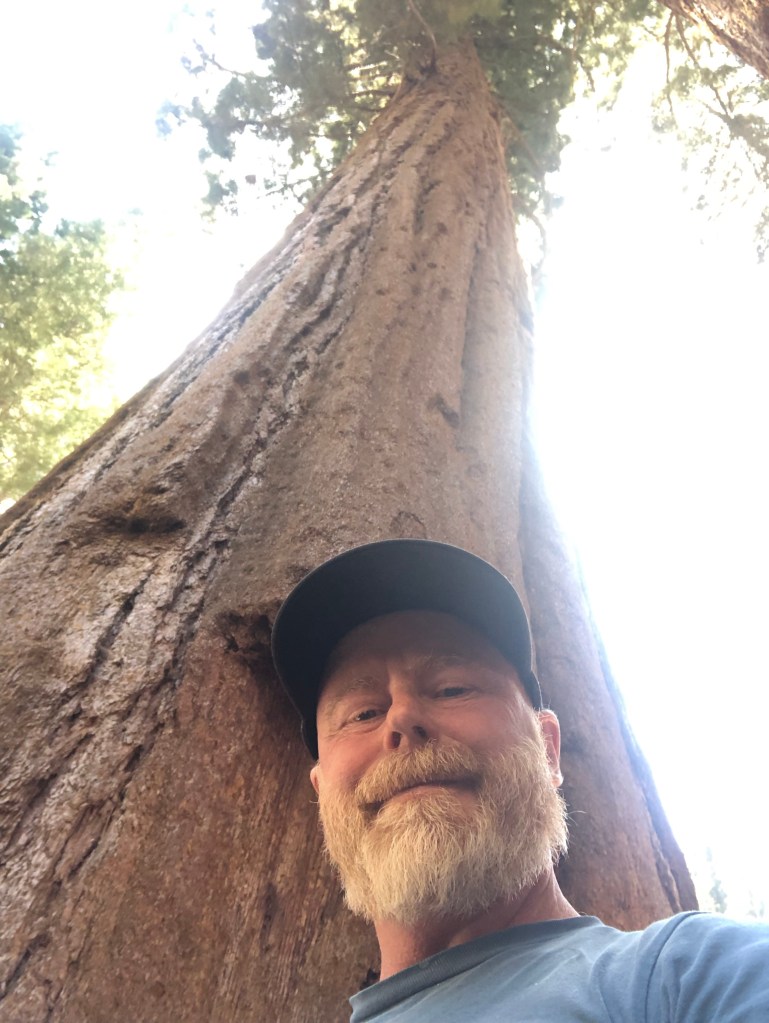
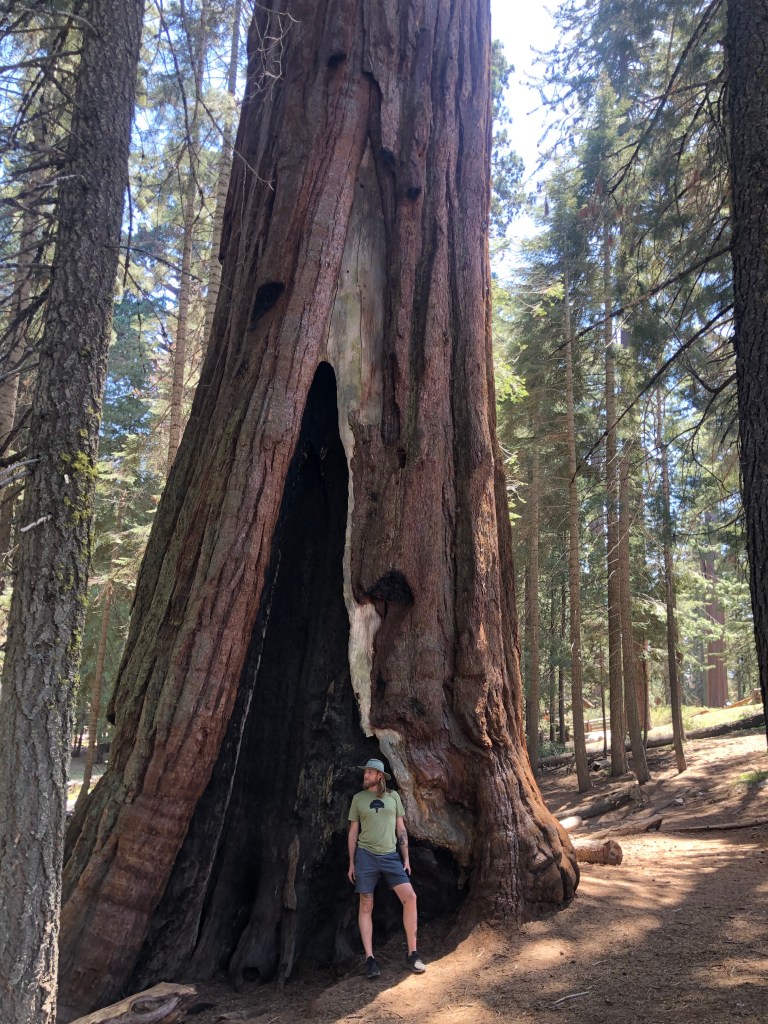
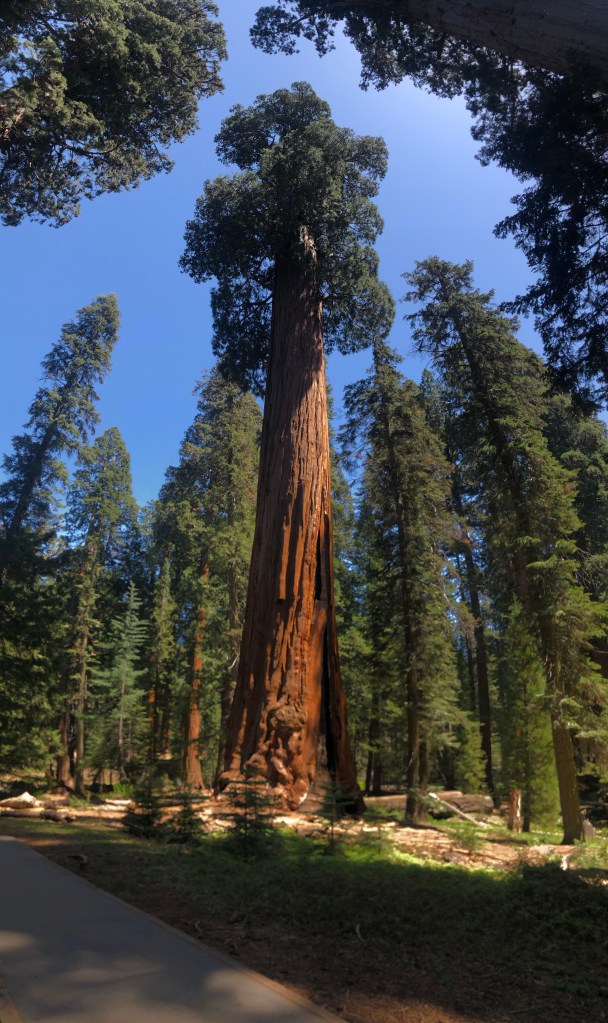
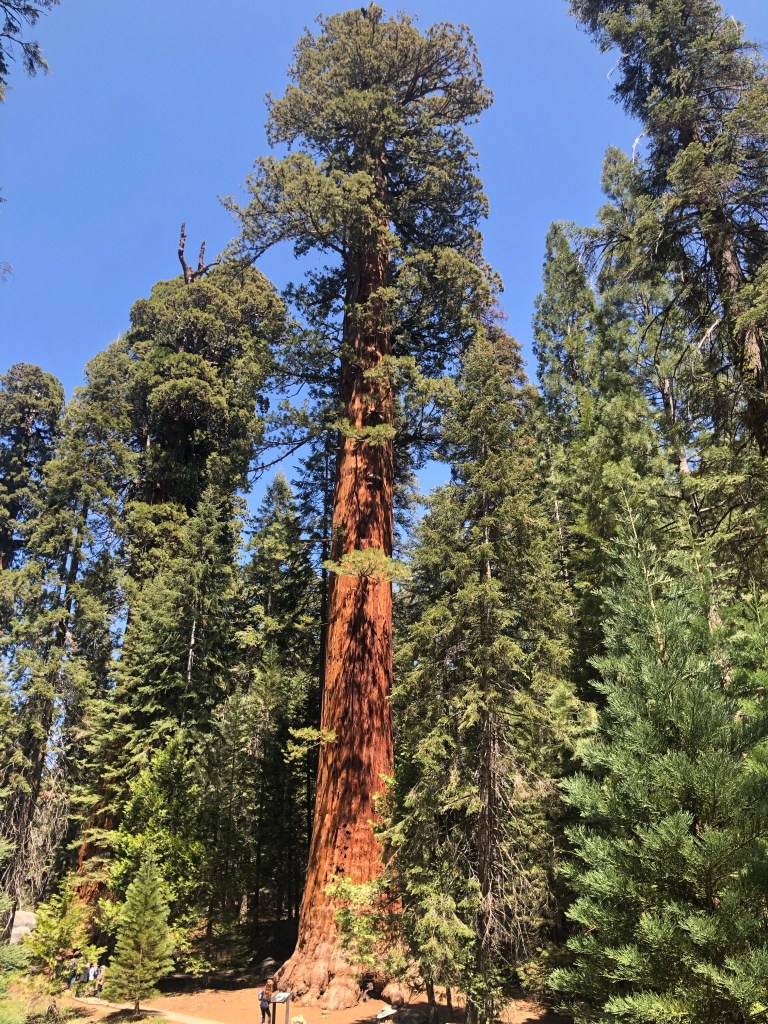
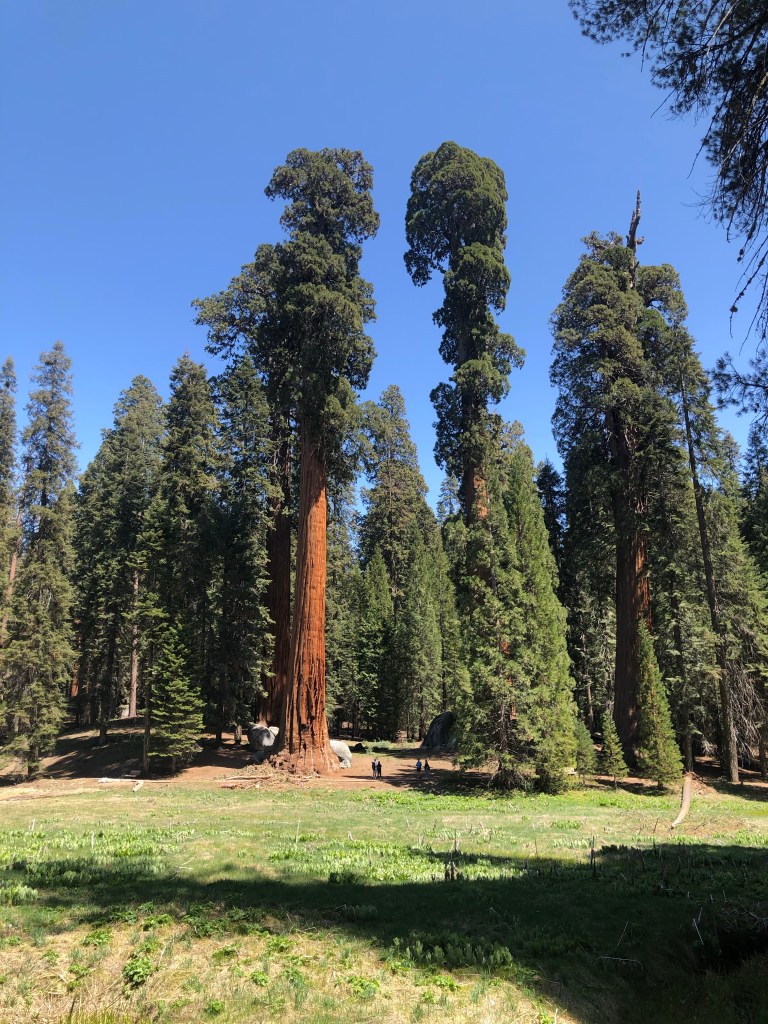
As we drove through the park one could see the devastating results of last year’s mega fire that destroyed swaths of forest through the park. Charred remnants of tree trunks were all that remained on some mountain faces. Deciduous trees that weren’t in the immediate area of the incineration died of the intense heat. I overheard one guide explain to a group of tourists that 20 per cent of the old growth trees in the park were killed in 2 years of fires. While Sequoias need regular fires to reproduce, the mega fires of recent years burn hotter than what the insulating bark of these giants can handle. The guide also explained that when he started guiding 7 years ago his answer to the question, “what causes Sequoias to die?” was “gravity”. Essentially the trees died only when they got too tired to stand or the lost their footing in eroding soil. Twenty years of drought and the onset of megafires have changed the story completely.
The remainder of our day was navigating the foothills of the Sierra Nevadas travelling from Sequoia to our campground near Buck Meadows on route 120 west of Yosemite Valley. We passed sprawling fruit orchards and cattle ranches on roads festooned with wild flowers and beds of roses and eventually began our ascent into higher country. After a gruelling hour or so of switchbacks and dimming daylight we arrived at our campsite on a hillside overlooking a waterfall.
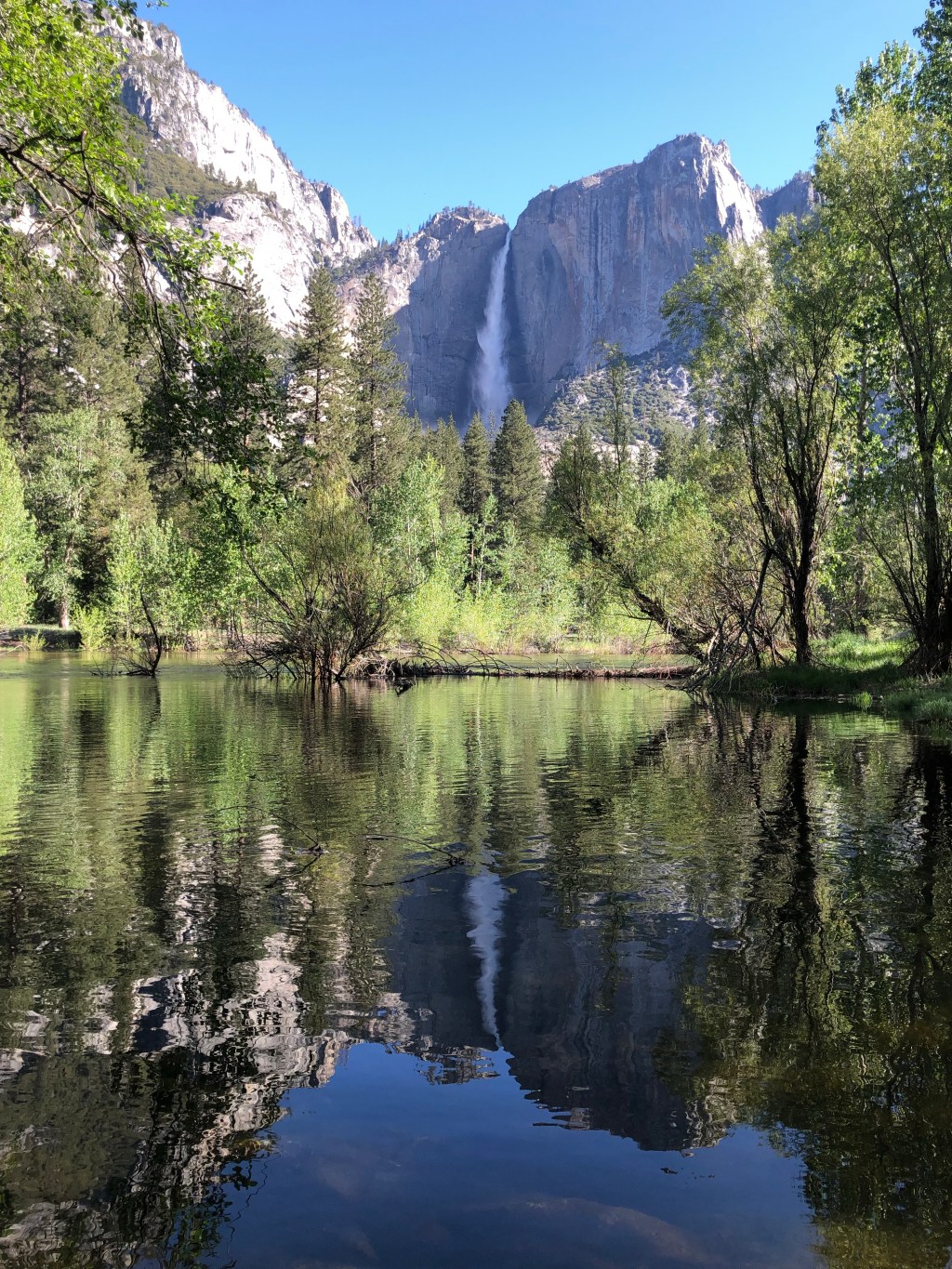
The next morning we made our way to Yosemite Valley, the focal point of the park. This early in the season the crowds were pretty light when we arrived but by the time we were leaving the valley was a pretty steady stream of traffic going in. We only had one full day in the park which was grossly inadequate and in hindsight we might have done better skipping the touristy valley and focusing on a full day wilderness hike.
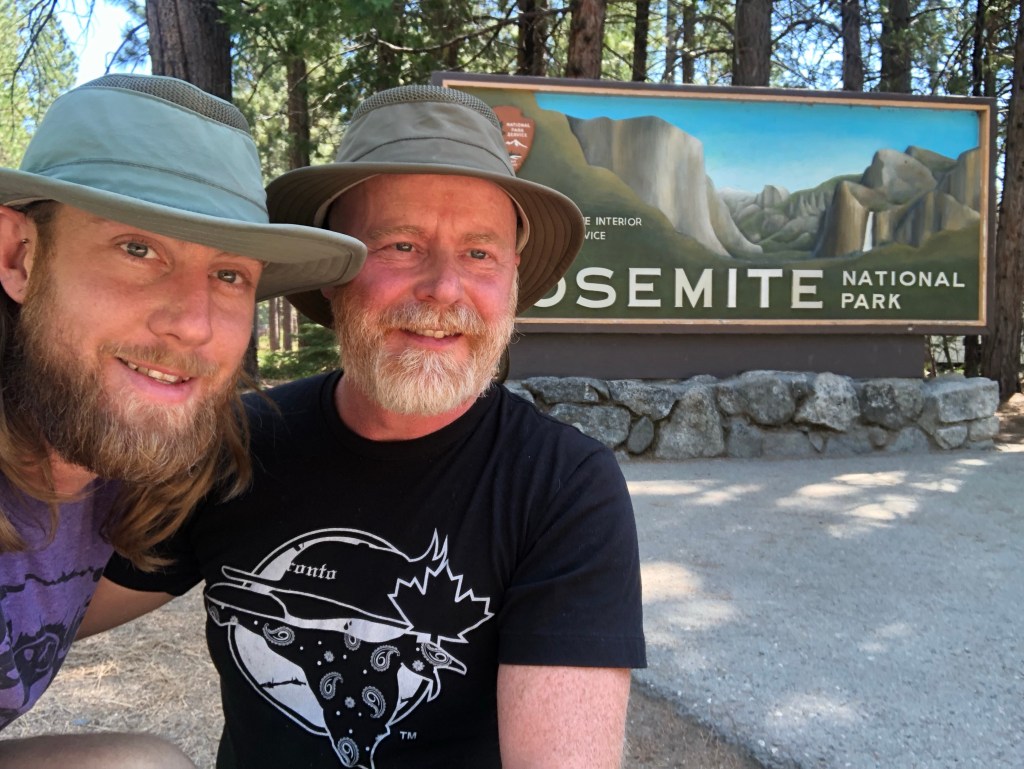
A word about Yosemite. This park was an inspiration for the preservation movement in the United States. John Muir, a Scottish immigrant who spent years exploring the US West and Yosemite in particular, was instrumental in setting up the Sierra Club and the national parks system. Today the park continues to inspire hikers, rock climbers and flat footed tourists to experience the wilderness.

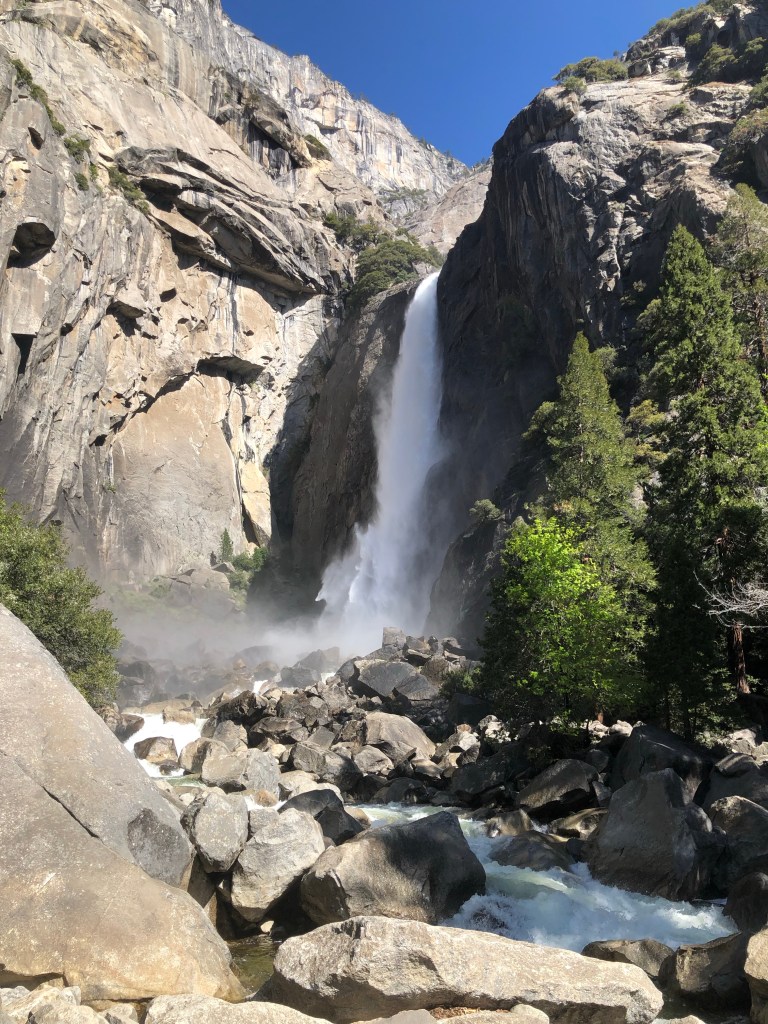
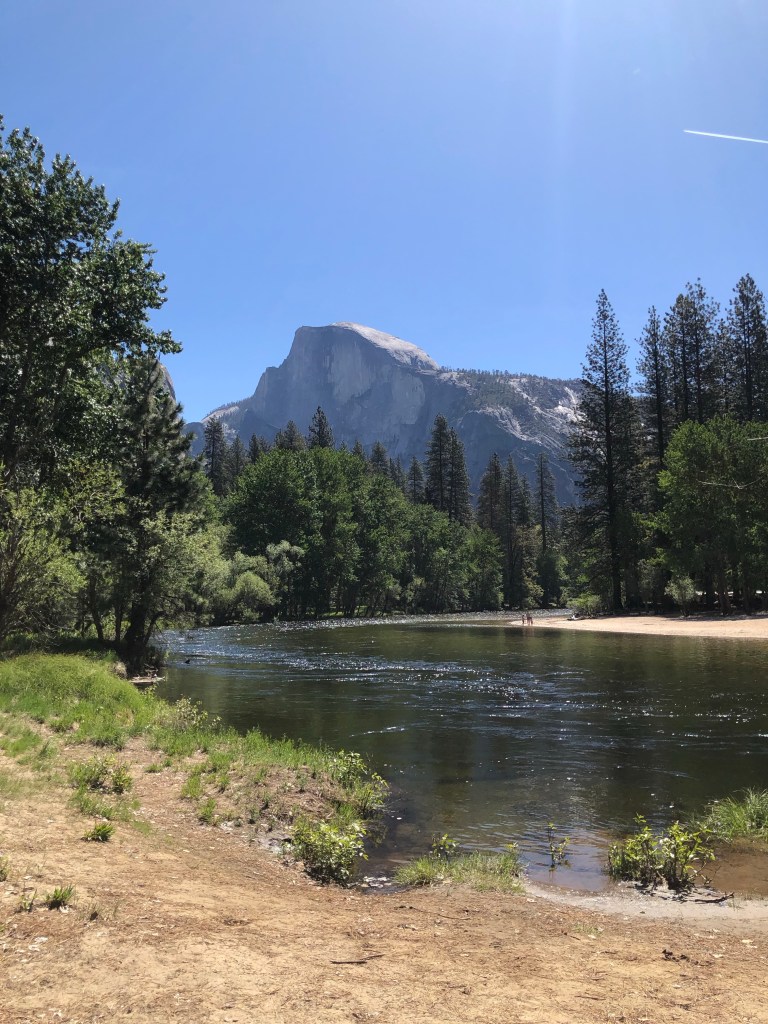
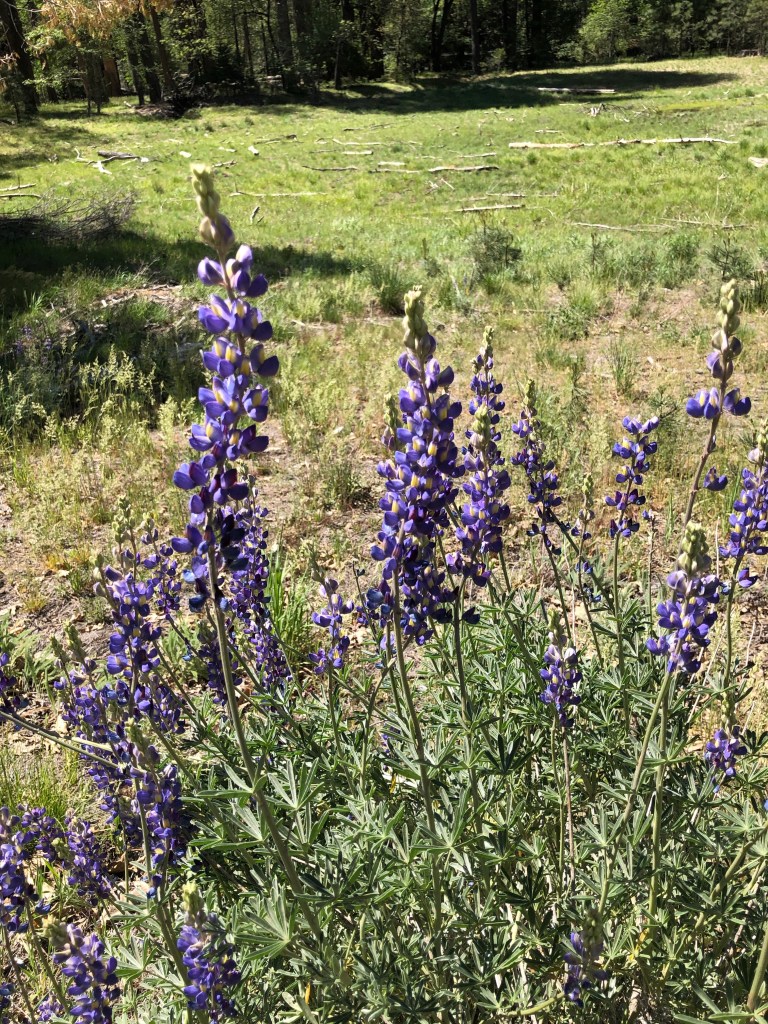
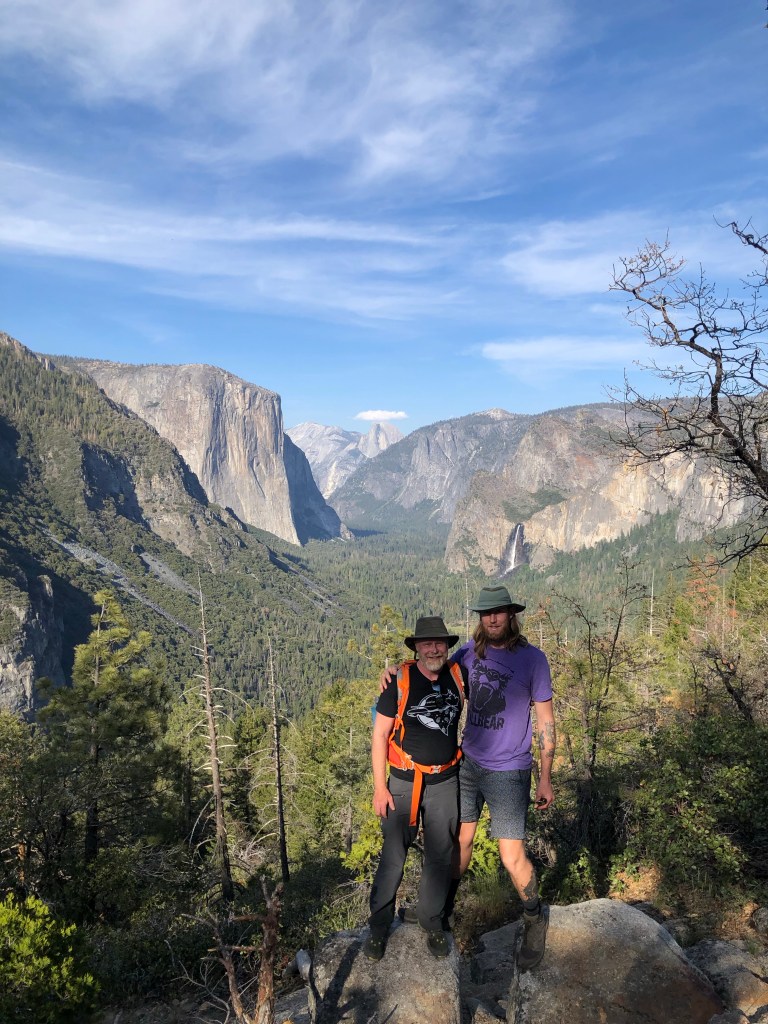
After a good stenuous hike we retired for dinner at the Lucky Buck Cafe in Buck Meadows (pop. 50) for a burger and a beer. The next day we would be heading to Northern California.
 sedativegunk