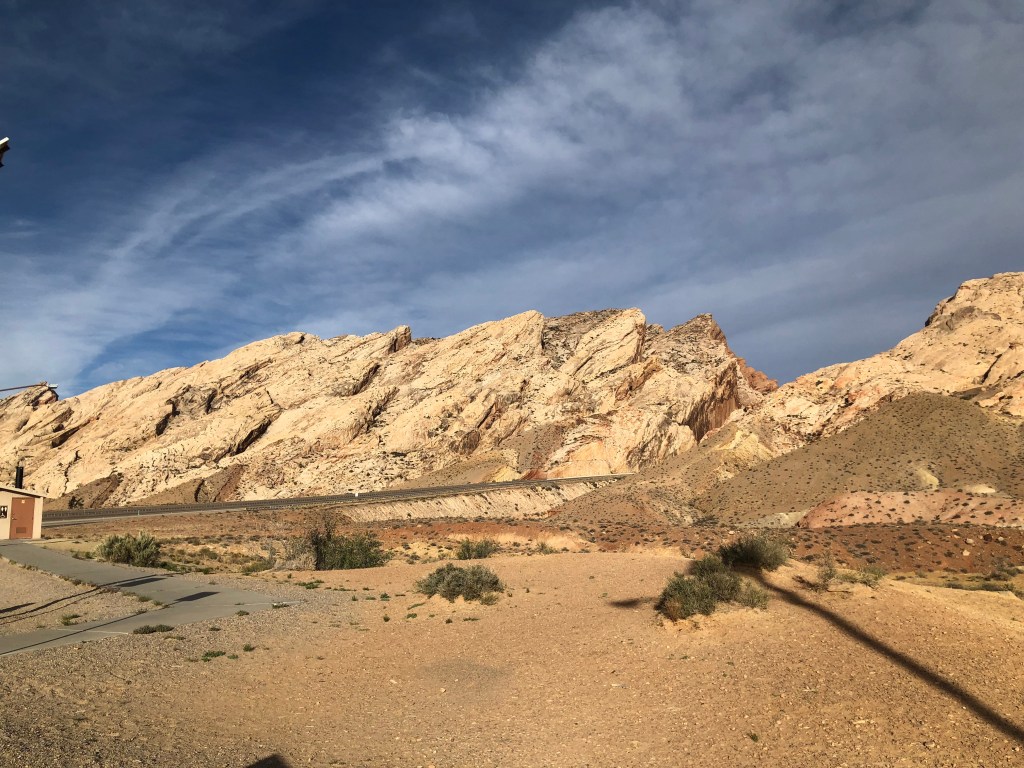
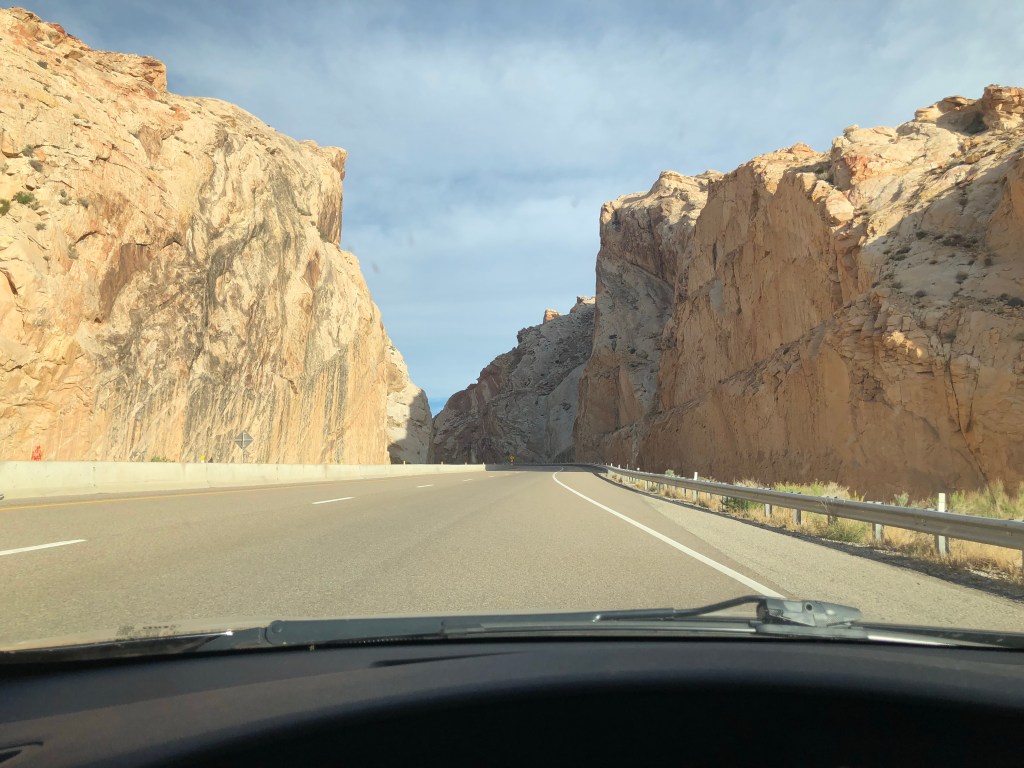
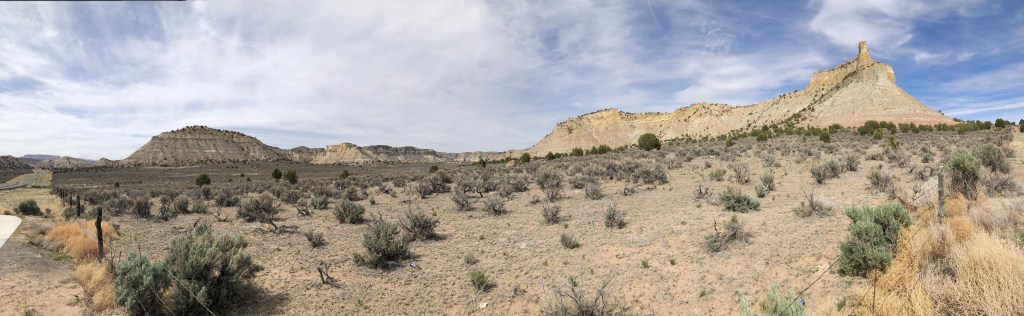
We left Moab in eastern Utah and headed southwest toward Bryce. The route there took us back to yet another mesmerizing view on I-70 called San Rafael Swell. The land formation was caused by a section of the earth’s crust that was heaved up to create an angular reef of rock. The engineers who constructed the original highway through here had to blast and clear a pass through the reef. The views through the pass and of the surrounding rock formations are spellbinding.
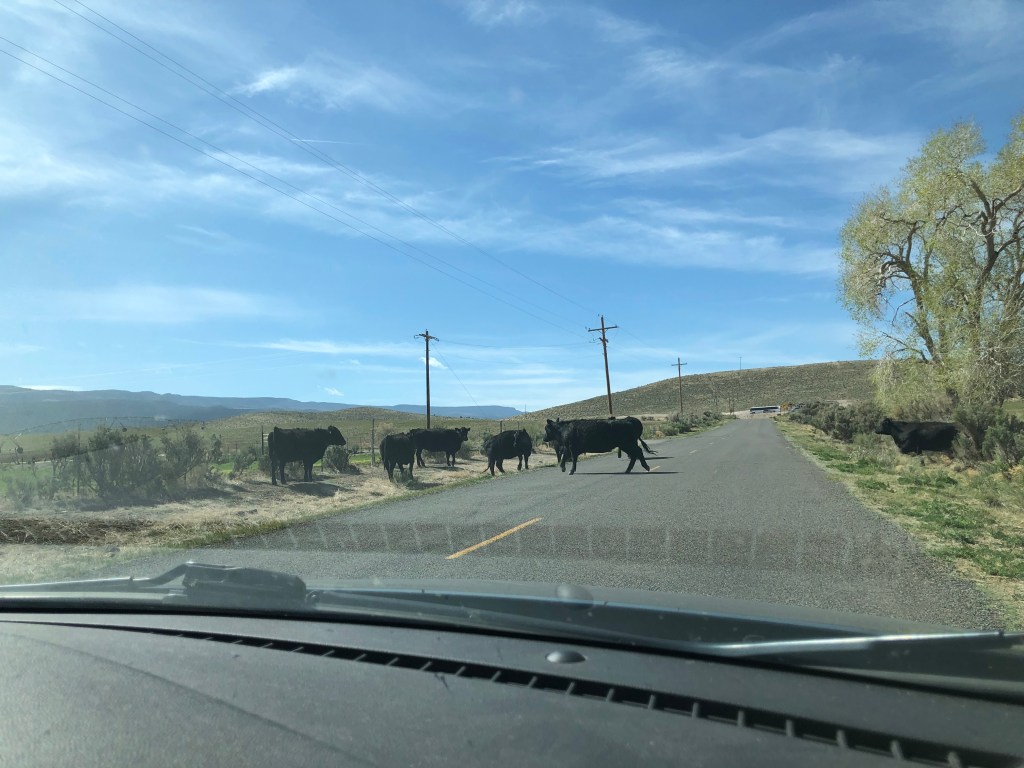
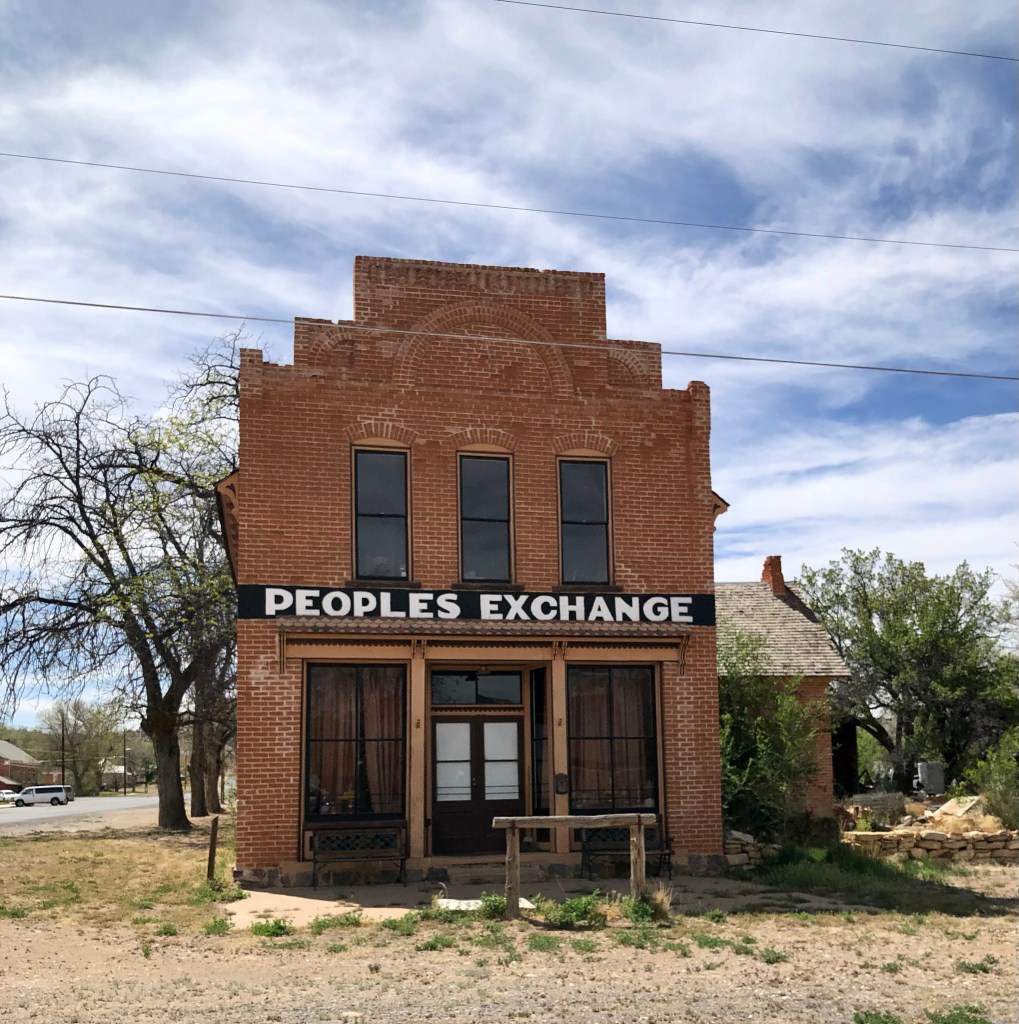
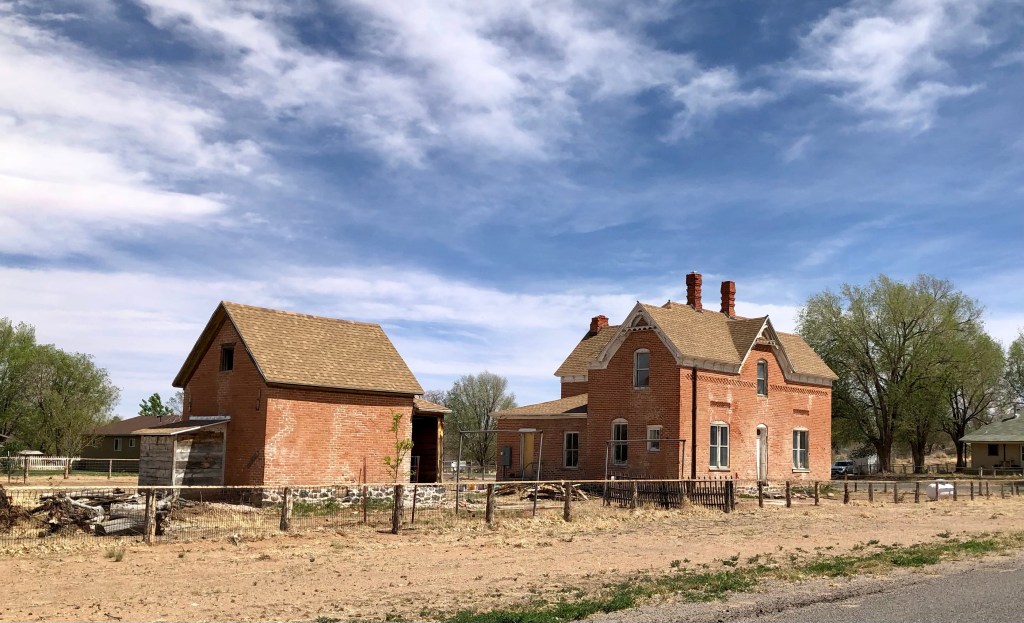
The rest of our drive was on a series of secondary roads (72, 24 and 62) meandering through ranch country in central Utah, mesas mixed with valleys of pasture land and long miles of empty road. Towns were rare to come by and when they did the population was sparse and closely huddled around the local Mormon church (and no other churches by the way).
We arrived to our campsite south of the hamlet of Cannonville with warnings from the campground owner Roy of an impending windstorm. Our small tent can withstand wind ok but it’s not impervious to sand of which the entire property was covered (it was basically a landscaped sand dune). He gave us some advice on how to get through the storm and then headed out of town on personal matters for the rest of the week entrusting us with his property (whose only other campers appear to have buggered off that afternoon for safer spaces). We spent the rest of the afternoon and evening exploring hwy 12 up to the old Mormon town of Escalante, as well as the sites in nearby Grand Staircase-Escalante National Monument and Bryce Canyon National Park.
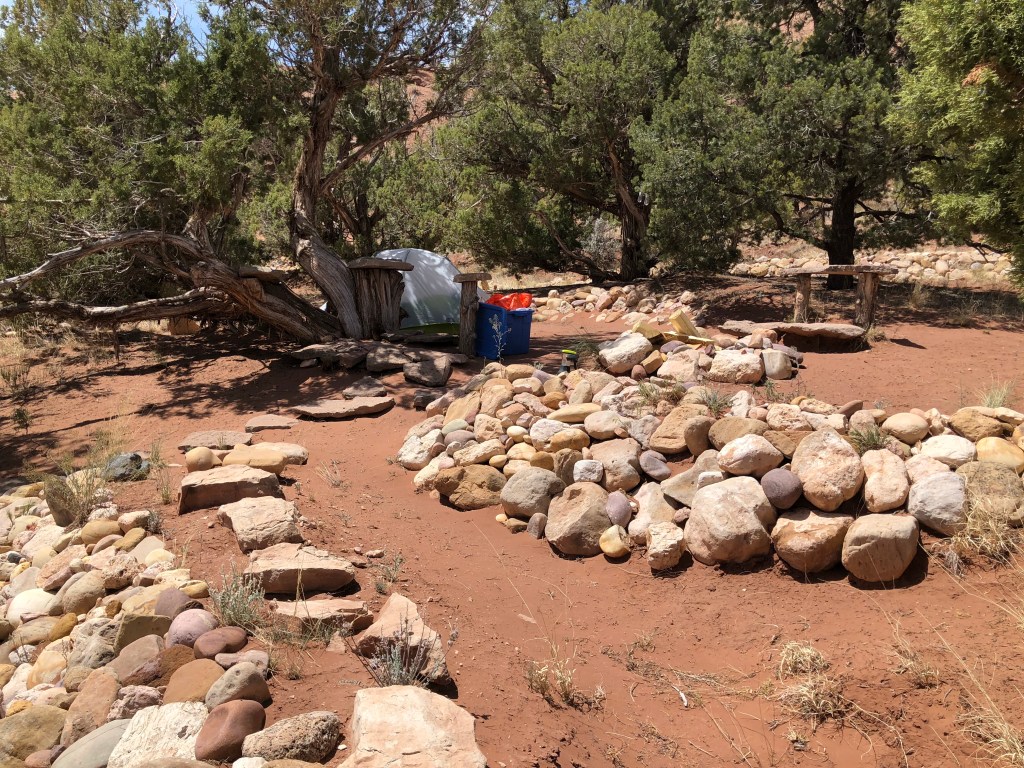
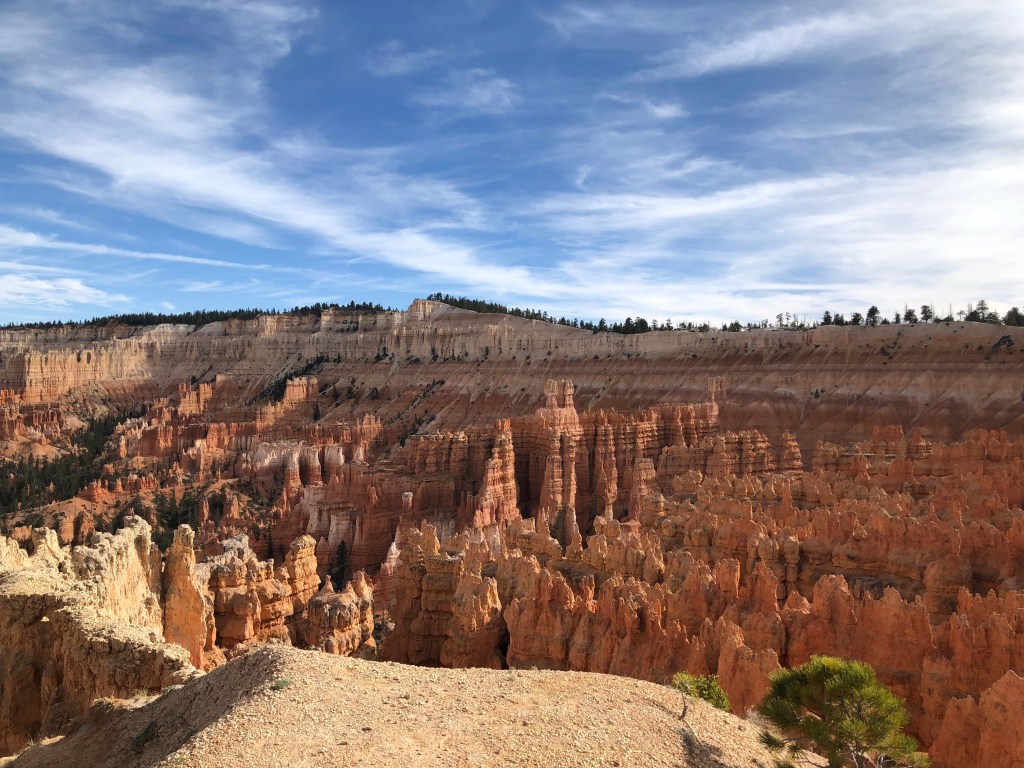
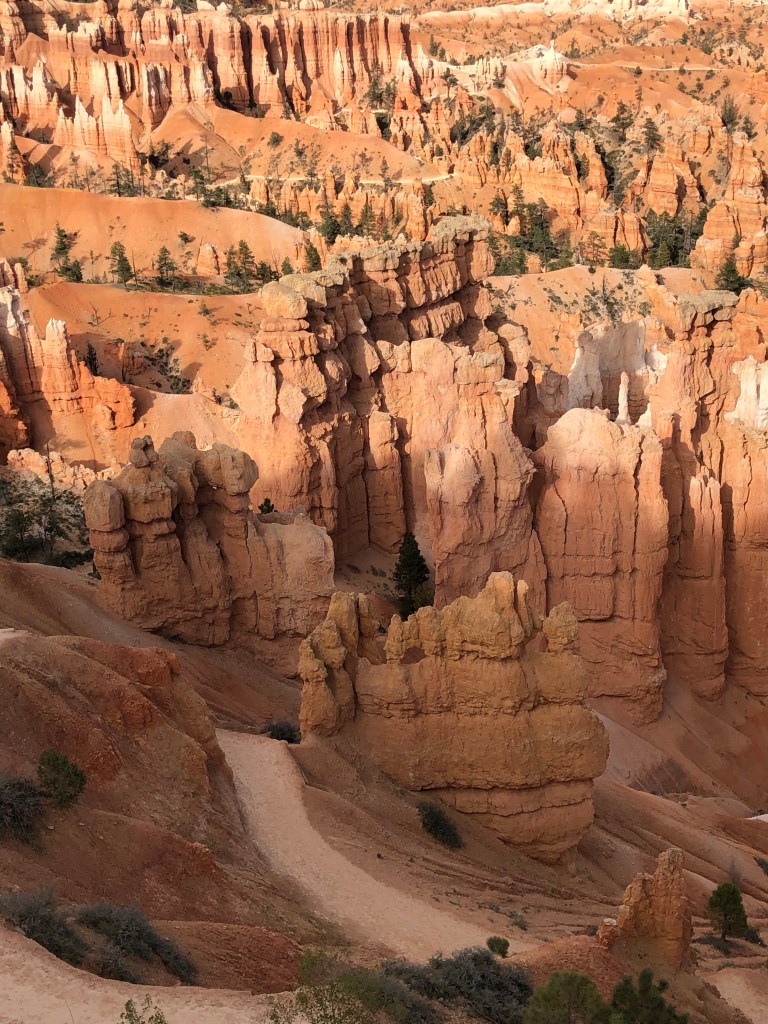

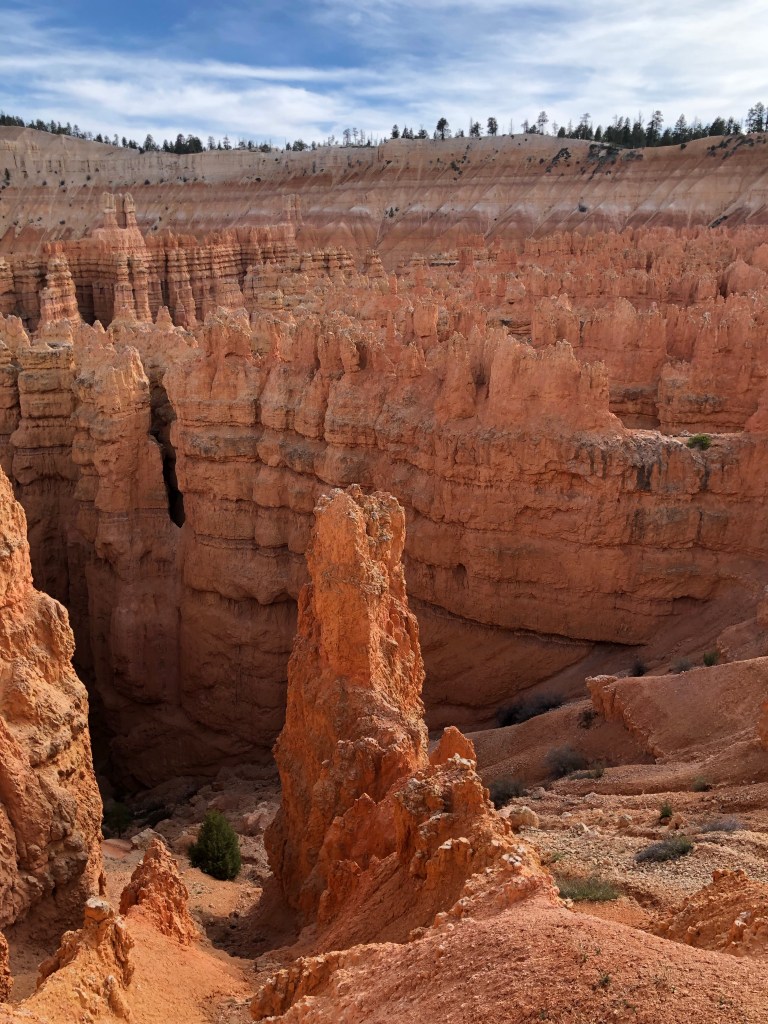
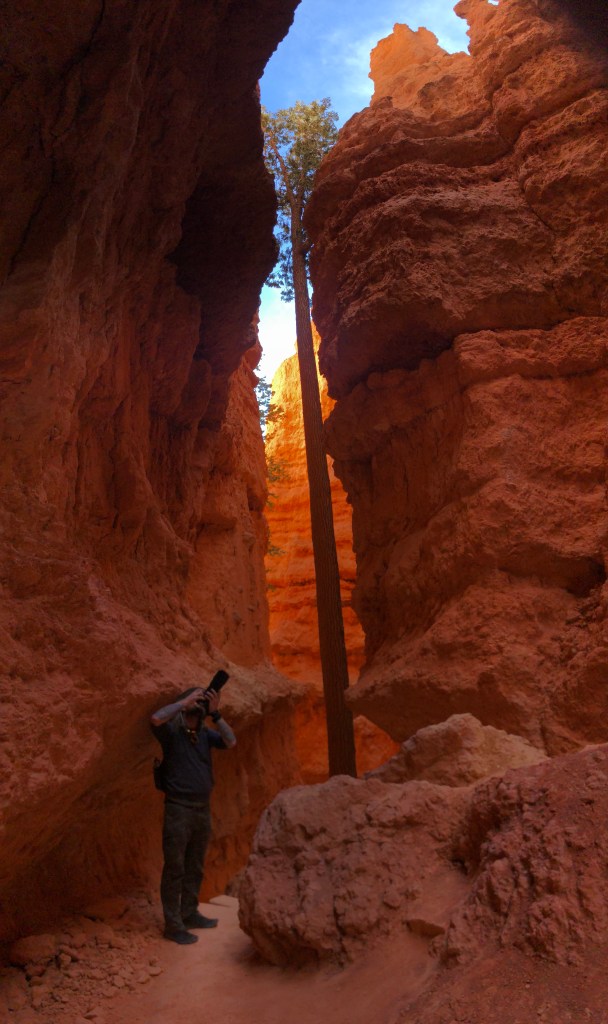
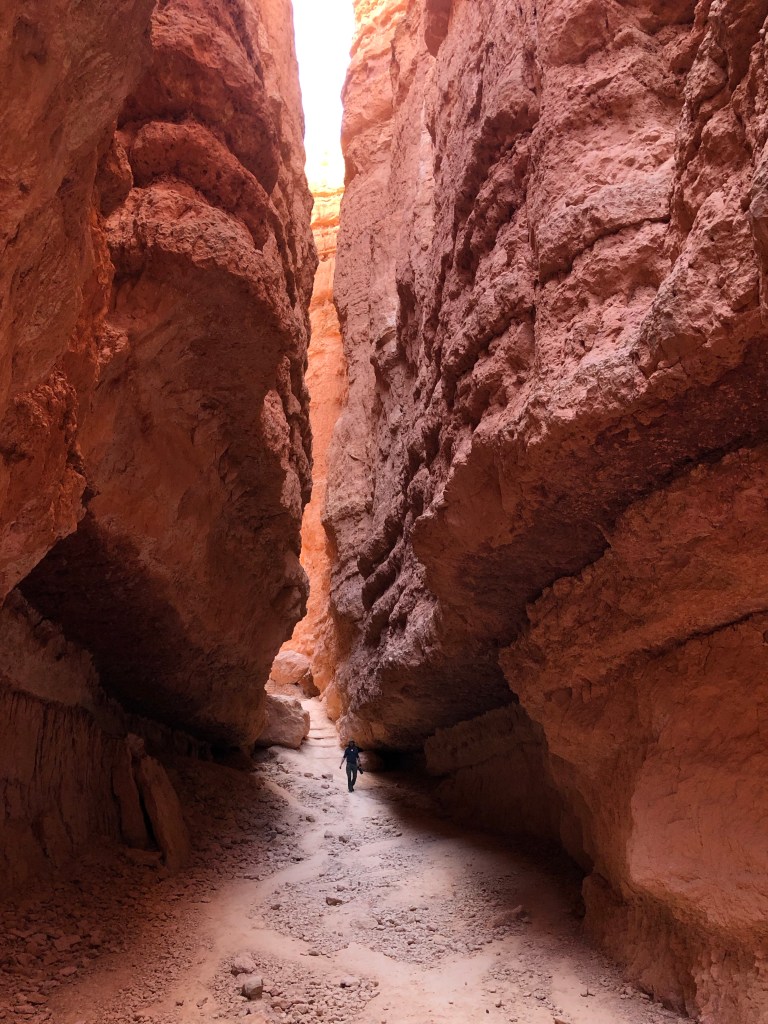
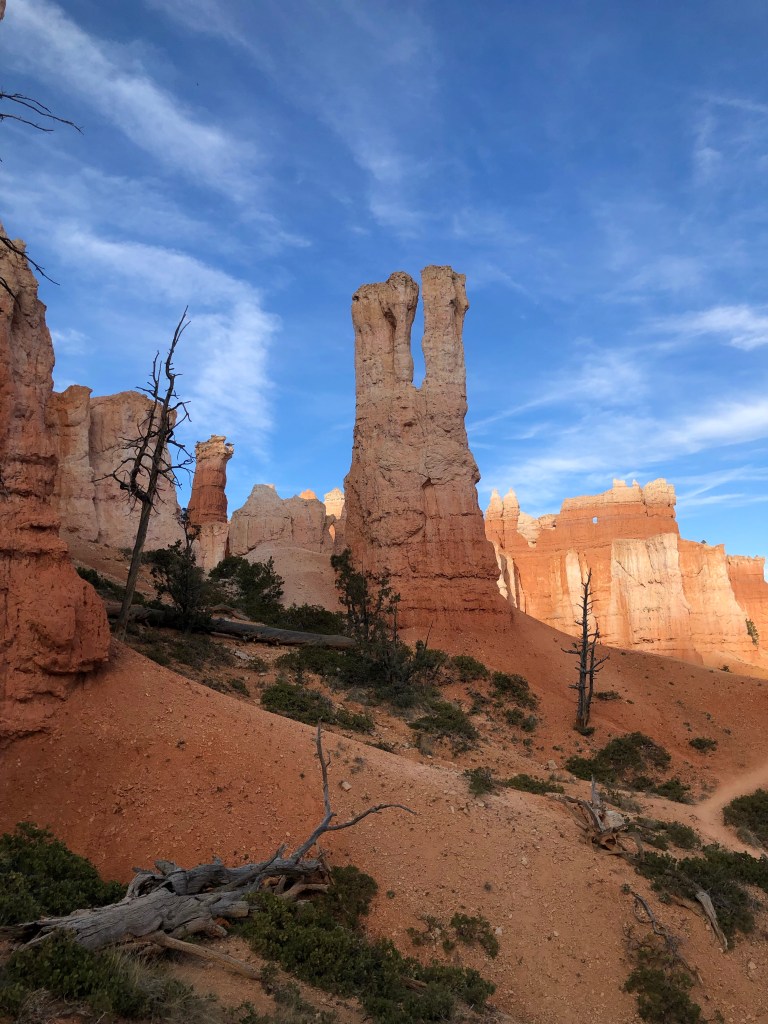
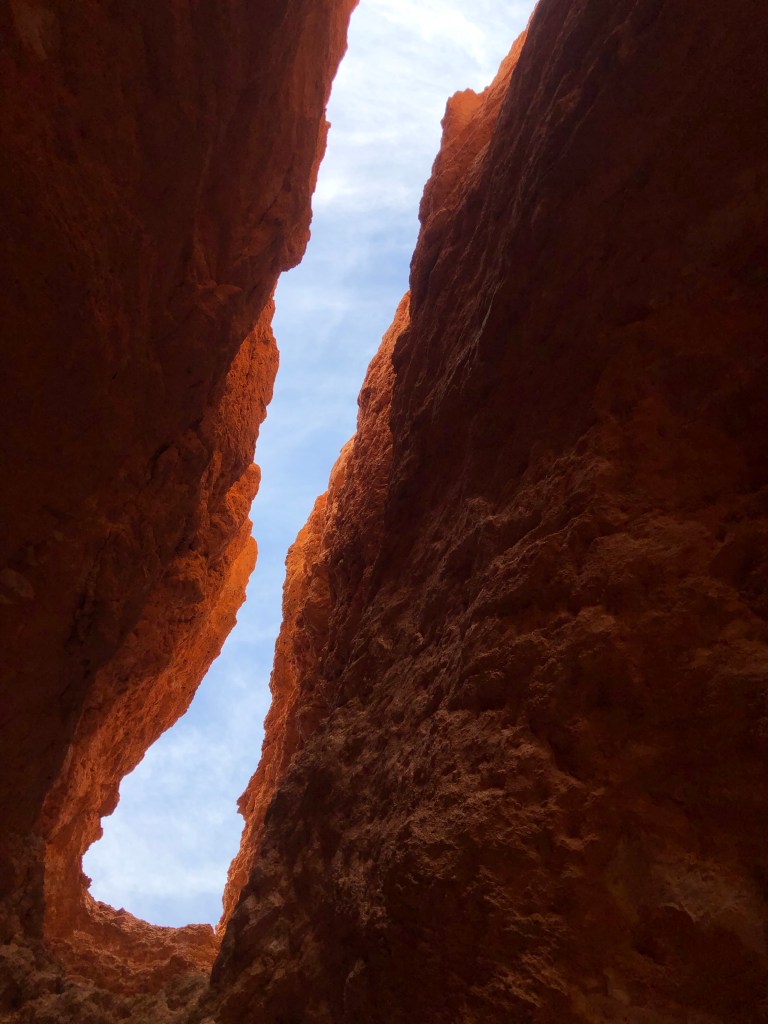
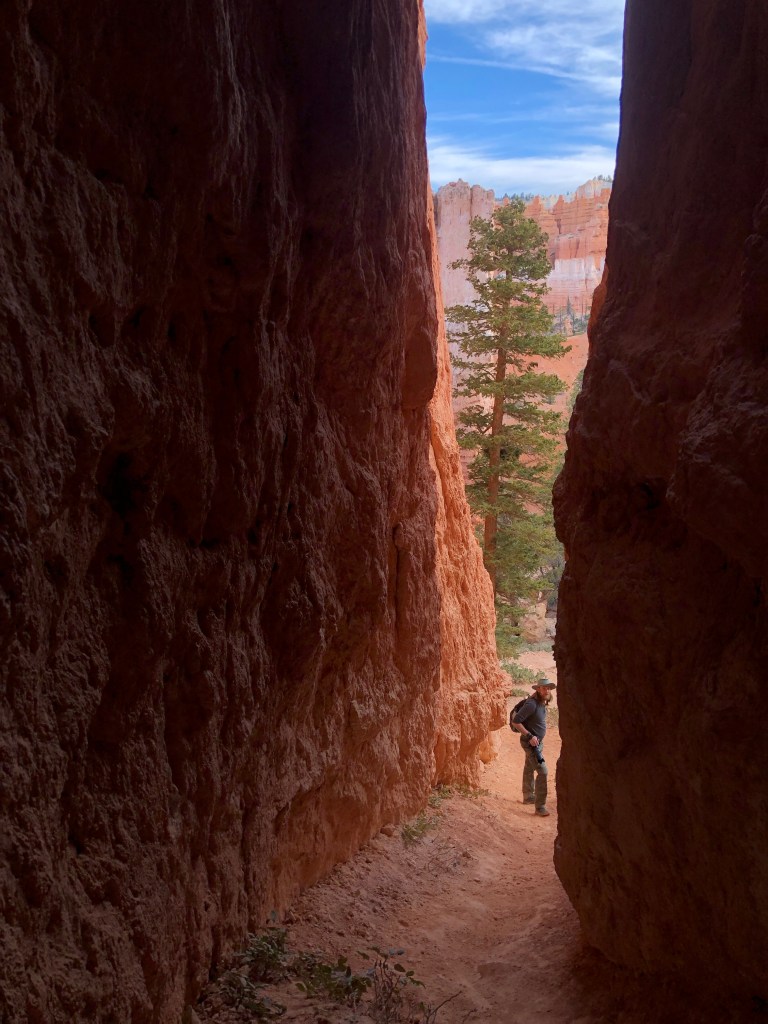
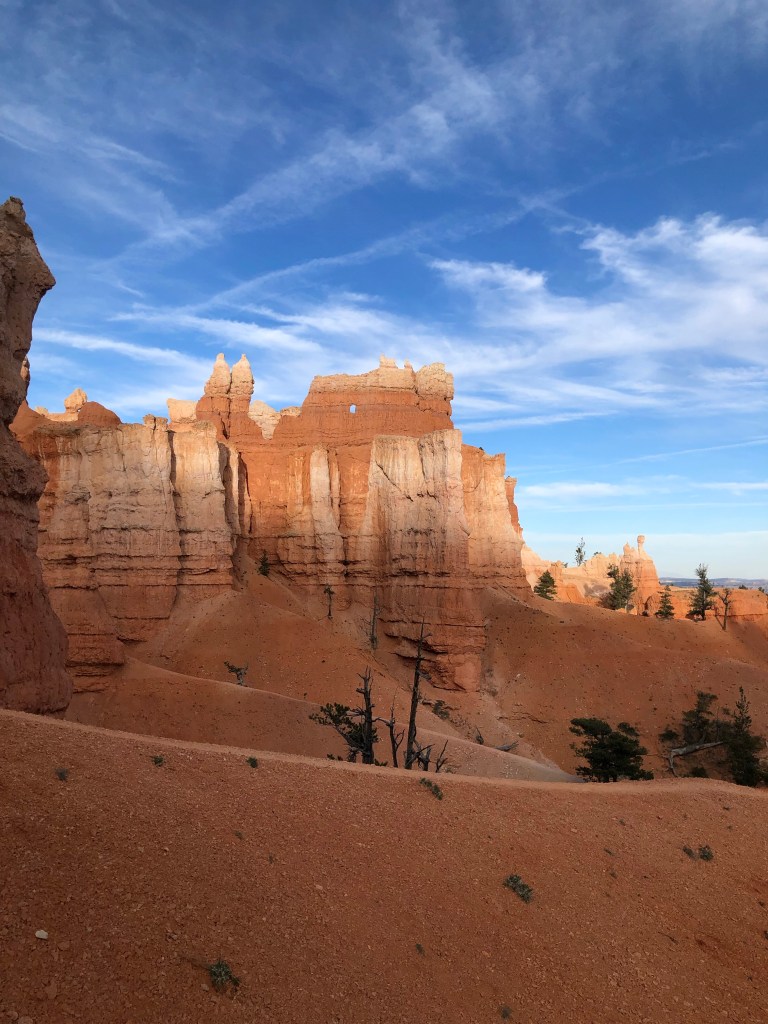

The high altitude of the area (around 8000 ft) meant a chilly night as the temperature dipped to just above freezing. We travel poshly when we car camp so our duvets, down pillows and sleeping bags kept us plenty warm (we also travel with solar powered fairy lights at the insistence of my partner so we can decorate our space and have ambient lighting at night to avoid tripping over the tent pegs on nocturnal hunts for place to pee). Best of all the wind didn’t hit us that night and we woke before dawn to perfect stillness and silence. For the first time I understood the term “deafening silence” and it was strange to hear absolutely nothing in the pre-dawn night.
A word about stargazing in the desert. Not only was our campsite silent but there was also no trace of light pollution. That night we were treated to a brilliant light show until a creepy thing happened. Around 4:00 am I had to get up to pee and was shocked to see a series of satellites moving in a straight line and almost perfectly spaced apart. It was like they dropped into view at the same exact spot in the sky overhead and moved east. I counted 30 of them moving rapidly across the sky. A quick google search confirmed my suspicion that they were satellites. Apparently it’s not enough that billionaires are increasingly running our lives and influencing our governments they now get to sully our skies with a vanity project.
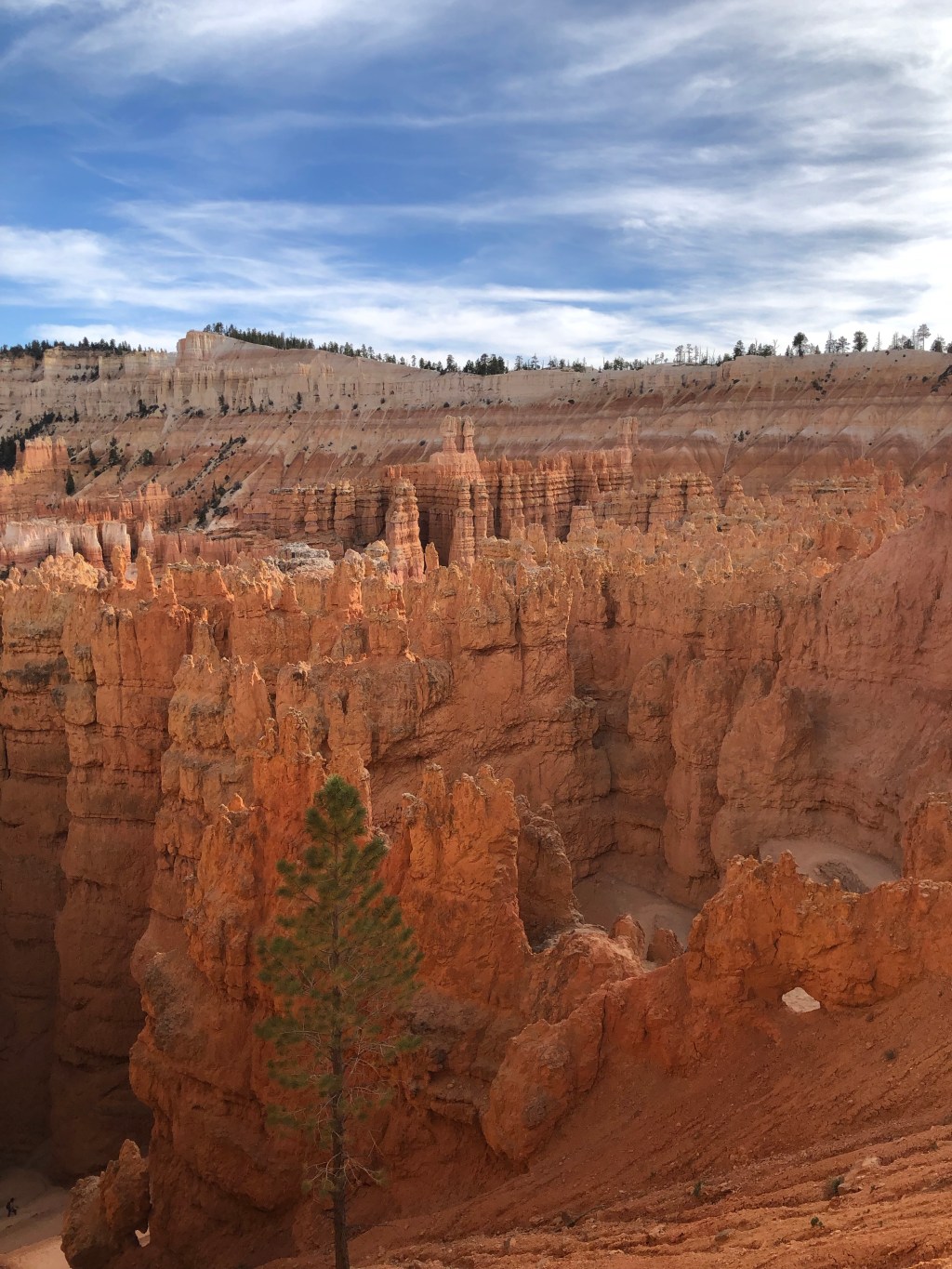
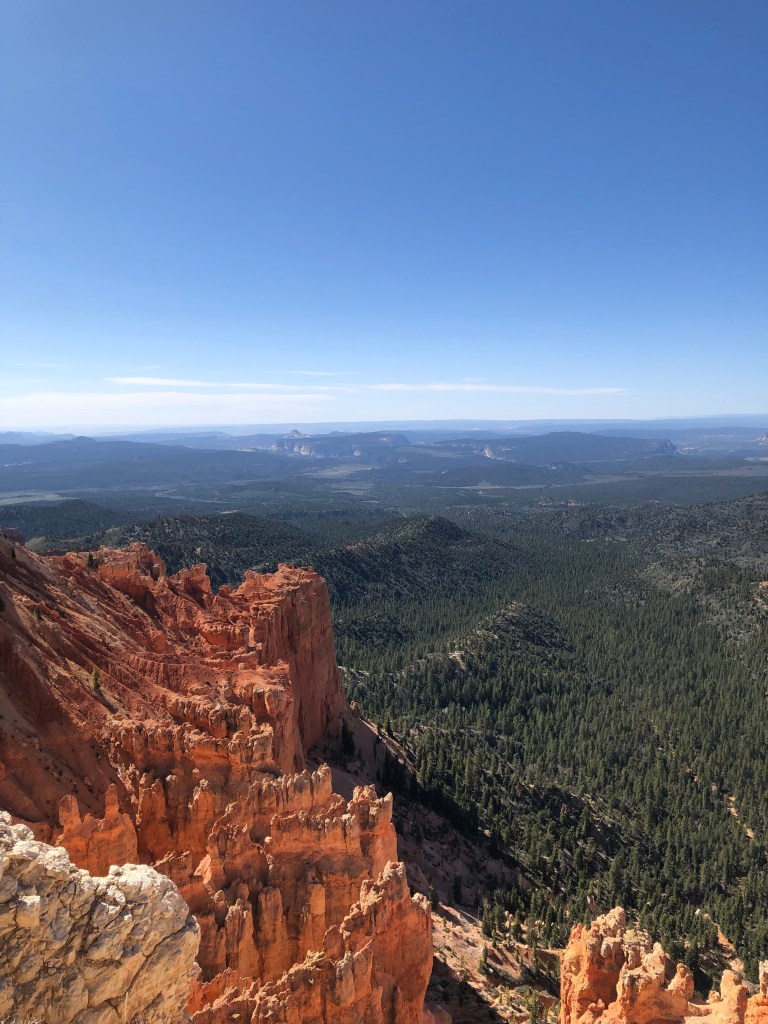
The next morning we packed our daypacks and readied our campsite for the wind that was expected to hit us while we were out exploring. Off we went for more of Bryce Canyon’s stunning landscapes.
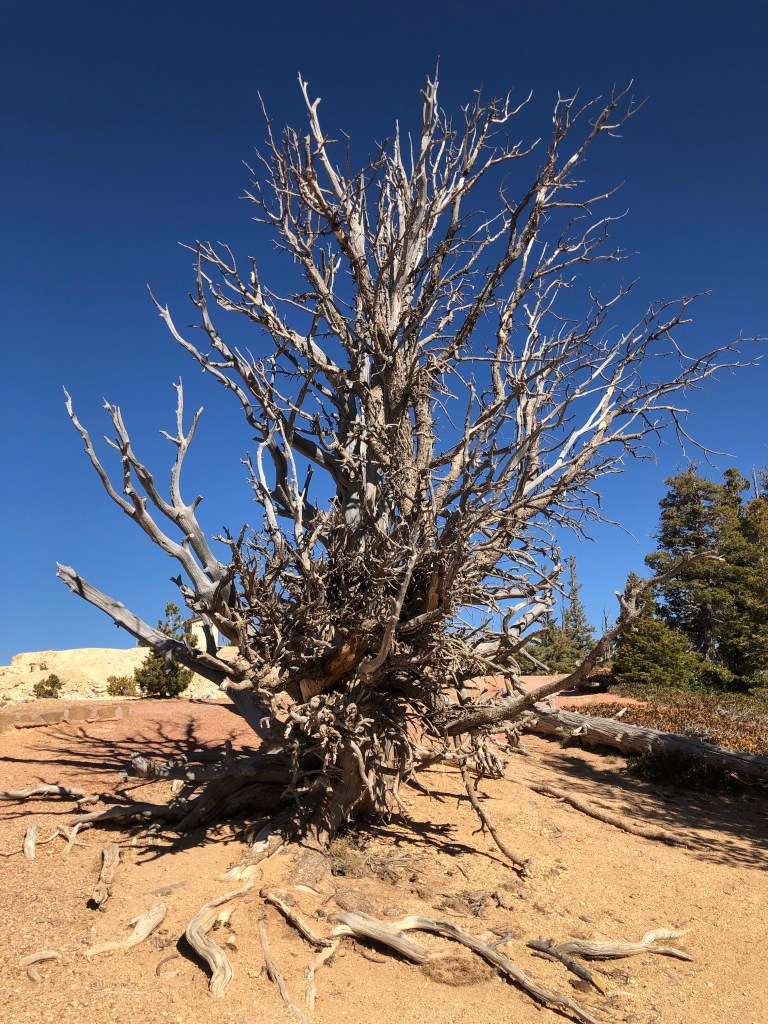
We spent the afternoon at Kodachrome State Park just down the road from our campsite. It was a very desolate park compared with the well funded national parks but the scenery was worth the visit.
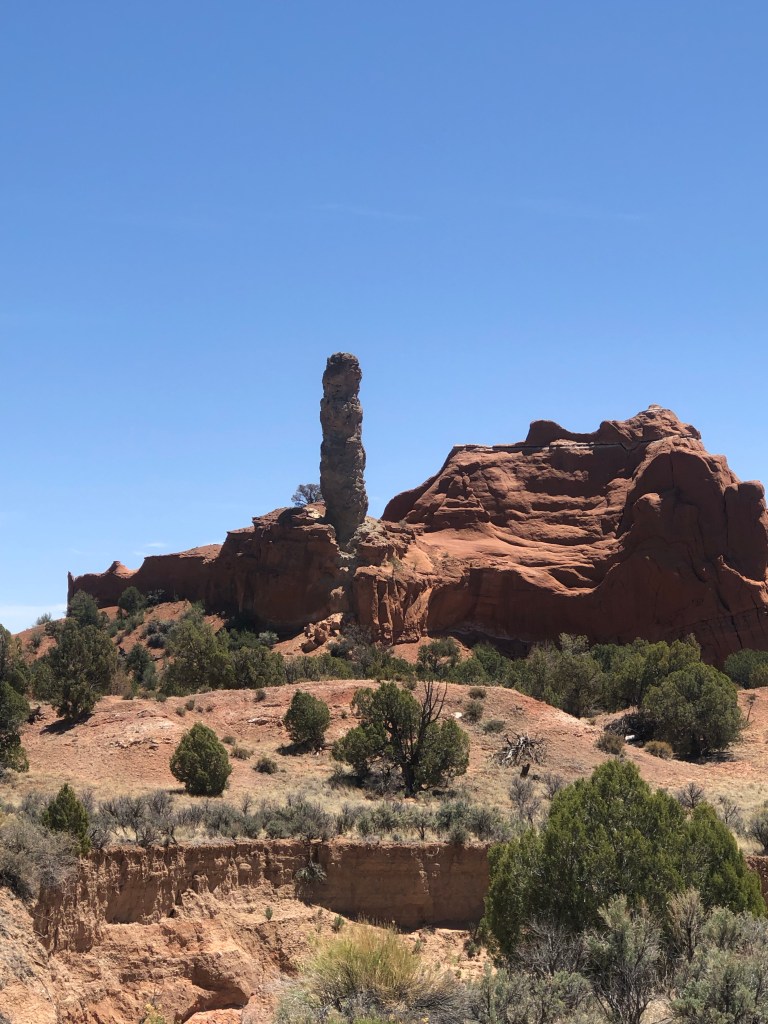
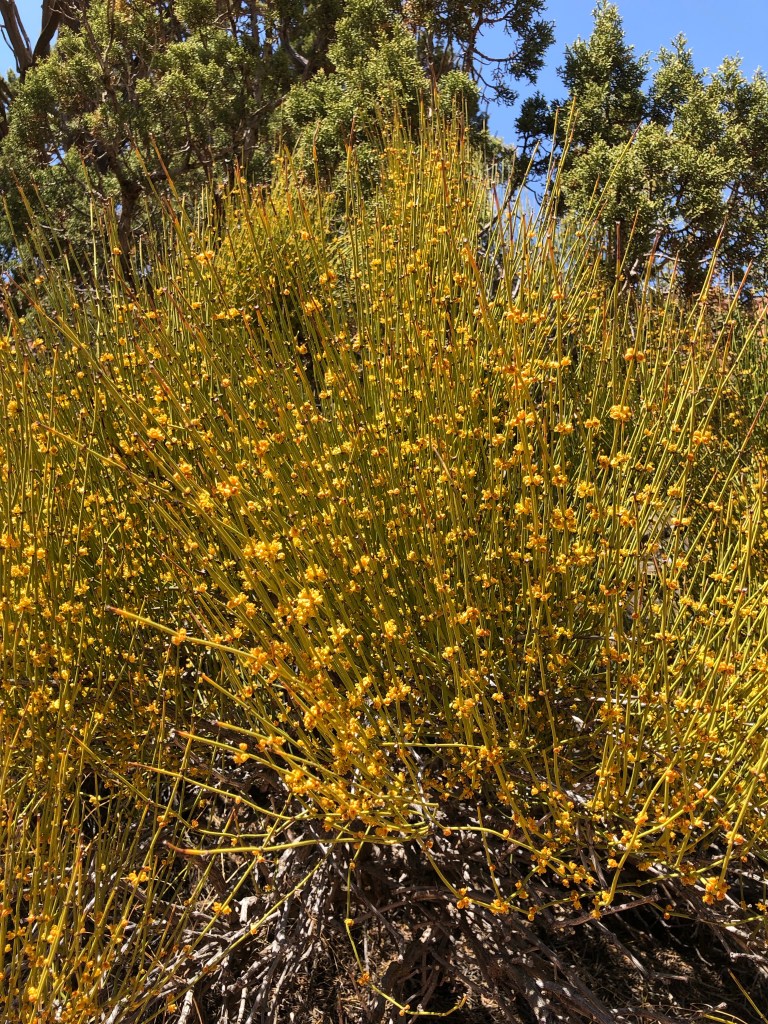
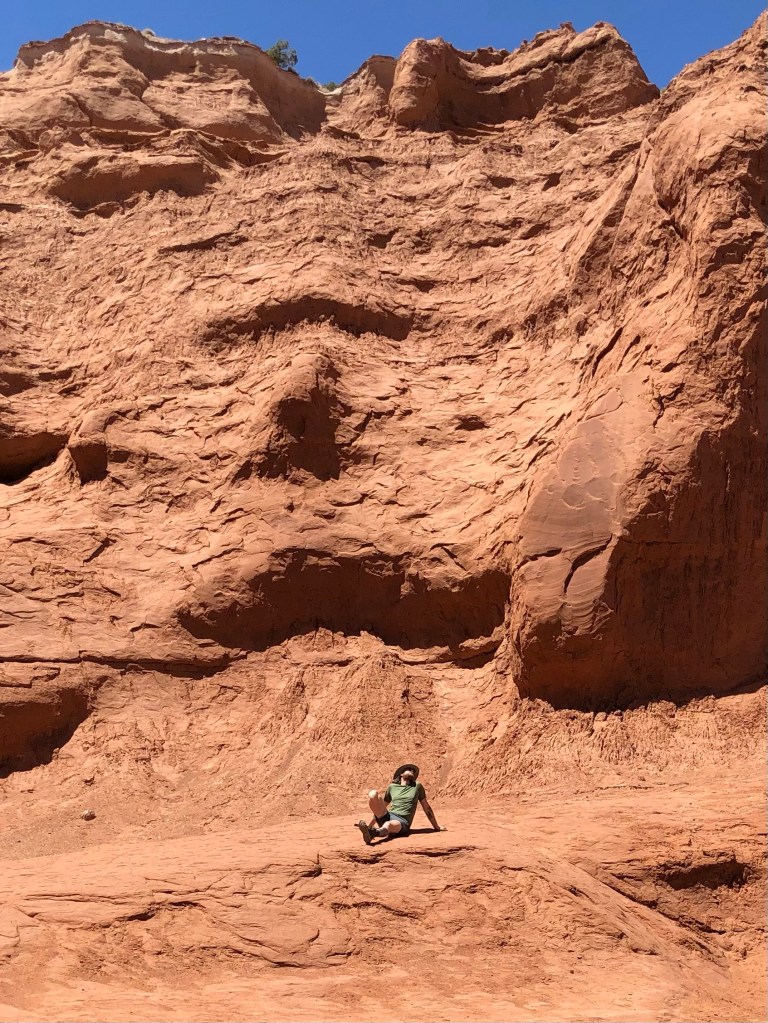
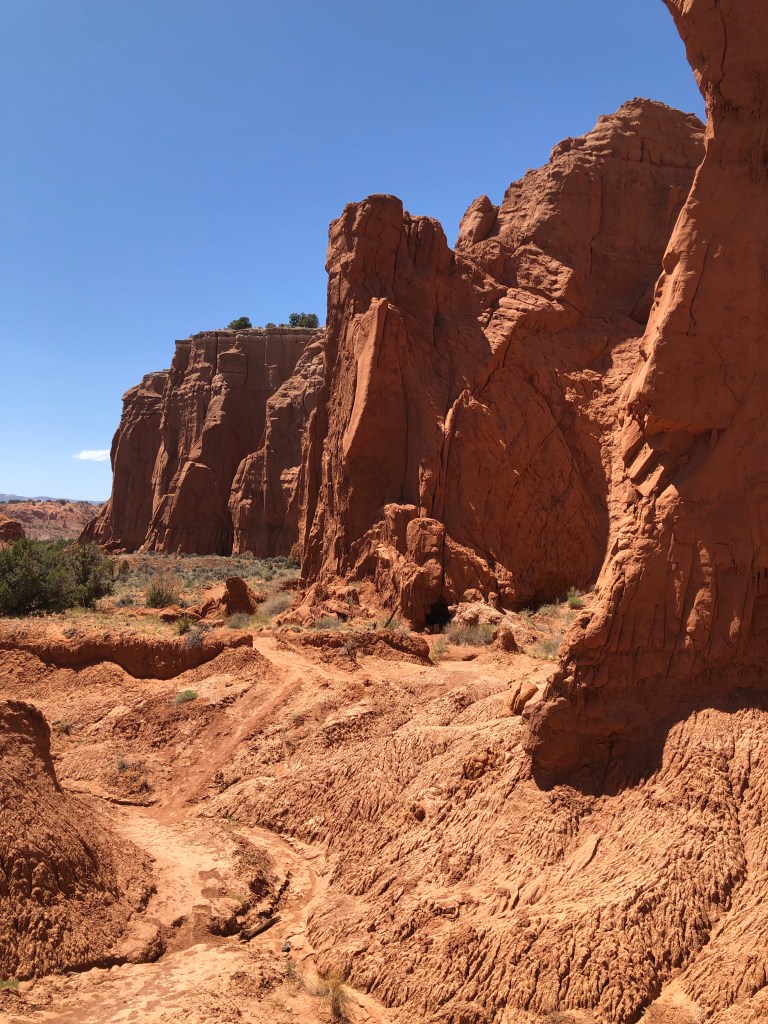
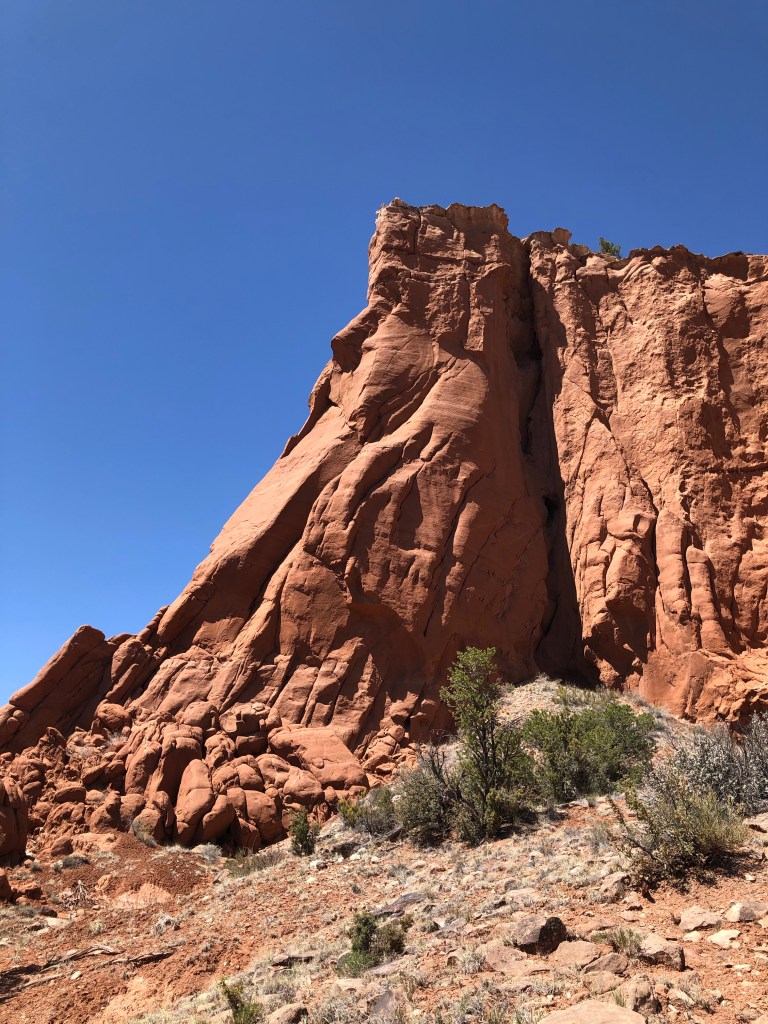
The wind was picking up by late afternoon while we were still at Kodachrome so we headed back to the campsite to inspect the conditions that would no doubt make for a miserable night of battling sand in the tent. Realizing we wouldn’t be able to keep the sand at bay, we elected to spend the night in the car. With the car’s contents emptied and safely tarped outside and the back seats down, we managed to make a lousy and uncomfortable bed for ourselves (even more lousy and uncomfortable for my much taller partner), but at least we had reprieve from the wind and sand. By morning the storm had finally subsided and we packed up and headed down the road to Zion. Zion National Park that is.
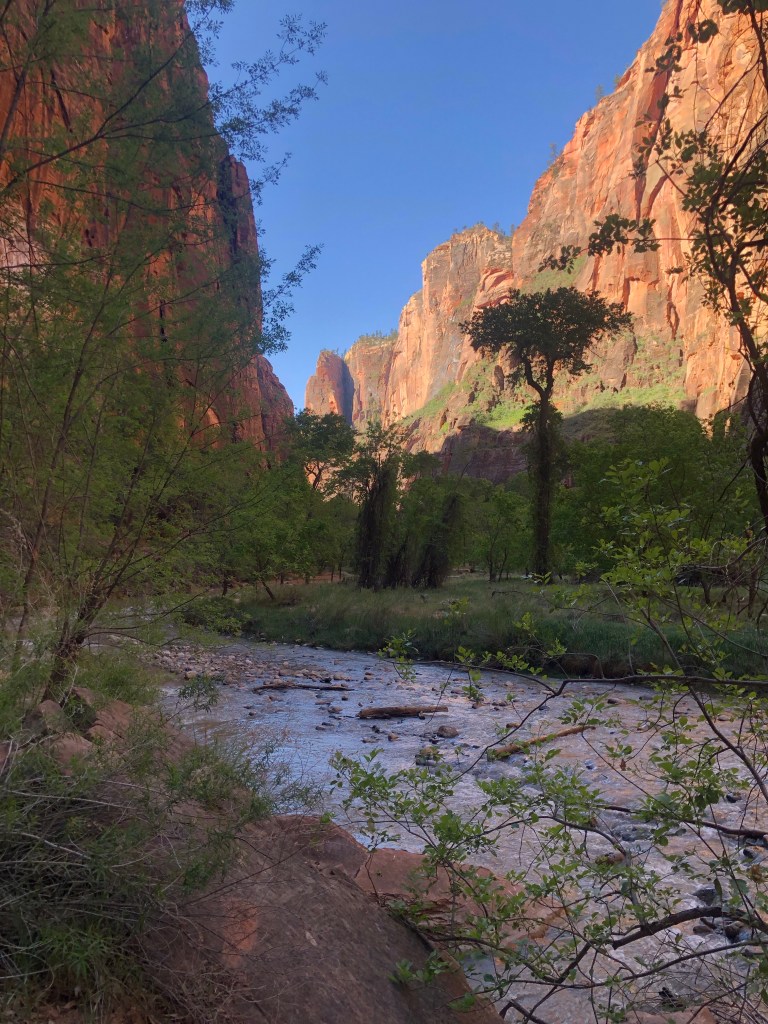
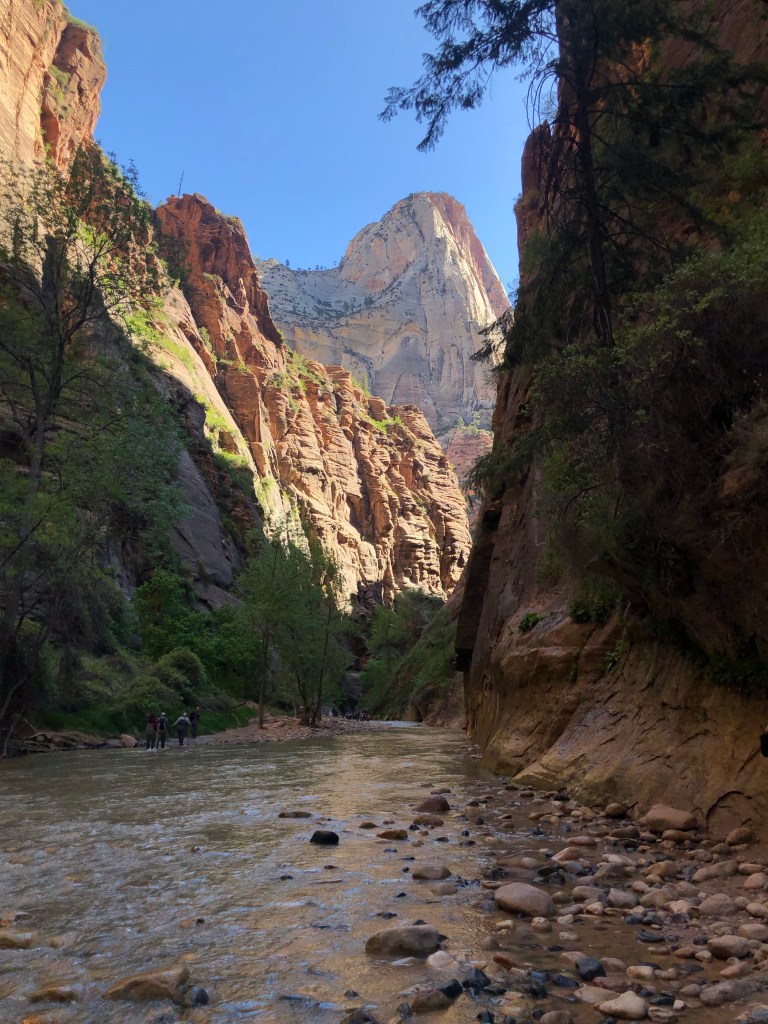
Zion is one of the western US’s most popular parks but the throngs of tourists should not discourage people from visiting. There are many reasons why it is so popular – it is among the more lush of the canyonlands parks in terms of vegetation. While most of the big parks in the state are stunning they are also dry and dusty places and highlight one or two unique geological displays. Zion gives the visitor a chance to get in the canyons from top to bottom and its red stone mesas and sheer cliffs contrast beautifully with the lush forests.
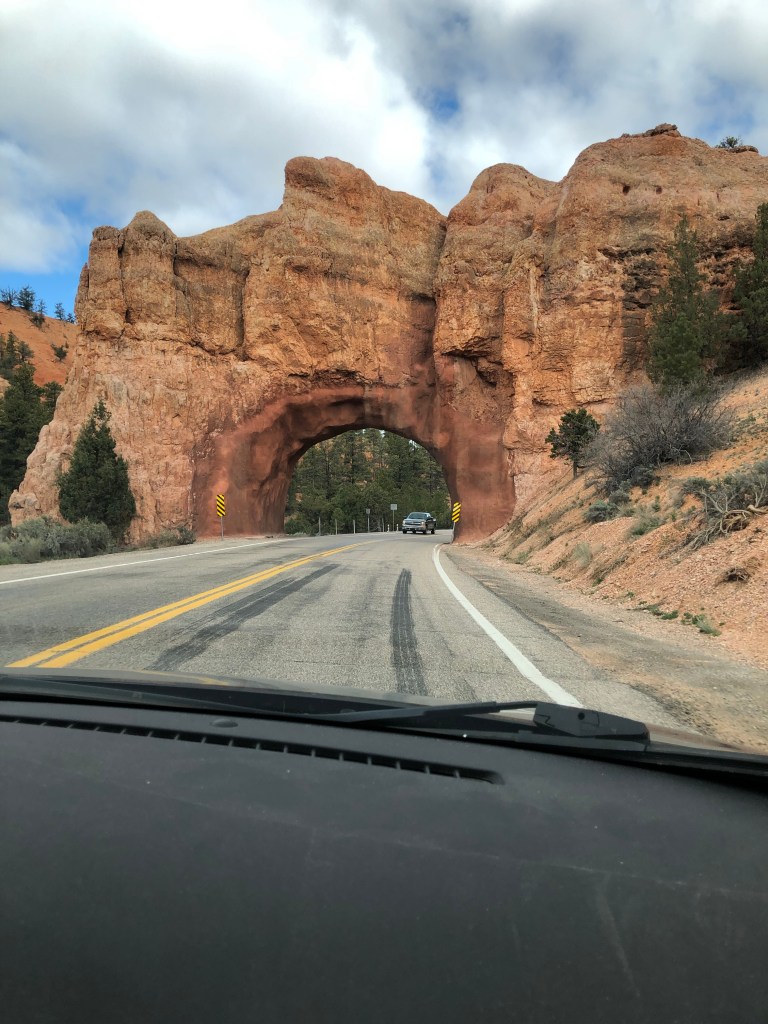
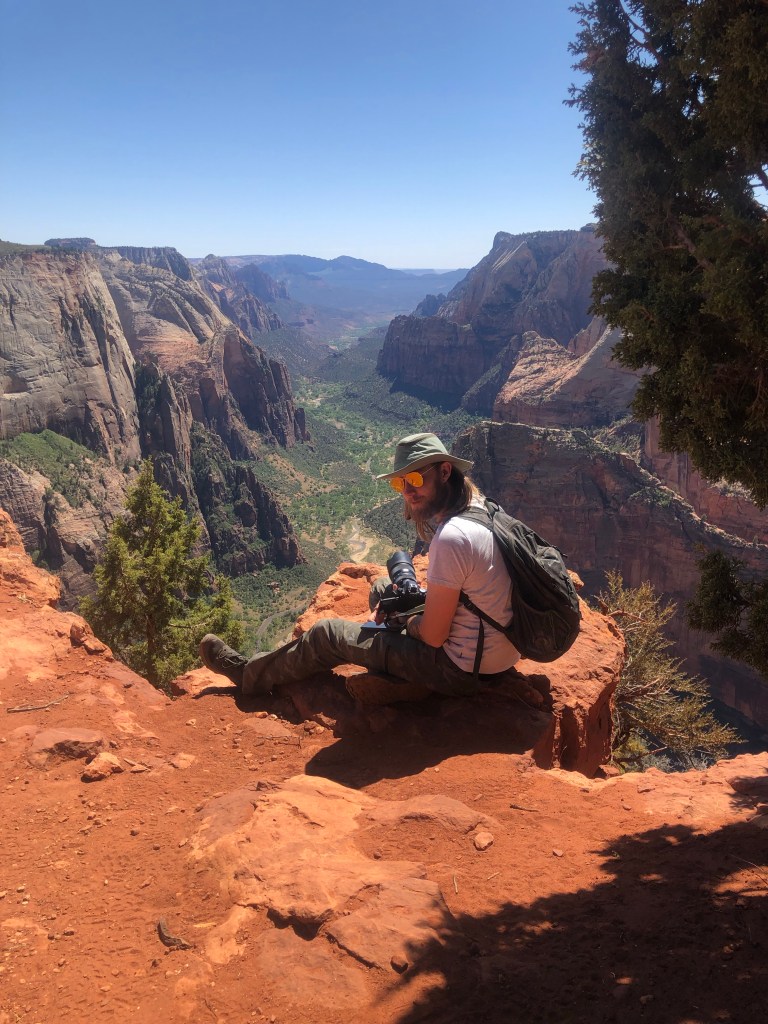
The day we arrived we made a bee line for the East Mesa trail which brings you to Zion’s famous canyon but from the top of a mesa looking down.
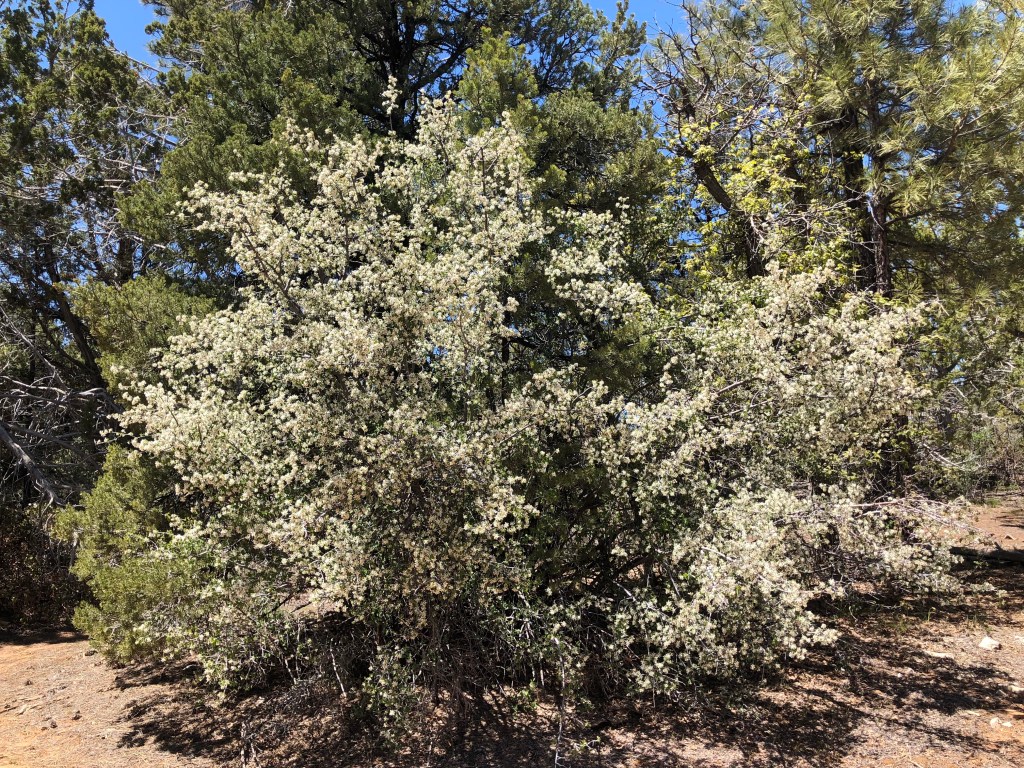
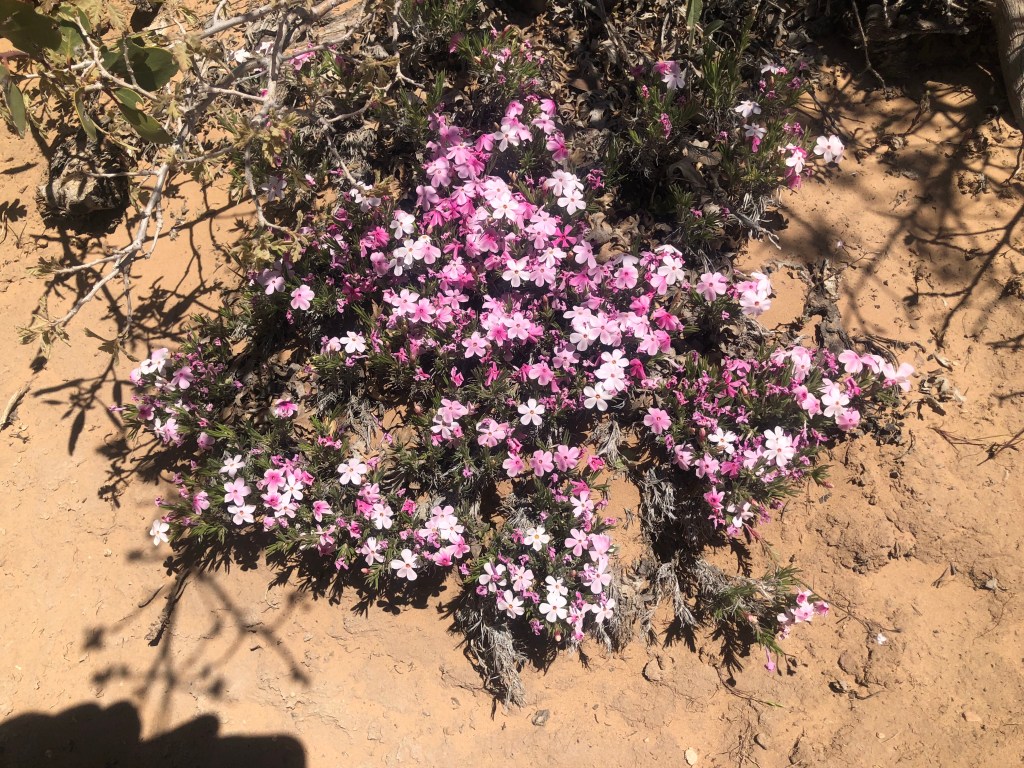


Zion has done a lot to manage traffic by eliminating almost all cars from their scenic drive during peak months. The shuttle buses pass almost every 4 minutes so you can get around easily to all the major trailheads in the central part of the park. US Route 9 leading into the park from the east is a roller coaster ride culminating in a mile long tunnel.

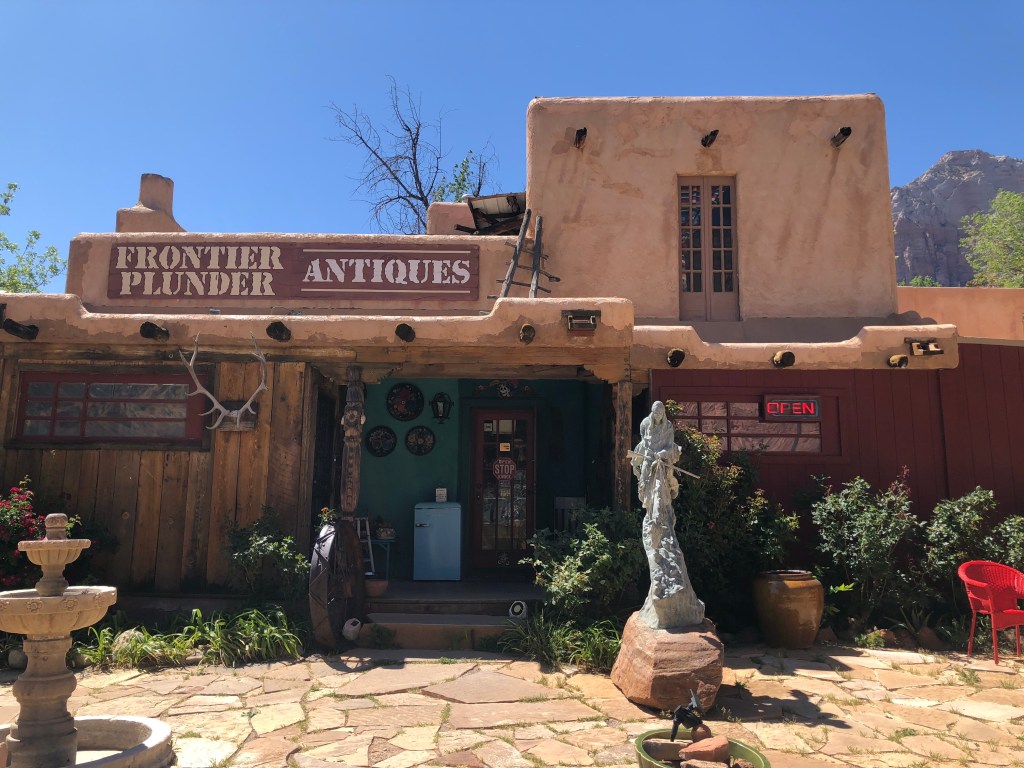
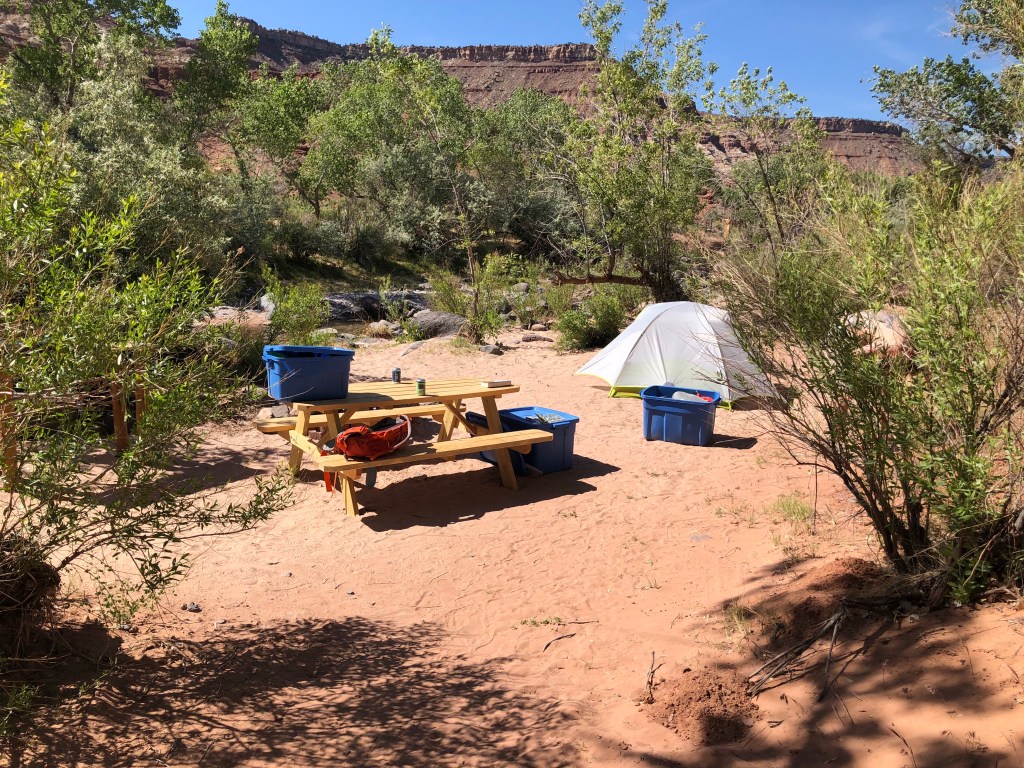
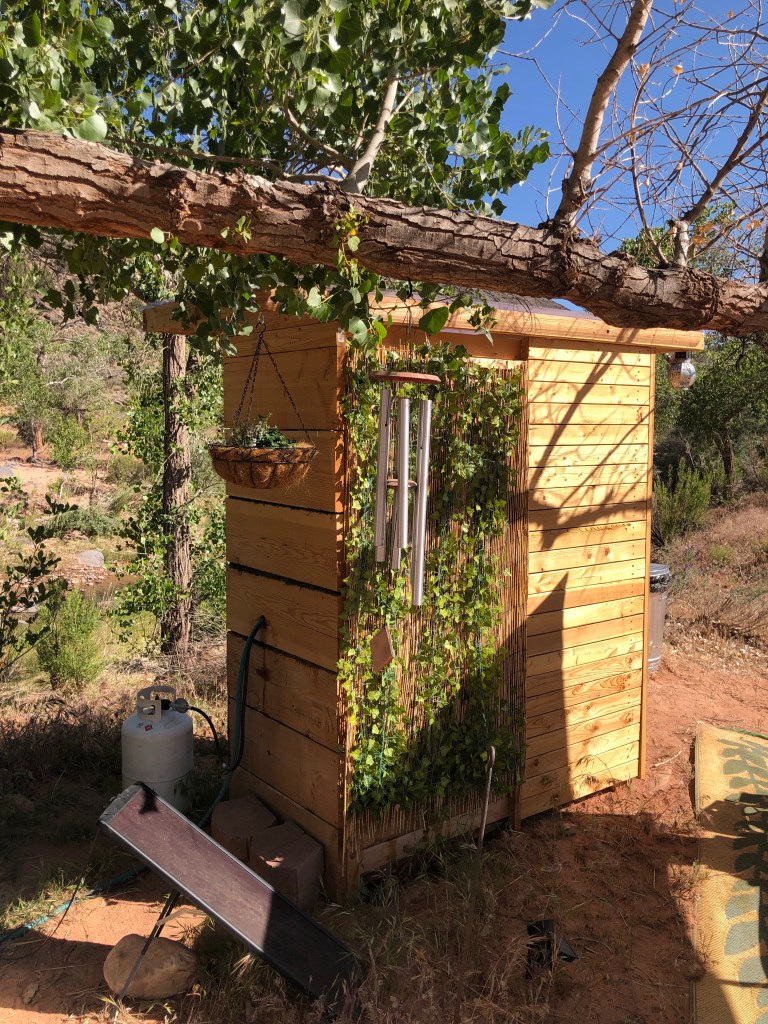
Our second night at Zion we stayed on the west side of the park in a private campground that’s worth mentioning. This place was very rustic in terms of amenities but offered a stunning desert experience with a creek running through the middle of it. Our site was on the other side of that creek and so our old subcompact car had its first amphibious experience crossing a stoney shallow creek to get to our site on the other side.
 sedativegunk