Months back, before the annus horribilus 2020 had made humanity a punchline, my partner and I contemplated our summer vacation plans without a care in the world for what was to come. Italy…Canary Islands…ooh, ooh, Scotland…so many possibilities. Then the pandemic rolled around and it looked like we would be setting our horizons so much closer to home. How about Newfoundland? In time, even that idea went out the window. So we decided, what they hell, how about a tour of our own province. So that’s what we did. For two weeks we toured Ontario and visited a whack of provincial parks. Here’s what we saw!
- Hot men with dog.
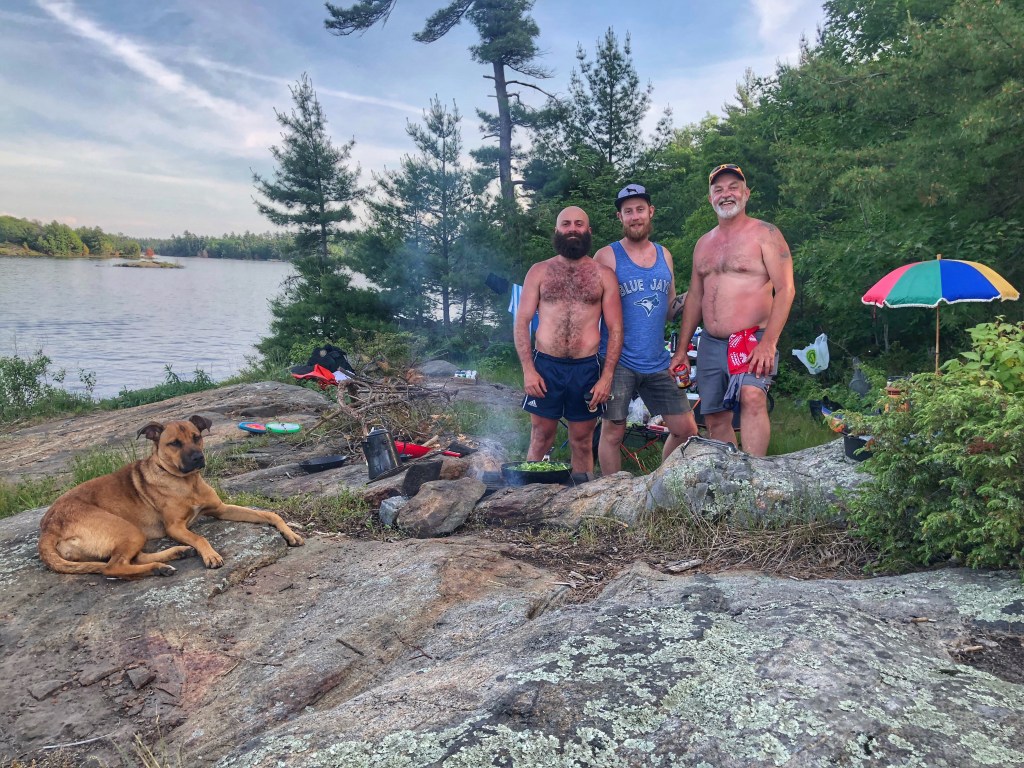
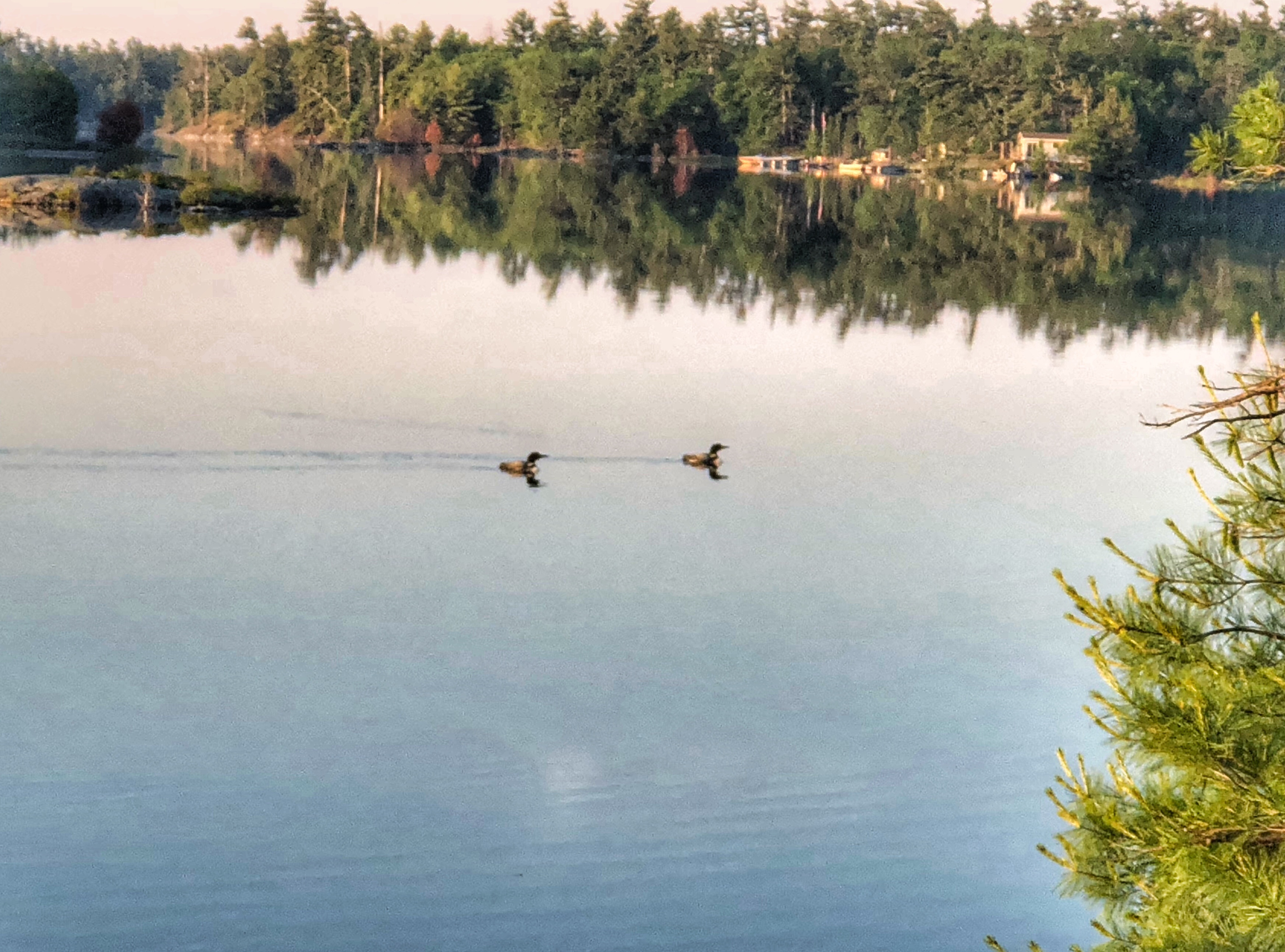
My partner and I invited friends of ours to join us at our first stop on Ontariomania, the gorgeous Massassaga Provincial Park, located south of Parry Sound. The park is a series of islands in the midst of cottage country. Access to the park is by canoe only and you have to paddle by cottages to get to those coveted provincial park campsites. The two-and-a-half hour paddle was worth it though as we were rewarded with our own island. The one drawback of the park is that the cottage owners (whose cottages are often water access only) travel to and fro by motor boat, which can be noisy and disruptive to small watercraft like canoes. Luckily, there are plenty of moments when there are no boats and the water is like glass, or well glass with loons in it.
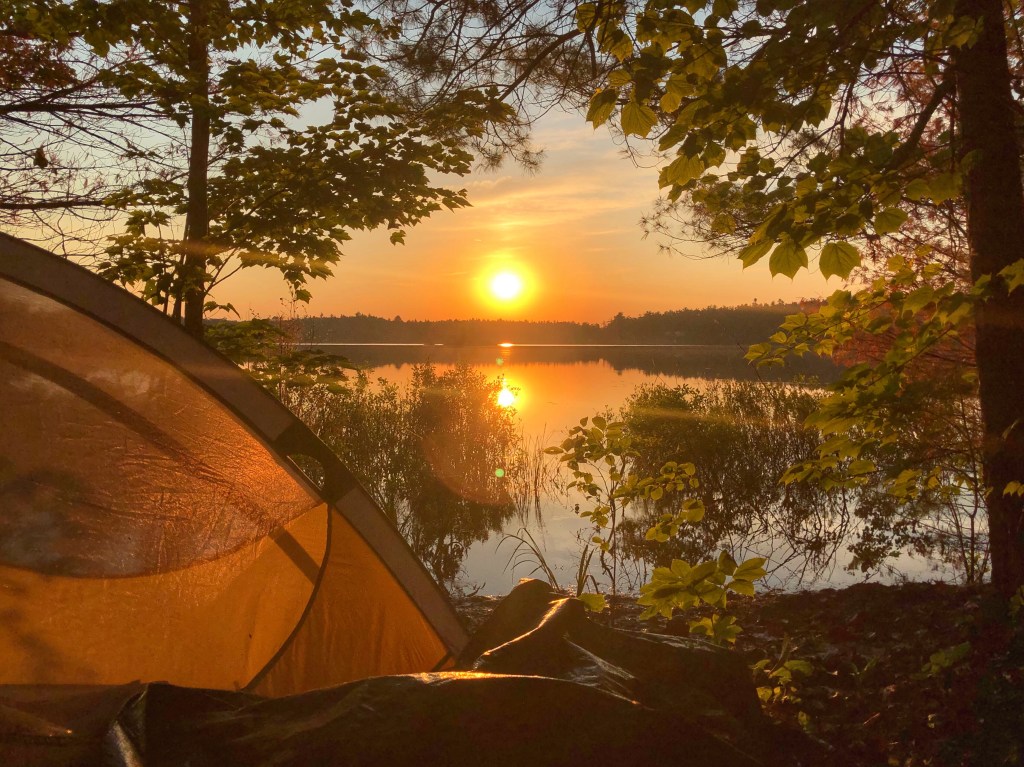
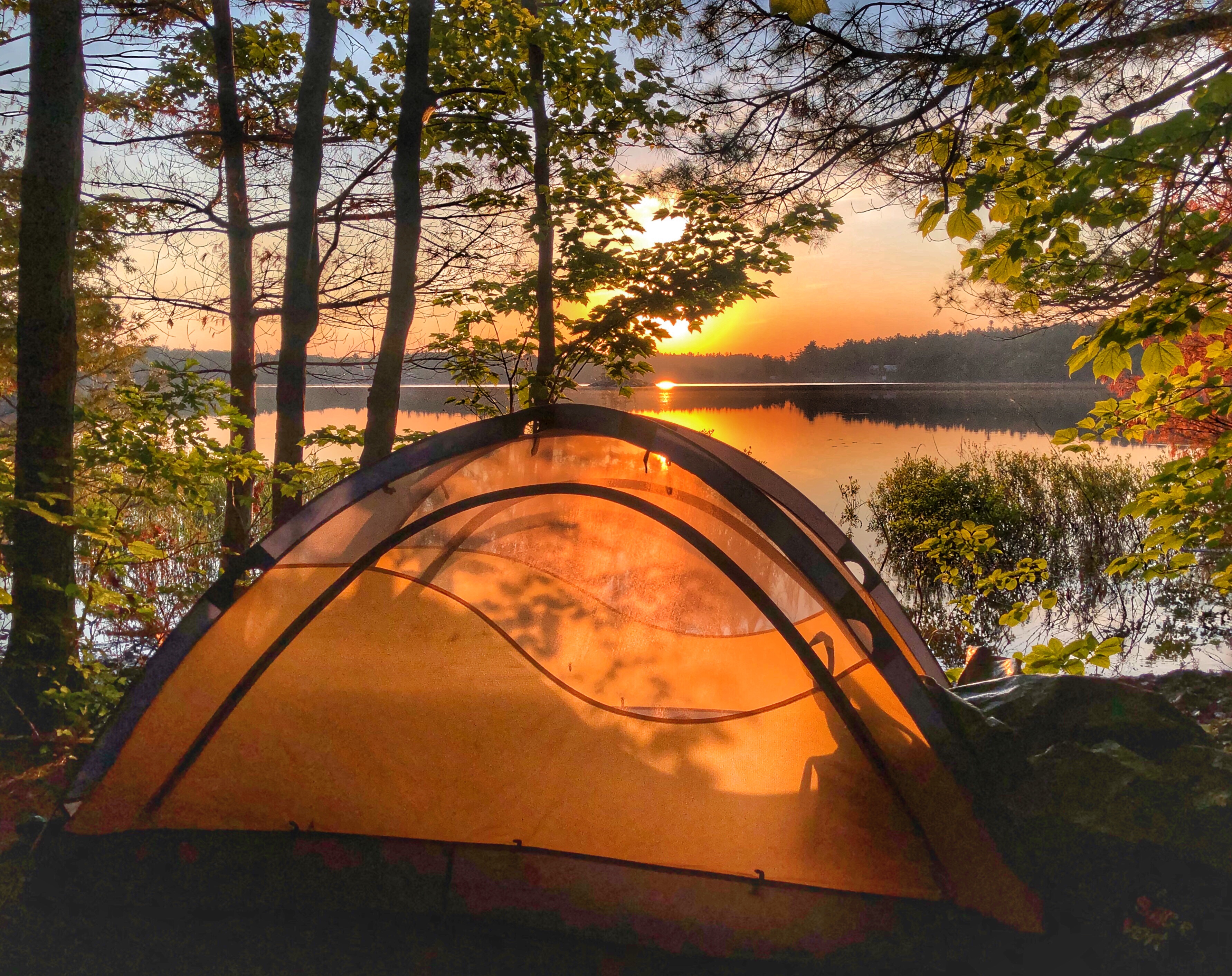
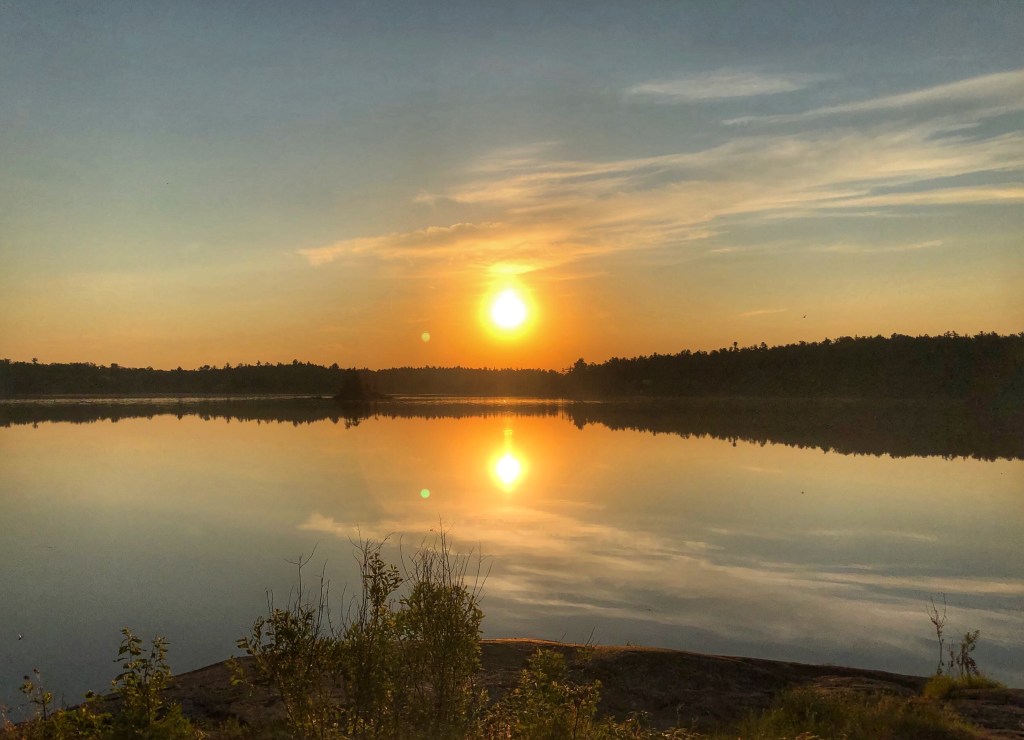
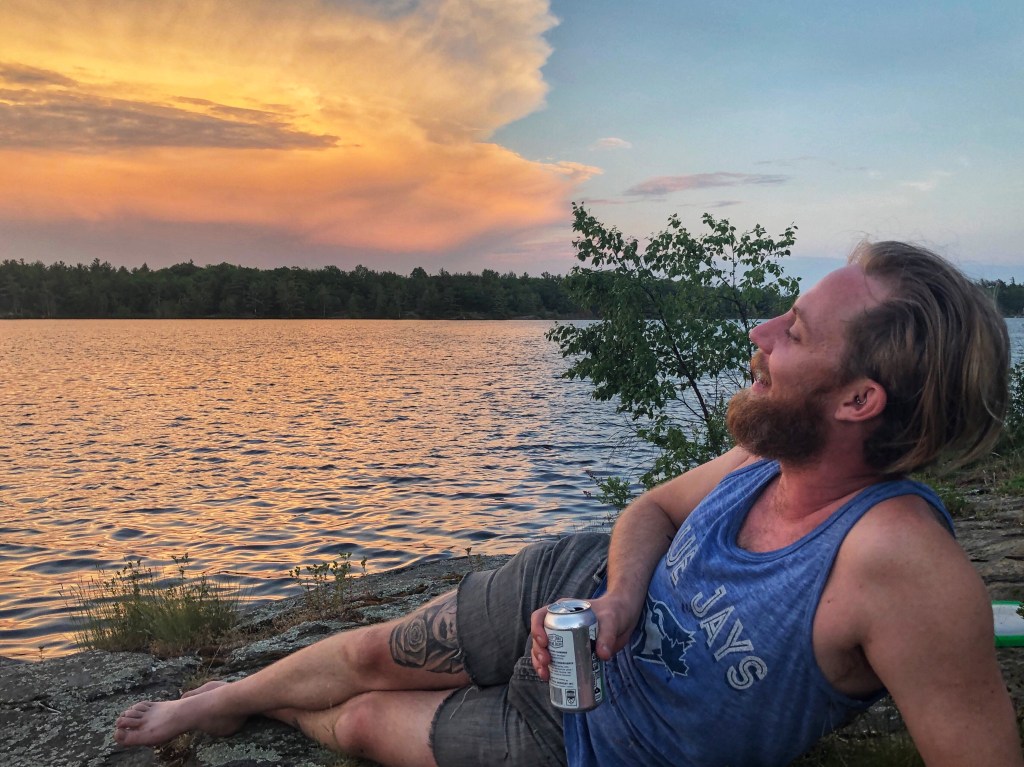
Our campsite was located on Crooked Island, near the outer limits of the park. The island was buggy but that goes with the territory in late June. Luckily the worst of the bugs was where the tents were and we only went there to sleep. The daytime was blazing hot on the island’s rocky shore. Evenings brought on more bugs but fortunately we had a kitchen tent to keep most of them away.
Night time brought on loons in fine form. Click on the video below to listen.
We departed from Crooked Island early on Monday and paddled back to our car. My partner and I had a long drive ahead of us as our next stop was the eastern shores of Lake Superior, a nine hour drive away.
At Sault Ste. Marie we stopped for supplies and gas and left town just as the rain was starting. It was 9 pm and we still had a two hours left of driving to get to Rabbit Blanket campground in Lake Superior Provincial Park, through the rain, twilight and peak moose country. Fortunately, by the time we arrived at the campground we had driven ahead of the rain and had just enough time to get camp set up before the weather caught up with us.
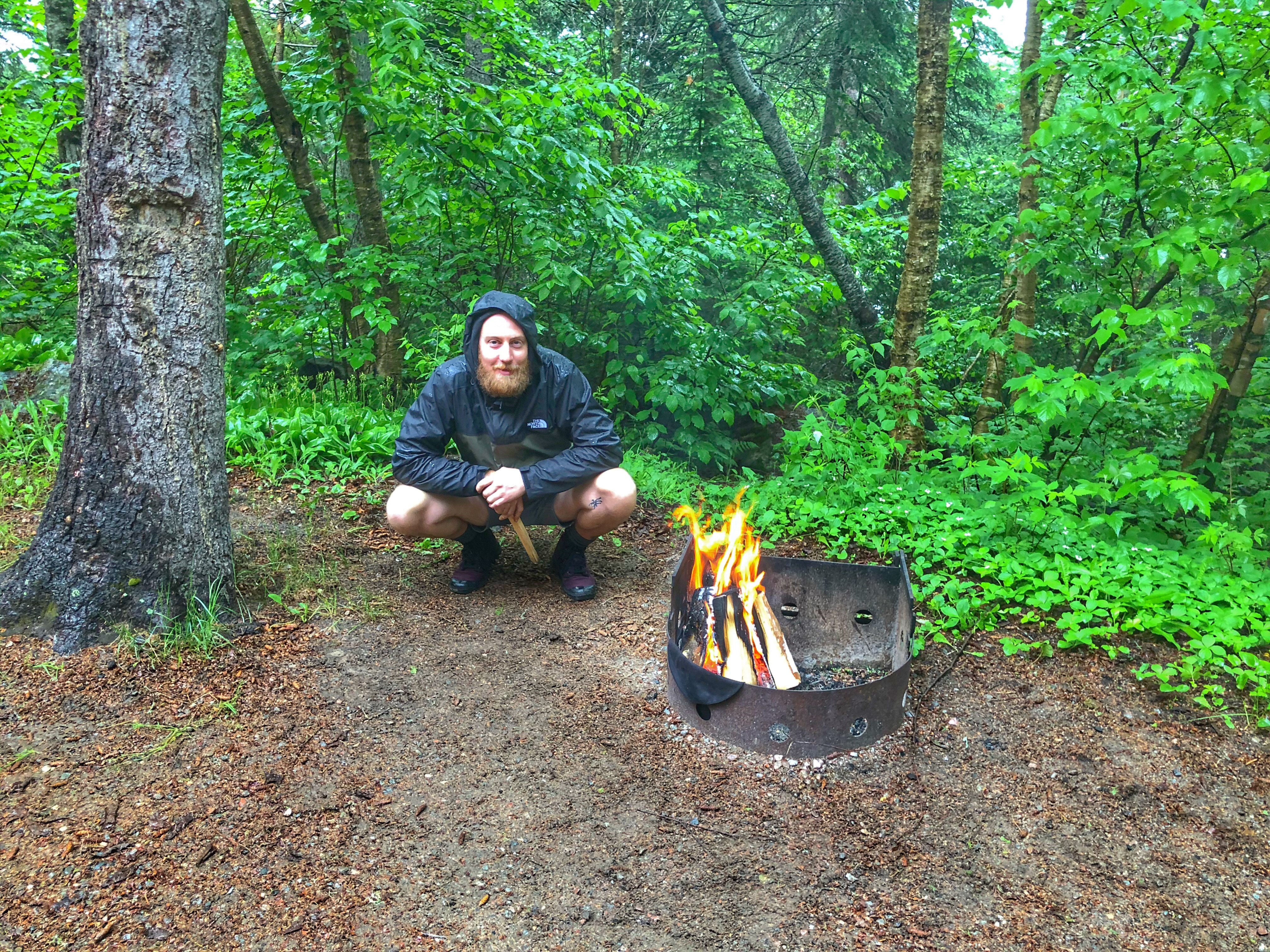
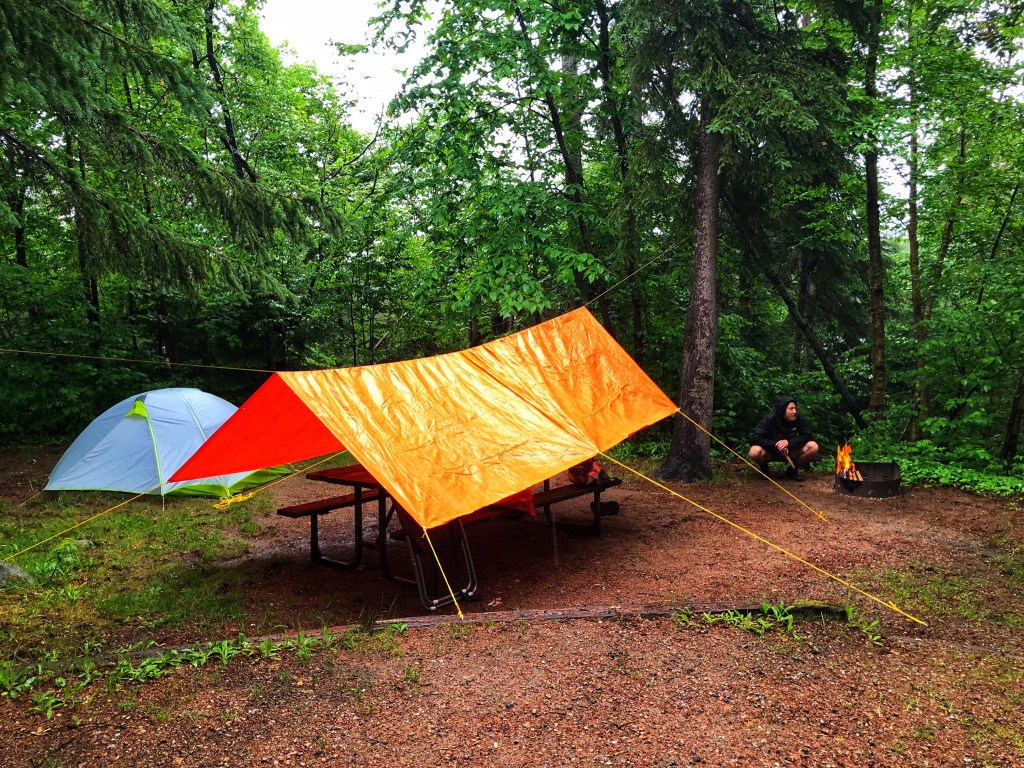
Between the heavy tree canopy and a decently rigged tarp, we had enough dry space to get through two days of significant rainfall. Unlike elsewhere on Lake Superior, the eastern shores are essentially a rain forest, with significantly more vegetation and more hardwood deciduous trees than you might expect this far north.
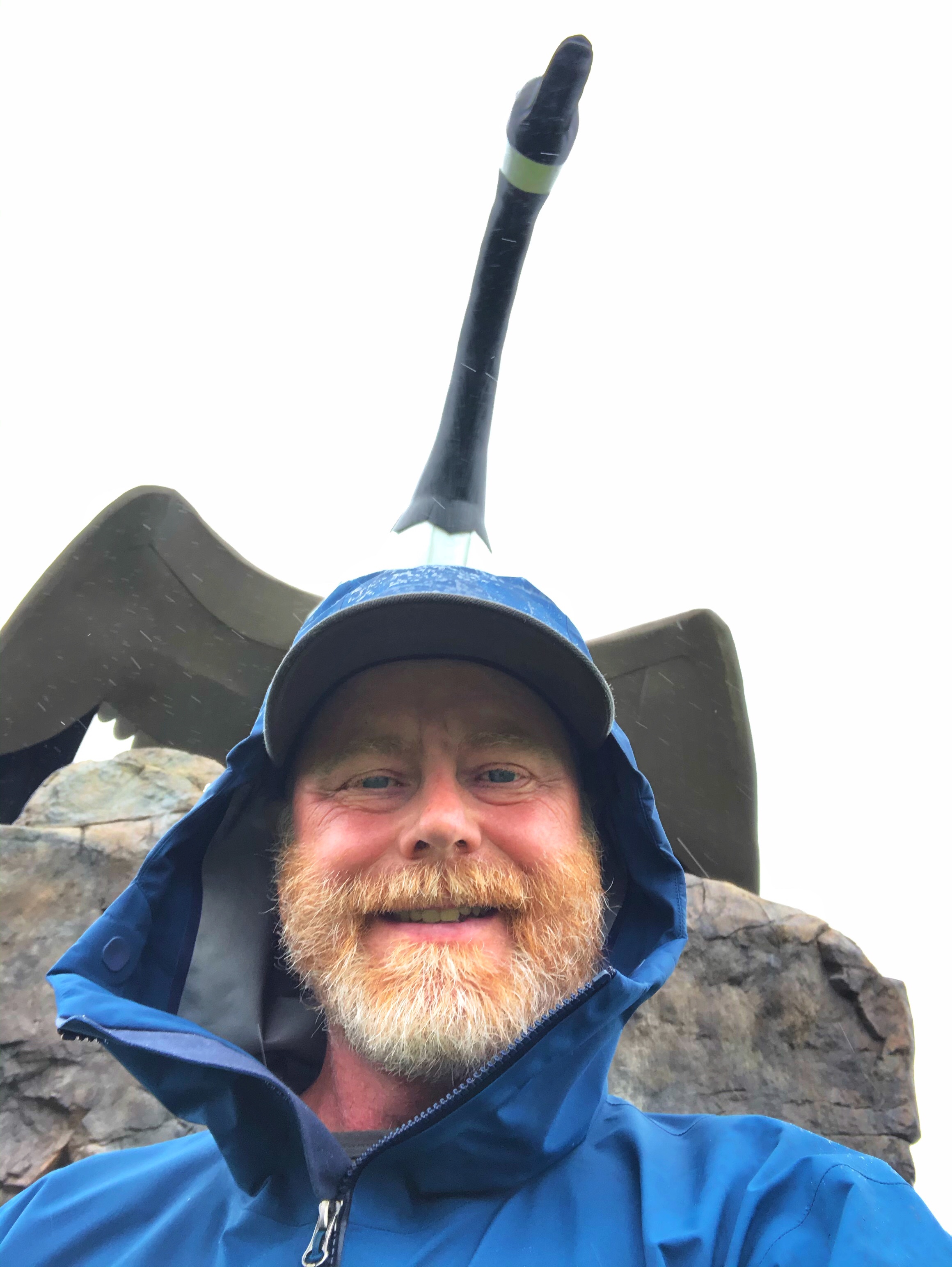
With the rain continuing to fall hard the next day, we decided to take a drive up to the nearest town, Wawa, famous for its oversized goose along the highway. The town claims that “wawa” is the Ojibwe word for wild goose, but a quick look in the Ojibwe dictionary doesn’t support that. Maybe it’s a local dailect thing. In any case, the French word for goose is “oie” – pronounced “wah”, so Wawa could be Oie-oie or goose-goose and the beginning of a children’s game.
Wawa has a history of being an important crossroads town, dating back to the early 1700s, when French established a fur trading and military post here. The town was a link between the Hudson Bay fur trade and Montreal until the 19th century. Later, Wawa would become an important source for iron ore and gold. When I came through in the 1980s on family vacations, I remember this town bustling with tourists in the summertime. Today, the boarded up motels are a testament that the town doesn’t draw tourists like it used to.
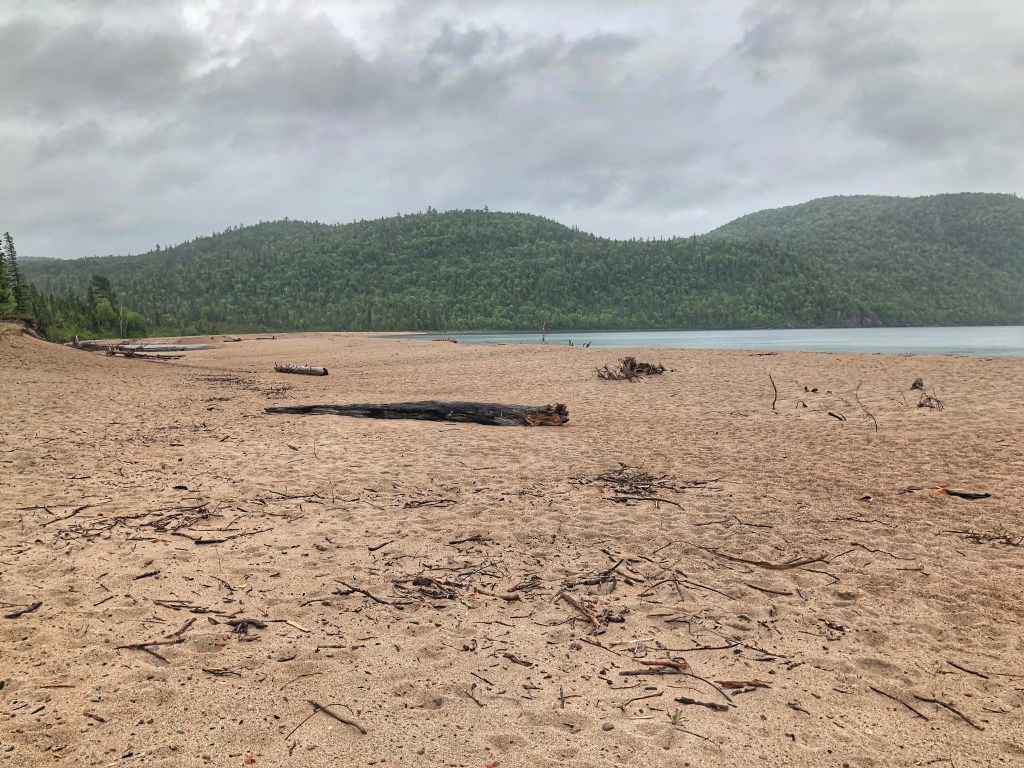
The rain subsided enough for us to see the Superior shoreline and to do some hiking.
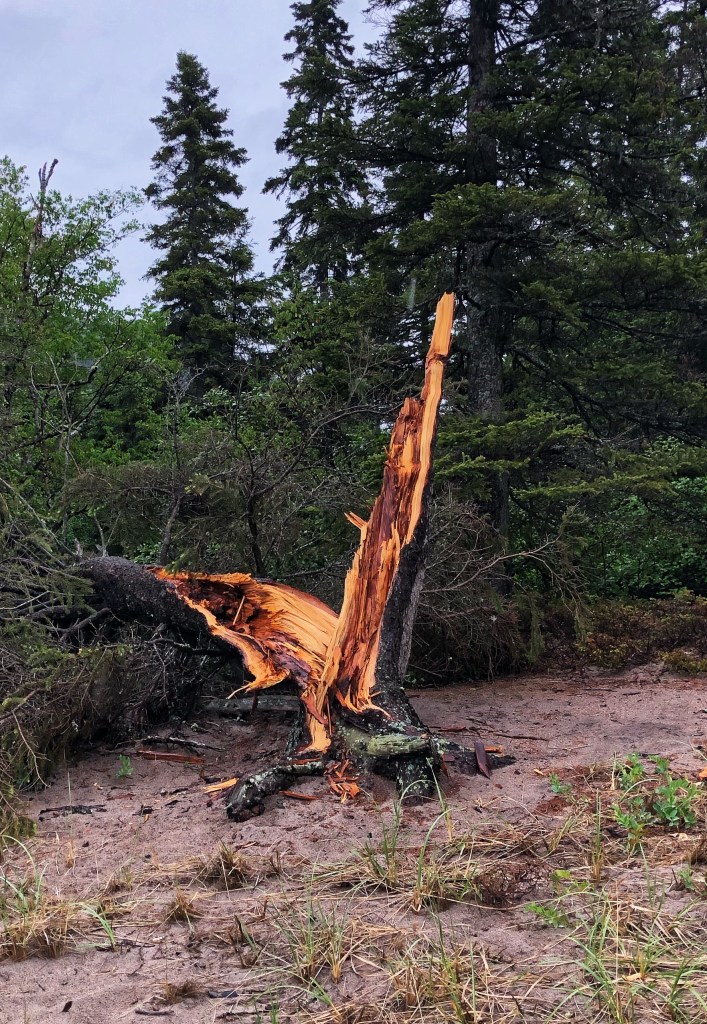

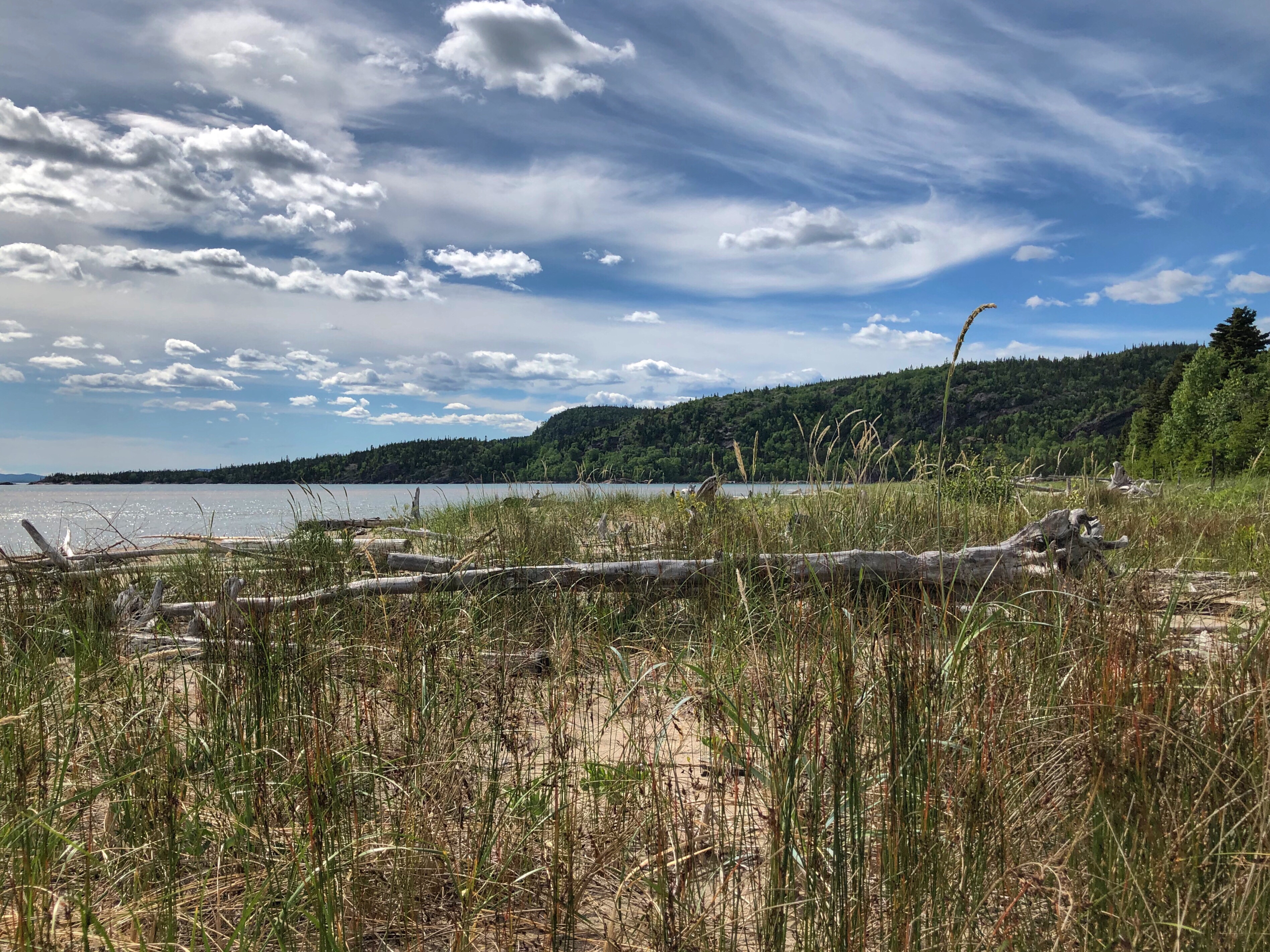
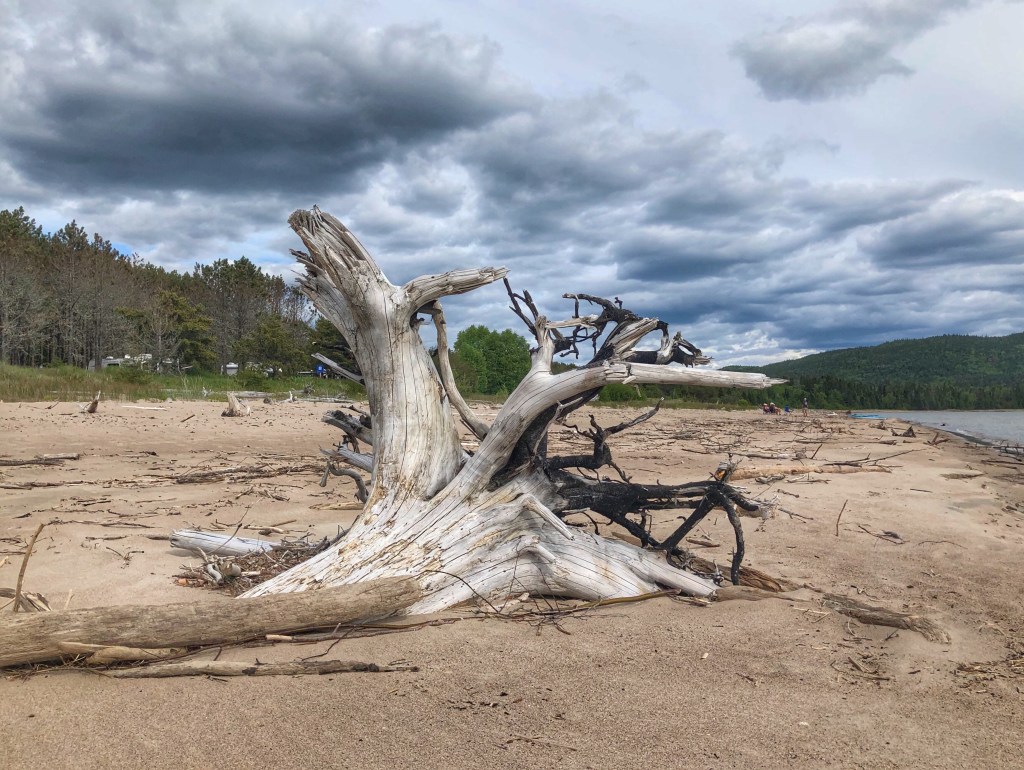
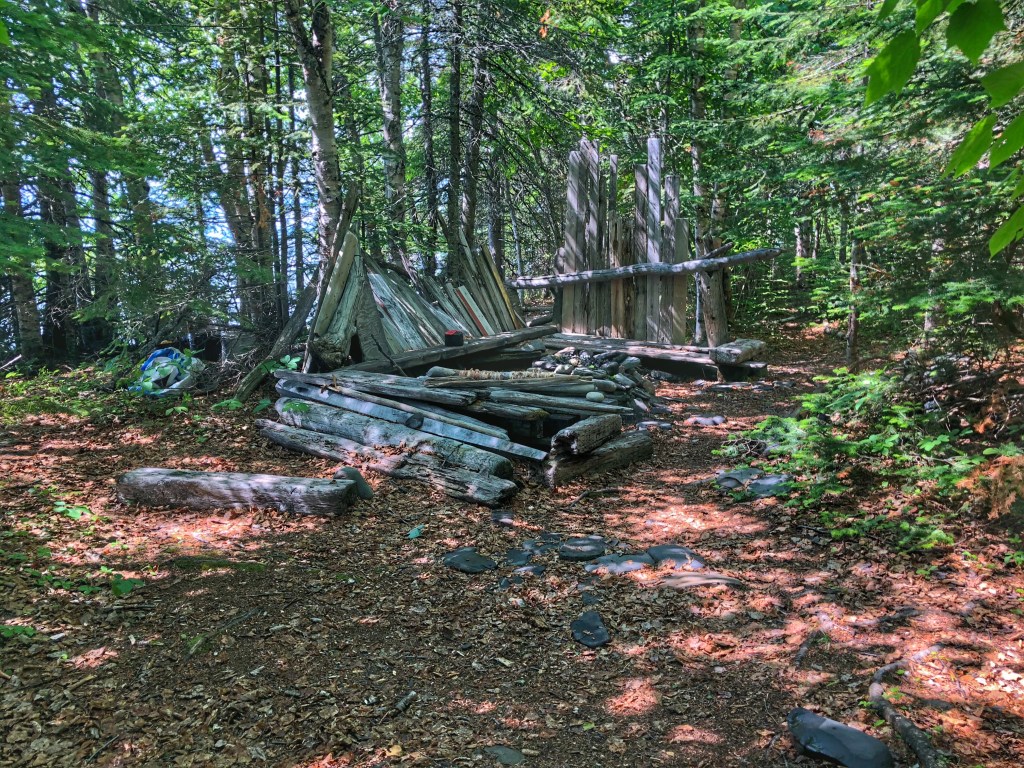
Our next stop was Neys Provincial Park on the north shore of Lake Superior. The park’s greatest feature is it’s gorgeous natural sandy beach. The park is also home to a few log driving boat specimens, propped up on the rocks for anyone to check out. Neys was a reminder to us of how insensitive Lake Superior can be to fairweather travellers. The water temperature was at hypothermia levels (perhaps just the way the current was that day) and the air temperature that night went down to 4C.
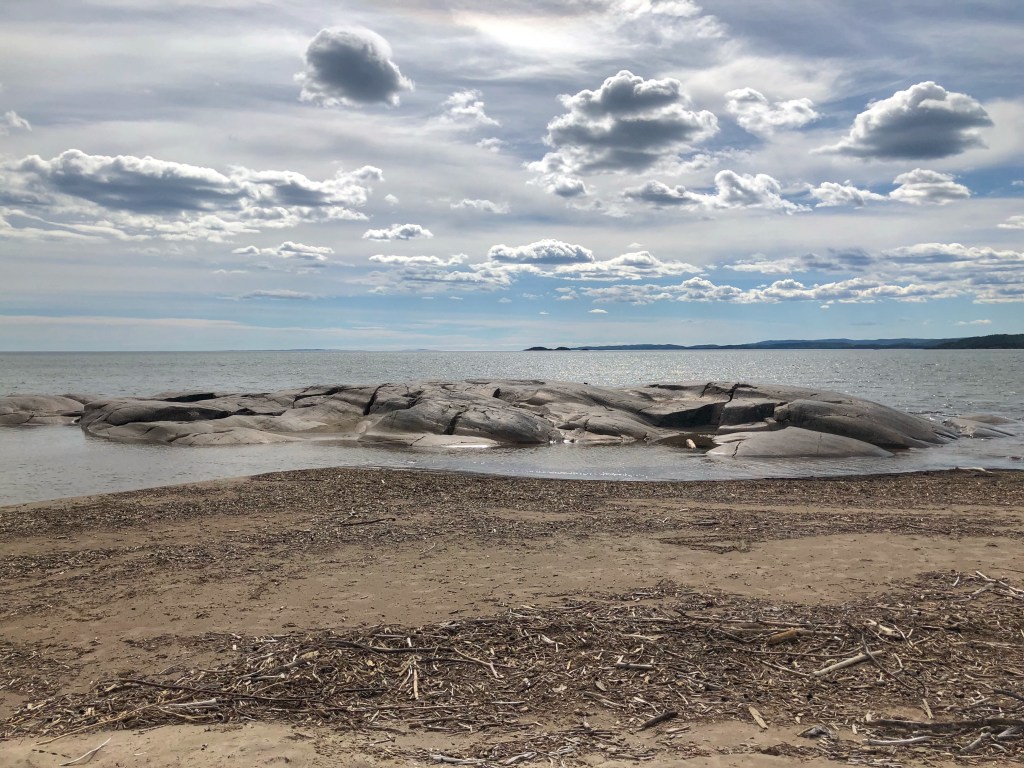
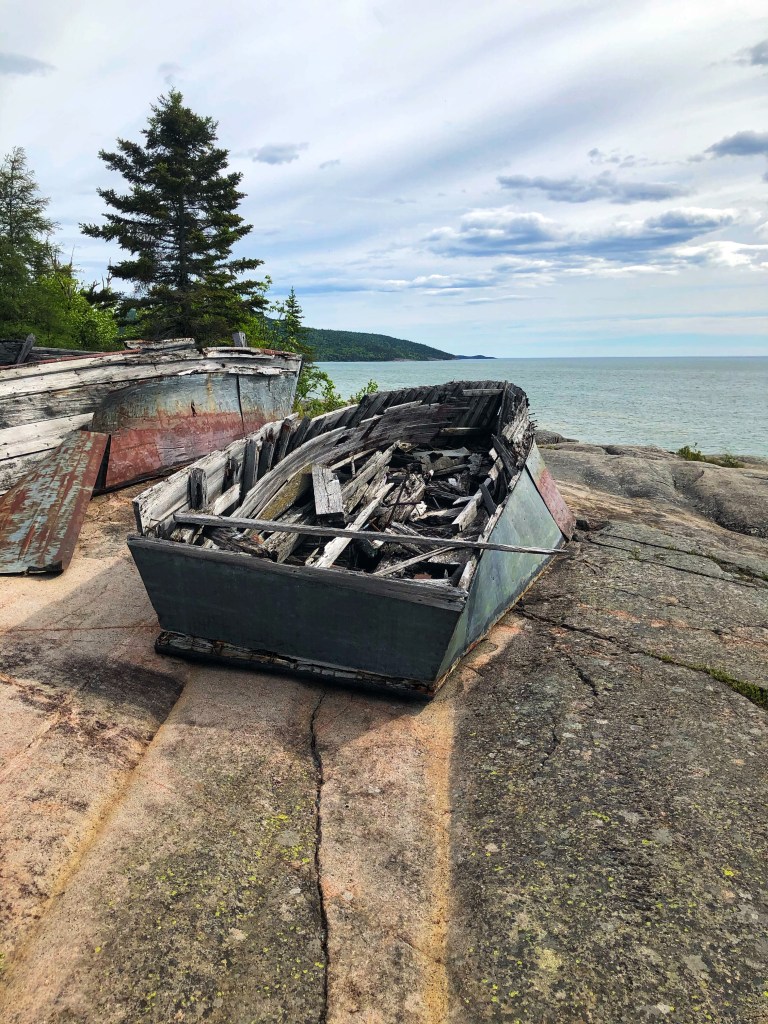
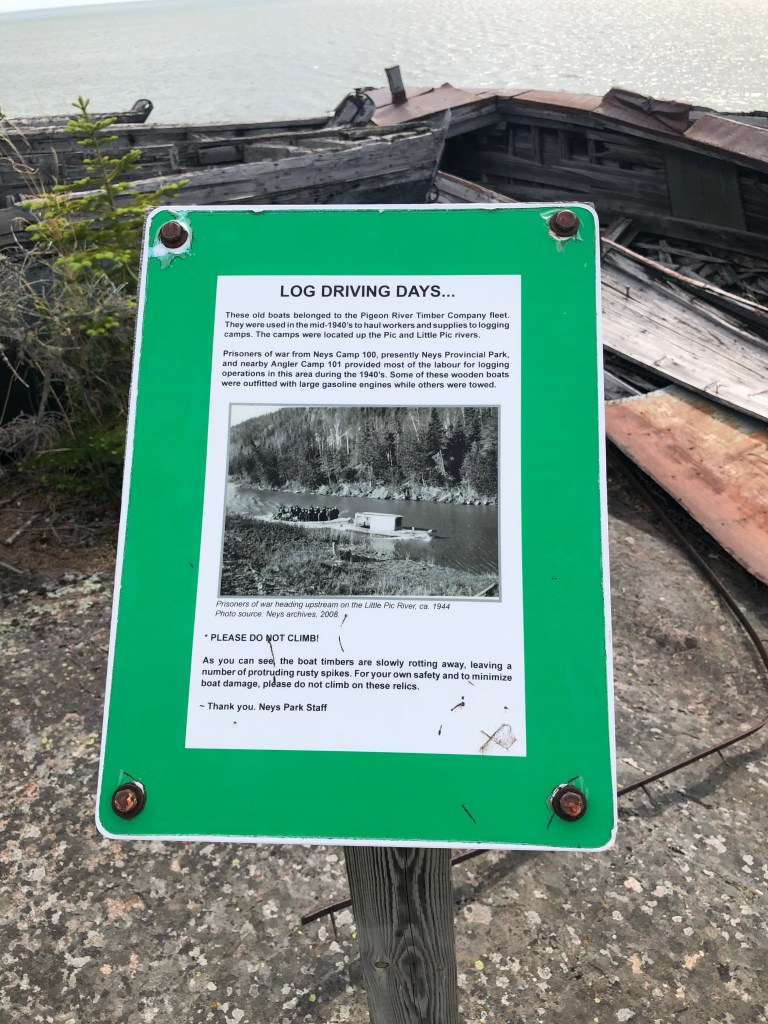
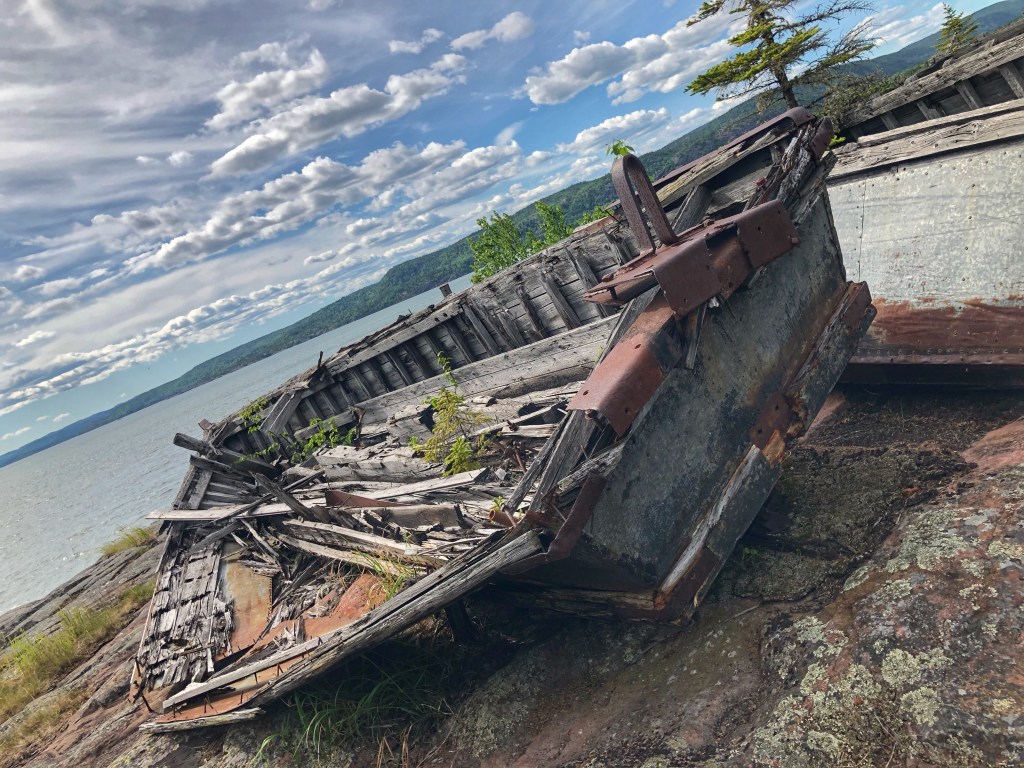
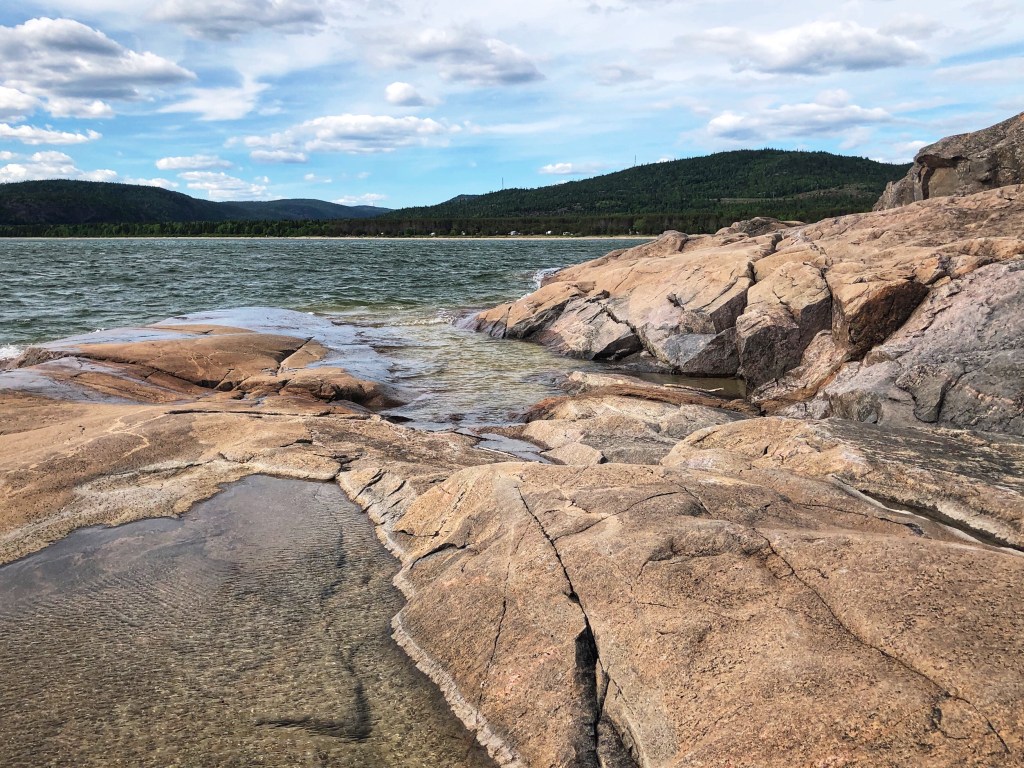
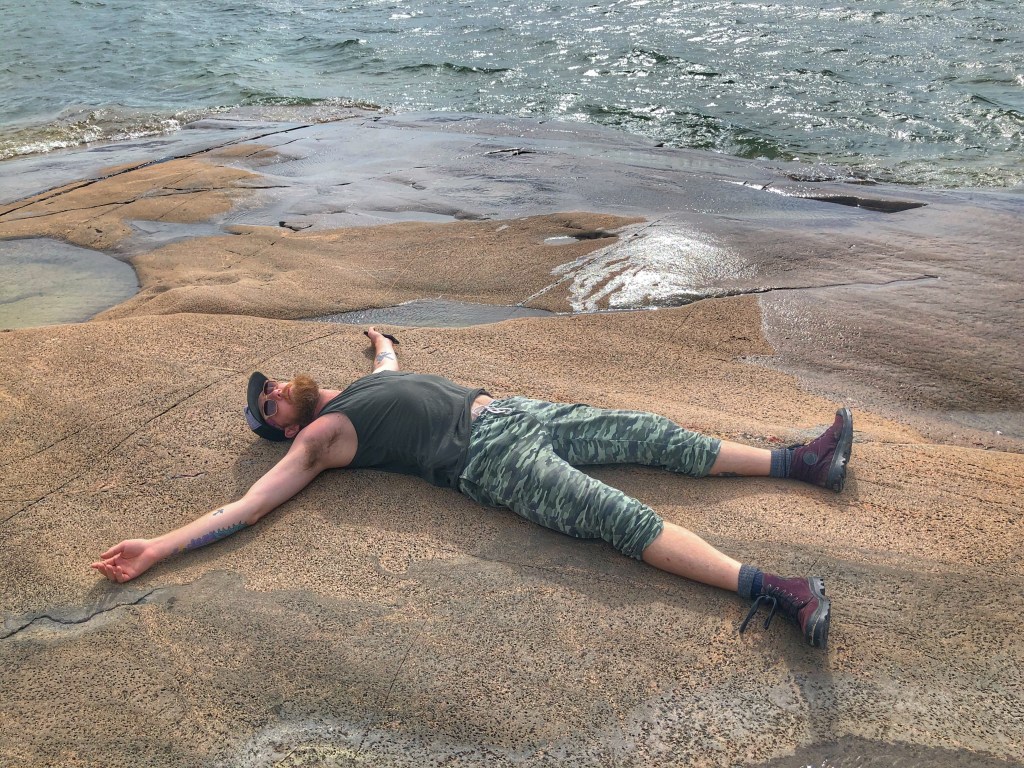
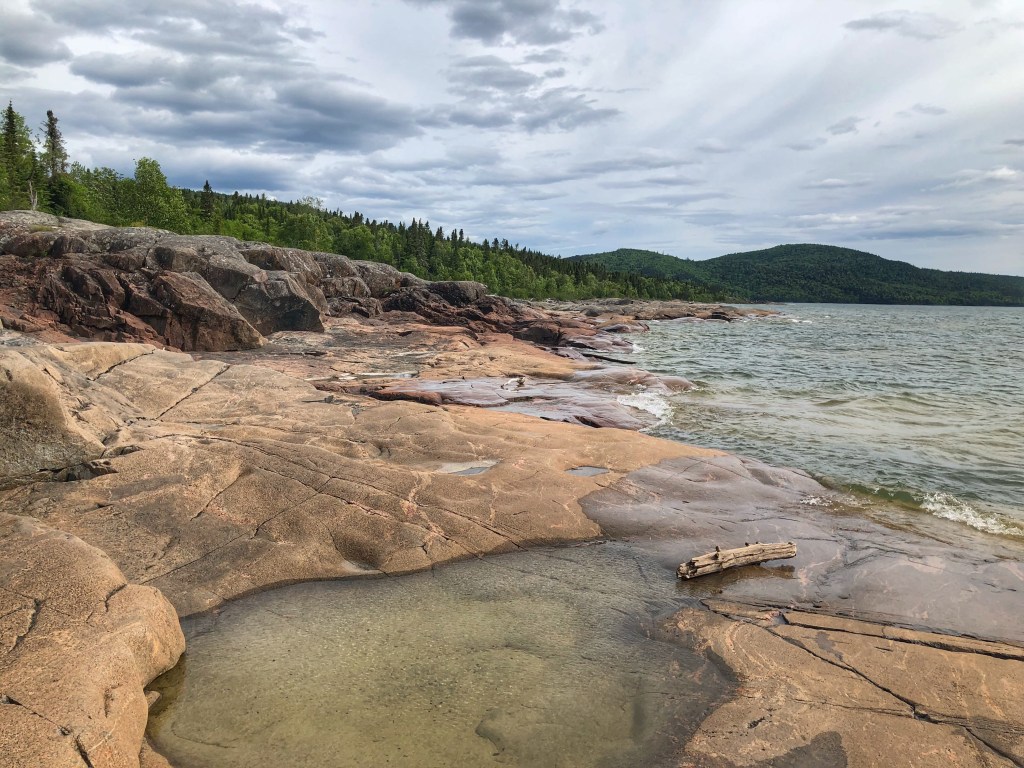
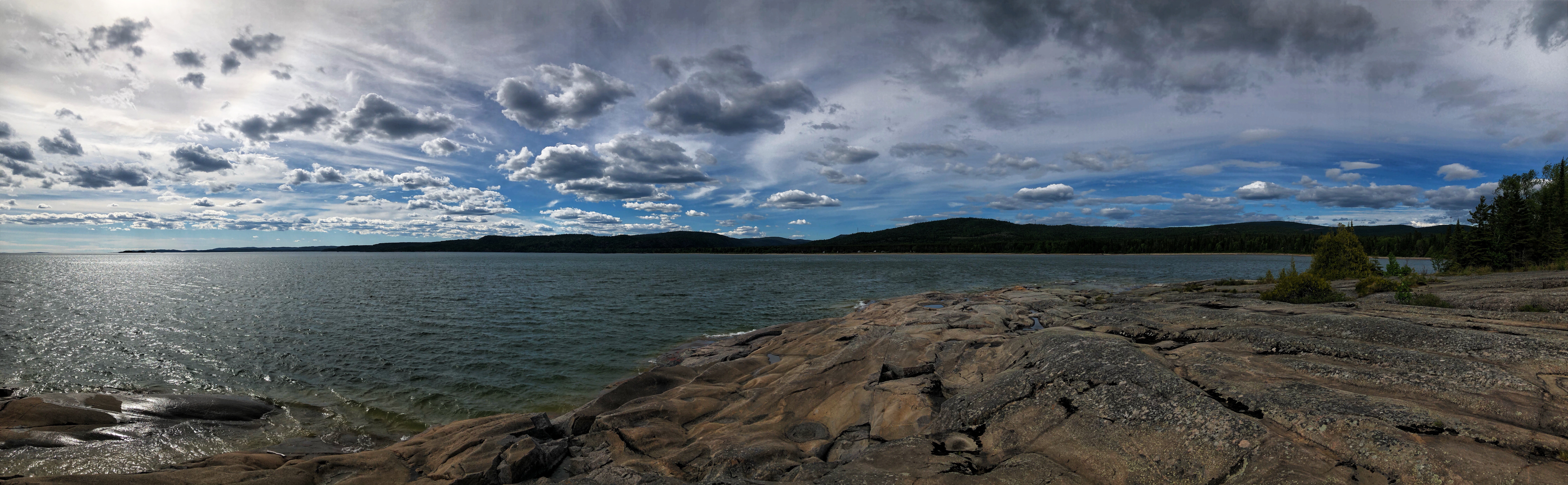
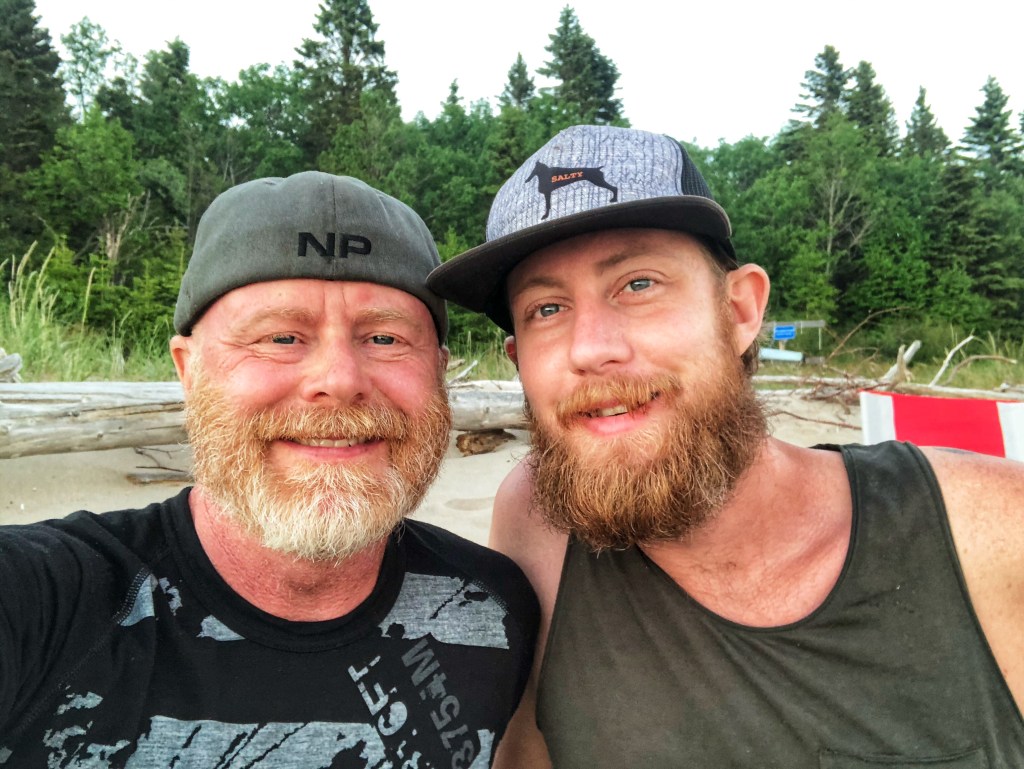
We stayed only one night at Neys so that we could spend as much time at Sleeping Giant Provincial Park as possible. The park is situated along the northwest shore of Superior, about an hour from Thunder Bay. The park’s name comes from the shape of the Sibley peninsula it occupies, resembling a giant laying on his back. My partner and I only got to scratch the surface of this park, which is known for its hiking.
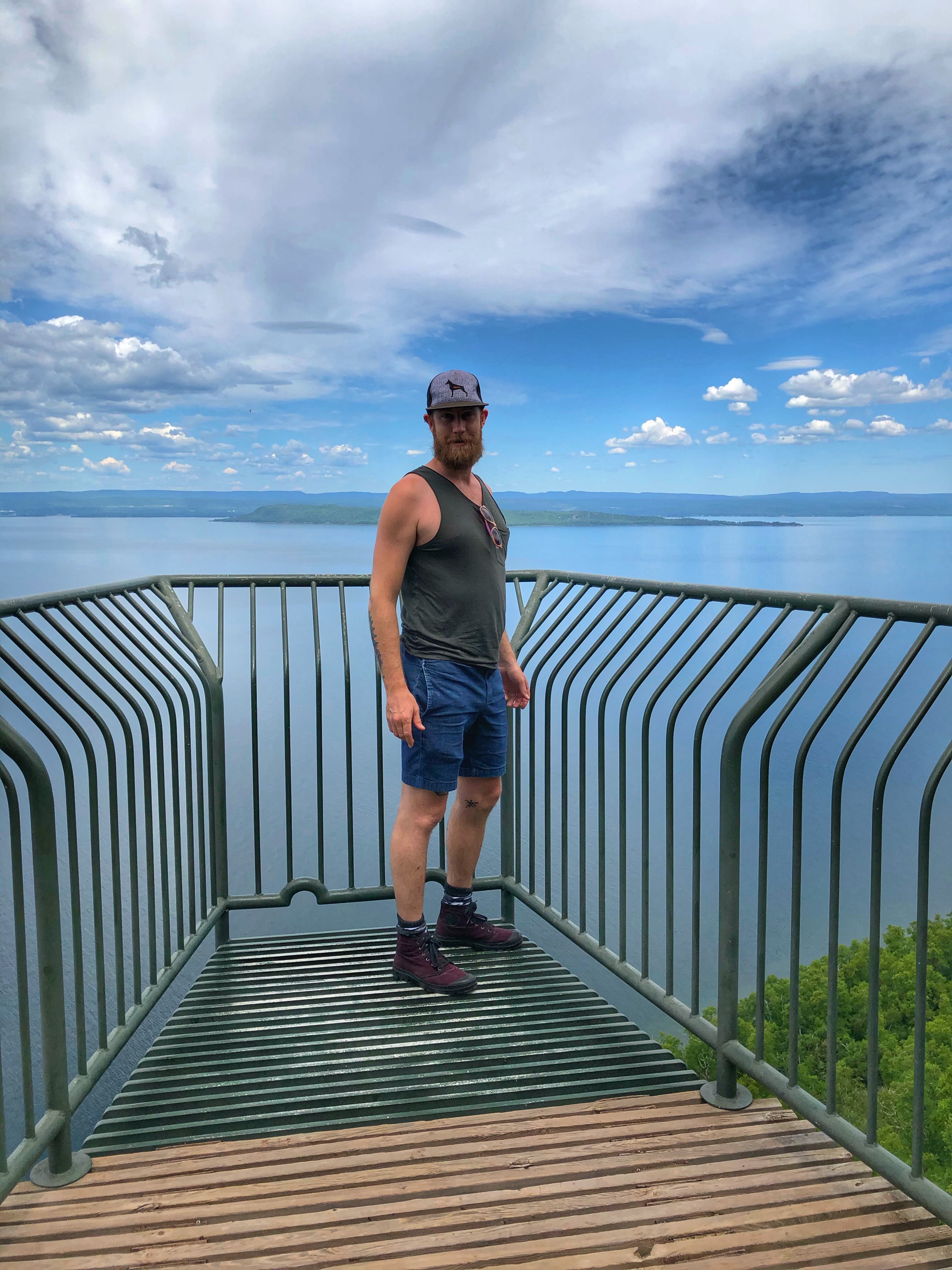
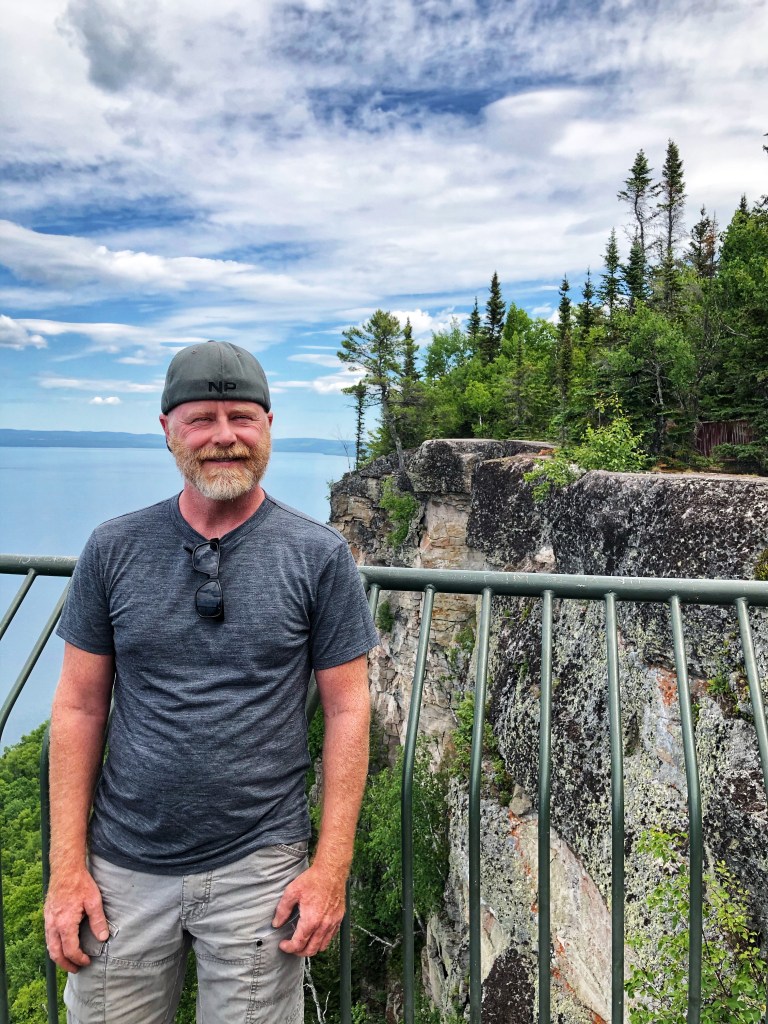
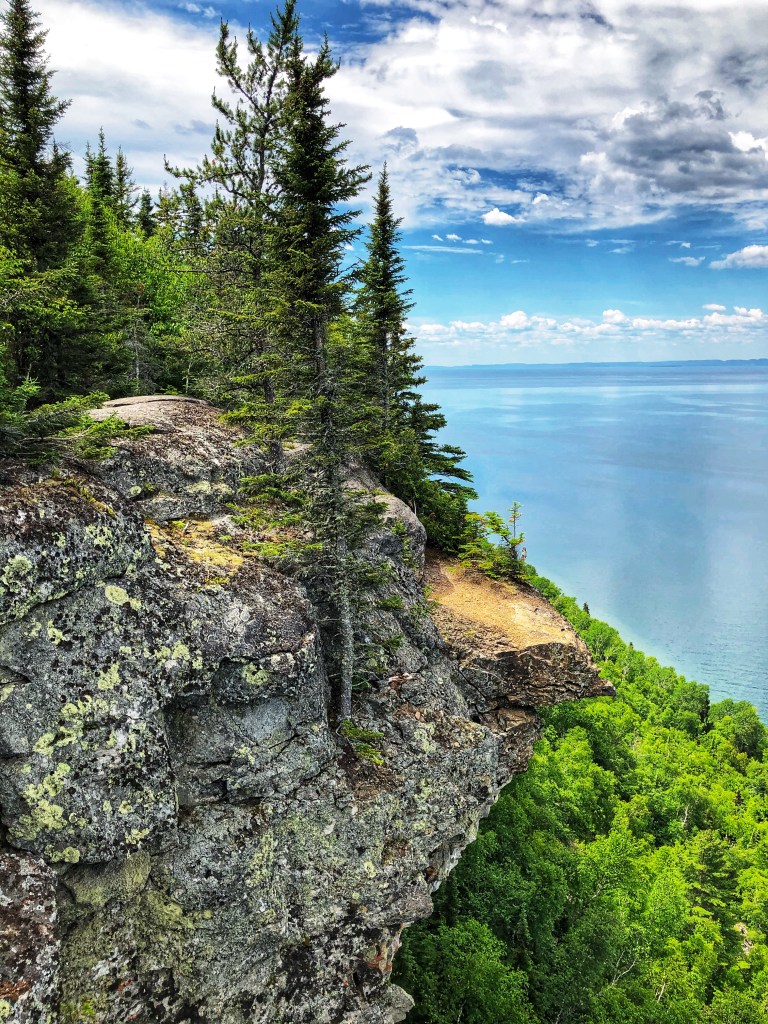

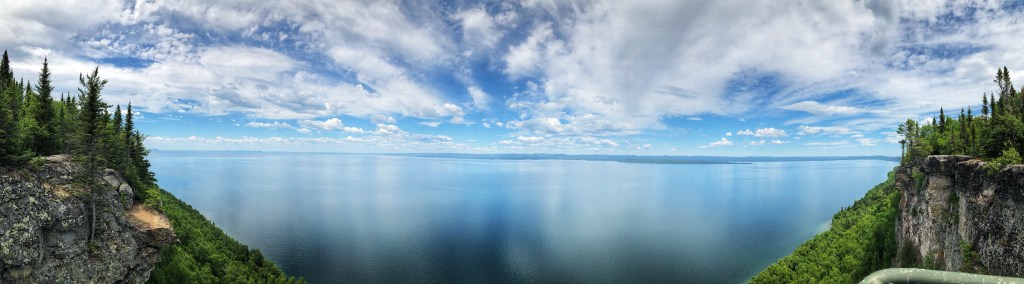
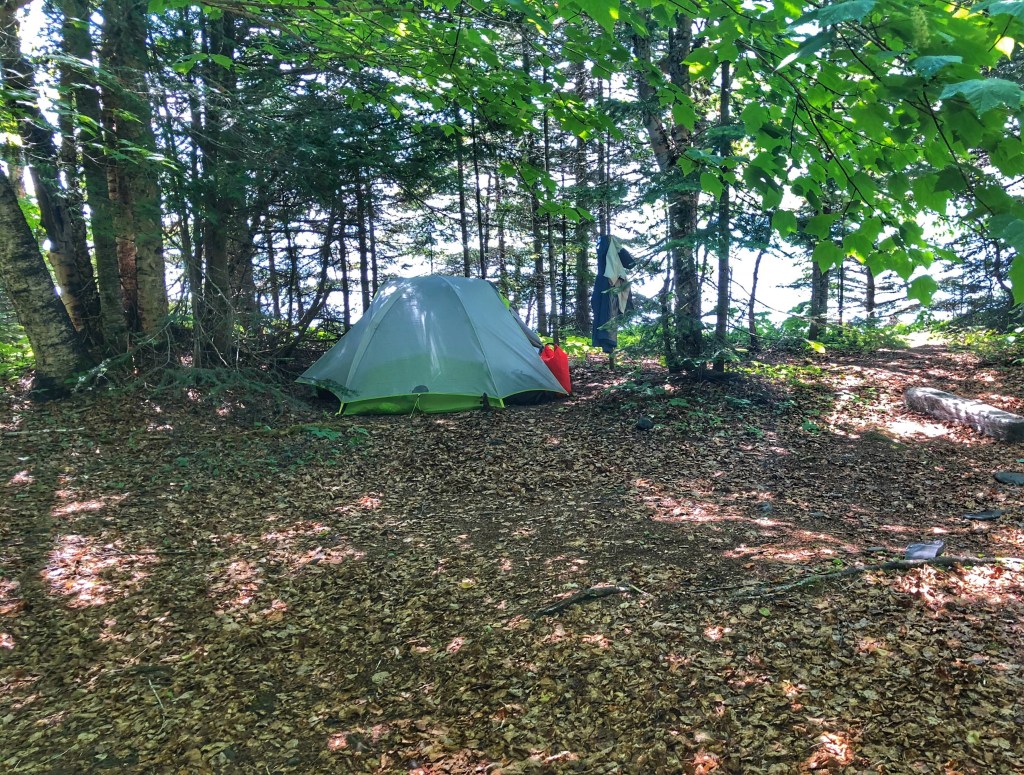
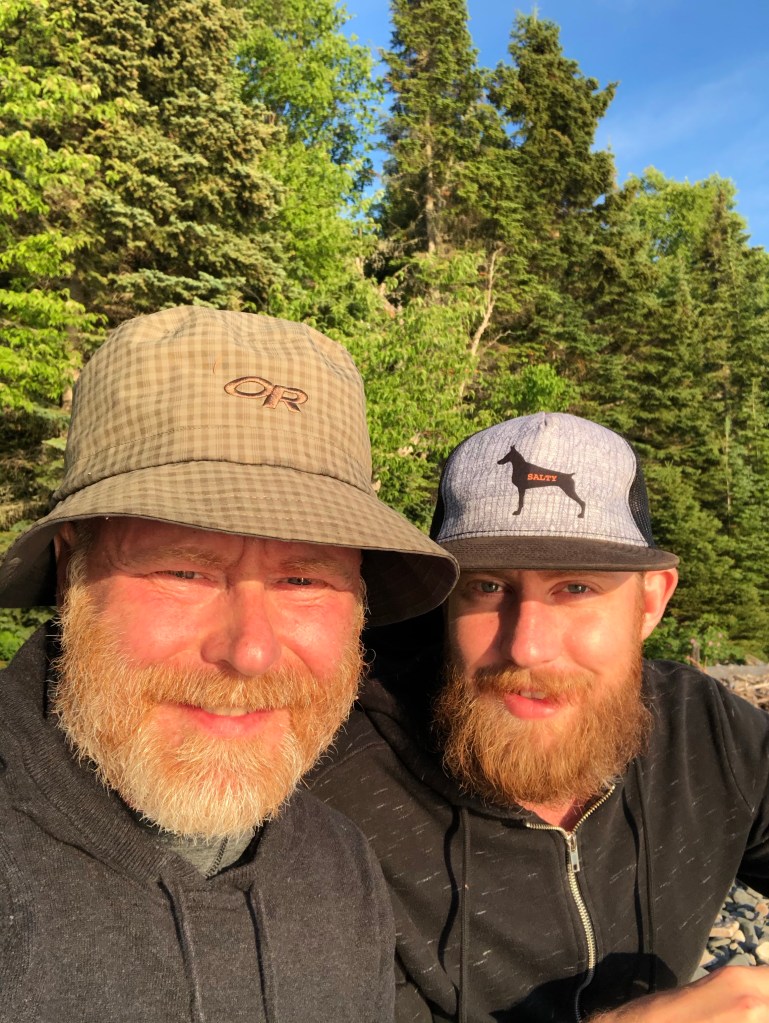
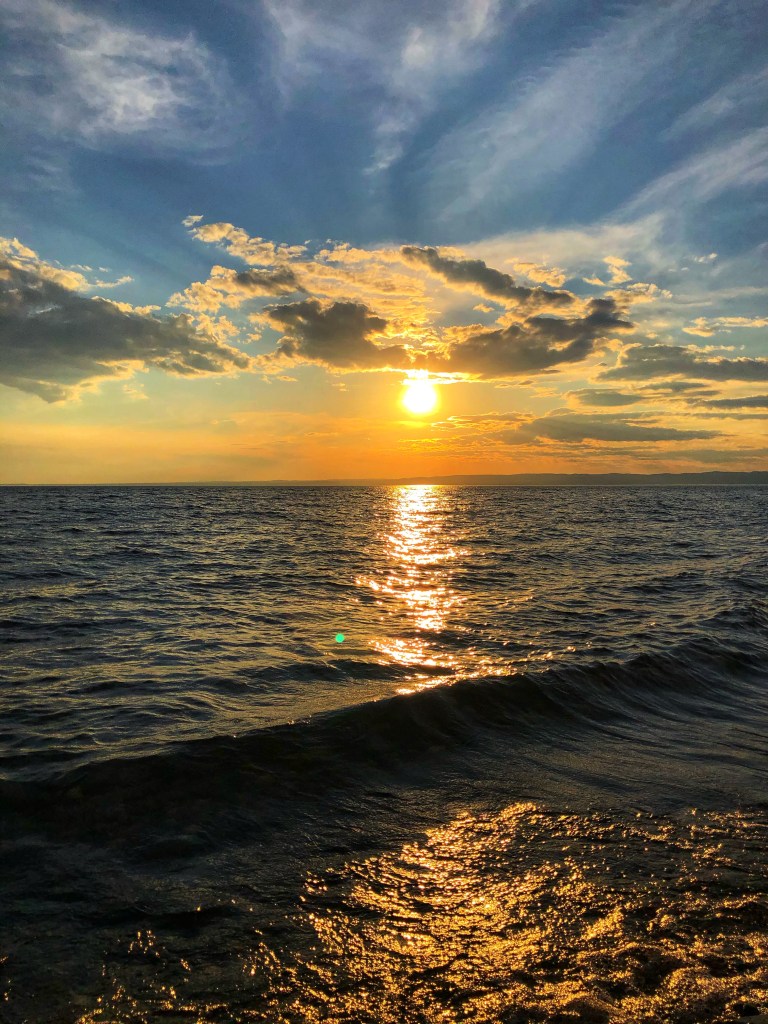
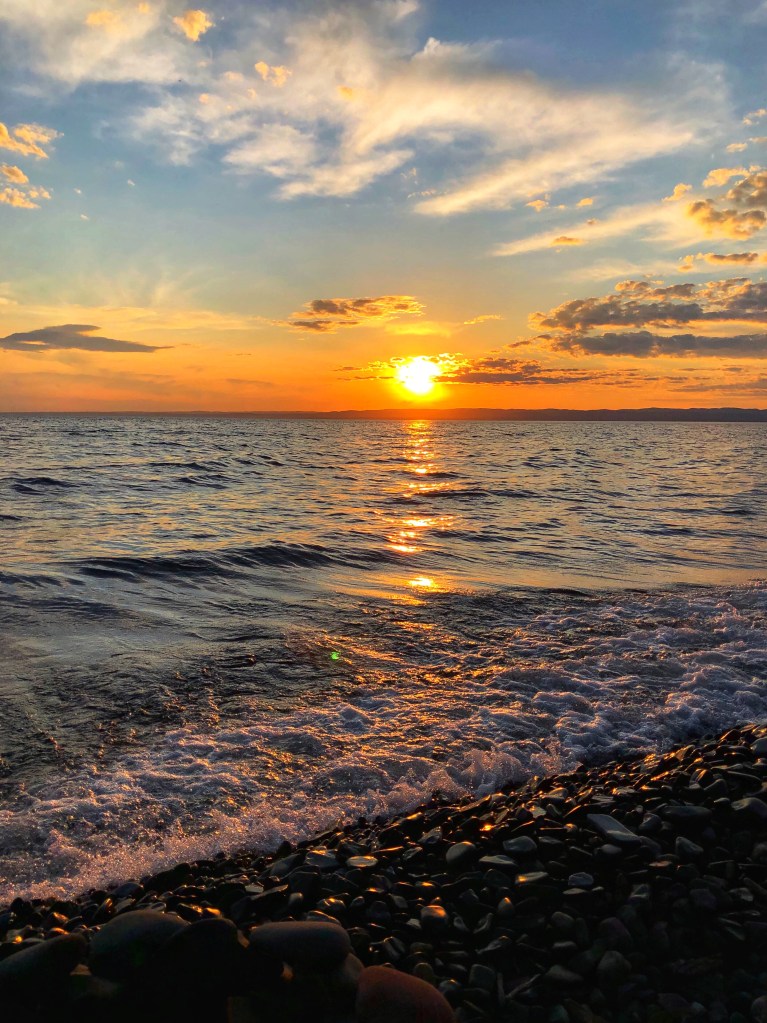
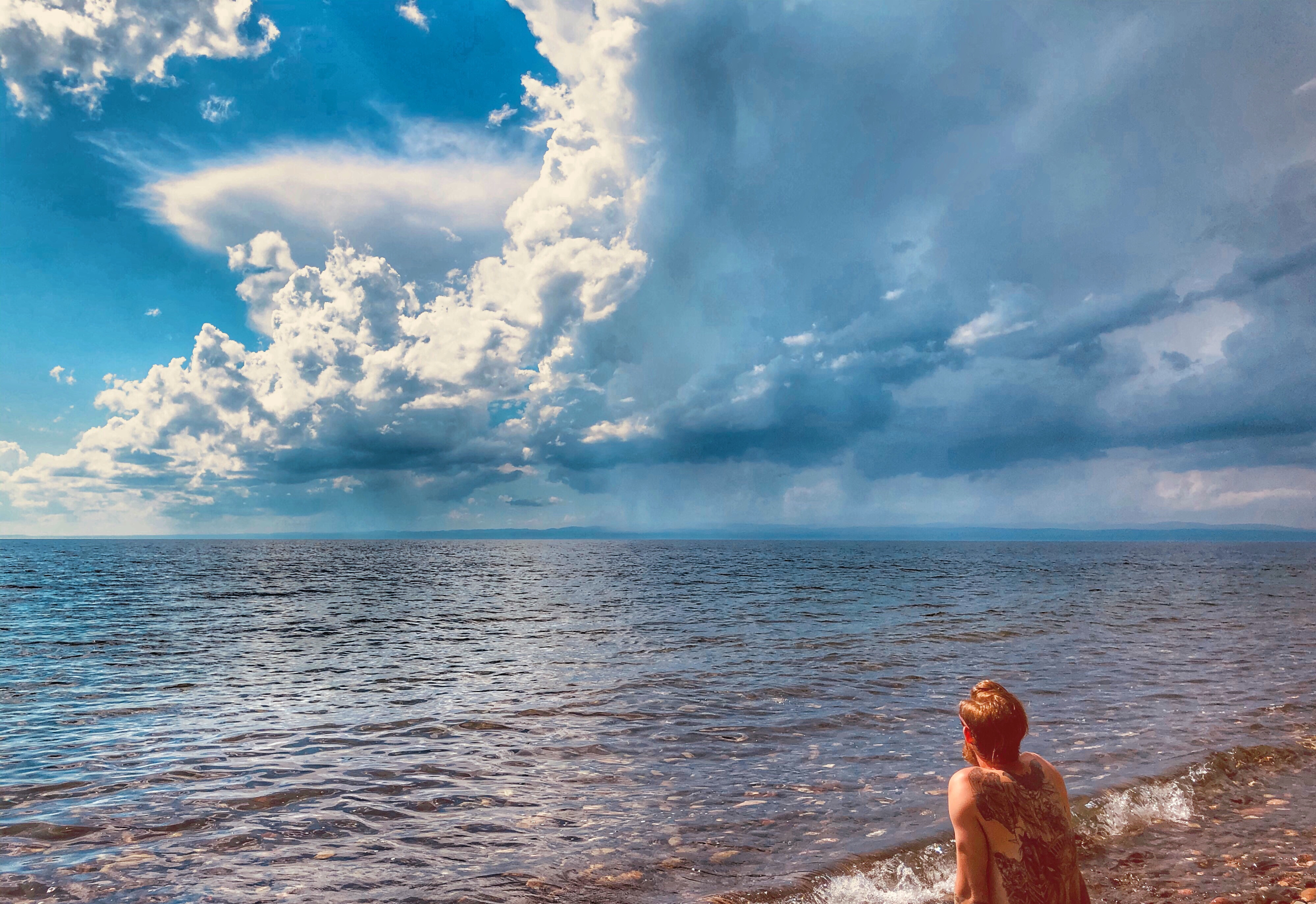
At Sleeping Giant, we decided to forego the car camping experience and instead hiked into a site at the junction of the Kabeyun and Twinpines trails on the western shore of the peninsula. We backpacked in about 7 km and were rewarded with a stunning pebble shoreline to ourselves. We would stay here two nights and never see another soul.
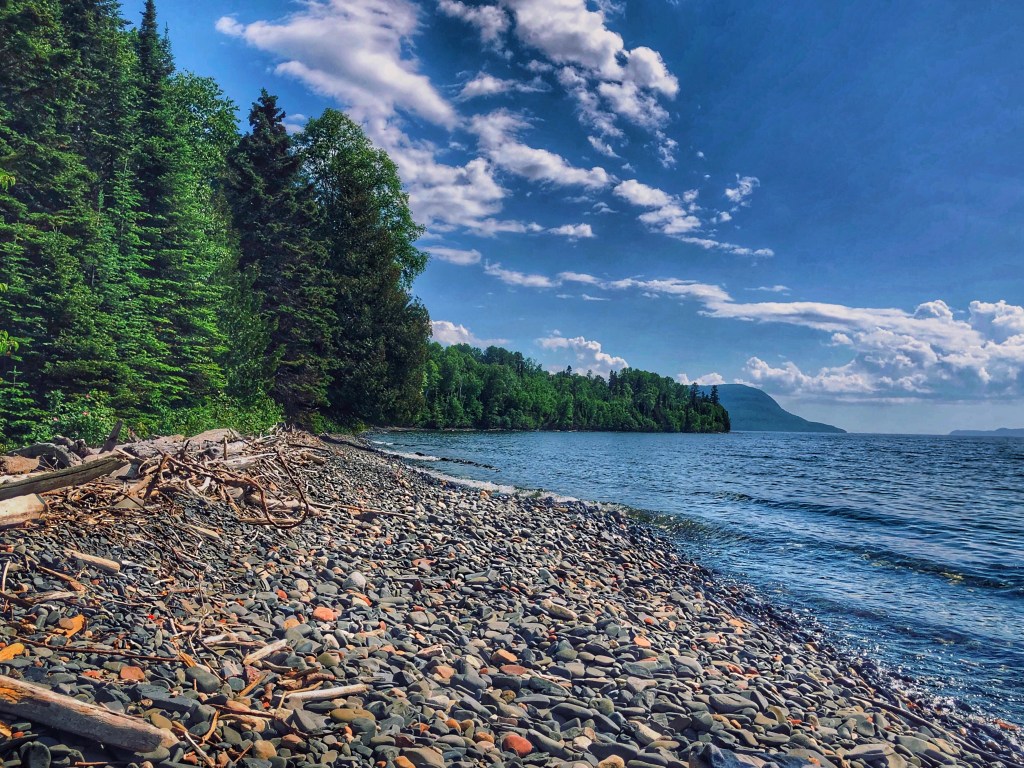

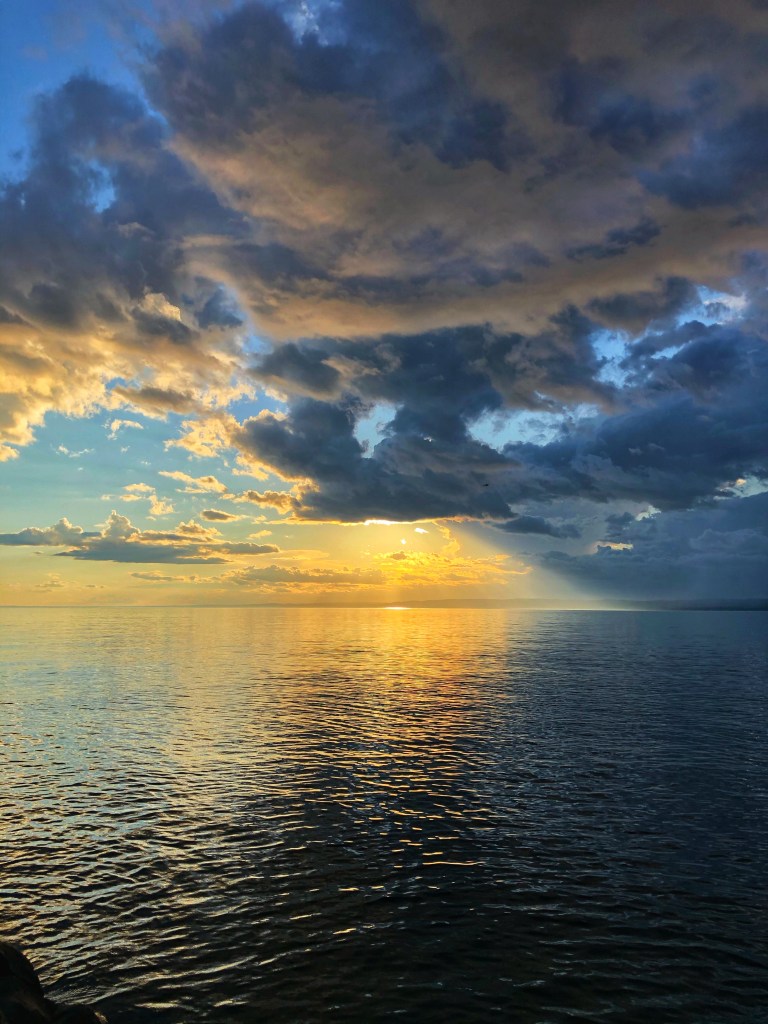

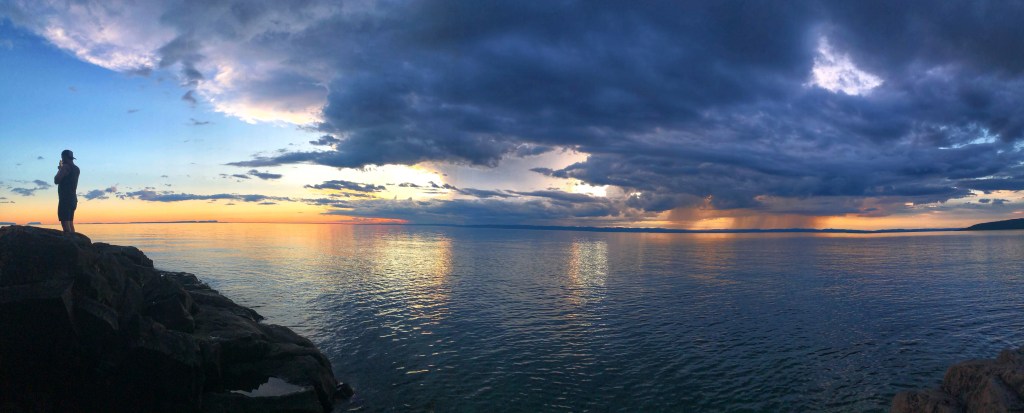
We were sad to leave our perfect place in Sleeping Giant two days later. Glimmers of paradise were soon replaced with clouds of voracious mosquitos as we hiked the 7 km out to the road. We drove out of the park back up to the truck stop on the Trans Canada and treated ourselves to a greasy breakfast.
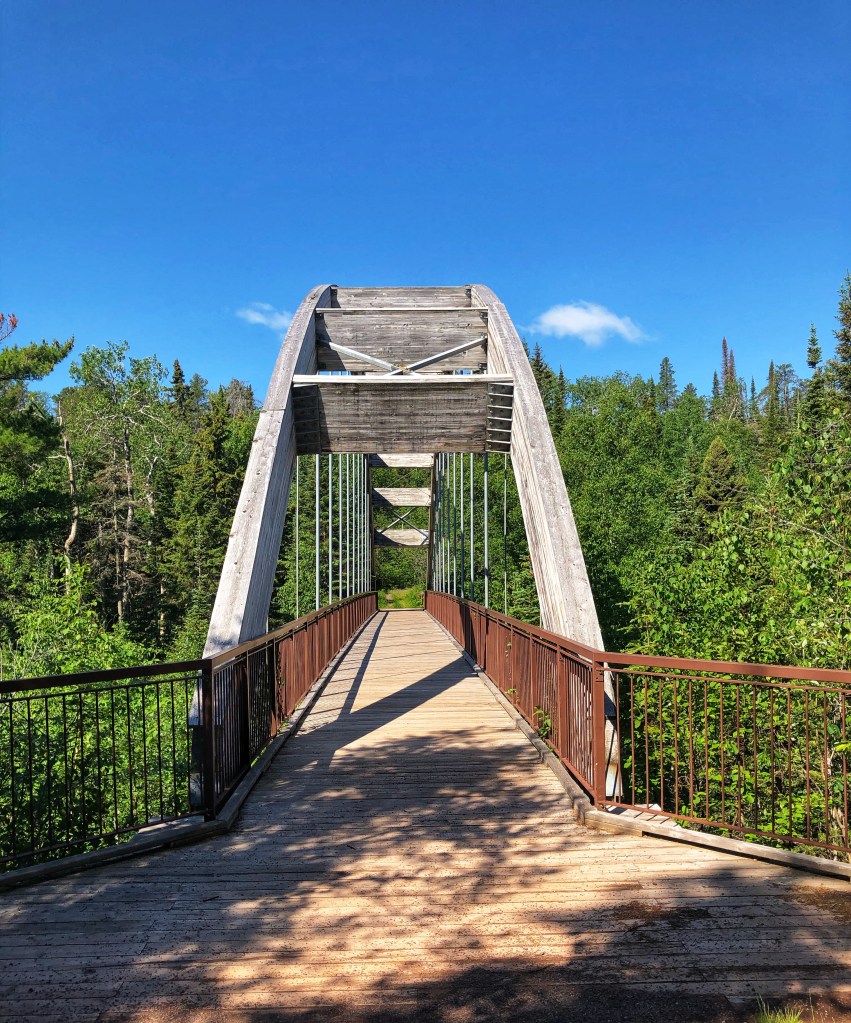
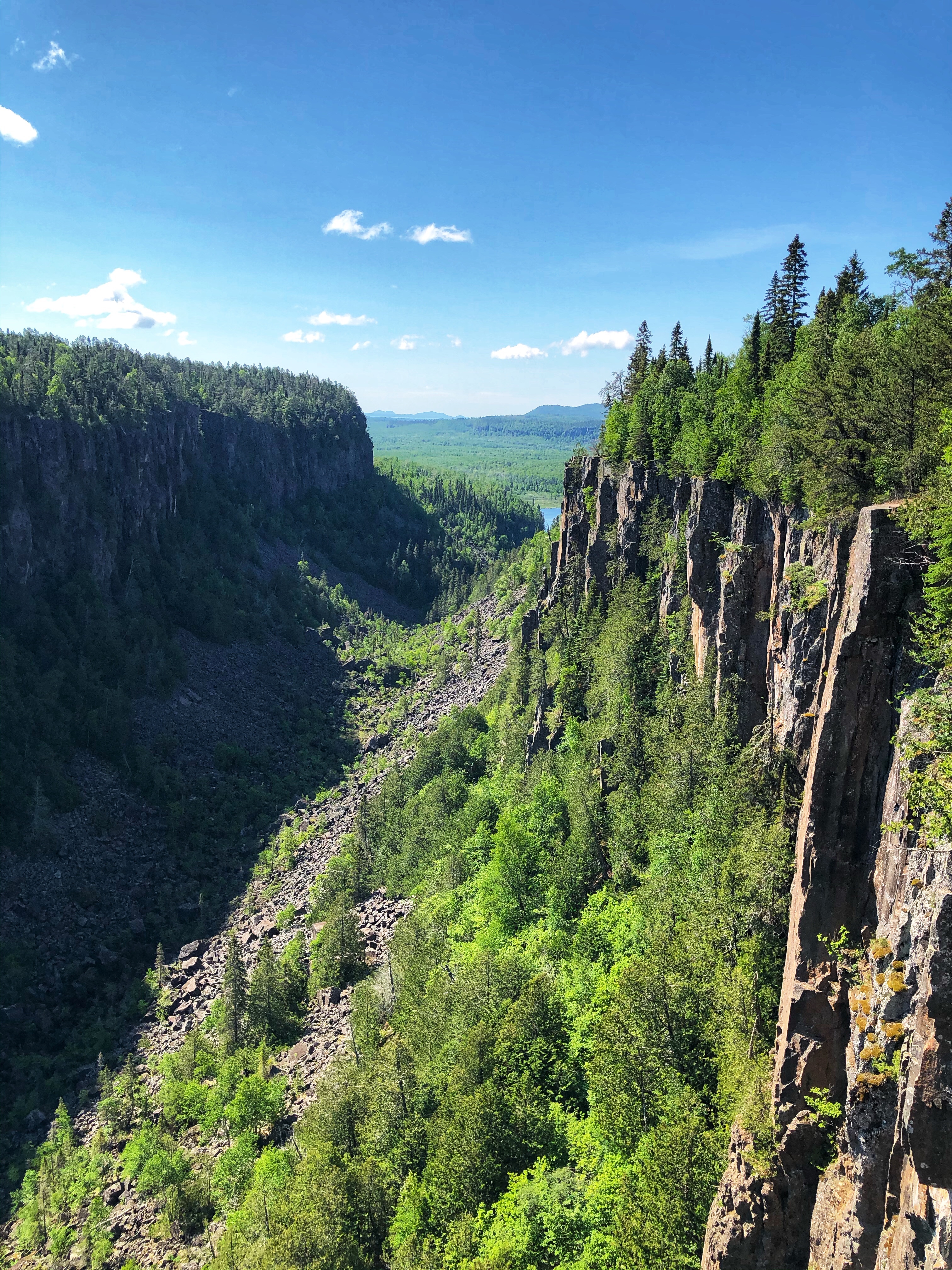
We got back in the car and stopped by another childhood memory, Ouimet Canyon. The geological origins of this canyon are somewhat disputed, but it’s a cool thing to look at in rock and tree country.

 k
k
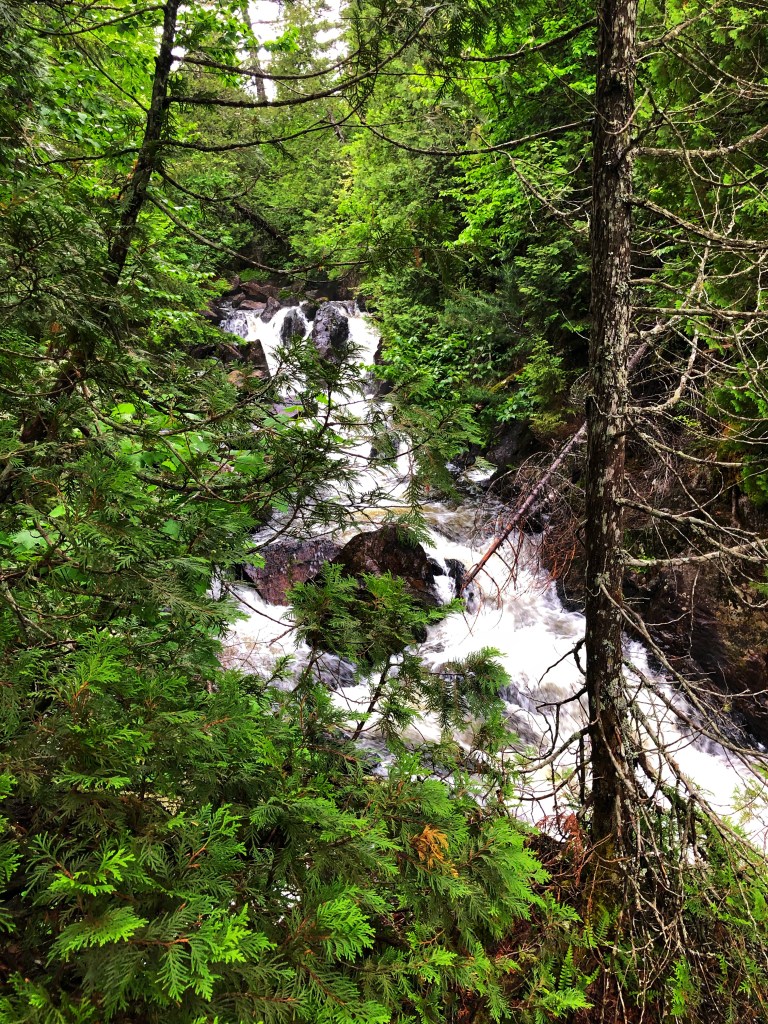
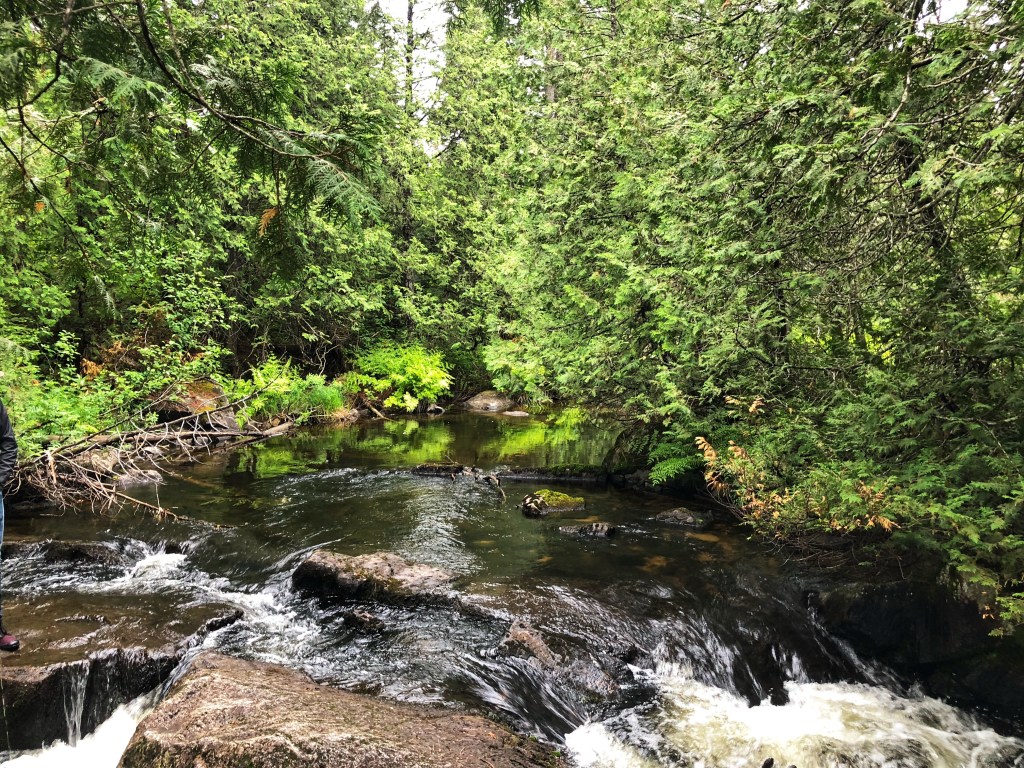
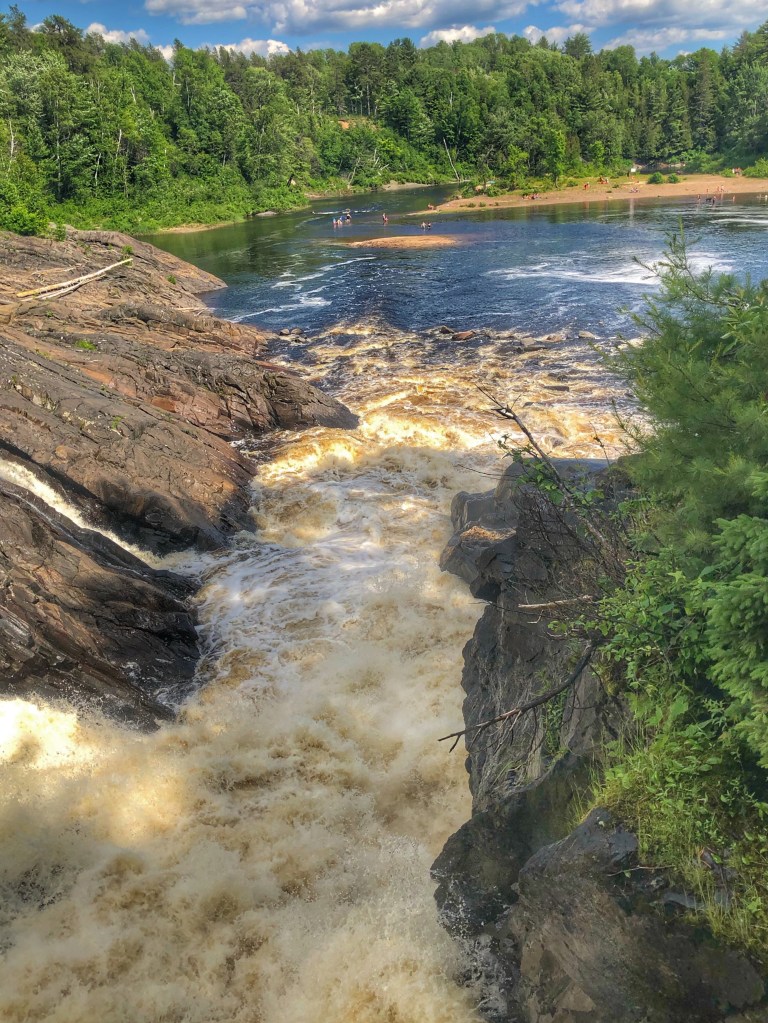
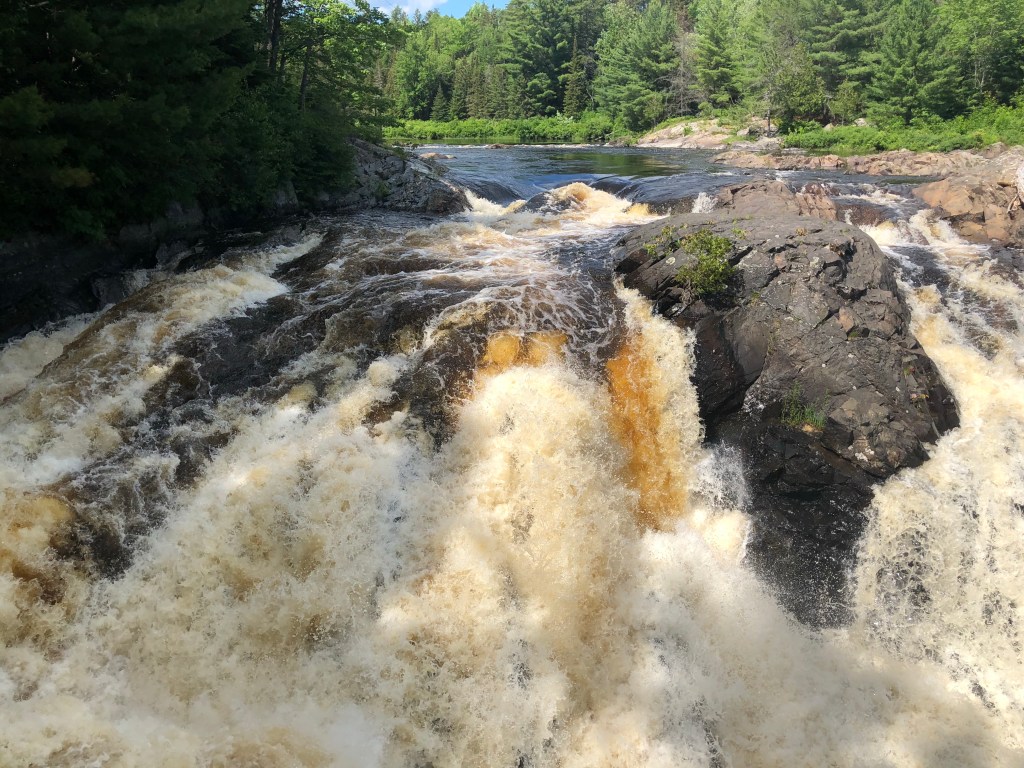
We couldn’t linger long at the canyon as we had a long trip ahead of us, heading back east almost to Sudbury. Our next stop would be Chutes Provincial Park on the edge of the town of Massey. The park’s main attractions are the waterfall and beach.


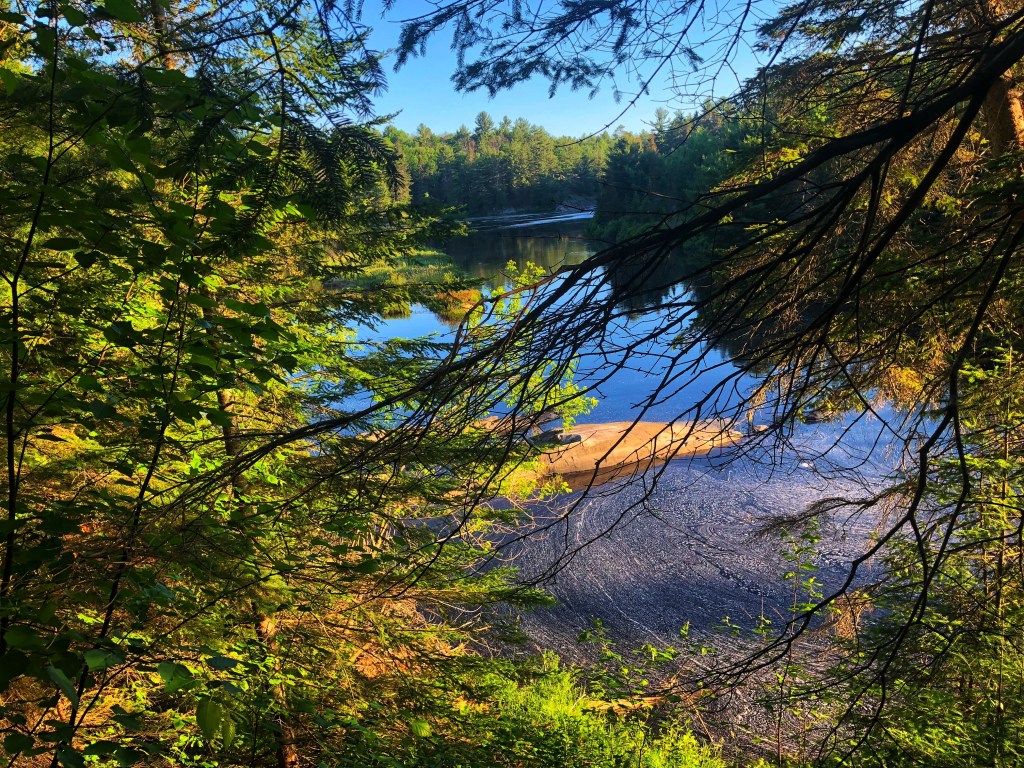
Our last night in the north would be spent at Killbear Provincial Park. If you want to experience the best of this park, I would not recommend car camping. It was a bit a of a surprise after spending over a week in lightly populated parks to find ourselves in a campground that felt like a subdivision of tightly packed campsites that were mostly occupied. Still the scenery was beautiful.
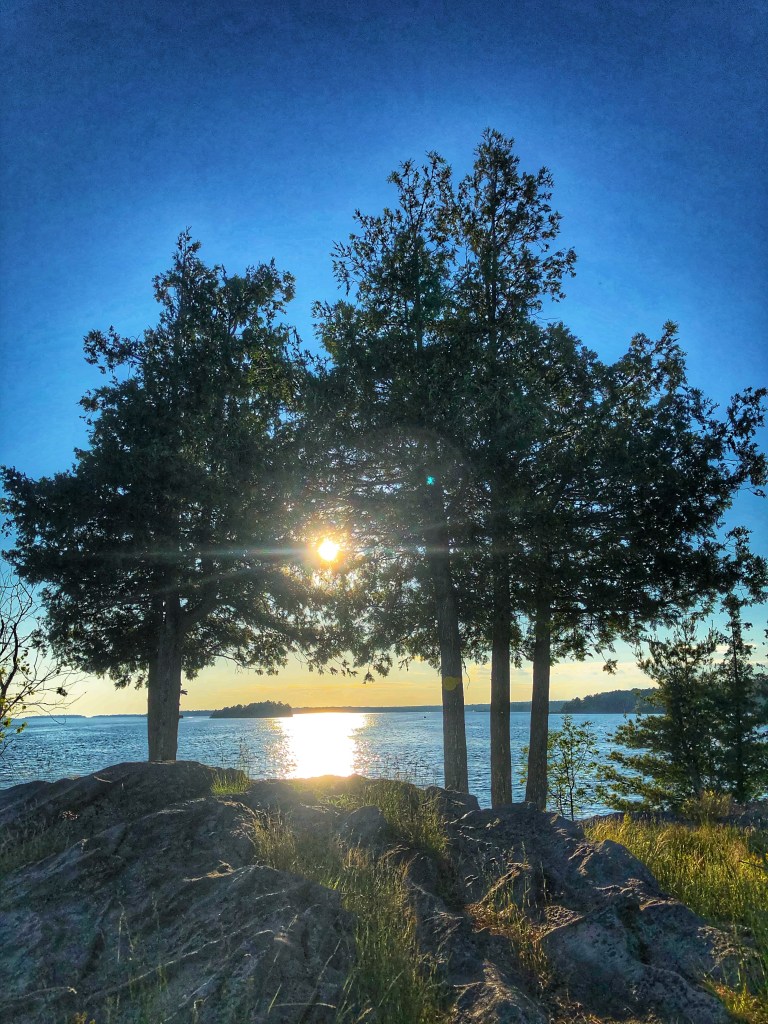


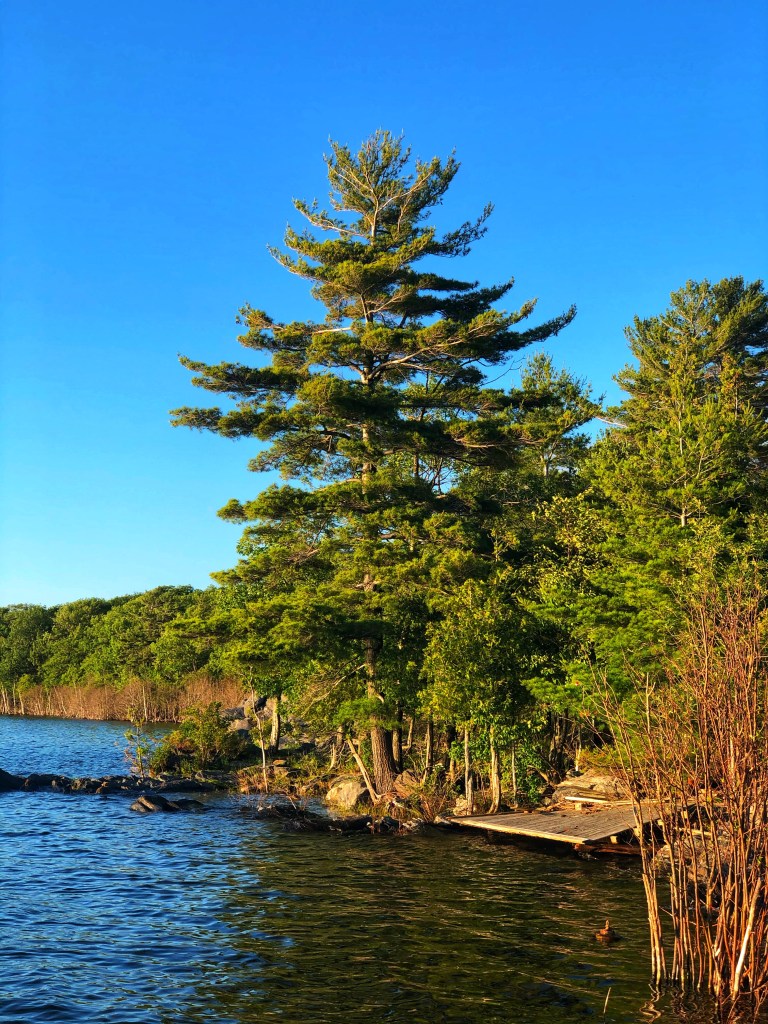
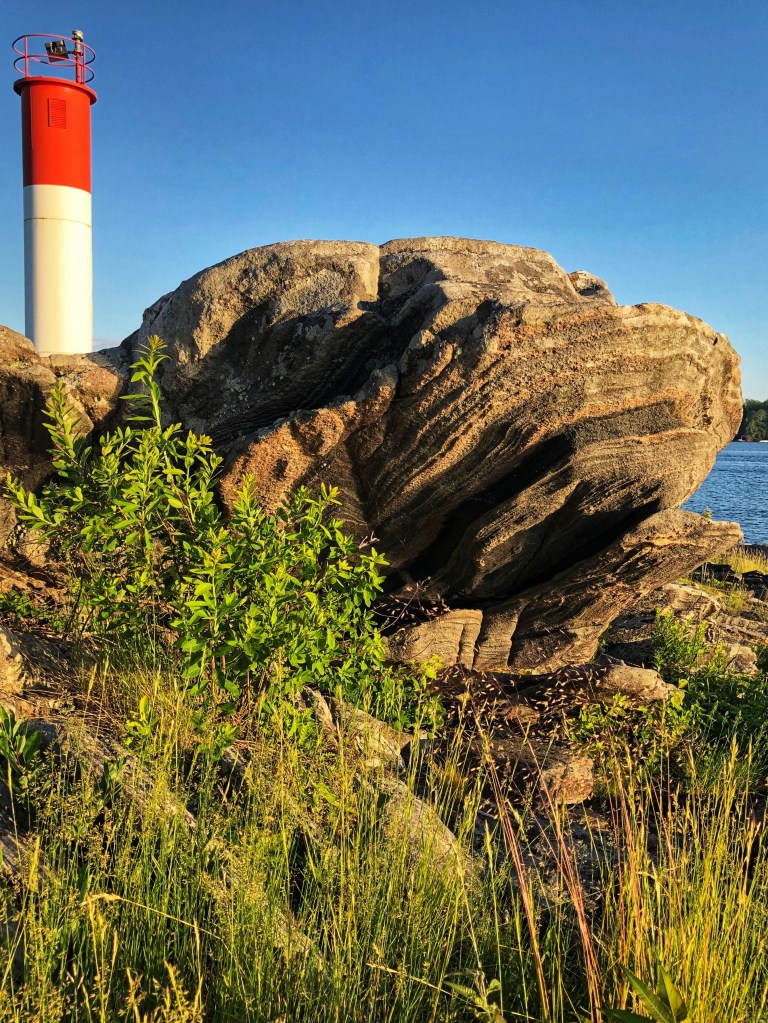
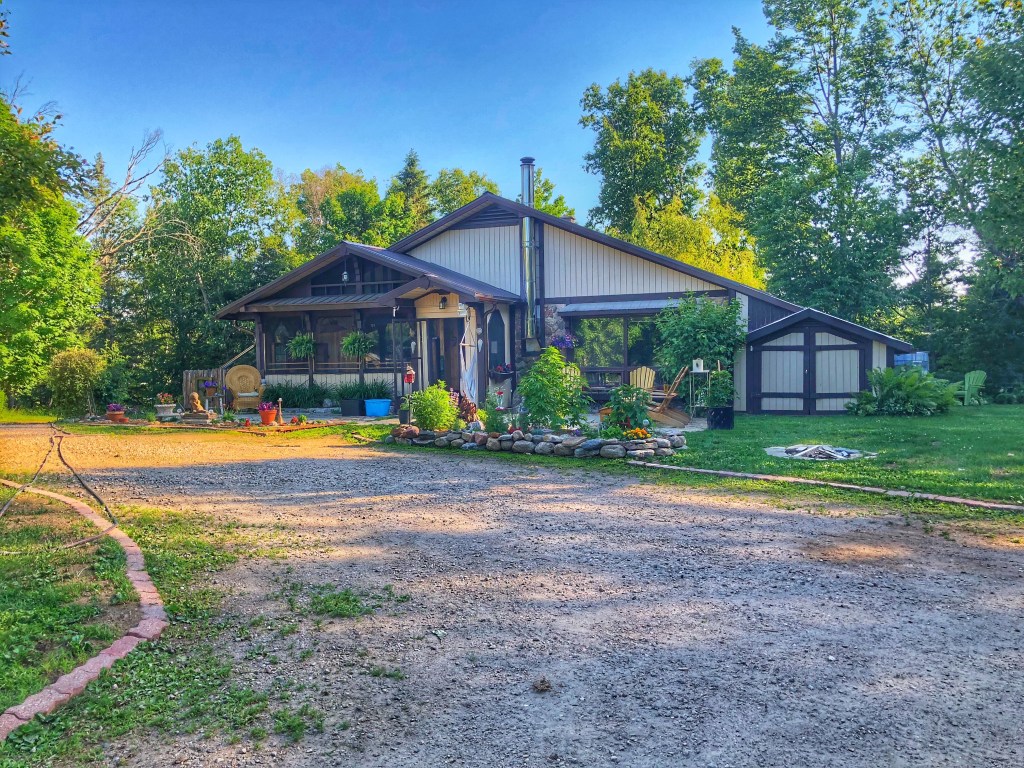
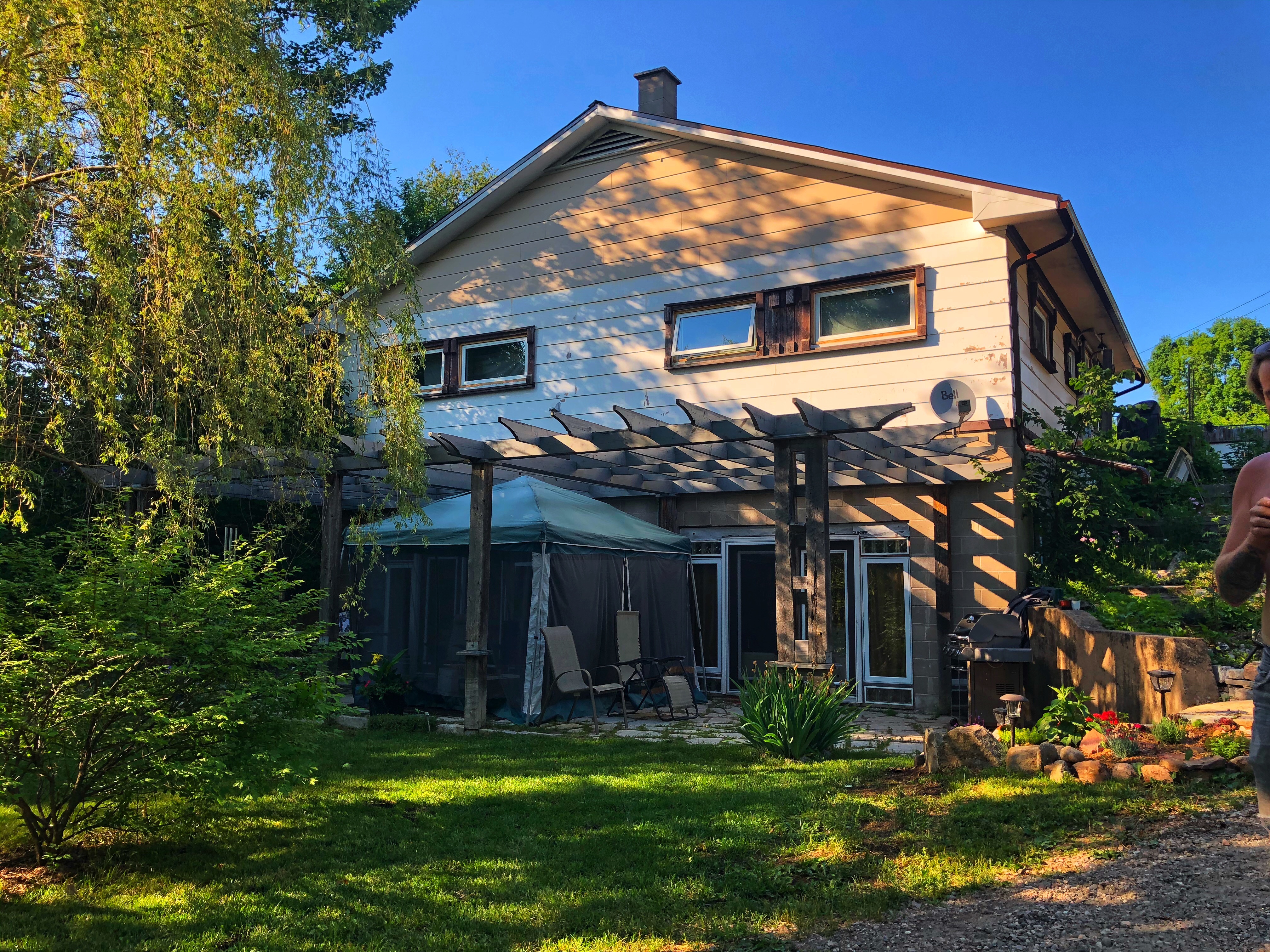
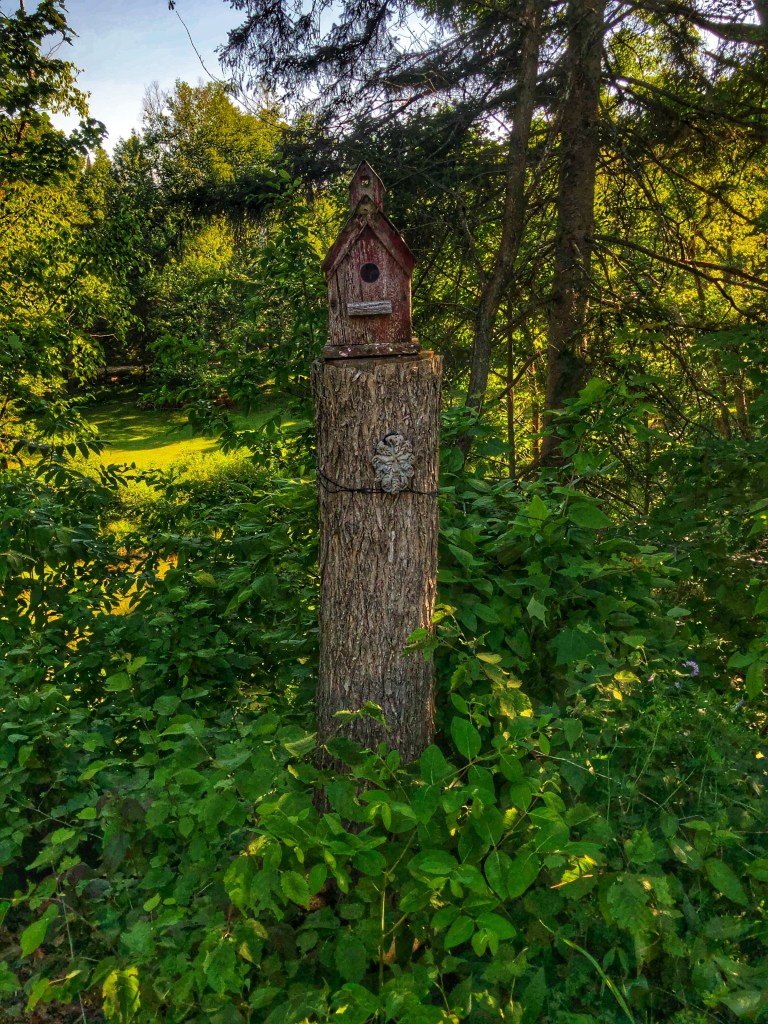
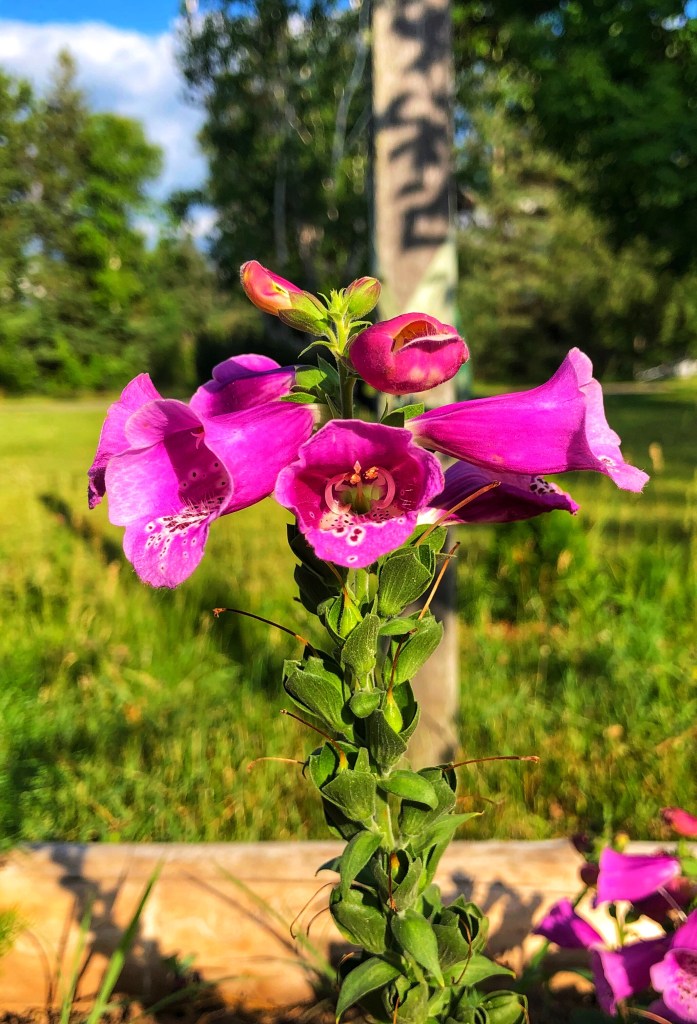
Our next stop was Bancroft, where we would visit with my partner’s friend. She owns this lovely house on the edge of town and on the shore of the York River. Her gardens were beautiful with some quirky and fun decor.

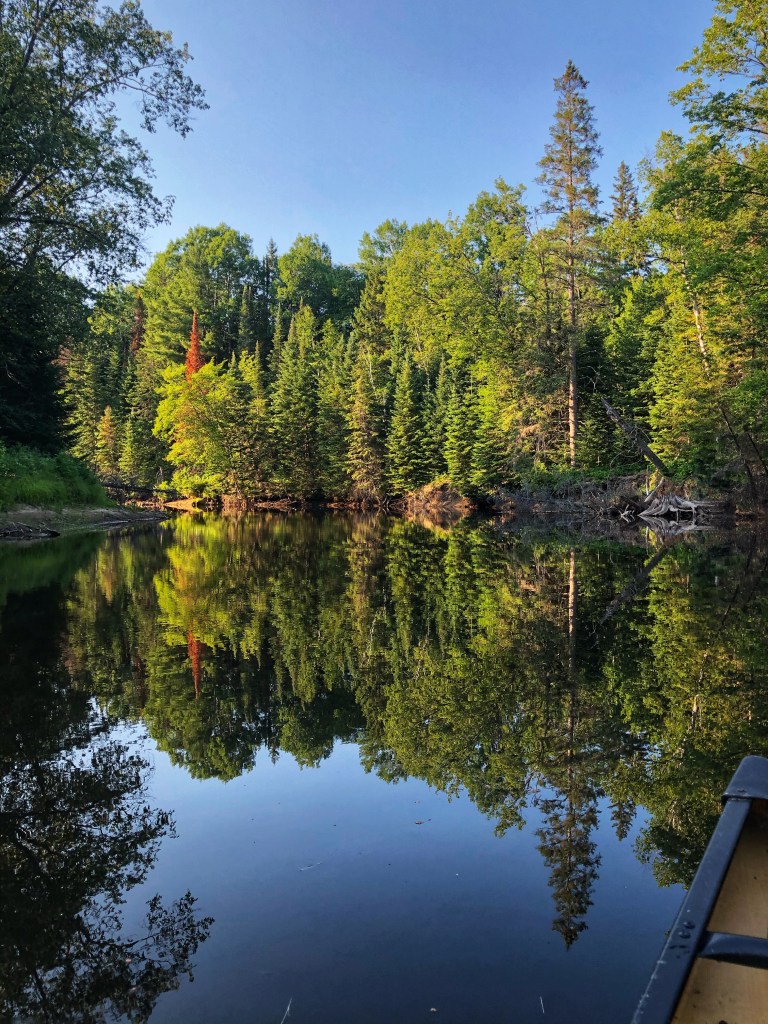
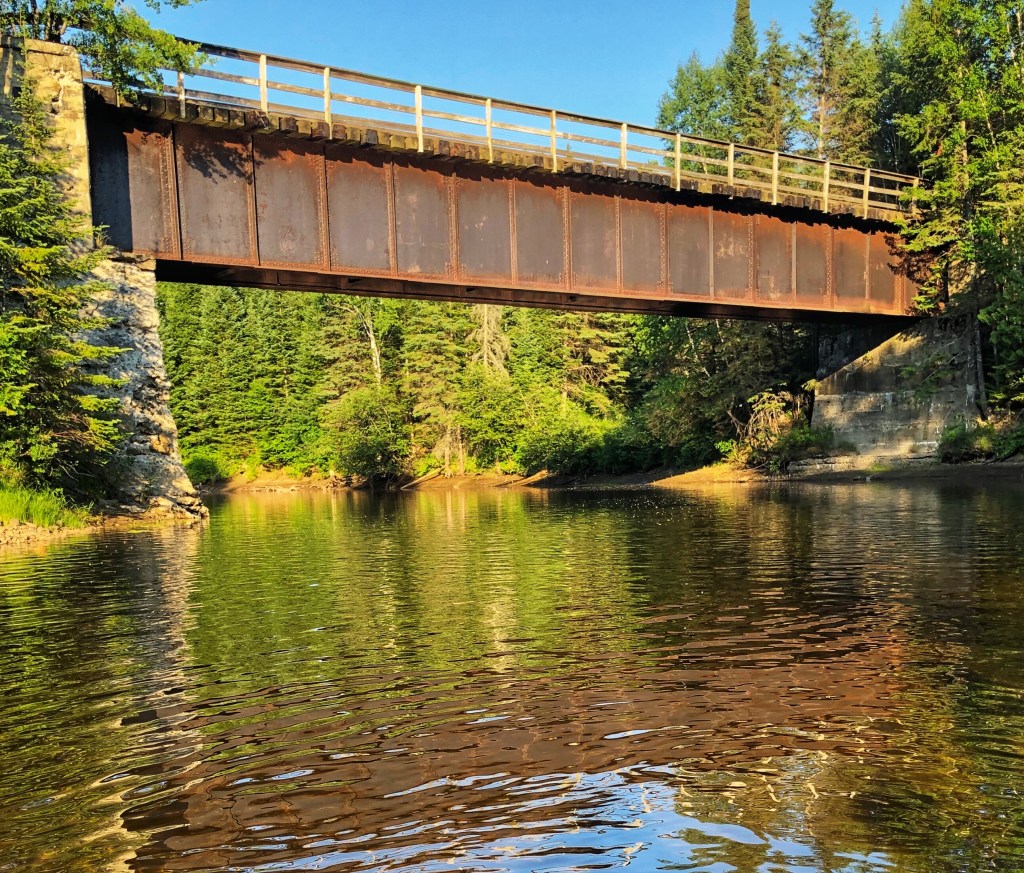
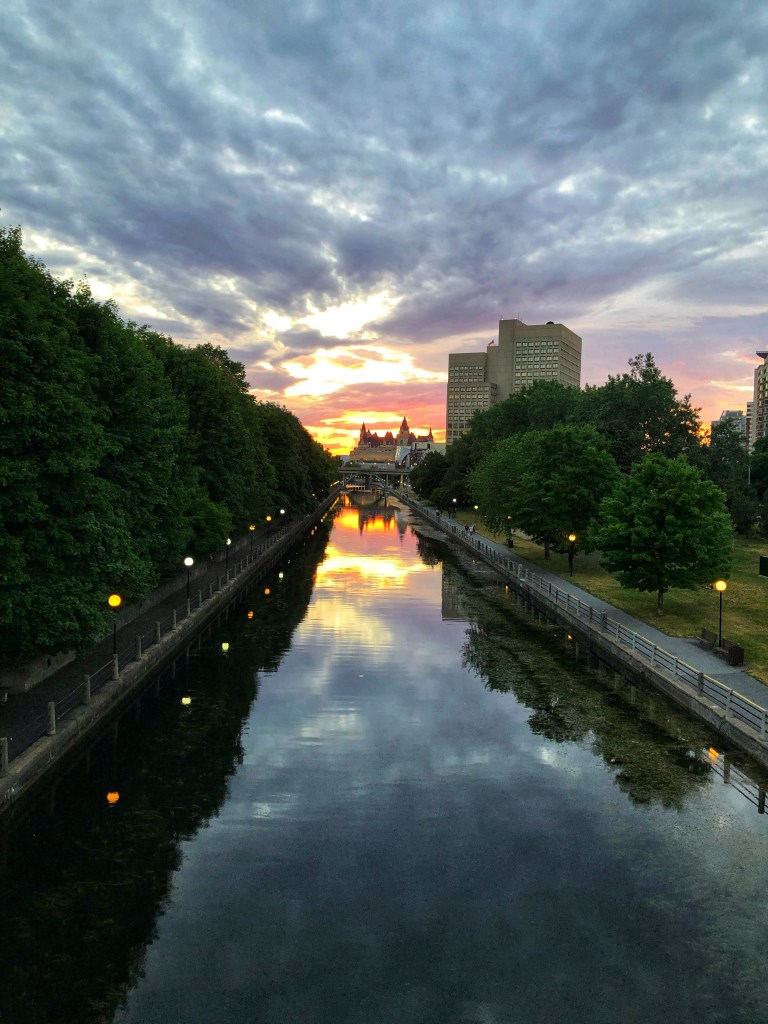
Our final stop on our two-week journey was Ottawa, where we got to catch up with a few of my friends.
 sedativegunk