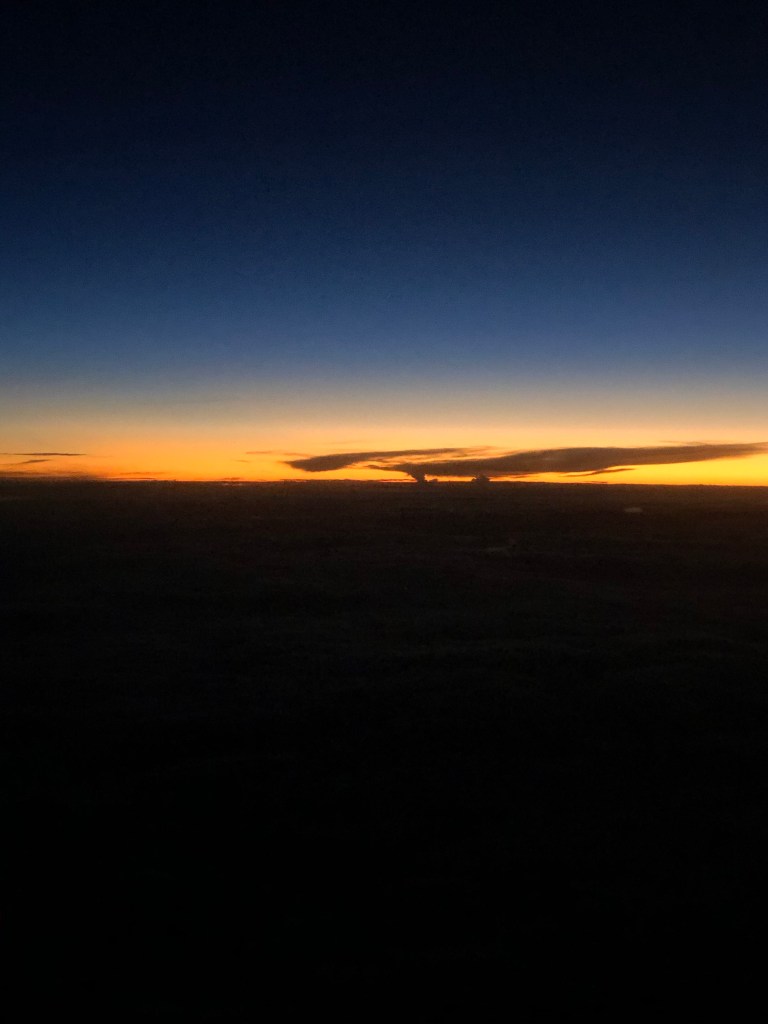
On Wednesday, February 12, I left behind Toronto’s wintery landscape for the hot and humid South American country, Paraguay. Much of the second leg of the trip had us flying due south over the Pacific, giving the lucky passengers on the starboard side of the aircraft a stunning view of the sunnsetting over the endless ocean.

I arrived in Asuncion, the capital, a little after midnight. Knowing that I’d be spending a week there, I left town the next day on a bus for Encarnacion, Paraguay’s southern city. Encarnacion is known for its nearby Jesuit ruins and for it Carnaval festival, however small in comparison to Rio’s in neighbouring Brazil.
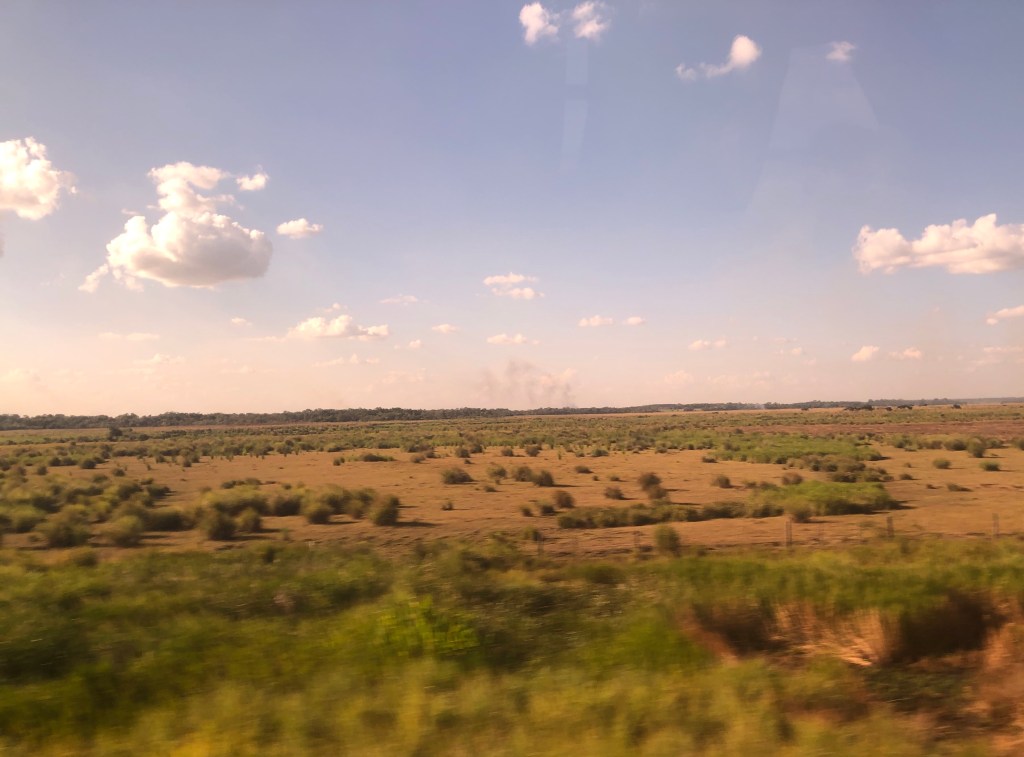
The countryside is mostly flat and green, though the long, hot summers here seem to be drying things out a bit. The landscape consists of farmland and, in particular, cattle ranches.
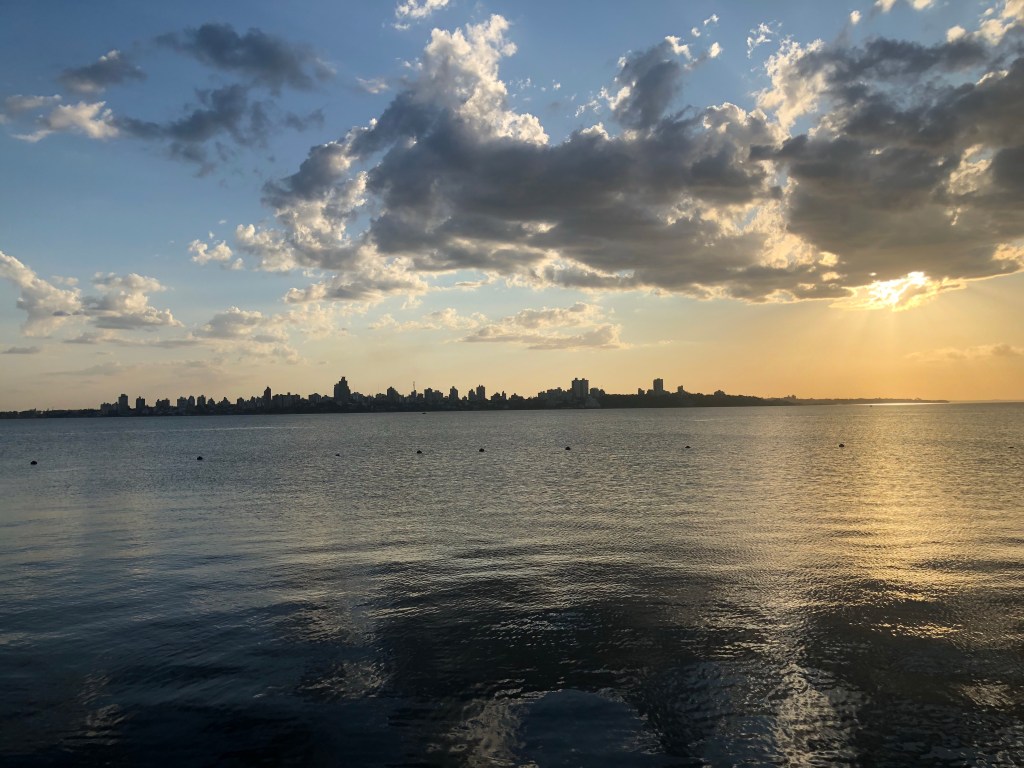
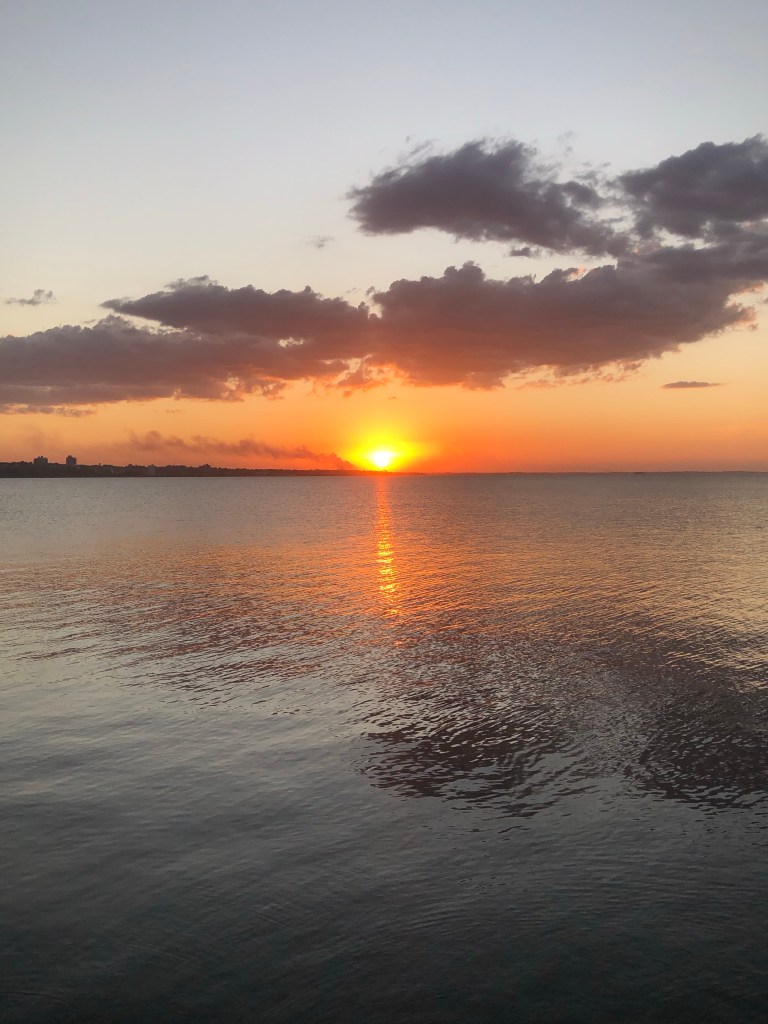
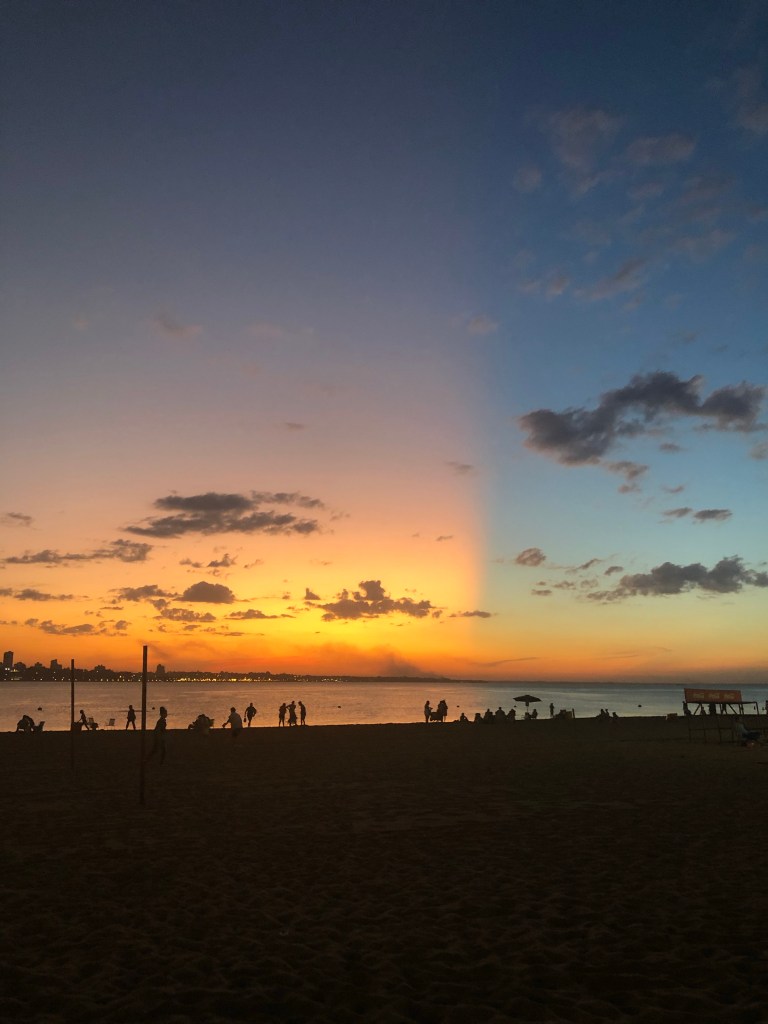
Encarnacion lies on the northern bank of the Paraná River, a river of significant importance to the continent historically and today. This broad river – the width of the St. Lawrence in places – allowed Europeans to penetrate deep into the continent centuries ago to mine for silver and such. Far upstream are the massive Iguazu Falls (on the adjoining Iguazu River) and, beyond that, the Itaipu Dam, the second largest dam in the world, which provides electricity to millions of people in Brazil, Argentina and Paraguay. The Paraná also forms the boundary between Paraguay and Argentina.
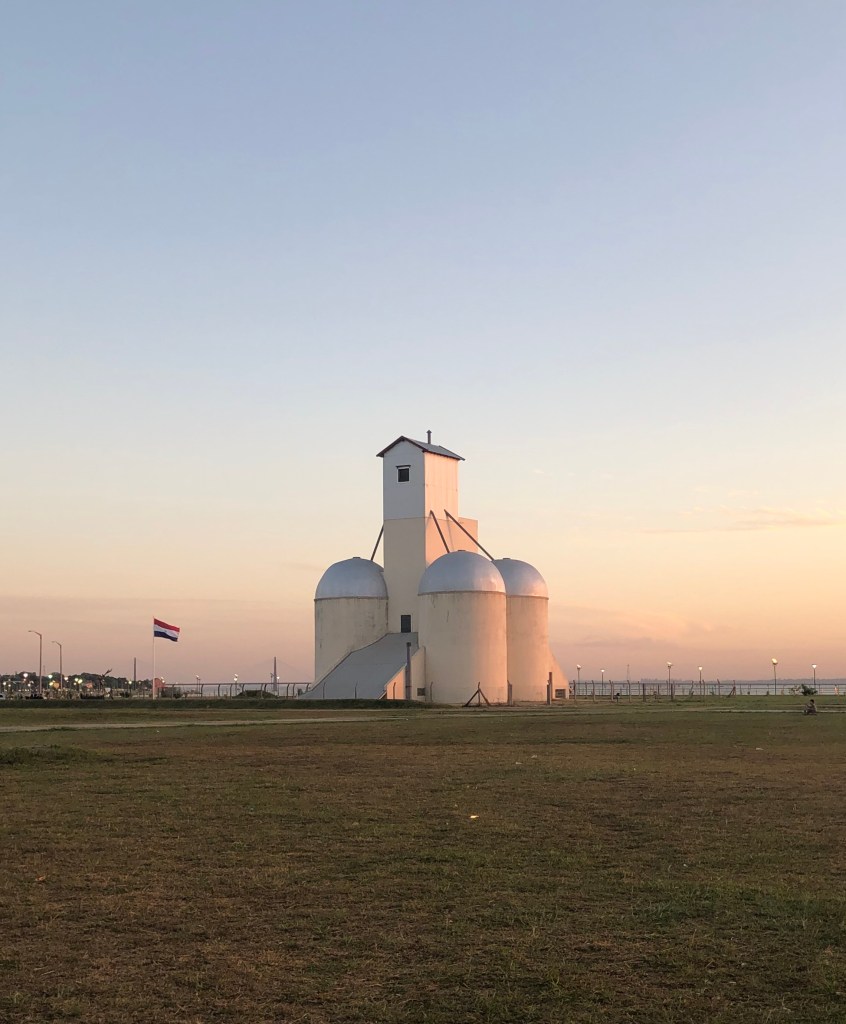
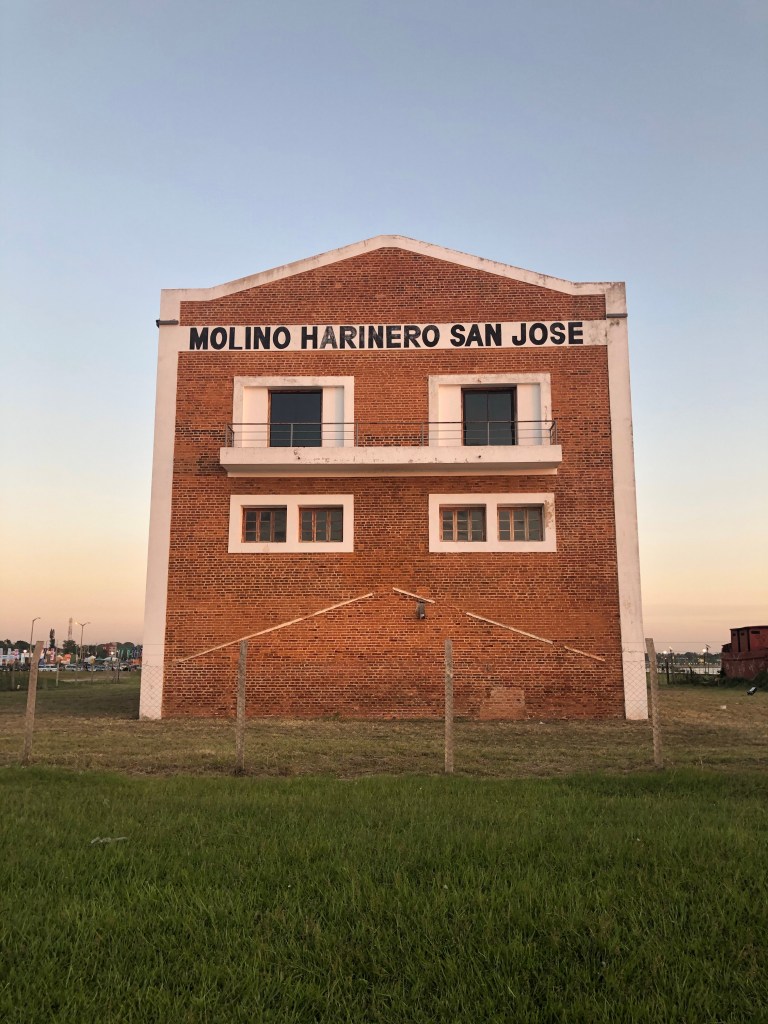
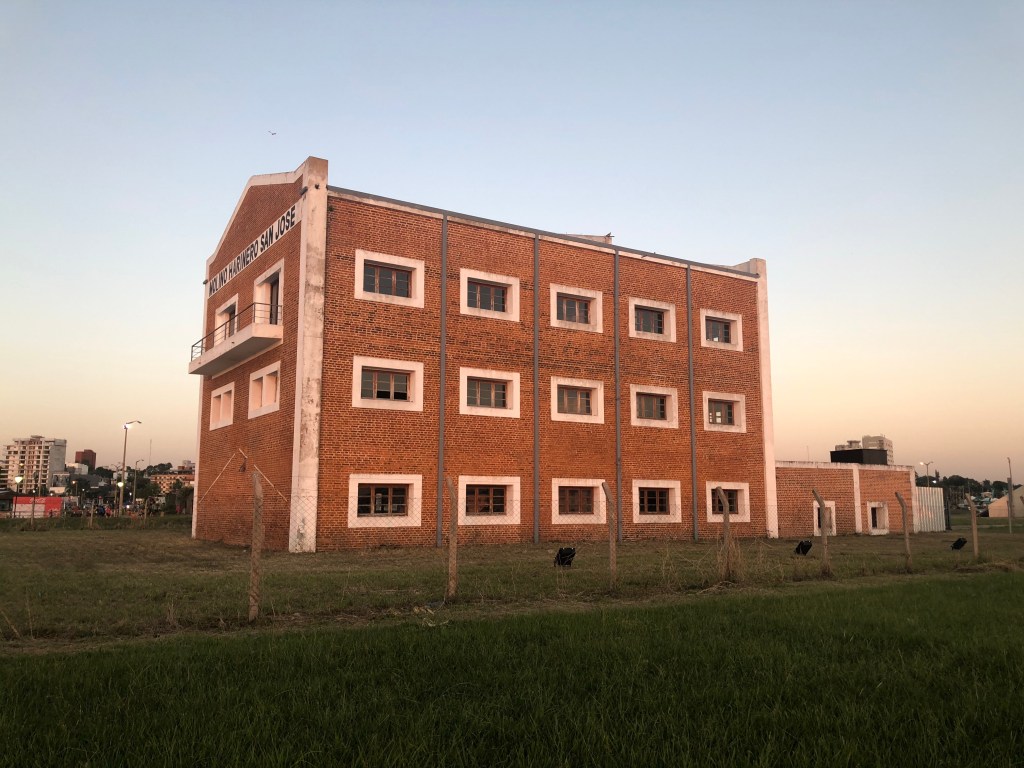
Today Encarnacion’s waterfront is open greenspace with lovely vistas of the river. There’s evidence, however, that this was a busier port in past years.



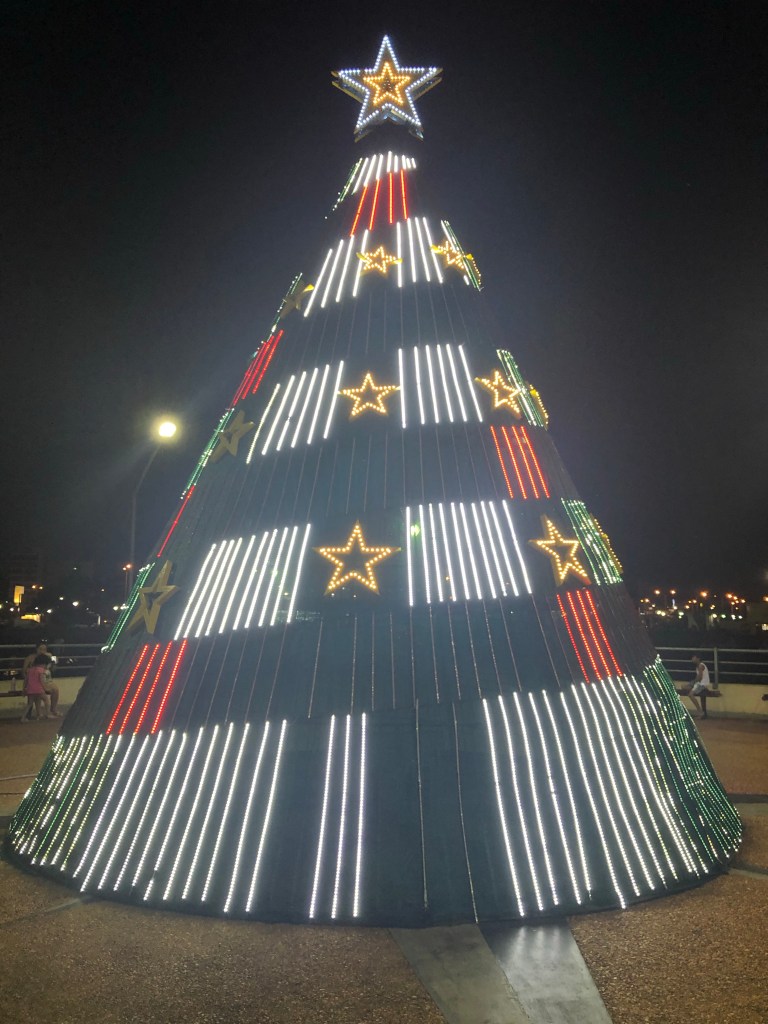
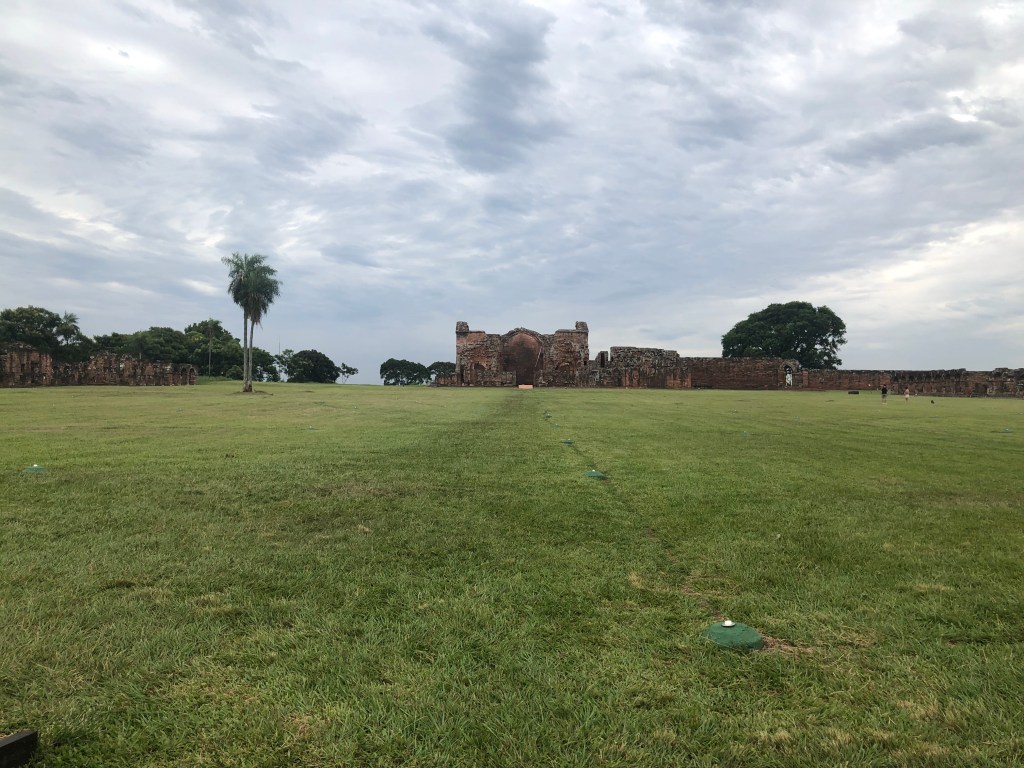
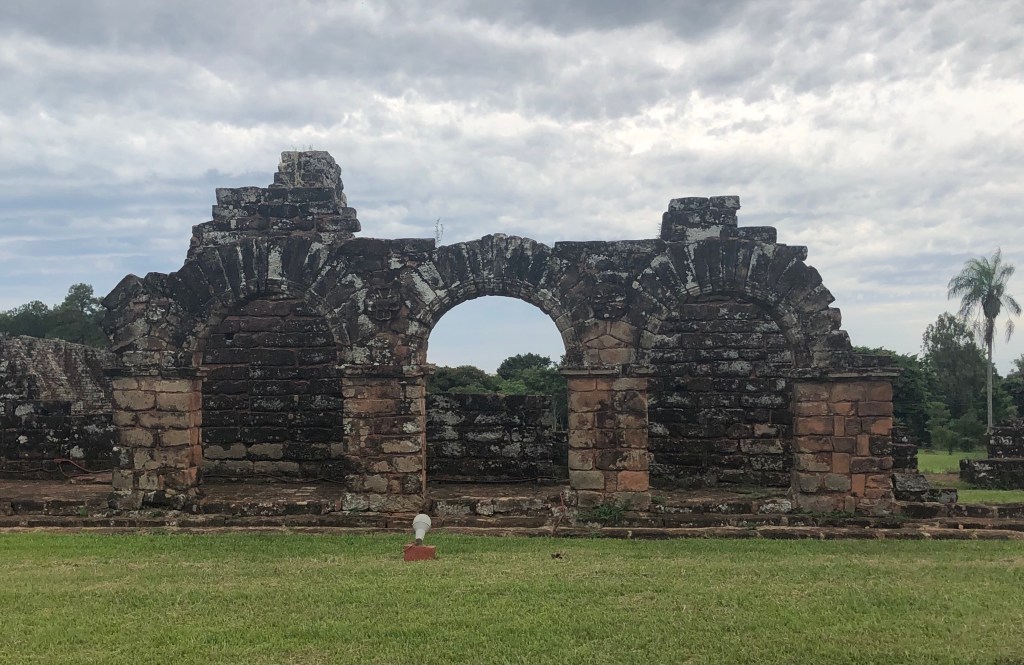
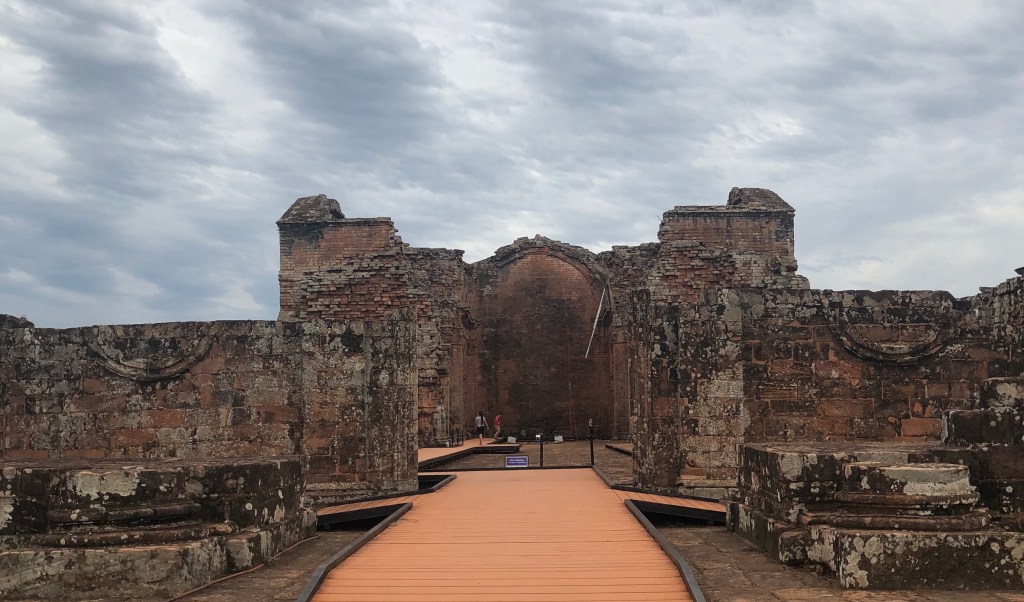
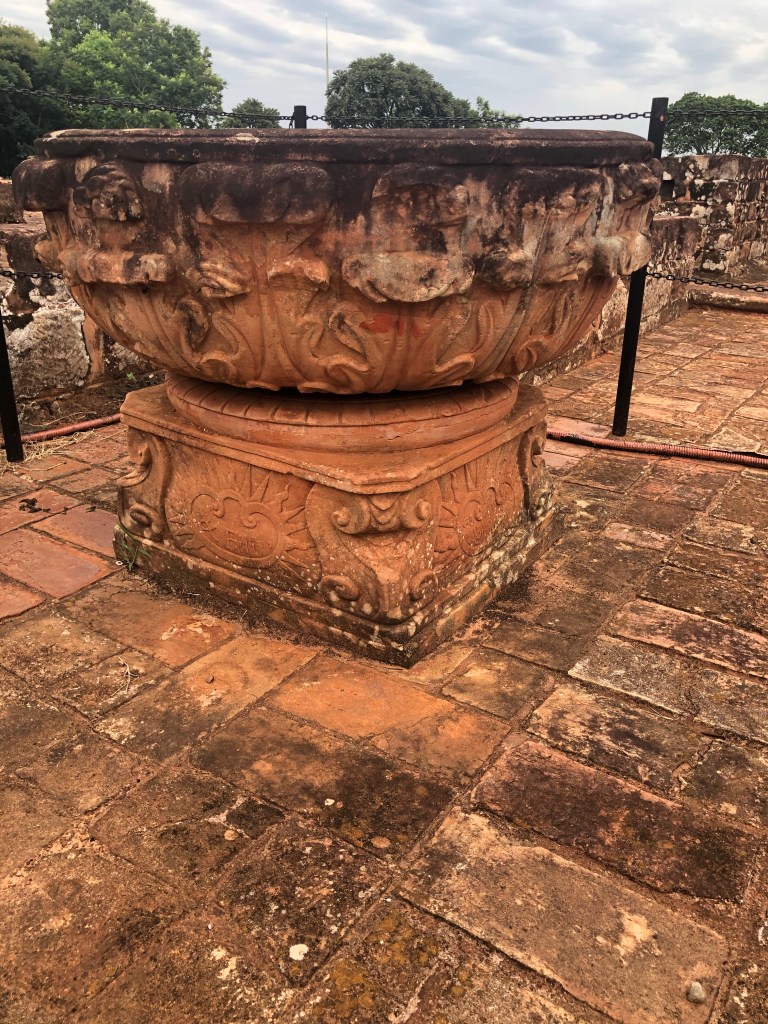
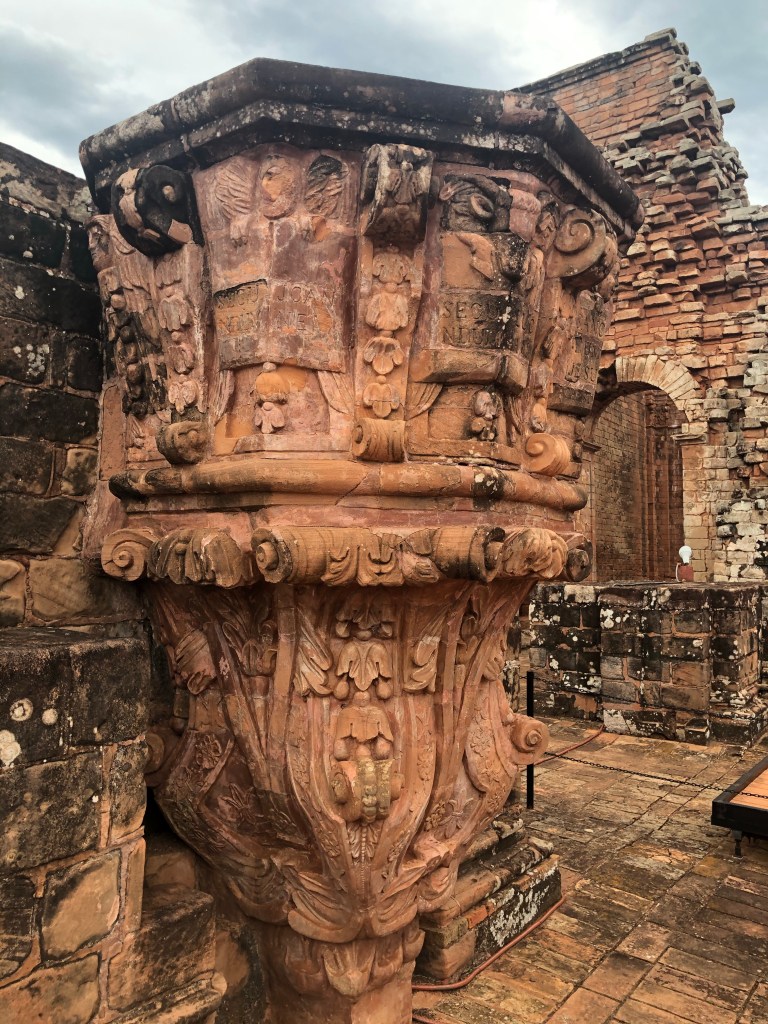
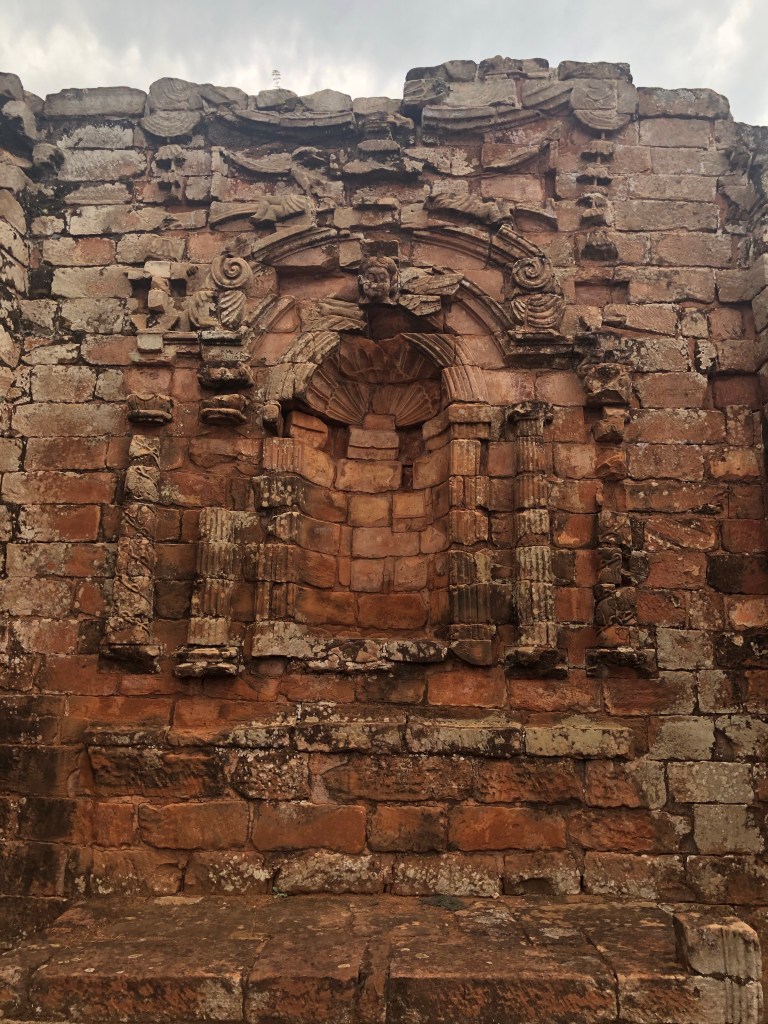
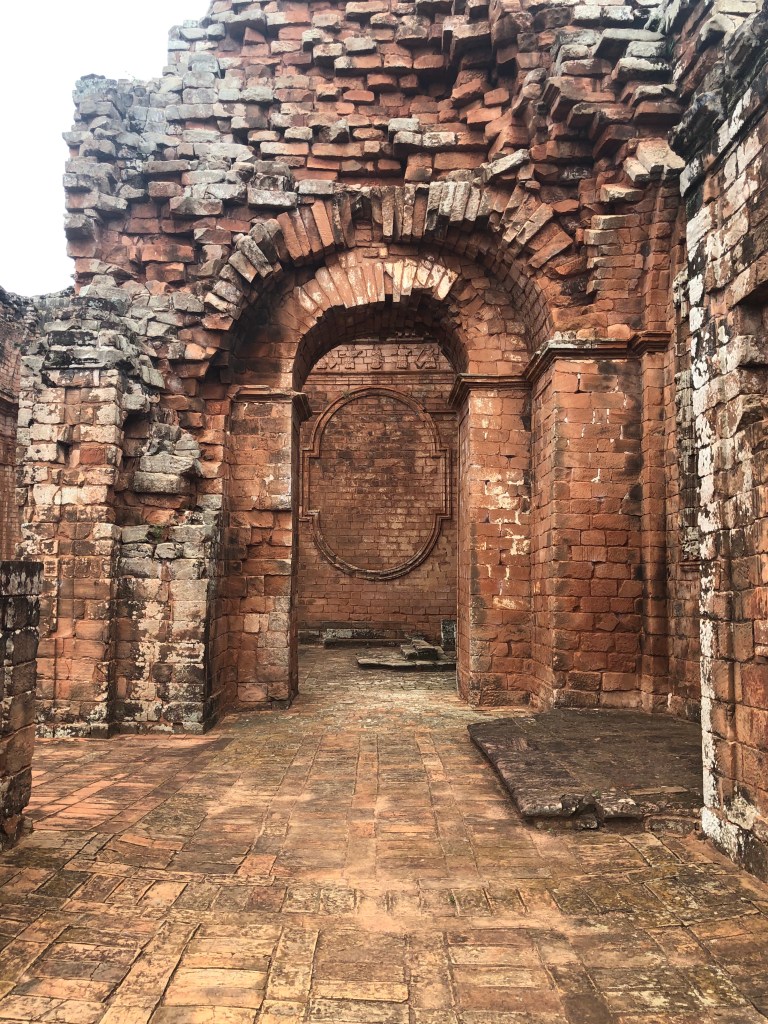
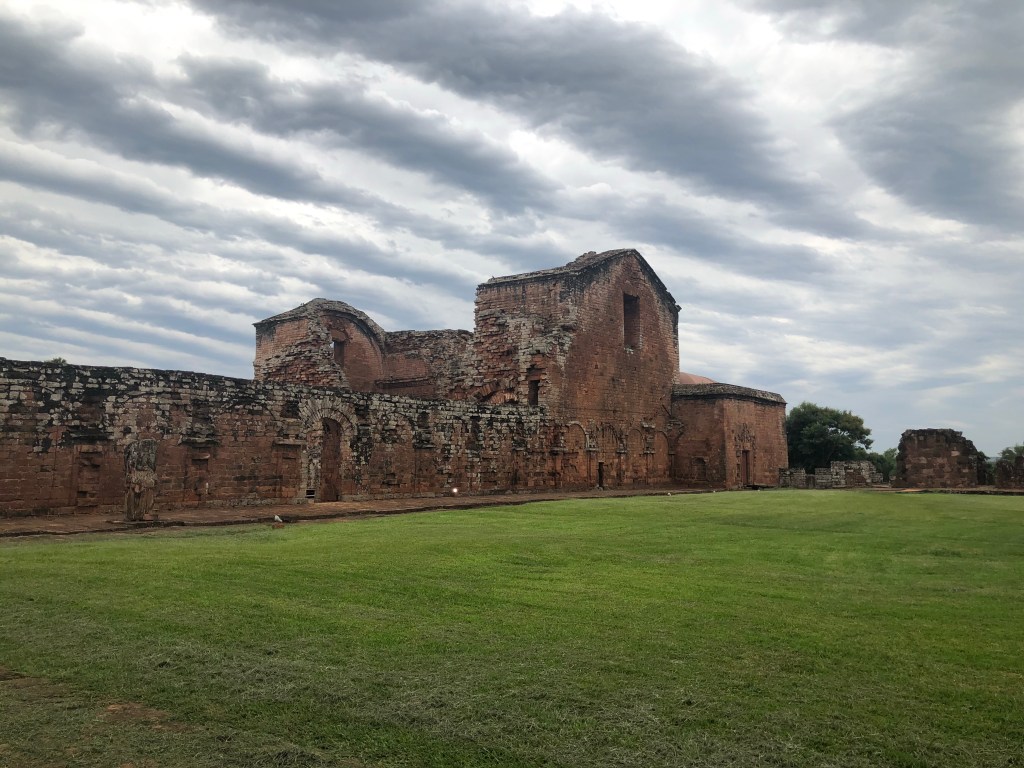
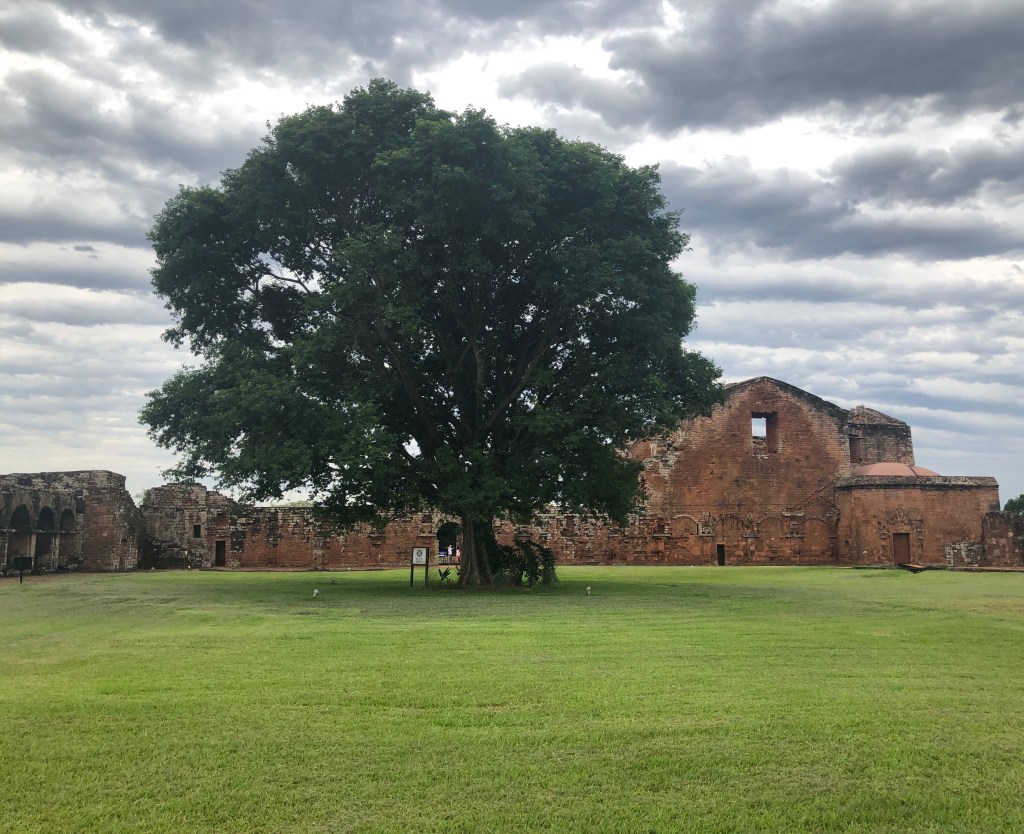
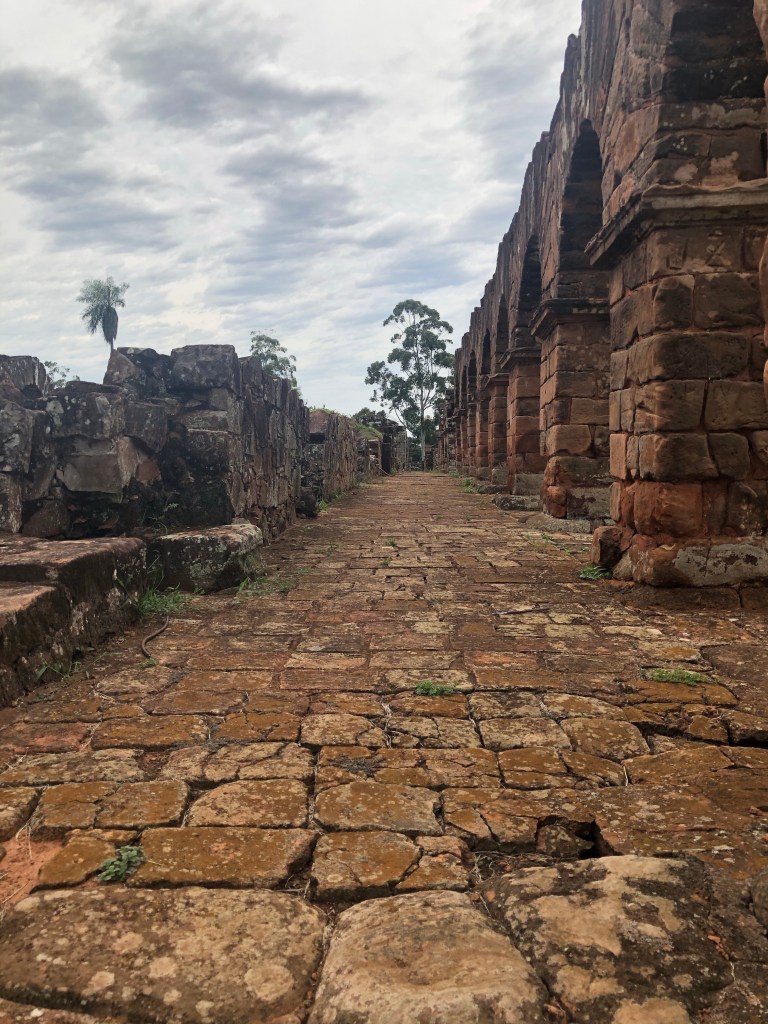
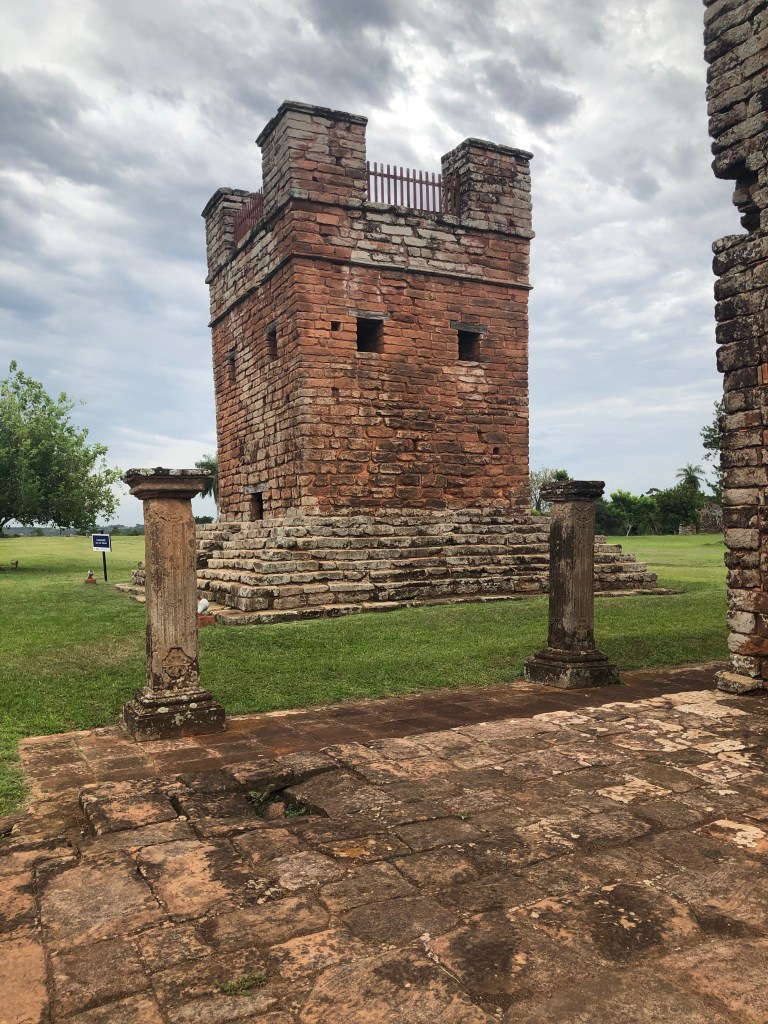
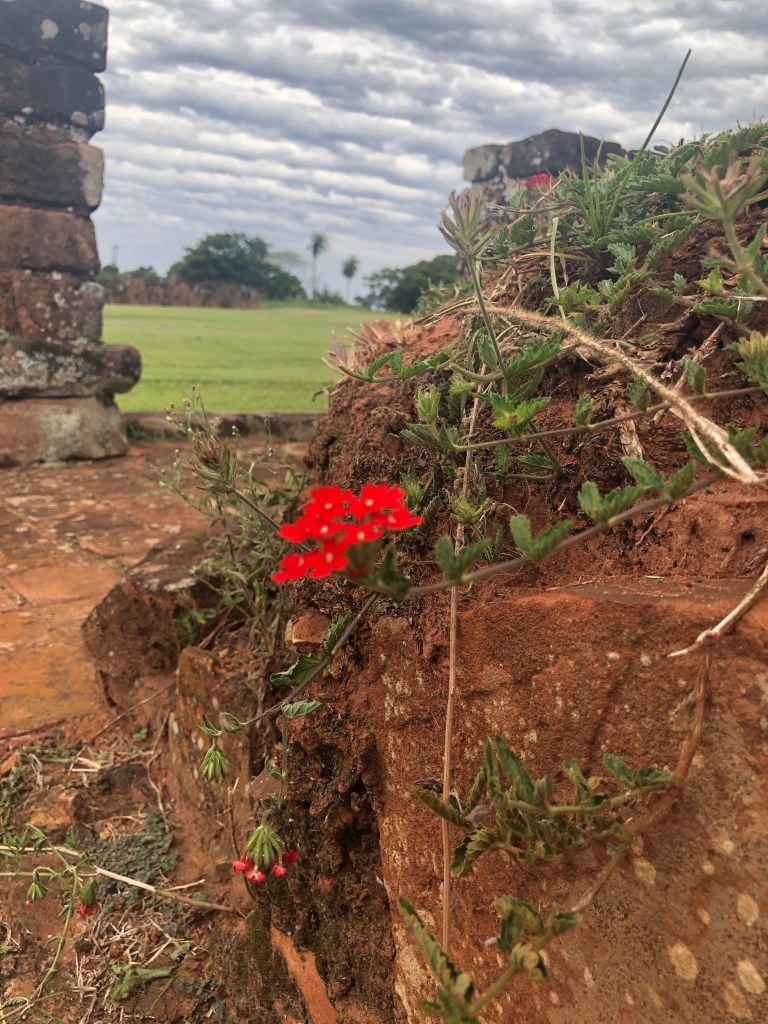
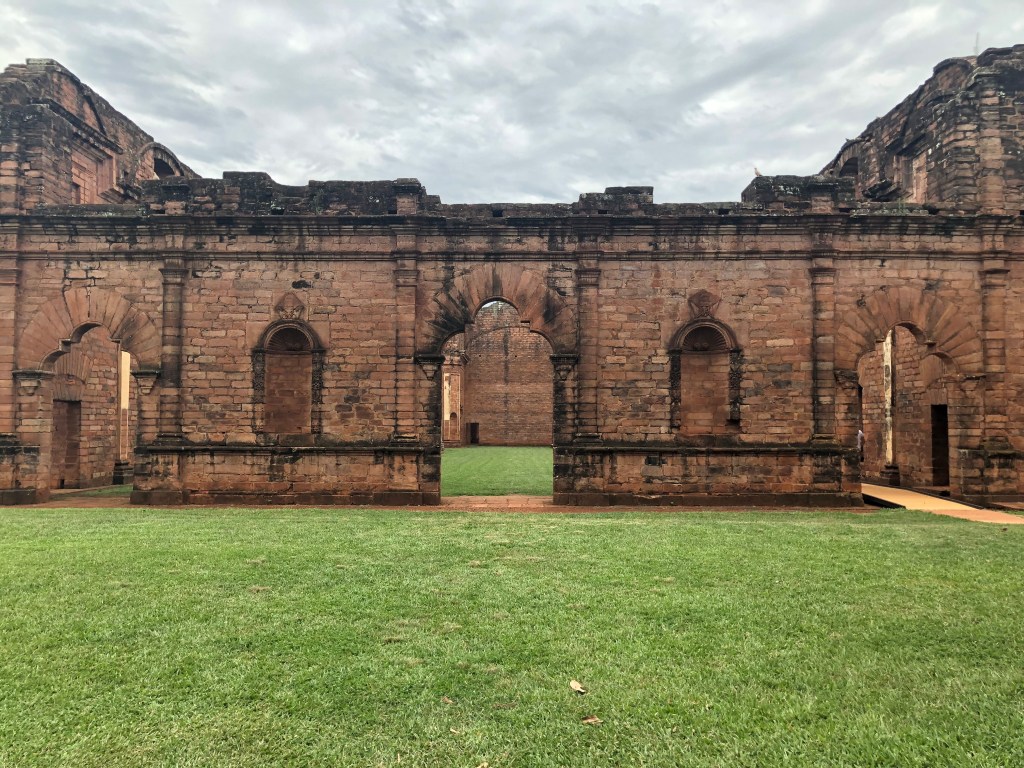
The next day I took a tour of some of the Jesuit ruins that date back to the very early 18th century. It’s a UNESCO world heritage site.
 sedativegunk