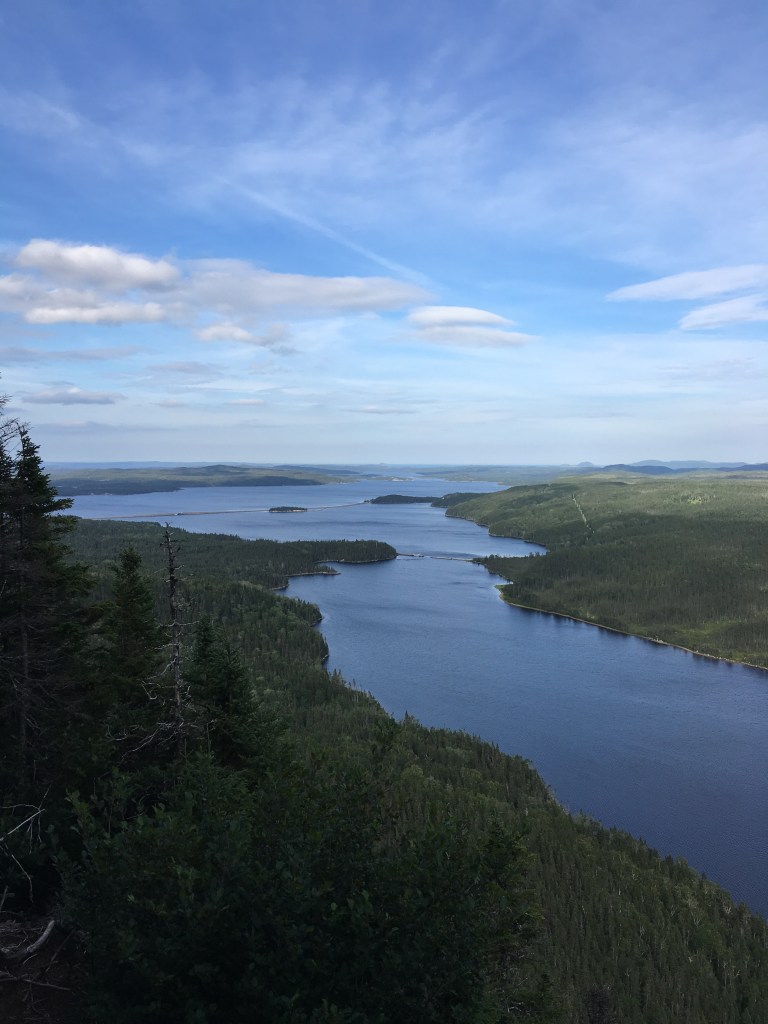
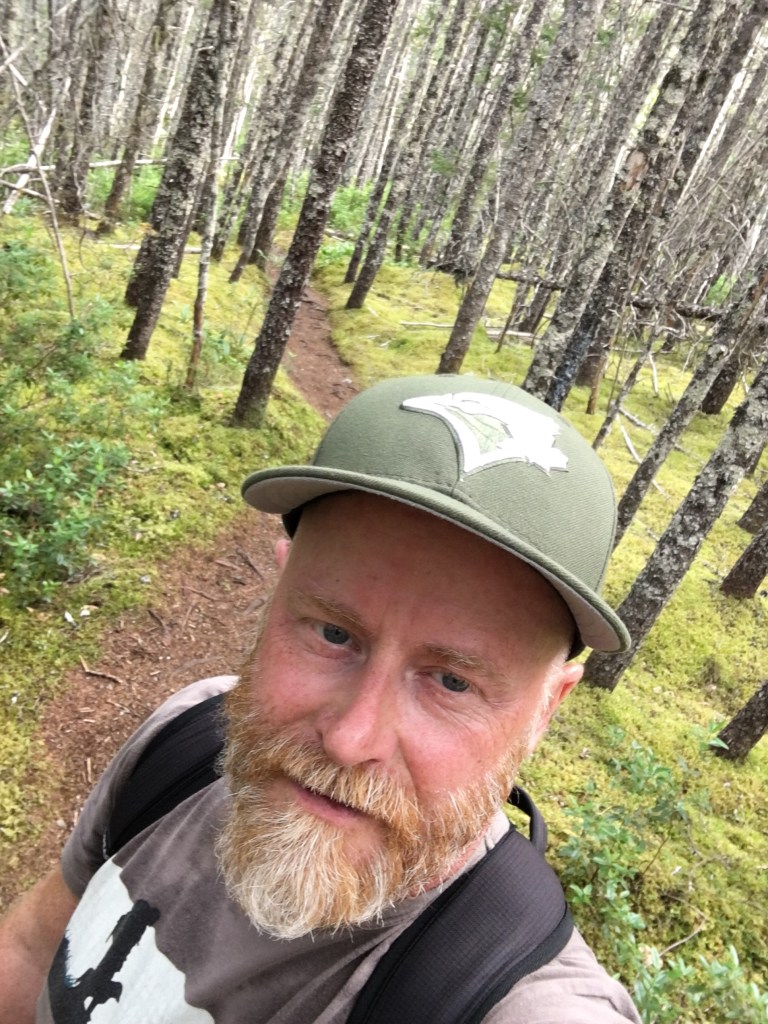
On Monday I got on the road to drive to my first destination, Terra Nova National Park. The park, situated about a 3 hour drive from St. John’s, is the lesser known of Newfoundland and Labrador’s great national parks but deserves a visit. The park is full of great hiking trails. I was only there for one night so I hiked the Malady Trail next to my campsite. The trail winds through old growth spruce forest (stunted as always by the harsh climate) to a spectacular lookout over an ocean inlet.
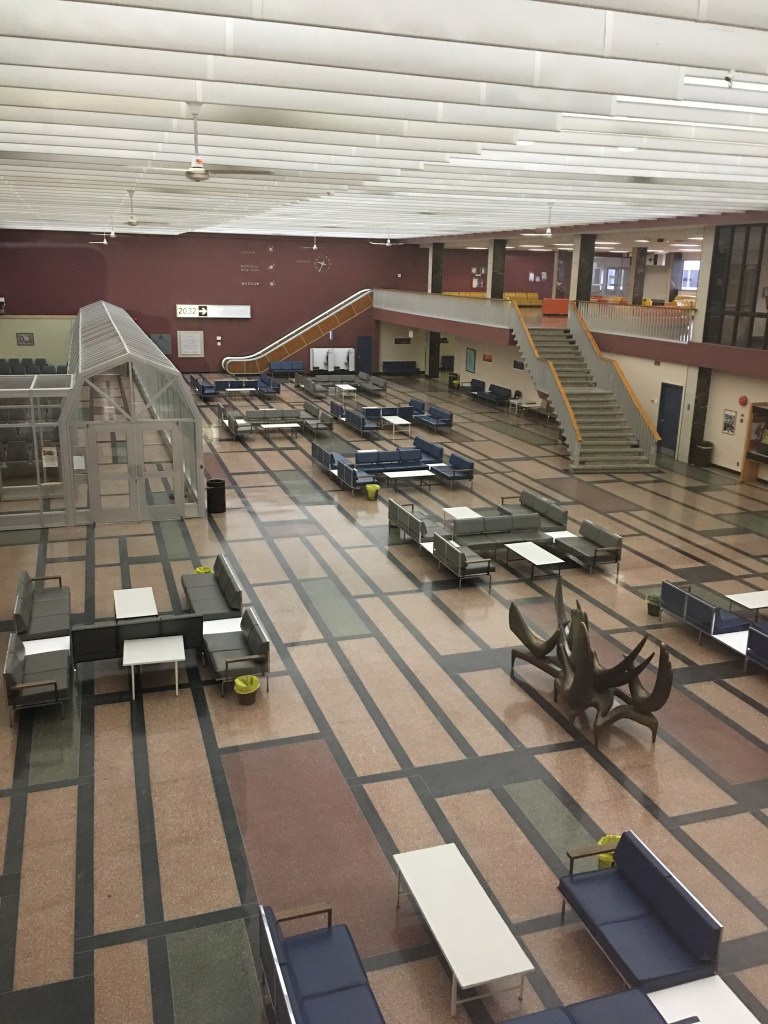
The next morning I got on the road early as there were a few sites I wanted to see on my way to my next stopover, Twillingate. One of my stops was Gander International Airport, a relic of an era when Gander was the crossroads of the North Atlantic. The town’s airport was opened in 1938 as a refuelling point for international flights but quickly became a hub of Newfoundland’s and of the Allies’ war effort. A base was established reflecting Gander’s strategic location as the closest North American point to Europe that was not constantly fogged in. After the war the airport resumed its role as a refueling stop for commercial traffic. But the airport terminal that stands there today is a mid-century throwback that is no longer required given the reduced traffic. It no longer receives dignitaries like it once did and so there’s talk of tearing it down to build something that is to scale with the airport’s regional importance but reflecting its fading international significance.
Anyone who knows recent history knows that this airport and this town played an outsized role in receiving and hosting thousands of stranded air travellers when the US closed its airspace following 9/11. If you want to read a riveting and entertaining account of Gander during this time period, read Jim Defede’s book “The Day the World Came to Town”, or better yet, go see the musical “Come From Away”. In September 2001 Gander’s obsolete terminal building and 10,000 ft runway did not seem so obsolete. Today it continues to regularly receive flights diverted by weather and other reasons.
My next stop was Boyd Cove, a small coastal village best known for its Beothuk Museum. I visited the museum as well as the site where Beothuk artifacts were discovered a number of years ago. Archeologists dug out the area and found the remains of a village dating back to the 1600s.
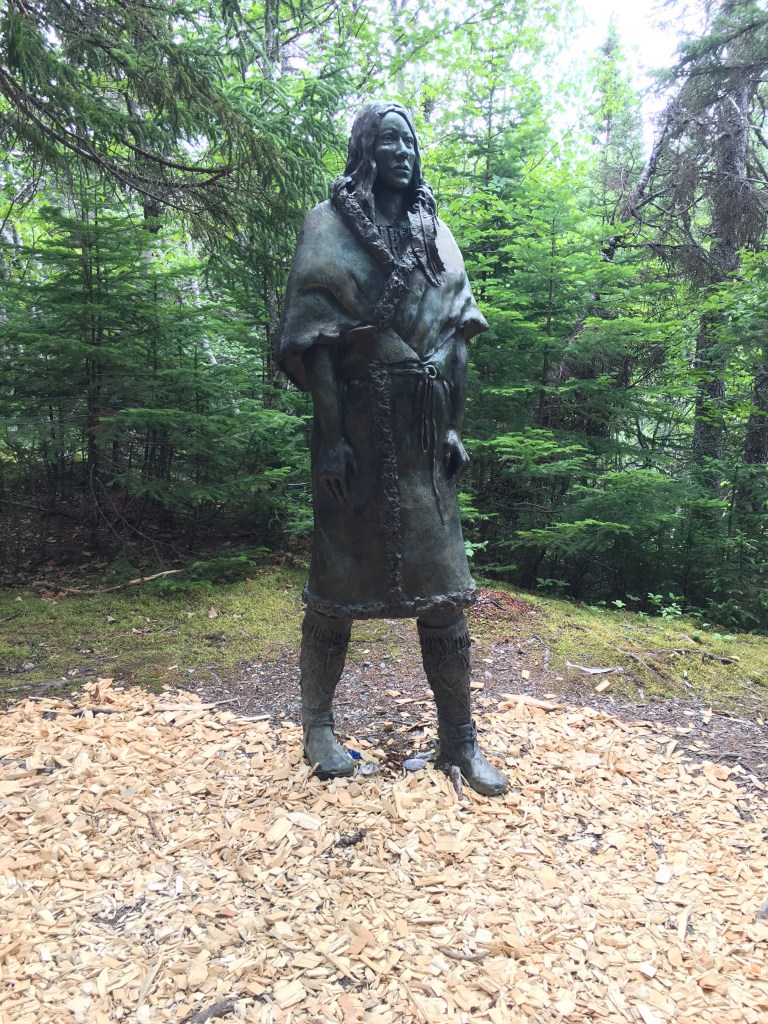
Many assume that the Beothuk were the original people of Newfoundland but in fact they were the last of multiple waves of First Nations peoples who populated the island, starting with the Inuit in the north (they didn’t stay). The Mi’kmaw also came to the island and survive today. The tragedy of the Beothuk is that they were a fishing tribe who could not compete with the growing European population. Despite Royal Proclamatioms from London that forbade violence against the indigenous peoples, the Europeans pushed the Beothuk out of coastal areas (sometimes violently) and the latter retreated to the harsh interior areas of the island where their numbers dwindled quickly. The last known Beothuk was believed to be Shanawdithit, a young woman who was captured by the British and who spent her final year of life documenting her people’s way of life, their customs and language before she succumbed to tuberculosis in 1839. The museum includes many of her drawings.
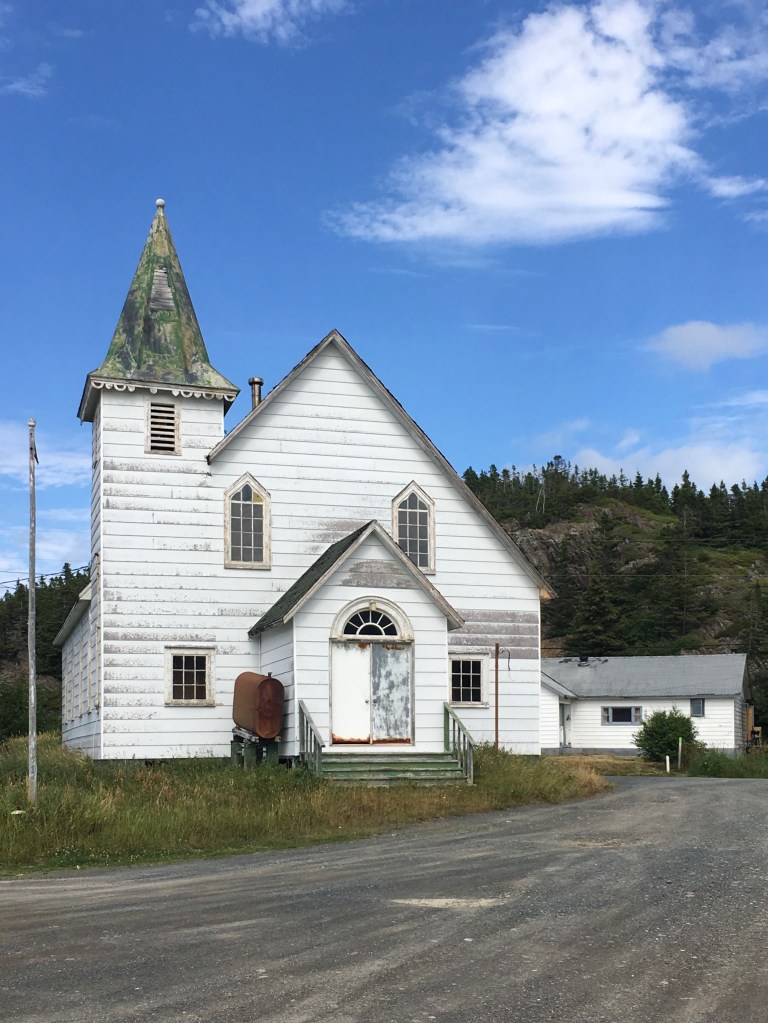
From Boyd Cove, I continued north up some ragged peninsulas and over a causeway to New World Island to set up camp at the Dildo Run Provincial Park (I’m not making this up). The park was nice. I got a wooded site right by the bay.
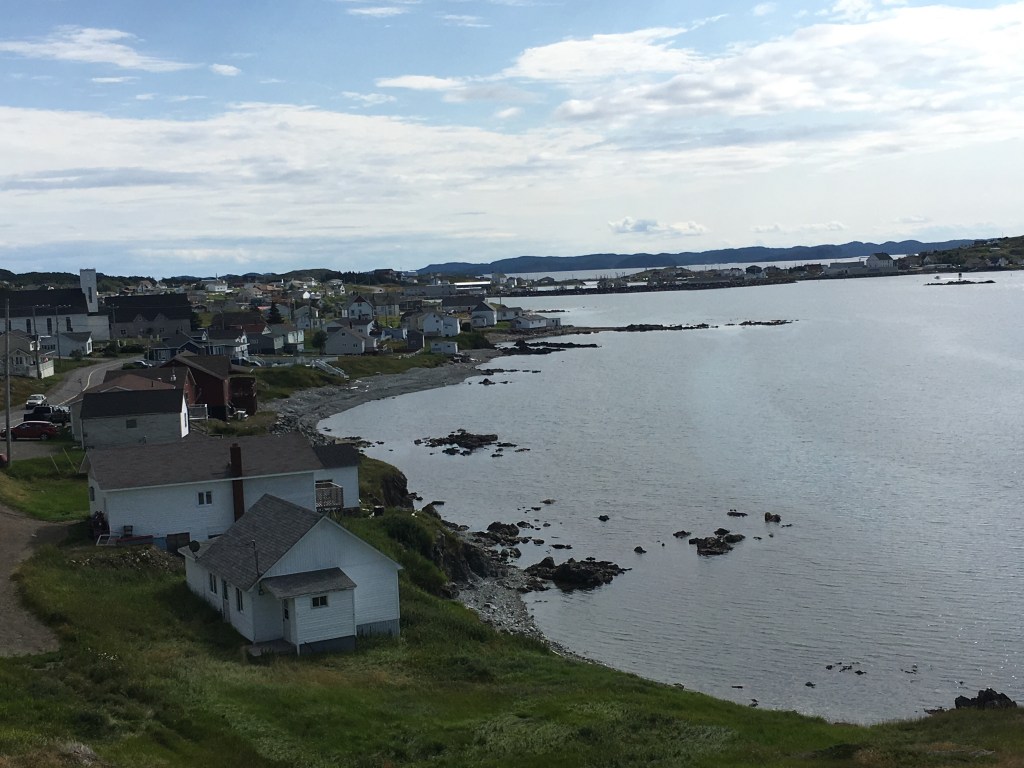
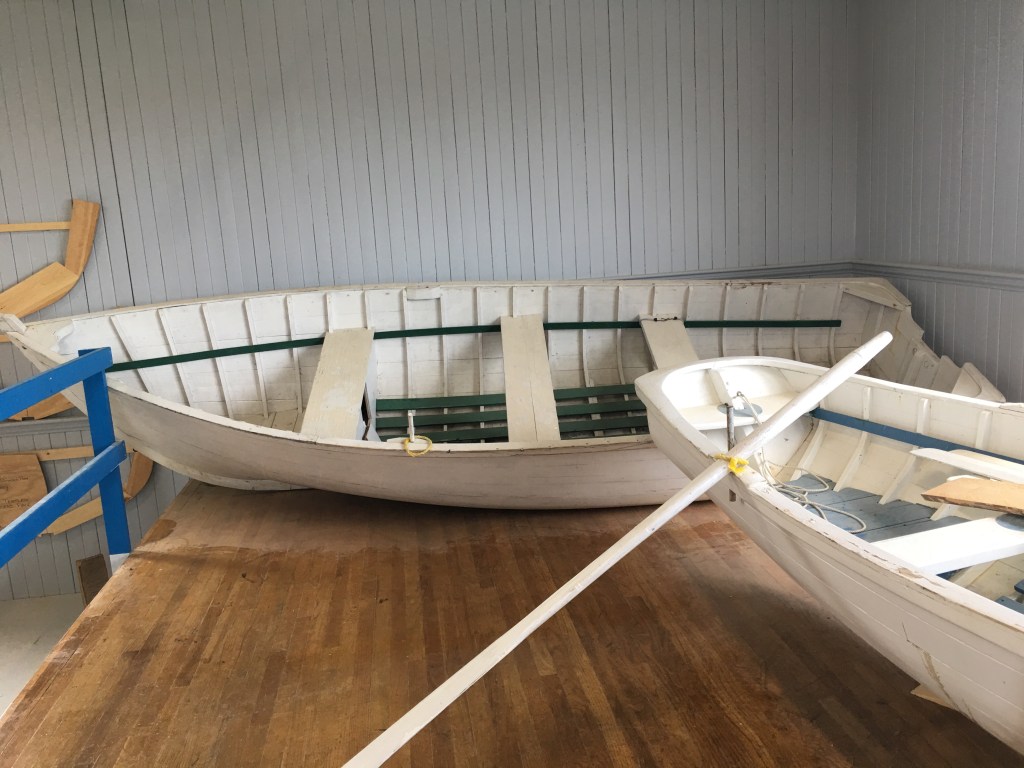
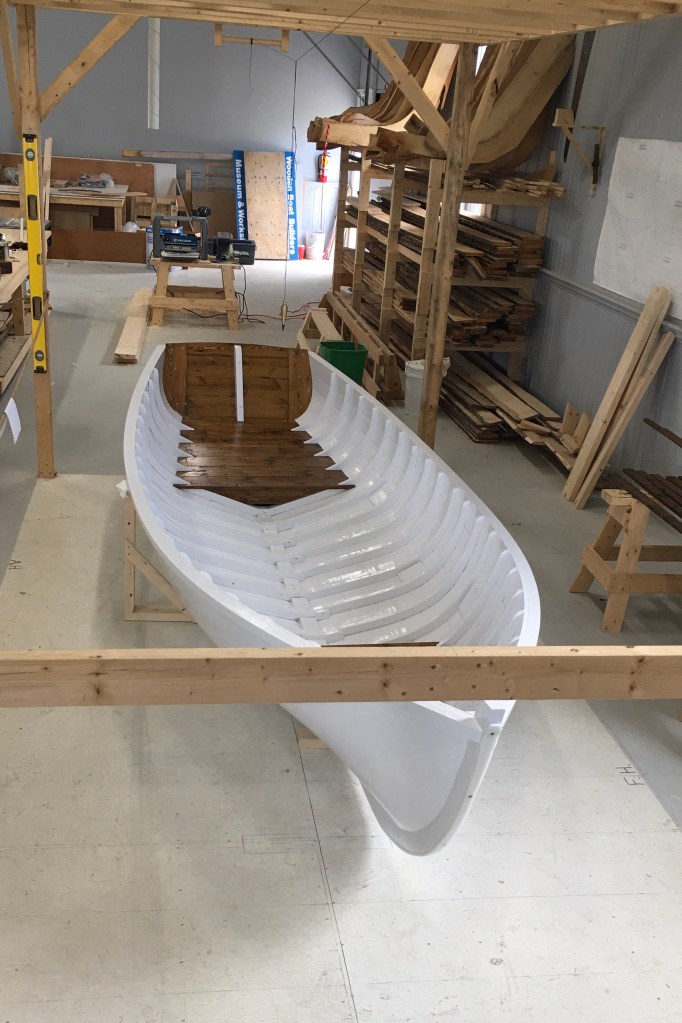
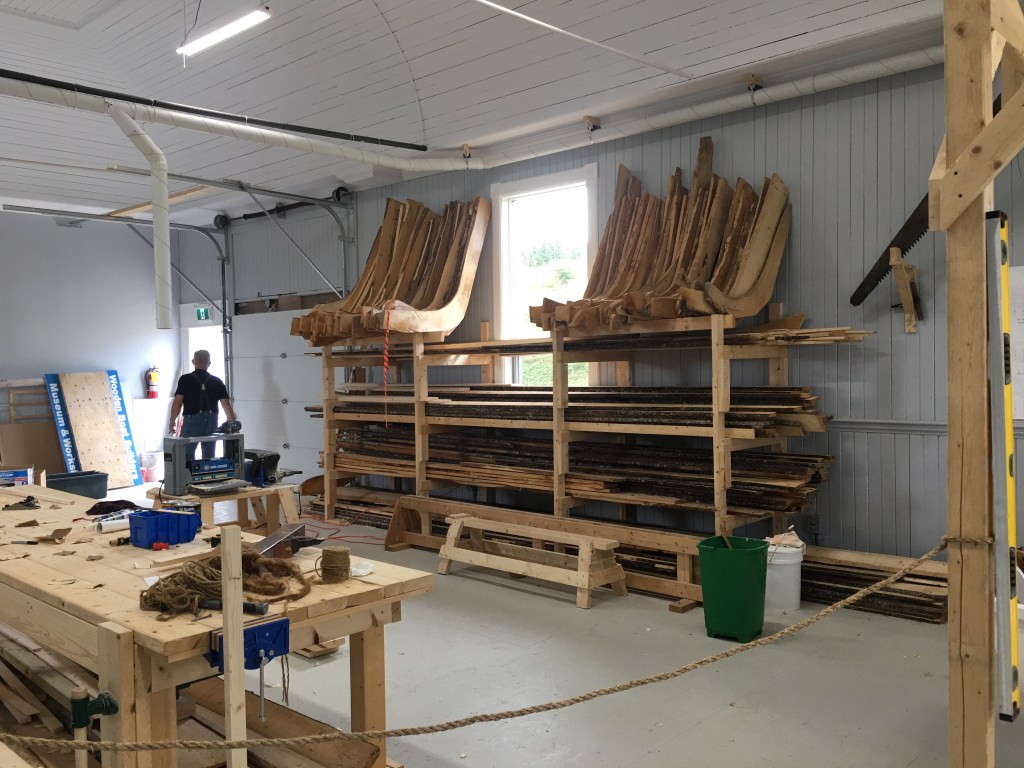
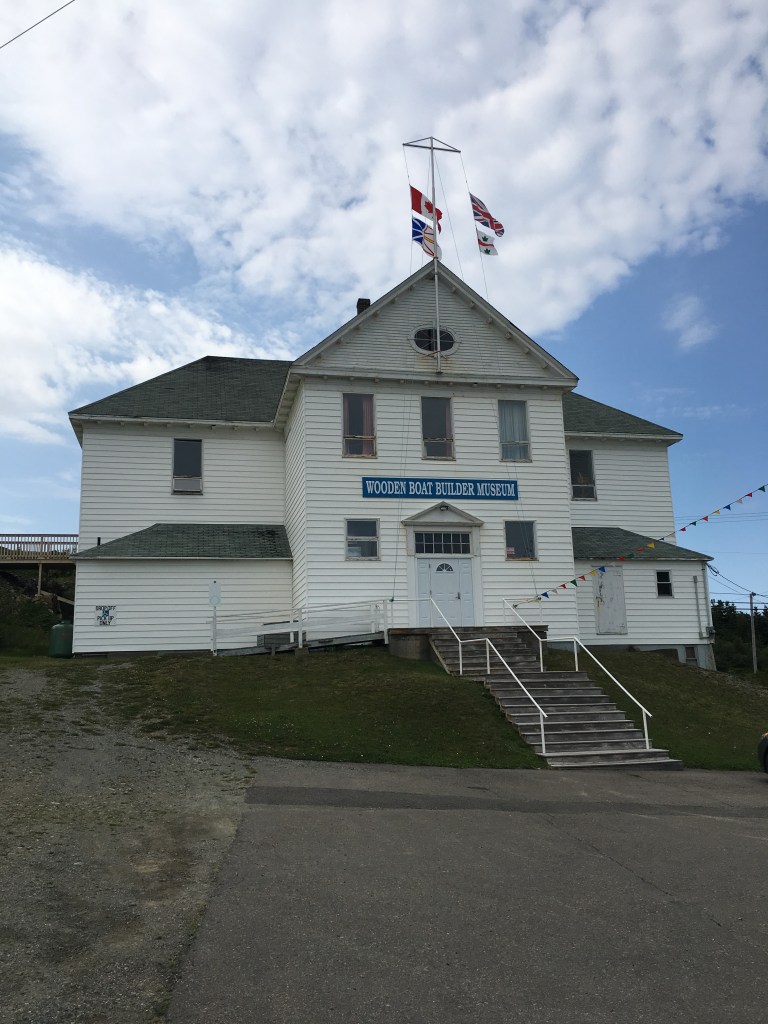
Once set up, I set out for Twillingate, a beautiful fishing village known for spectacular iceberg and whale viewing. Both of these are best seen in early summer (any icebergs at this point of the season are way off shore), so I didn’t bother taking a tour. Instead I stopped in at a couple of excellent museums. The first was a former rectory turned into a town museum filled with antiques and cool swag from the town over the last hundred years or so. The second museum was the Boat Builders Museum, where a guy name Tony gives you a tour and a talk of the boat he is building. It is a trade that is disappearing quickly in Newfoundland as the old fishing generation dies off and cheap fibreglass boats are more commonly used. I asked Tony if there were opportunities to pair up tech kids or disadvantaged kids looking to put practical skills to work or keep idle hands from doing the devil’s work. I guess they’ve tried but face resistance from school boards.
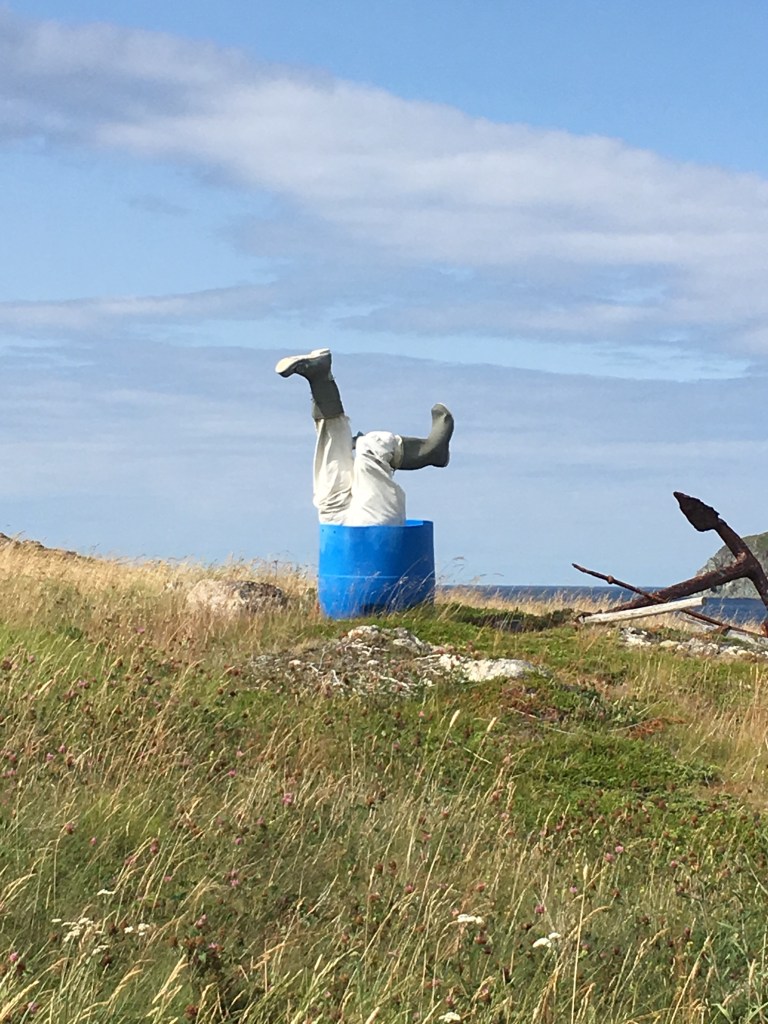
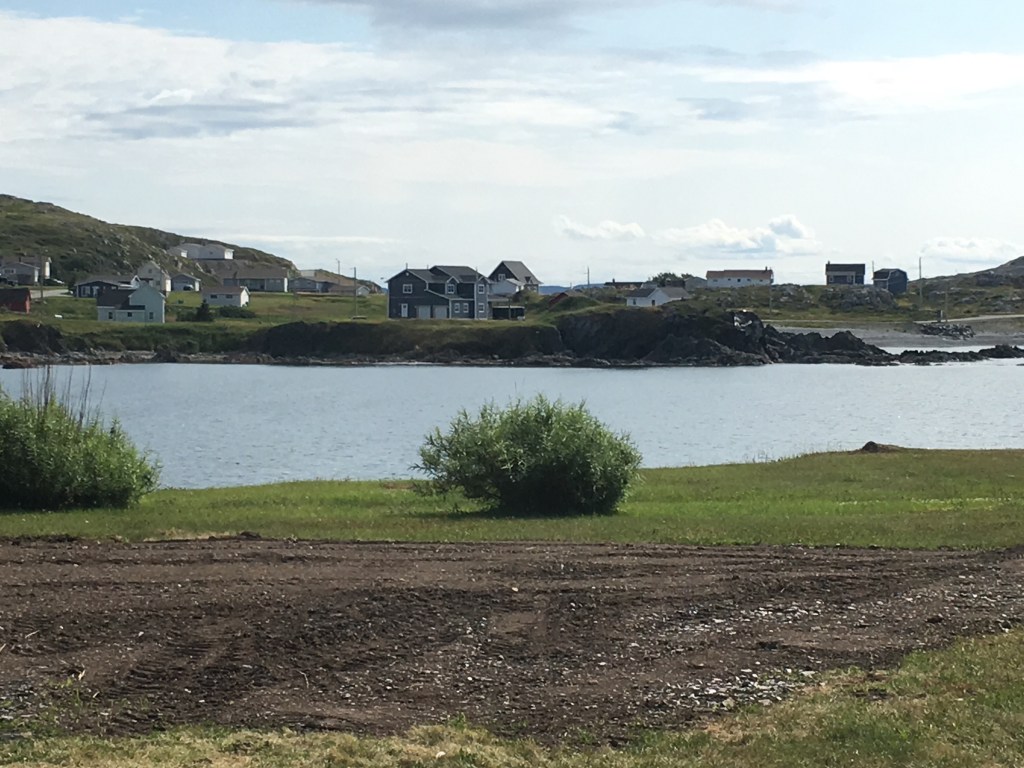
After the museums, I drove around town and took pictures of the scenery. Clearly this town was the inspiration of the Newfoundland and Labrador tourism commercials. In case you’re wondering about the name Twillingate, it was originally part of of the French territory back when the British and French were competing for control over the fishery. Back then, the town was called Touilinguet. Eventually, the French were forced out in the 19th century and the town’s name became anglicized.
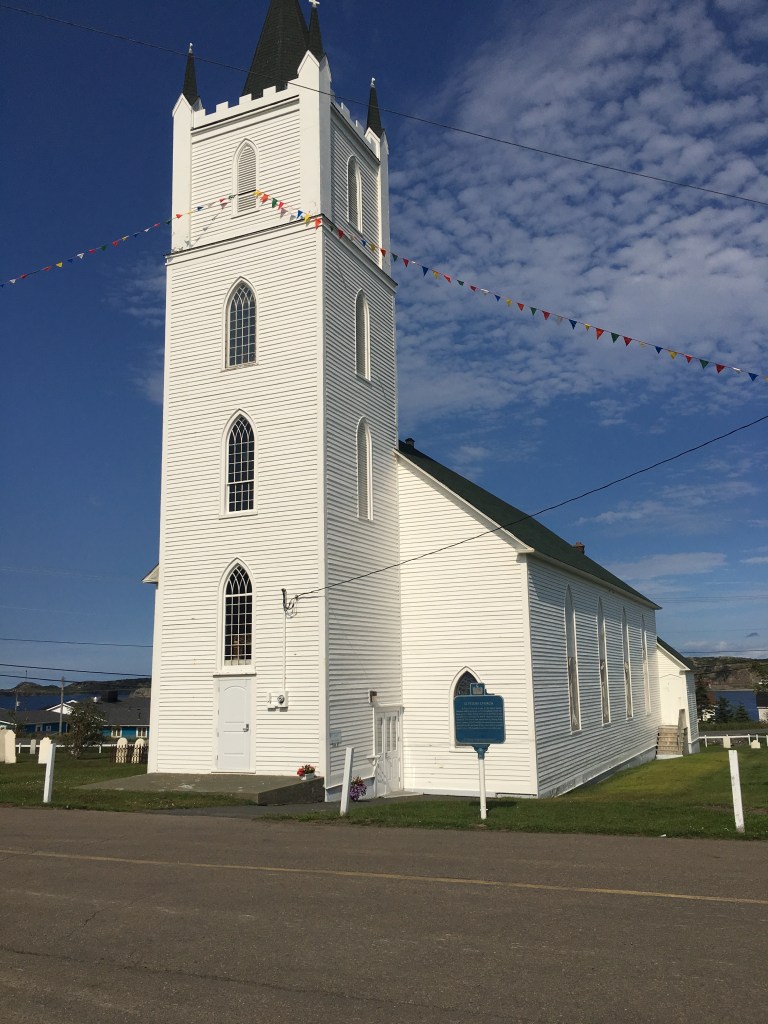
I retired for the night at my Dildo campsite and rested up for my trip to Gros Morne the next day.
 sedativegunk