When I was 12 years old, my parents gave me a Readers’ Digest Road Atlas of Canada. It was supposed to be a Christmas present but Mom tucked it away in a closet after receiving it in the mail and then forgot to give it to me. Months later, as my birthday approached, she stumbled on the book and suddenly my belated Christmas gift became a birthday gift with a funny story.
I mention this because this gift became the study guide for me to plan future travel routes for our family vacations, some of them realized and others the wild fantasies of a boy who was not footing the bill for these vacations. One of my wilder travel fantasies was for us to drive up a road that had just opened two years before from near Dawson, Yukon to Inuvik, Northwest Territories, the Dempster Highway. I was fascinated by the idea of travelling to the farthest point one could in Canada. While we never made that trip as a family, I always had it in the back of my mind as a journey I would do myself when I finally made it to Yukon.
Finally in 2017, after having visited all of the other provinces and territories, I find out a Habitat for Humanity build was to take place in Whitehorse. As I always try to tack on a couple of weeks onto the end of a build for myself, my dream to ride the Dempster would finally happen.

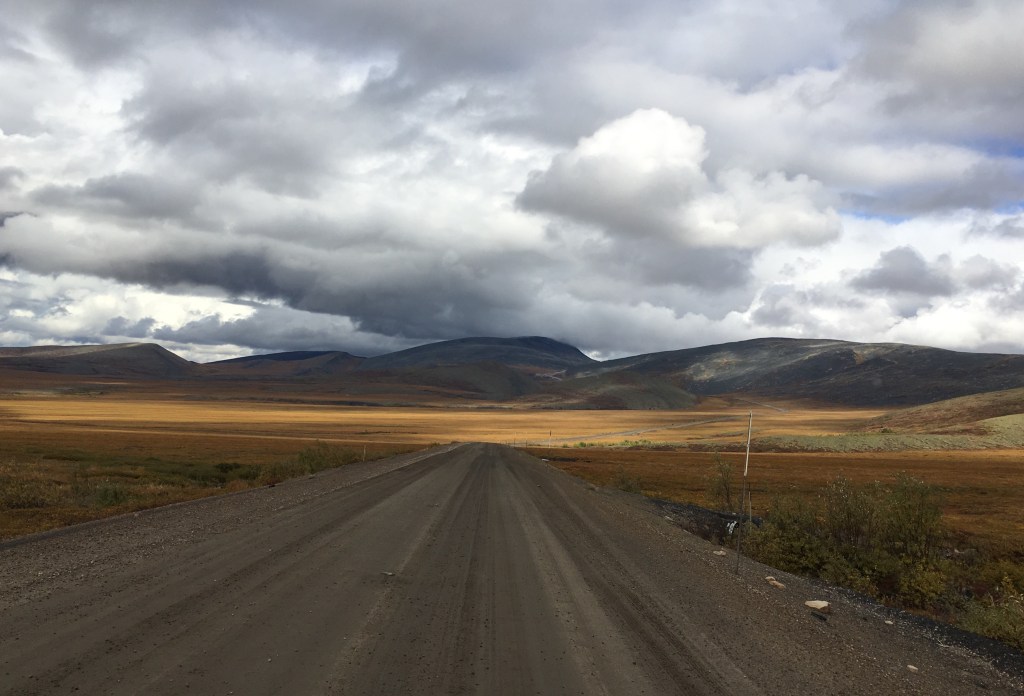
The 740-kilometre Dempster may in fact be the loneliest highway in Canada, taking you through three wild and distinct mountain ranges before plunging you into the most unimaginably vast boreal forest in the northwestern corner of Northwest Territories. The mountain streams are pristine to drink from. The mighty Peel river and the mightier Mackenzie river are undammed, untamed and undeveloped and crossings are made by primitive ferries not bridges. The near absence of other vehicles on the road and the hundreds of kilometres from one hamlet to the next tells you you’re not in southern Ontario anymore.
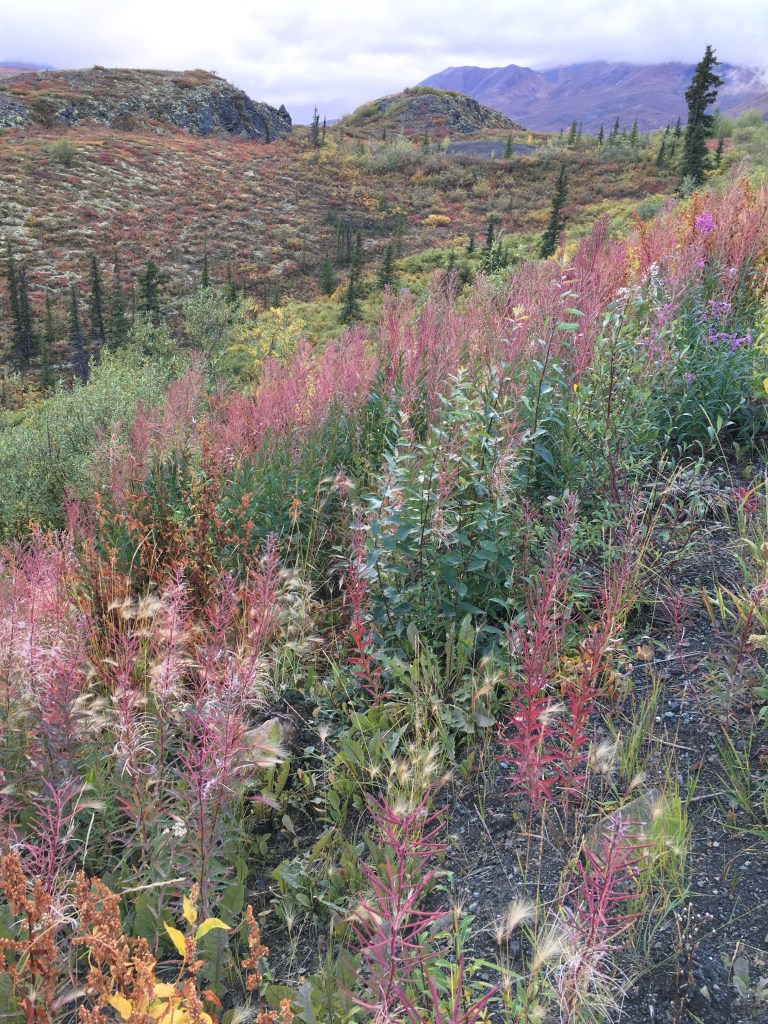
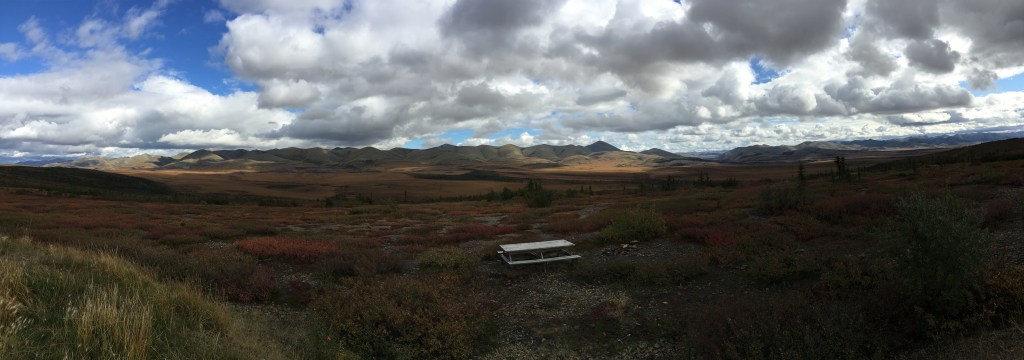
If you are fortunate to travel the Dempster during the fall colours (generally end of August, beginning of September) you will be rewarded with towering mountains muraled in breathtaking colours. Channels of sage and lichens flowing down black mountains, rust-coloured willows and electric yellow aspen trees in the meadows at the feet of these rugged peaks.
I was told about this by people in Whitehorse but had no idea how stunning it all would be until last Saturday late afternoon, with some nervousness and a whole lot of excitement, I began my run up the lonely road. Within the first 20 km I realized I was in for the ride of a lifetime. As I entered the first range of mountains – locally known as the the Blackstones – the riot of colour began and I found myself stopping every few minutes to record another jaw-dropping scene with my camera. It is like a migratory, artistic giant passes this way every fall, scans the black mountains, says to himself, “This clearly won’t do!”, and proceeds to graffiti paint the landscape in a riotous, colourful frolic.


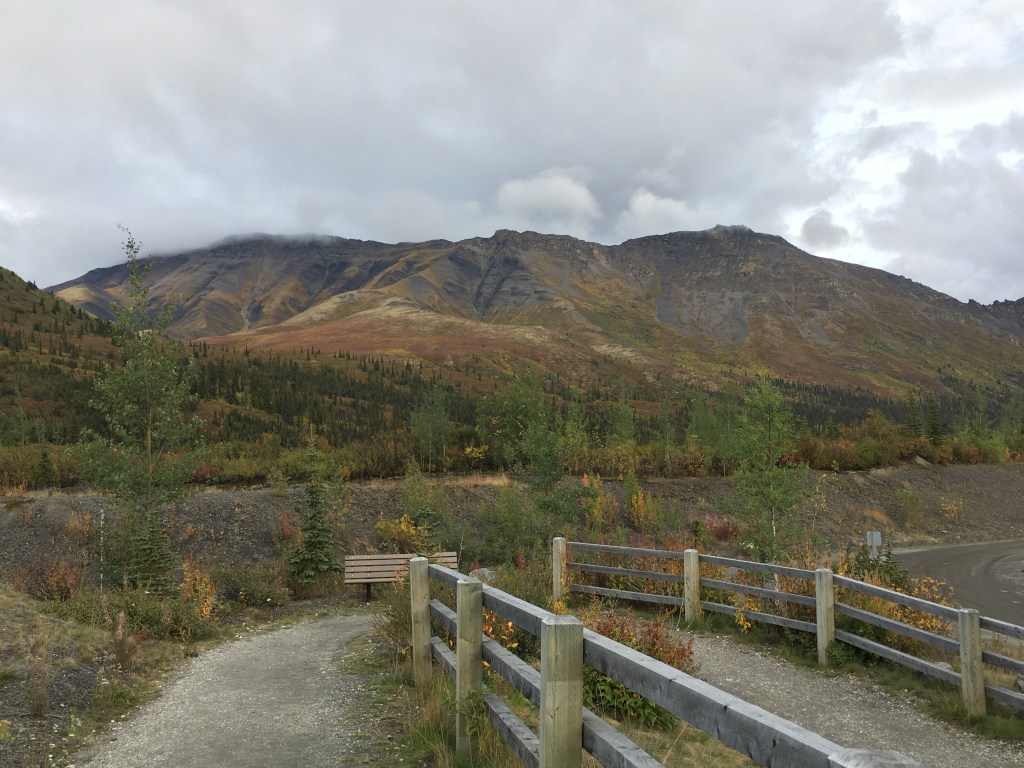
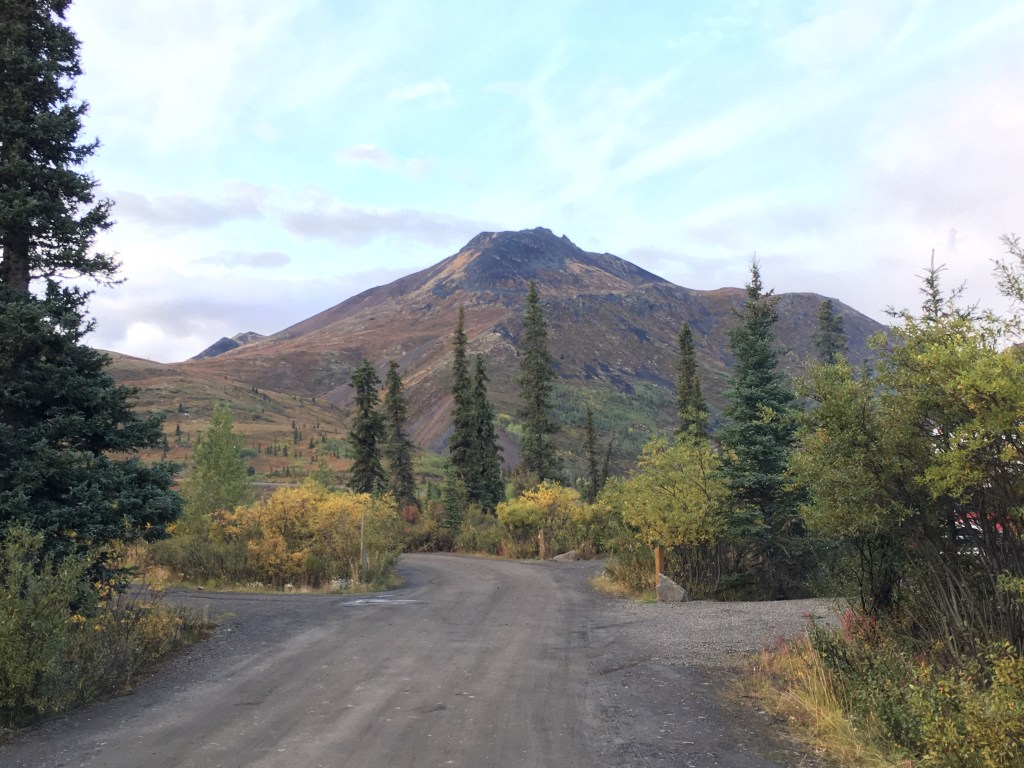
My destination that day was Tombstone Territorial Park, so named for the odd shaped spikey peaks that resemble tortured, ancient headstones. I would make camp at the campground next to the park’s interpretive centre, a well serviced but primitive collection of tent pads, cooking shelters and houses wedged between a stream and the highway. This would be my base for the next couple of days for hiking.
My first night was punctuated by heavy rainfall but thankfully the tent and the gravel tend pad underneath kept me dry.

The next day was an otherworldly experience of fog, low cloud level but ever-present colour that was enhanced rather than dampened by the mist. A steady breeze meant that the cloud would shift to temporarily reveal nearby peaks. With hopes the weather would lift, I set out on the Grizzly Lake trail, which starts in mixed lush boreal forest and gives way to scrub and finally craggy peaks, bringing you face to face with giant tombstone façades. The altitude gain from base to the summit is nearly 800 metres and the temperature dropped from 8C to just above freezing at higher elevation. High winds and some ice pellets reminded me that I was well north of 60 at summer’s end.
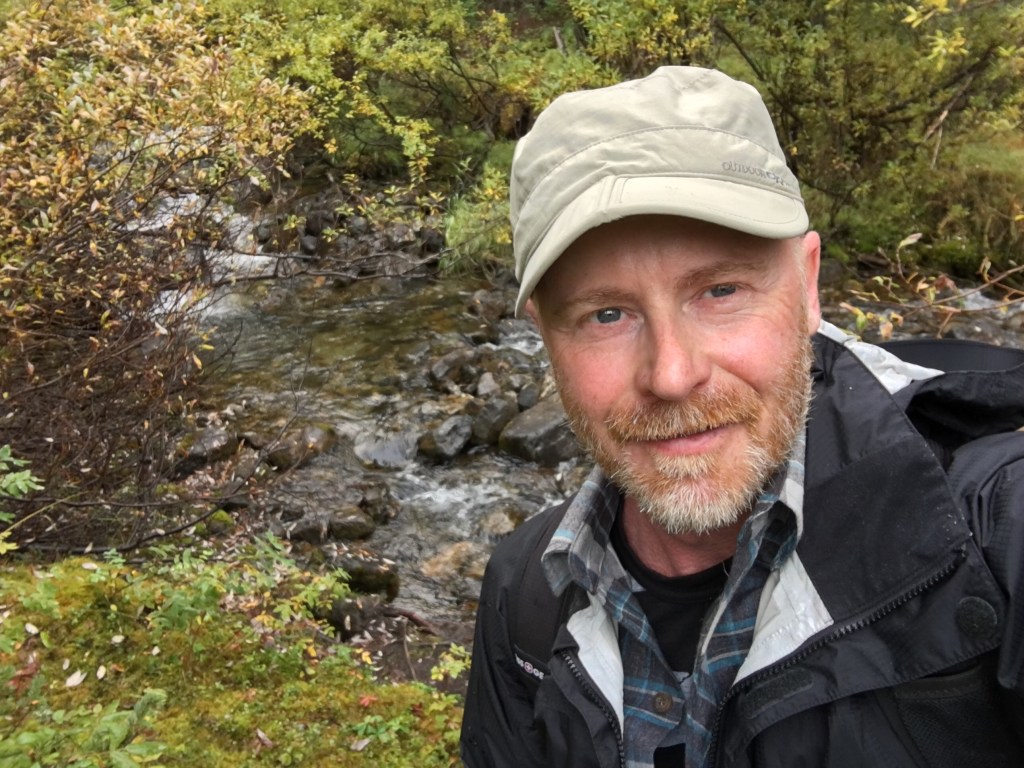
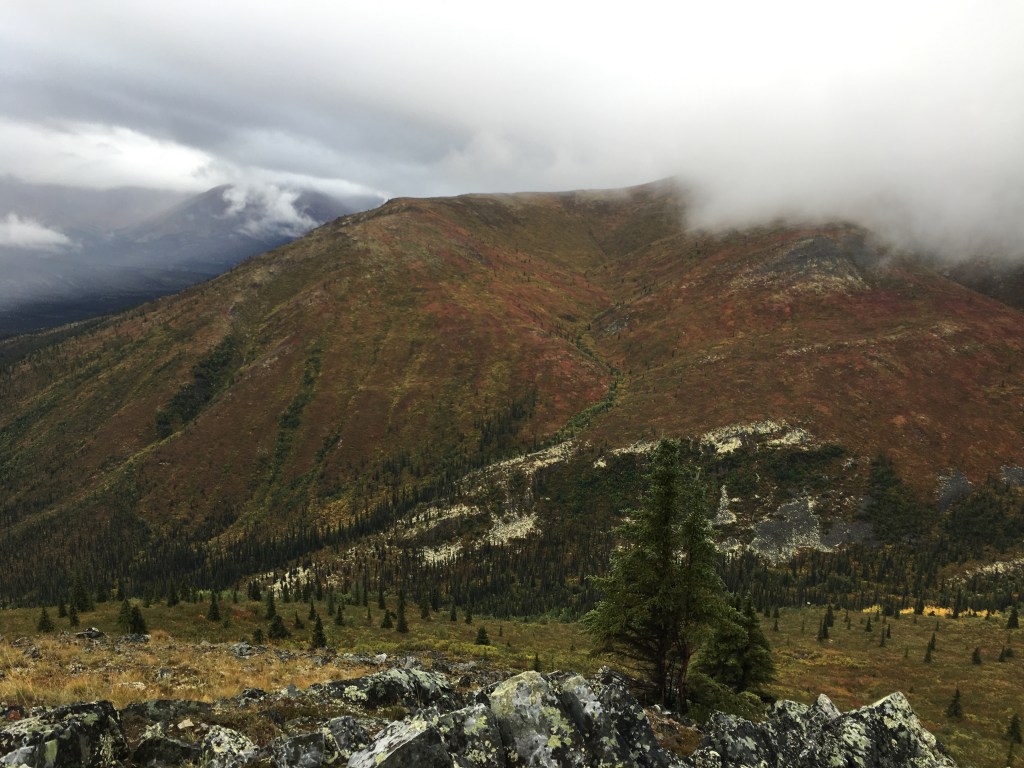
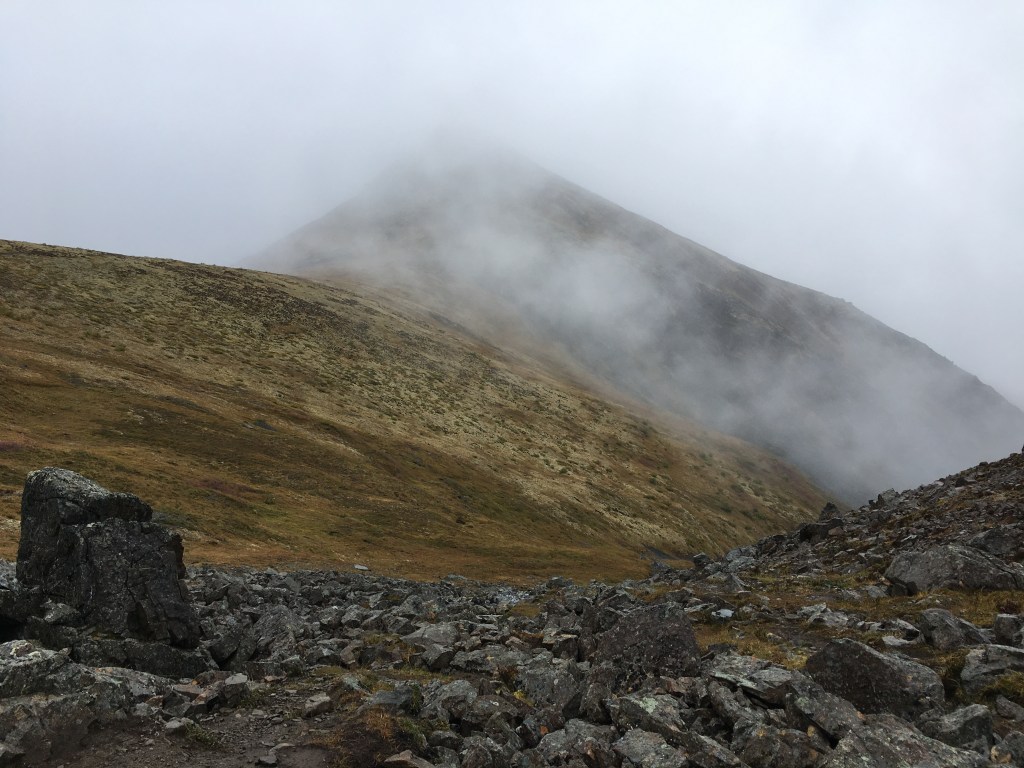
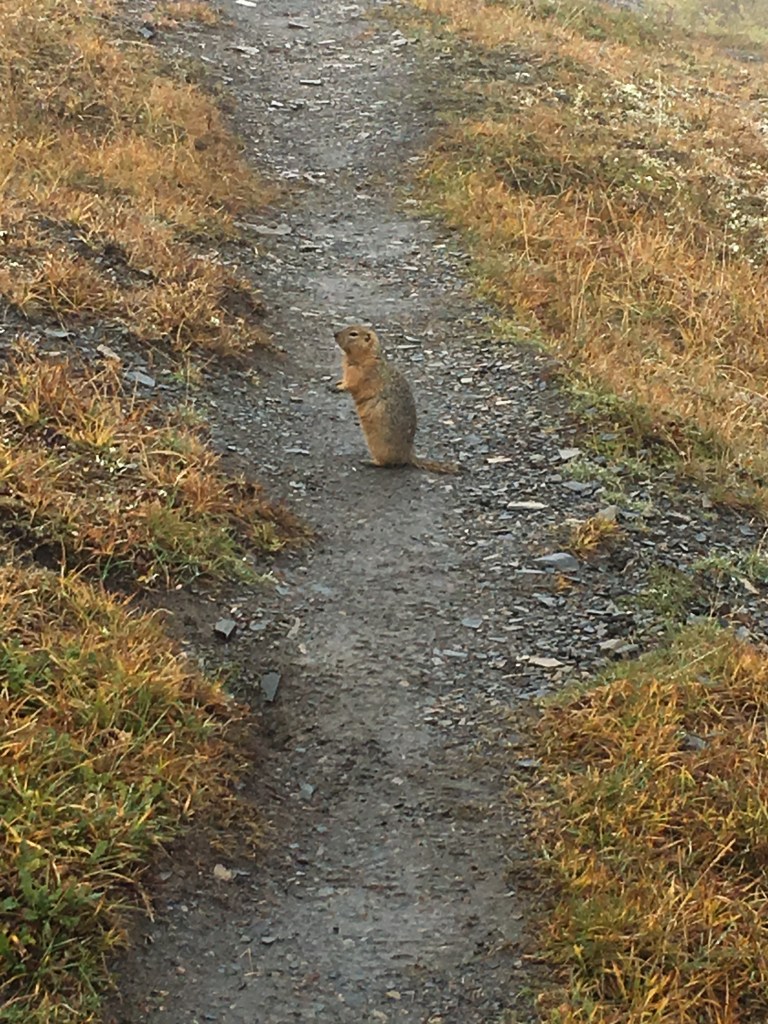
In the shifting cloud cover it was hard to decern where the summit actually was, as each time I thought I got to the top, the shadow of a higher peak farther off could be seen. I knew I finally got to the summit after nearly 3 hours of climbing when the path began to descend. It was here in the sub-alpine mist the I got to see about a dozen very tame and curious ptarmigans.
I was not equipped to overnight at the back country campgrounds so I decided to turn back at this point. Somewhat disappointed that I didn’t get the full experience of the trail, I made my way back to my own campground to have dinner and get ready for the epic drive up to Inuvik the next day. After dinner I took a drive about 20km north of the park where the weather had already improved and was rewarded with breathtaking evening views of the colourful mountains.

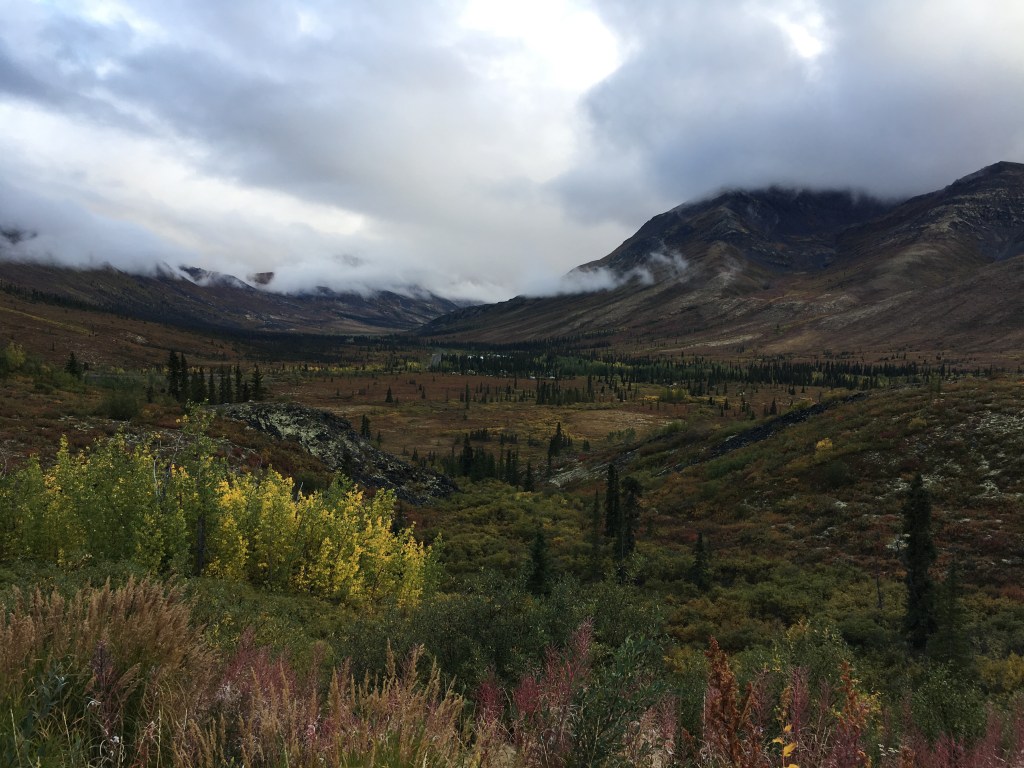
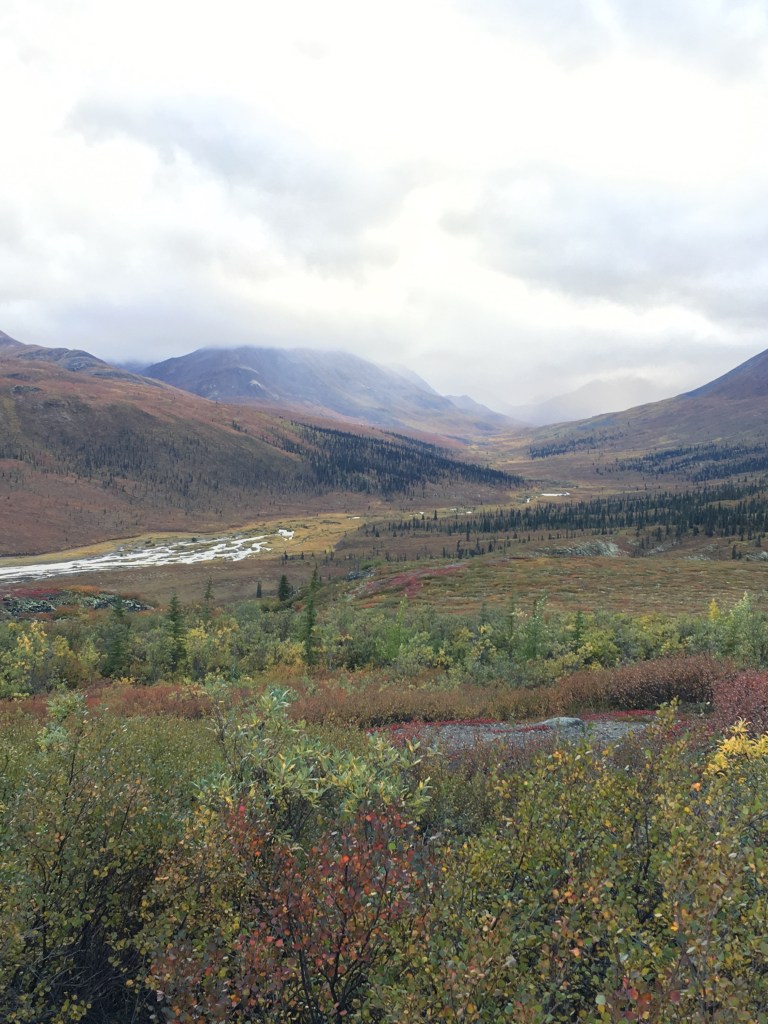
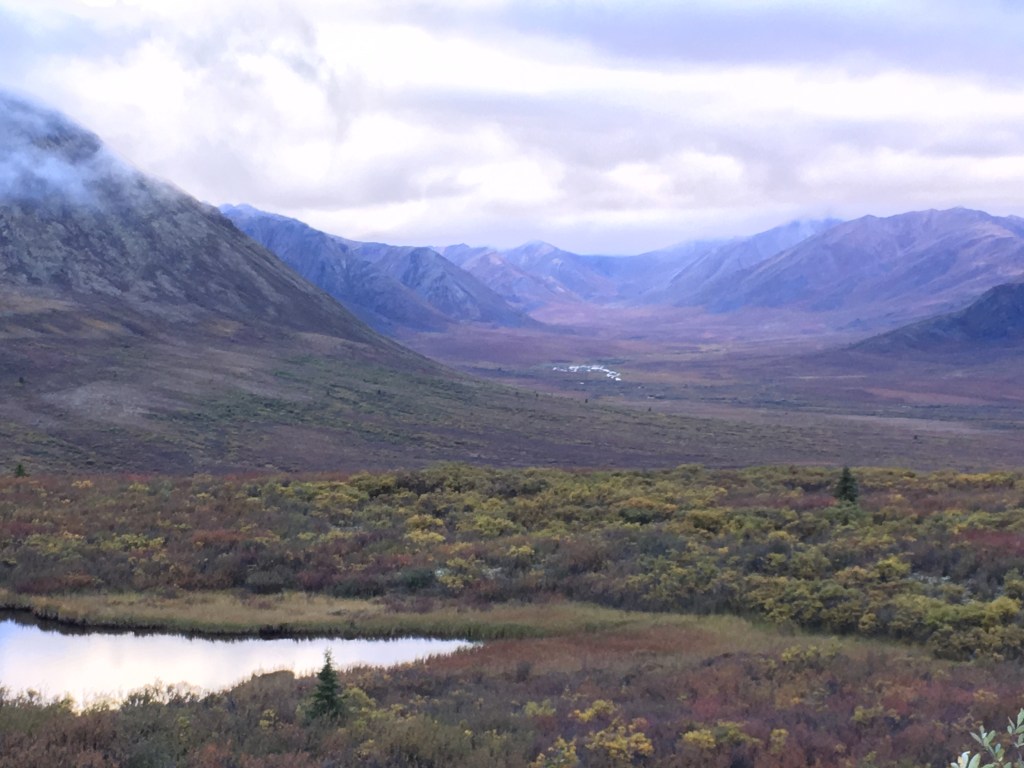
I broke camp mid-morning the next day and started to drive. Just north of camp, the Blackstones were snow capped just since the night before, a warning for how quickly the weather can change. Within a half hour I was in the next range of mountains, the Ogilvies. Sparse and grey rounded off peaks, the Ogilvies provide a moon-like contrast to the colourful meadows at their feet.
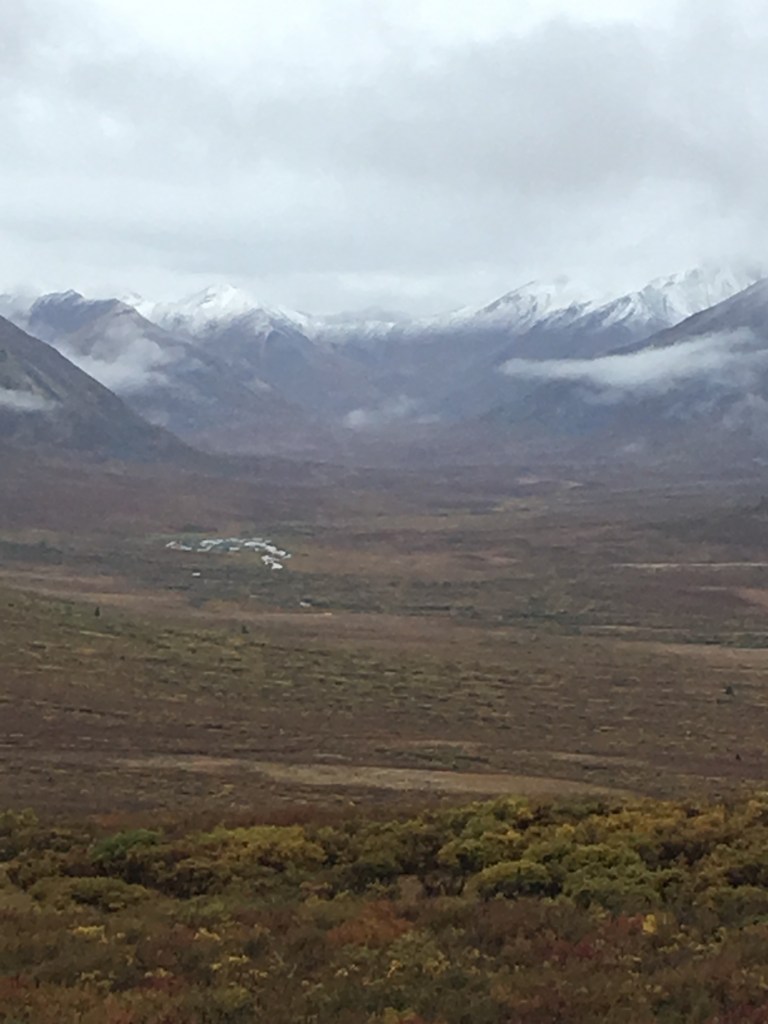
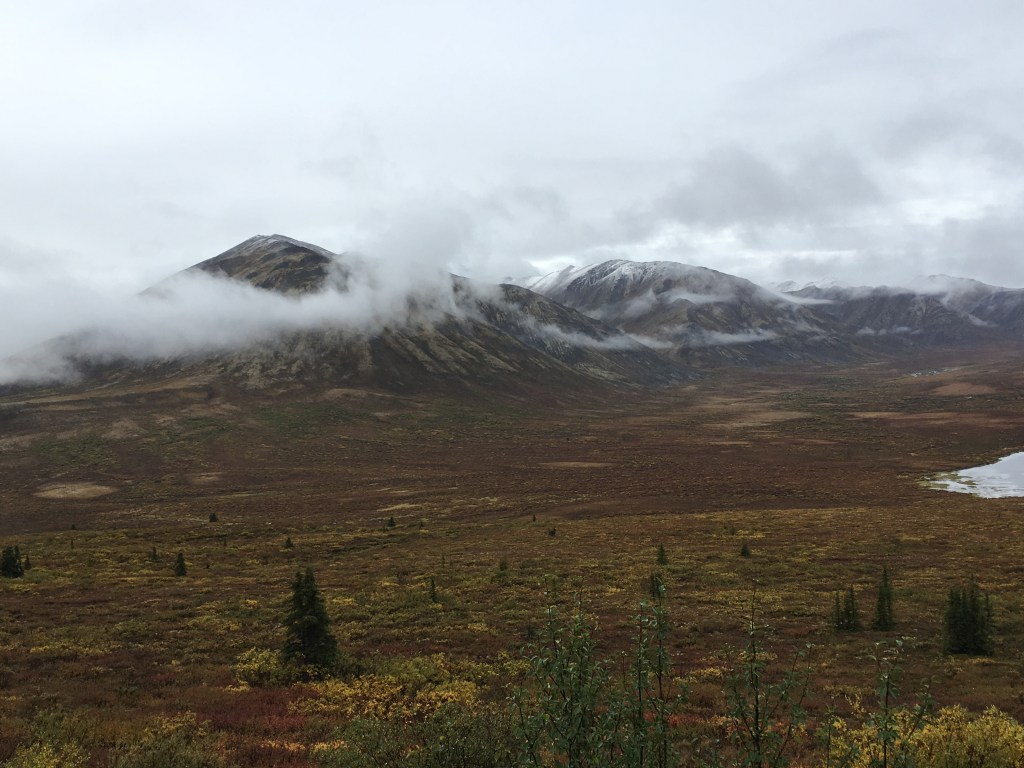
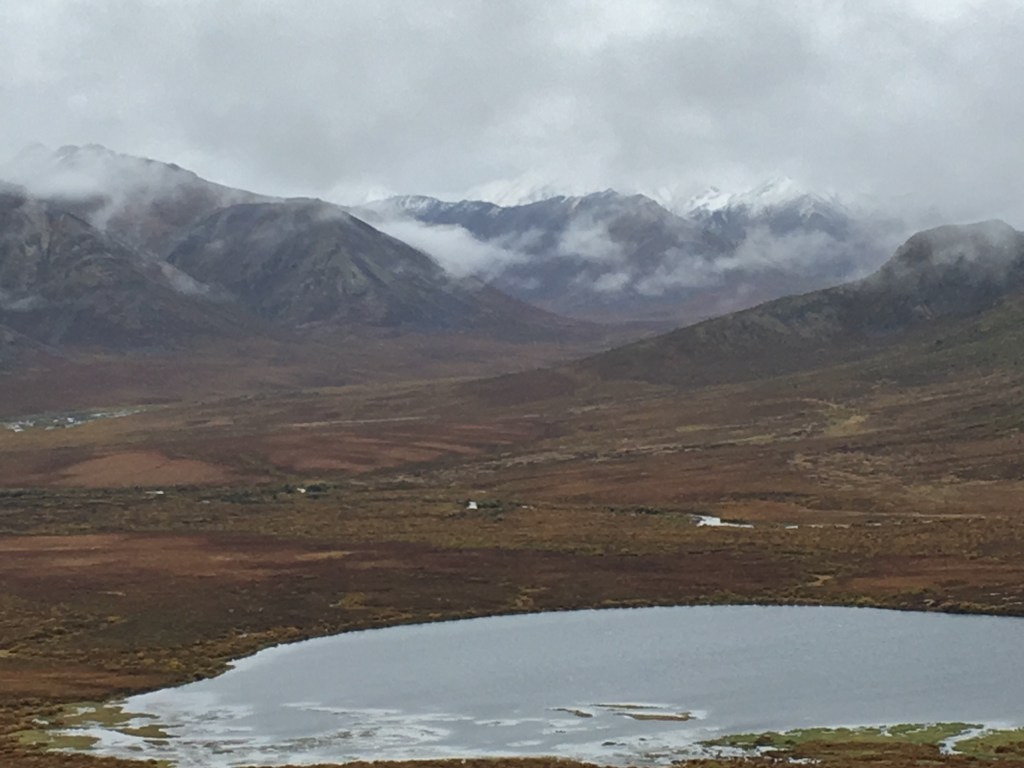
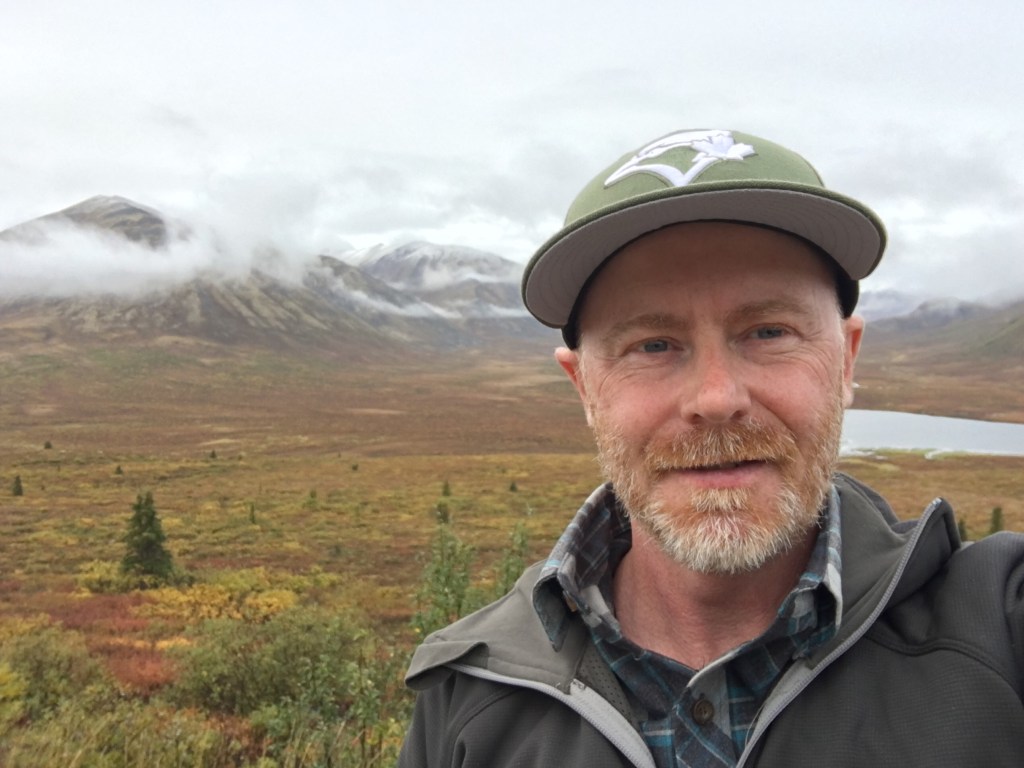
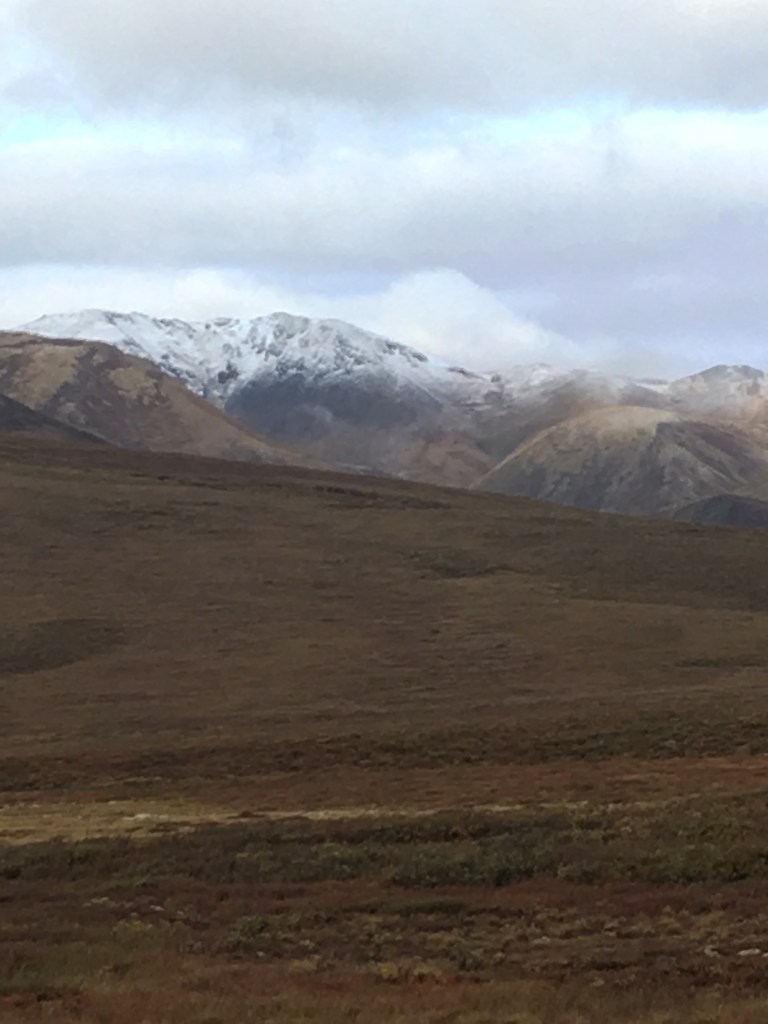
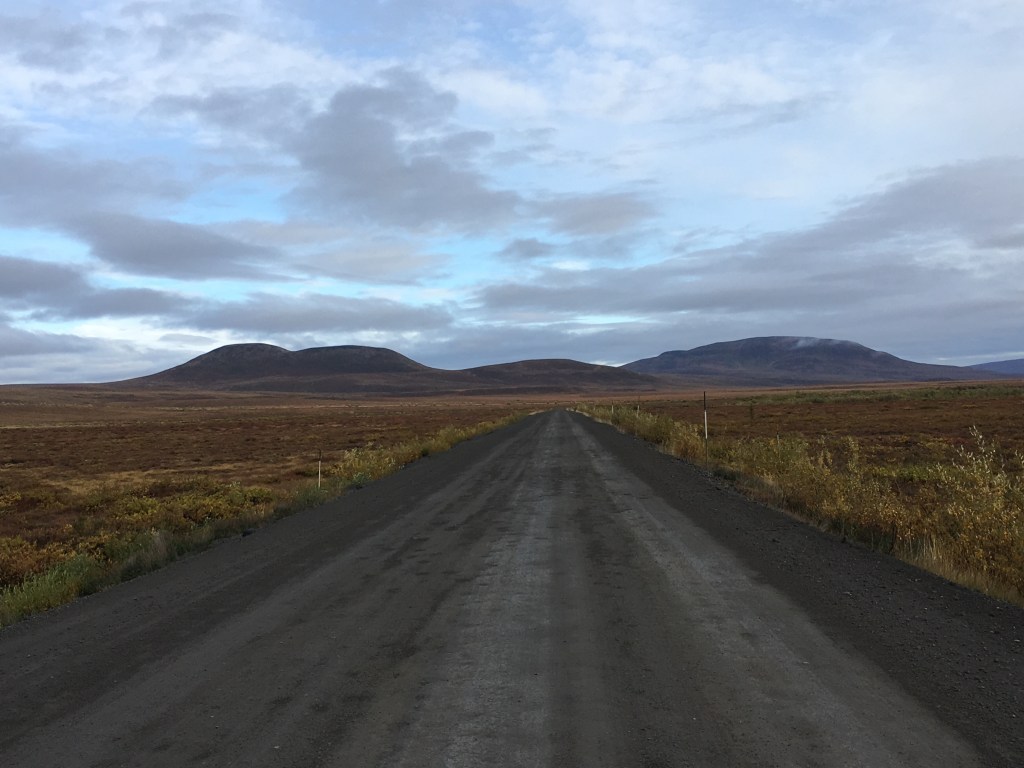
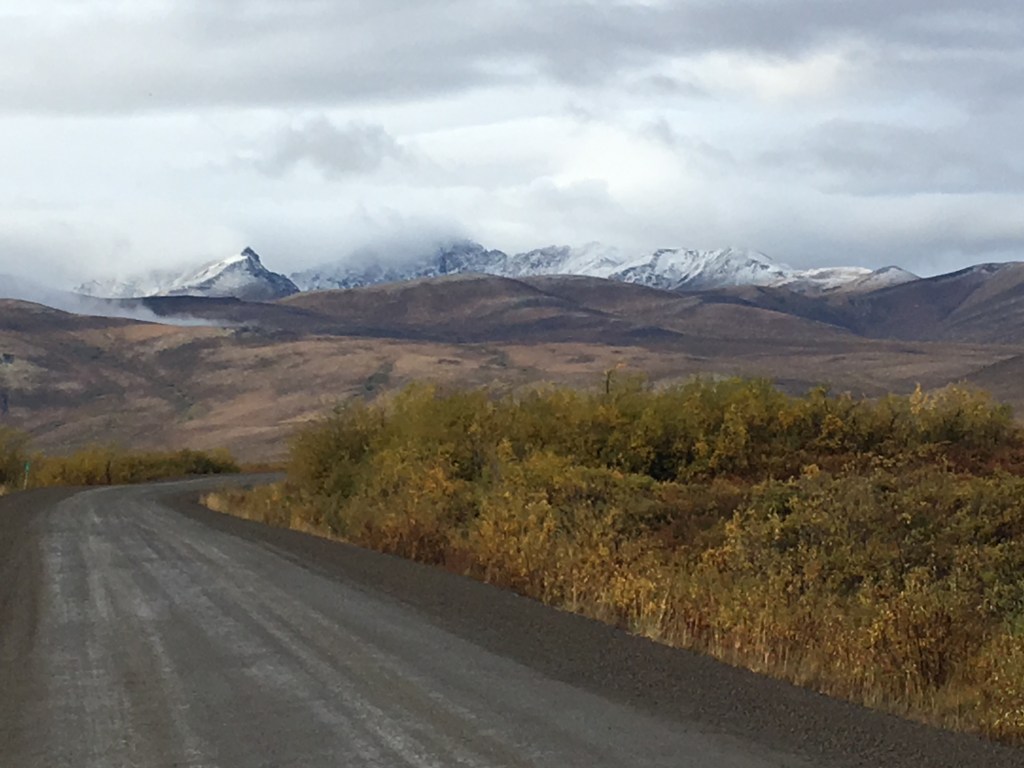
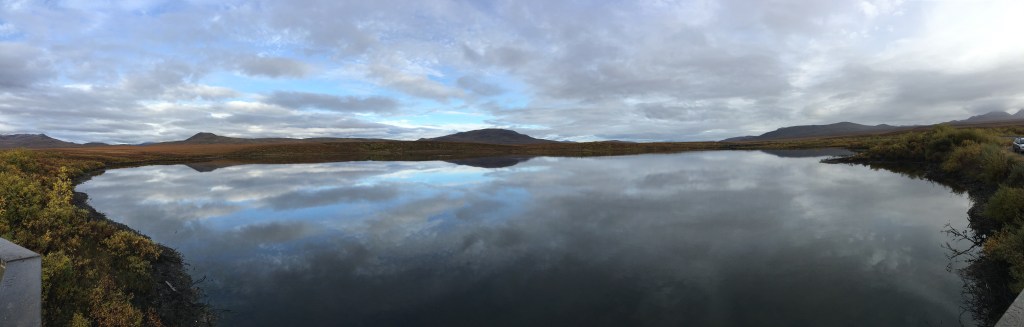
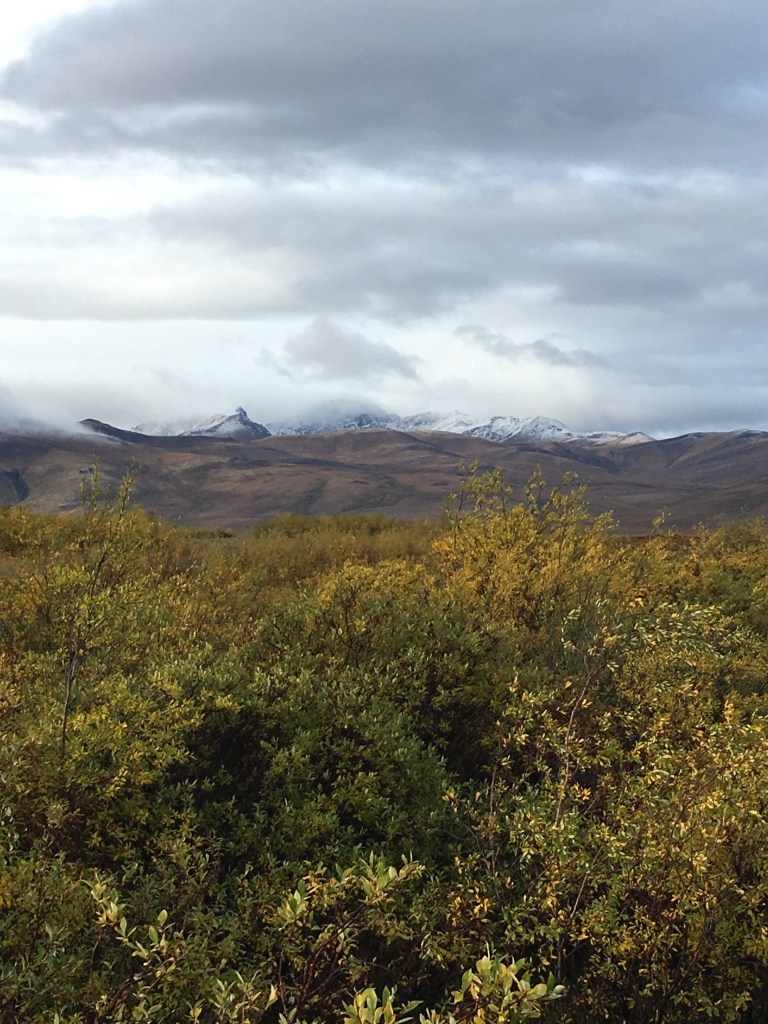
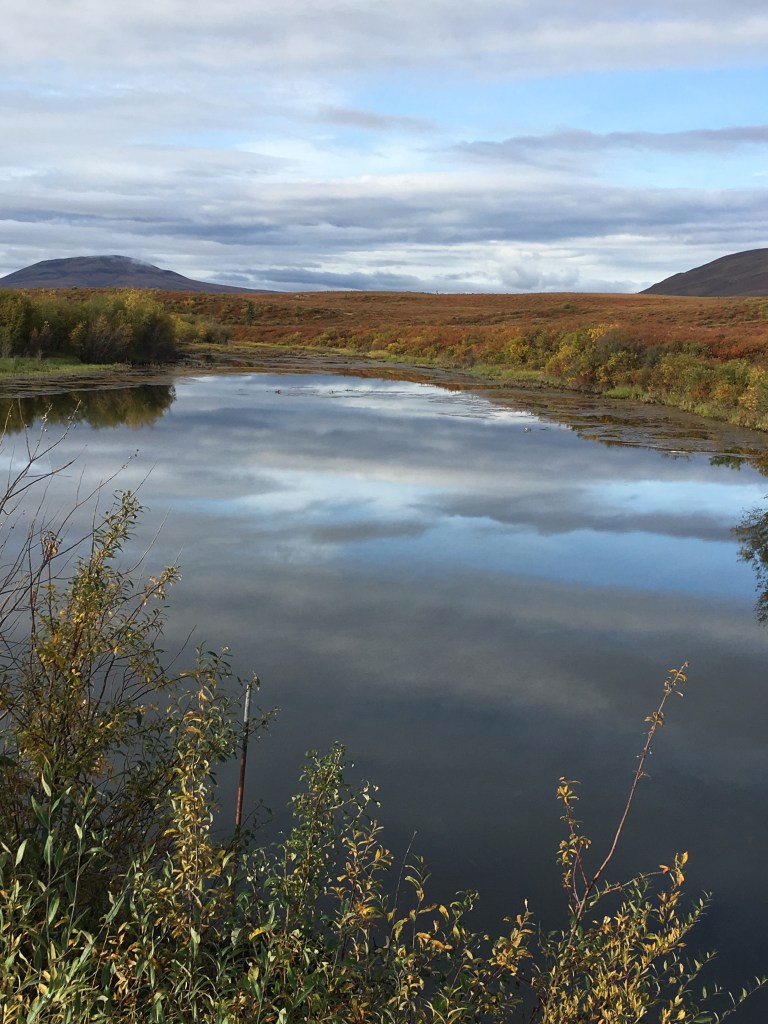
The Ogilvies:


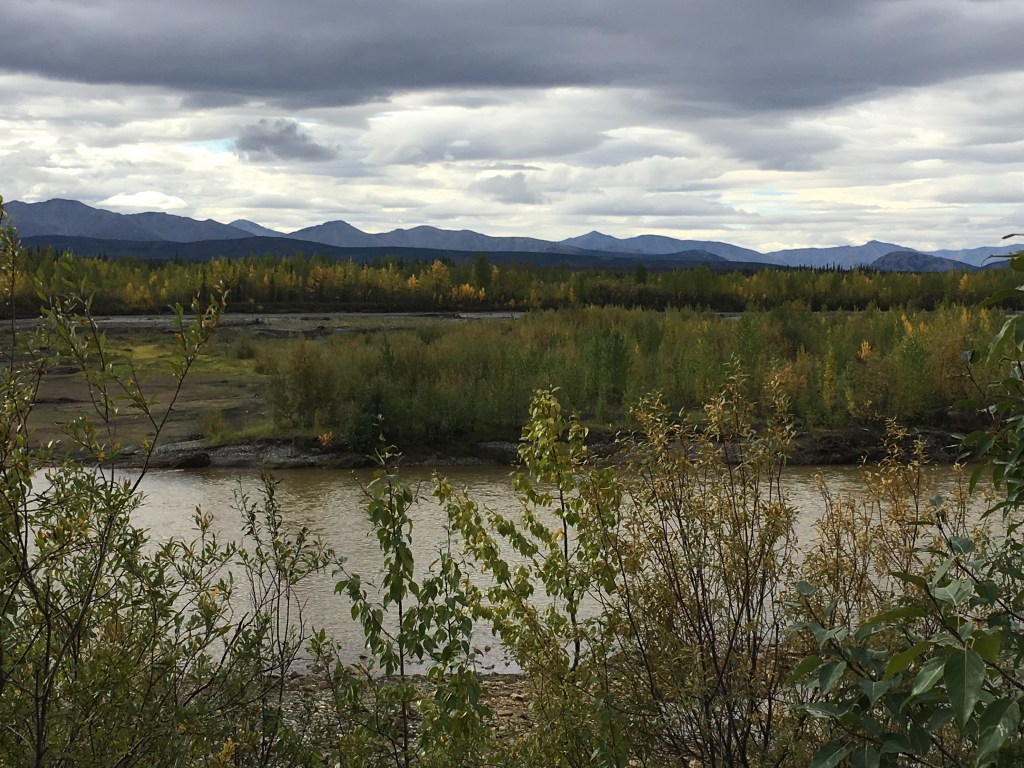
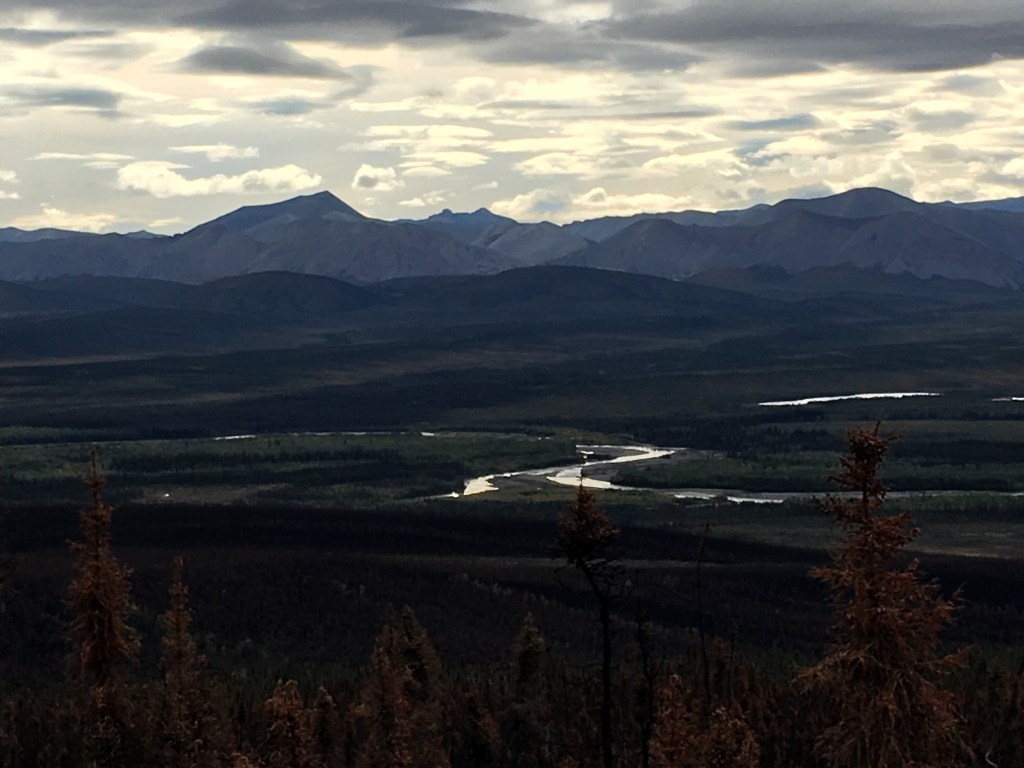
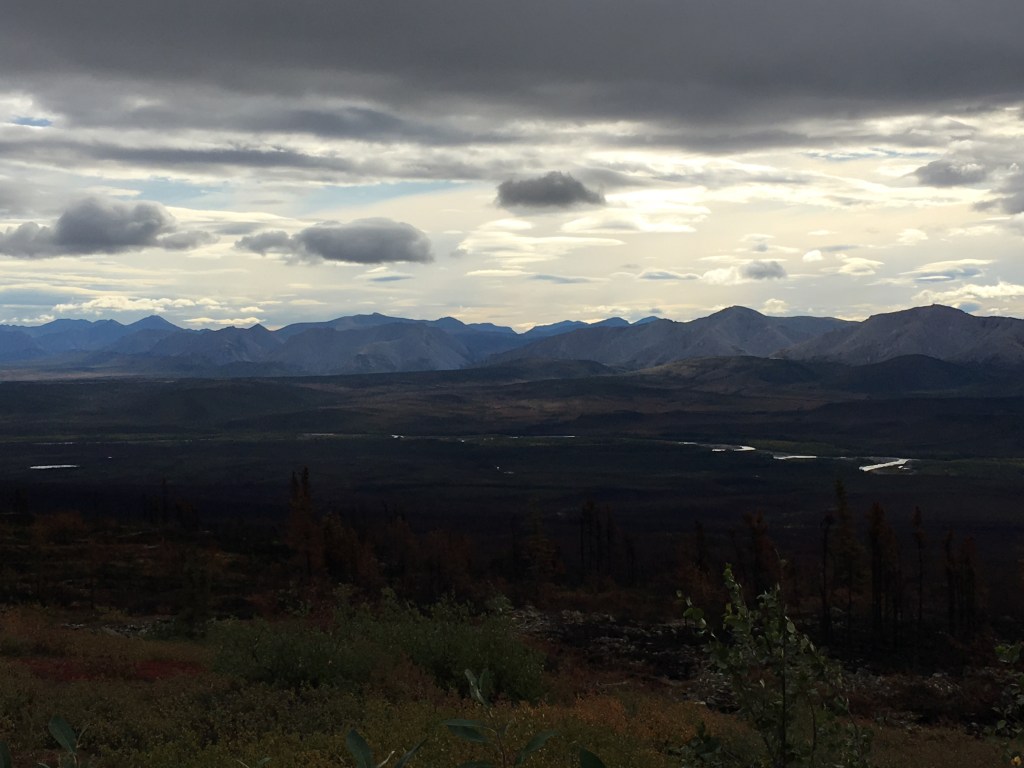
As the Ogilvies faded from view, a wall of higher mountains emerged on the eastern flank, the Richardsons, providing a gorgeous backdrop to the Peel River in the wide valley below. Here, the river is is at its headwaters but later becomes a significant tributary to the Mackenzie thanks to runoff from the Richardsons.
The first rest stop was Eagle Plains at the 369km marker of the highway, roughly half way to Inuvik. One is advised to always gas up here as it is the last station before Fort McPherson, NWT at kilometre 550. I did, and paid $1.45 a litre at probably the most remote service station on the Dempster (points further north get serviced in summer by sea shipments to Inuvik).
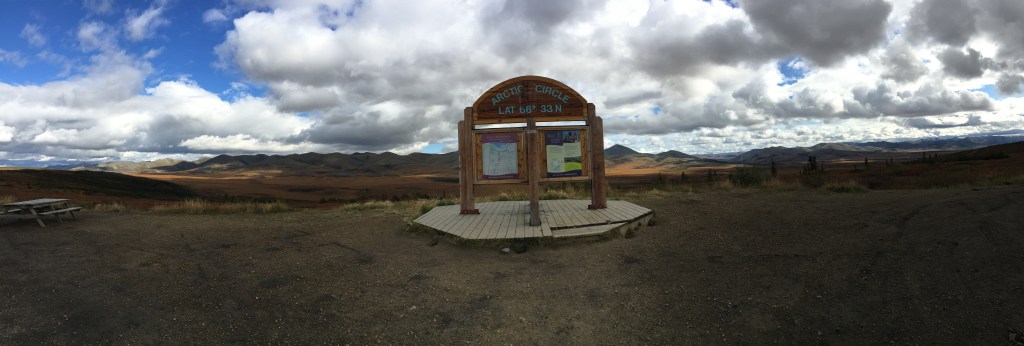
Eagle Plains is the jumping off point for some fun landmarks. First it is the only place in Canada where you can drive across the Arctic Circle. And not far from that, you finally scale the massive Richardson range forming the border between Yukon and Northwest Territories.

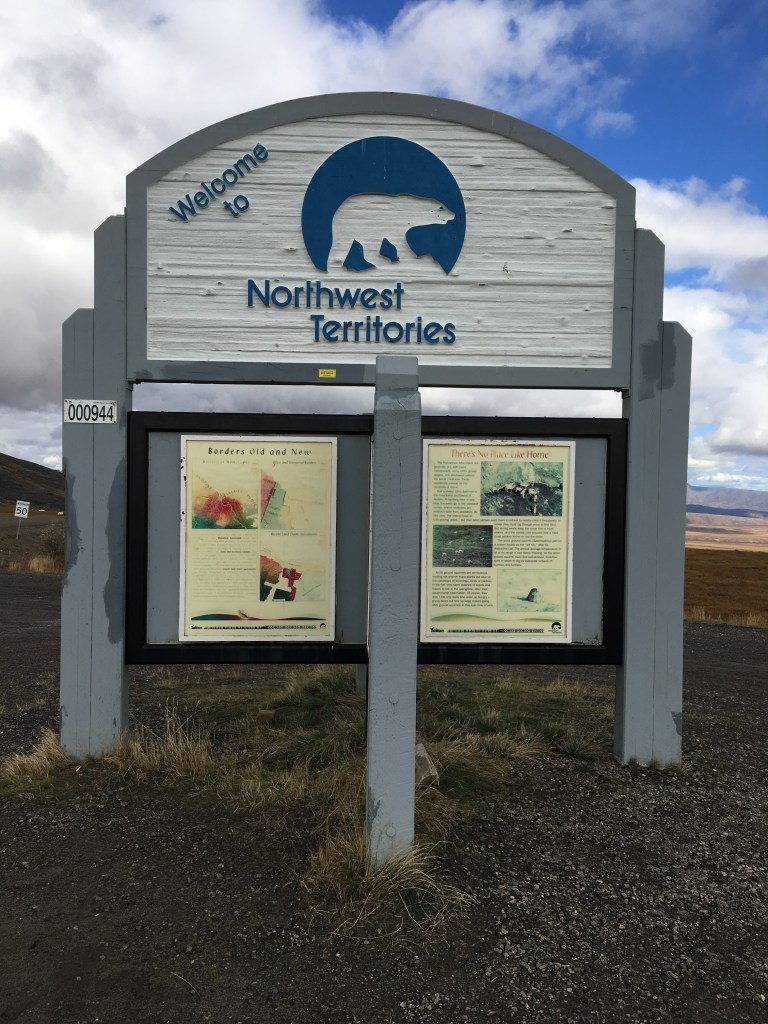
On the other side you catch a glimpse of the massive Mackenzie delta on your left and soon meet up with the Peel River where a handy ferry brings you across at the village of Fort McPherson. Don’t miss the opportunity to check your phone, as this is the first signal since Dawson City near the start of the Dempster. I didn’t wait long for the ferry and was soon on the other side. A moment after that, cell service vanished.
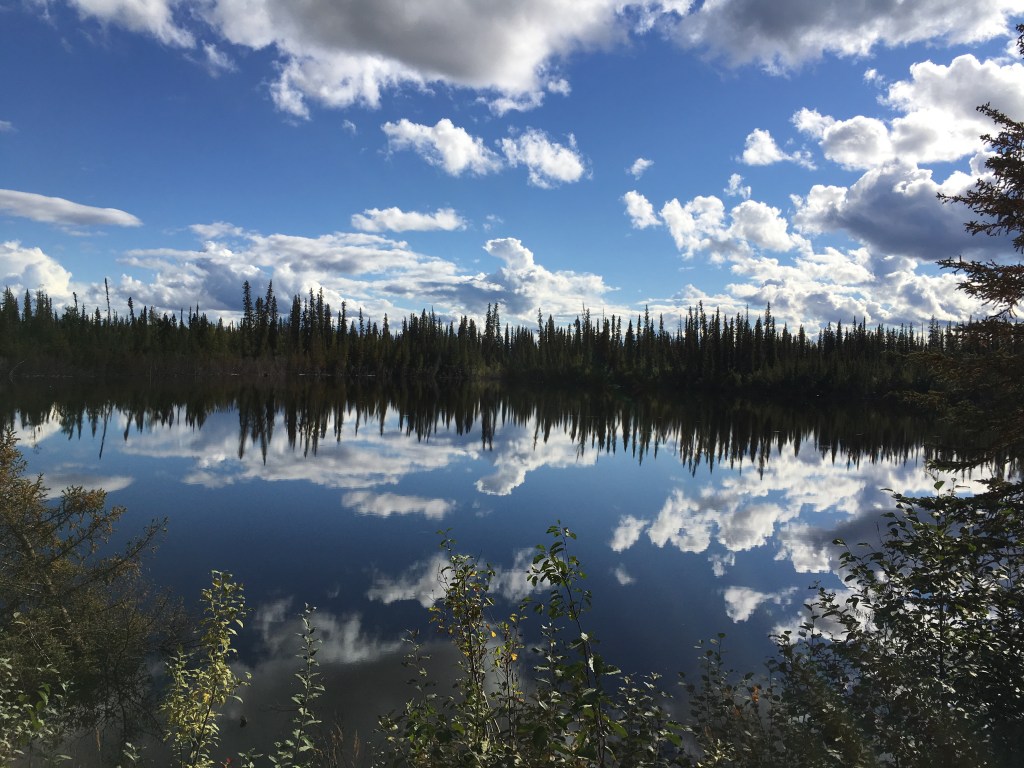
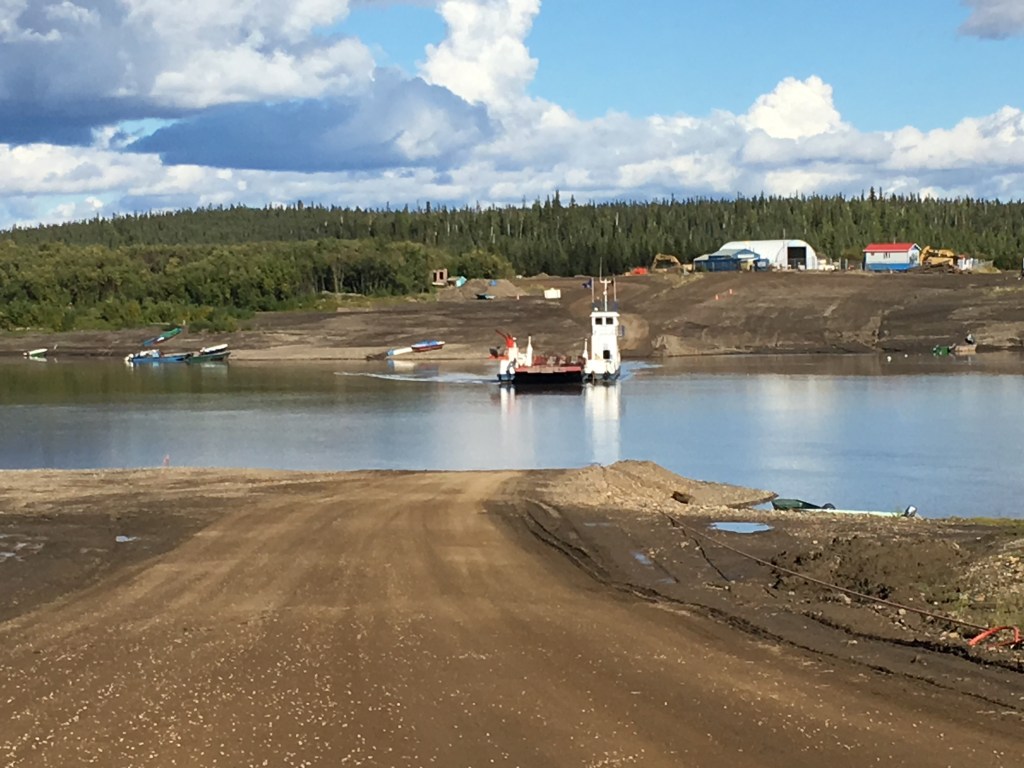
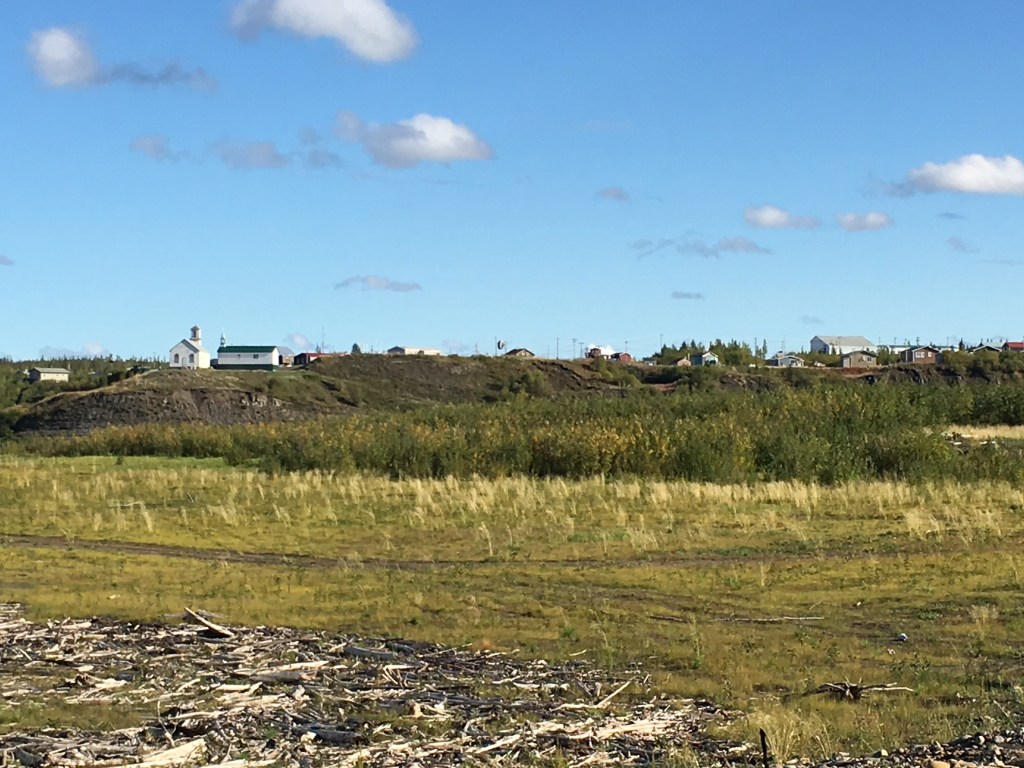
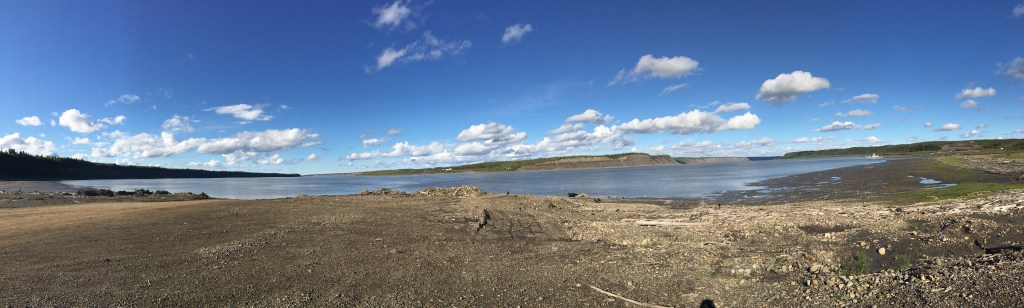
The second and last ferry was 45 minutes later in a picturesque village called Tsiigehtchic on the banks of the Mackenzie. To understand the significance of this river, consider that its watershed is 1.8 million square kilometres, exceeded in the Americas only by the Amazon and the Mississippi. One fifth of all the fresh water in Canada (and Canada accounts for one fifth of all fresh water in the world) drains through the Mackenzie and its delta. Cell service is a little better here than Fort McPherson (in case you cared!).


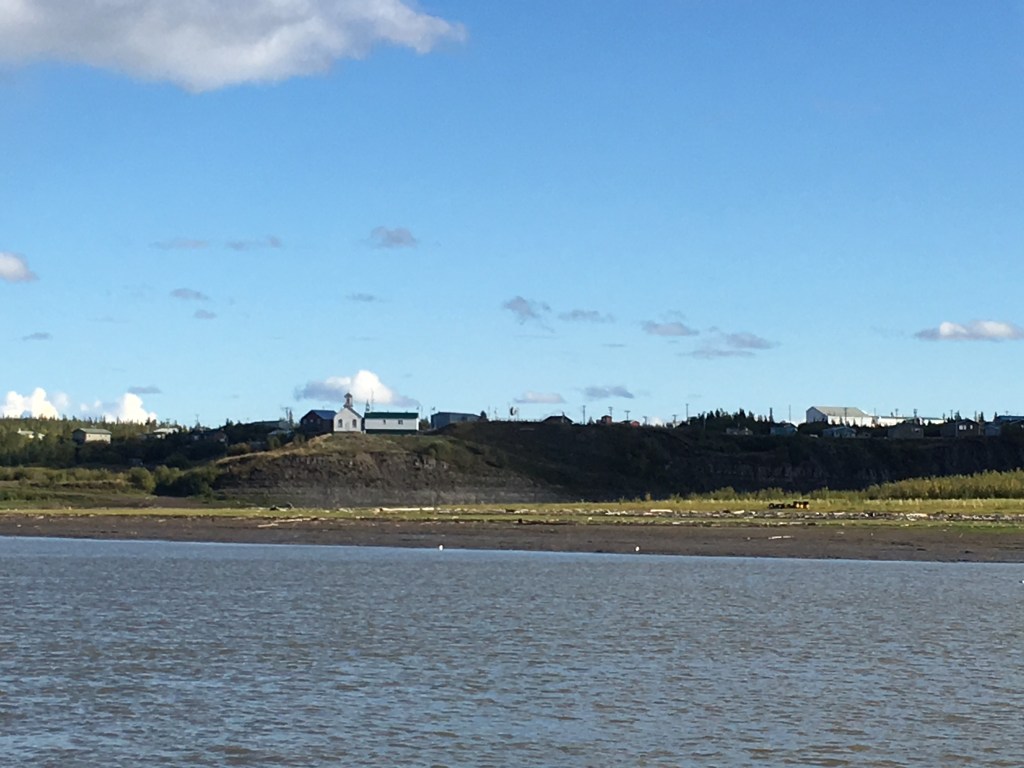
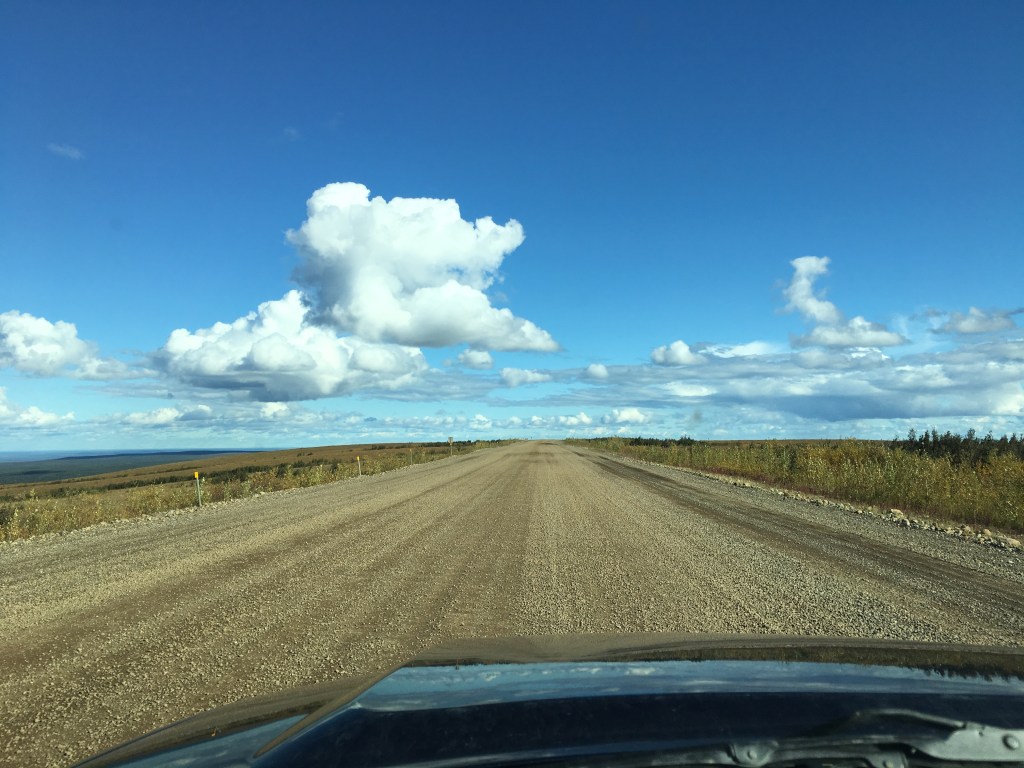
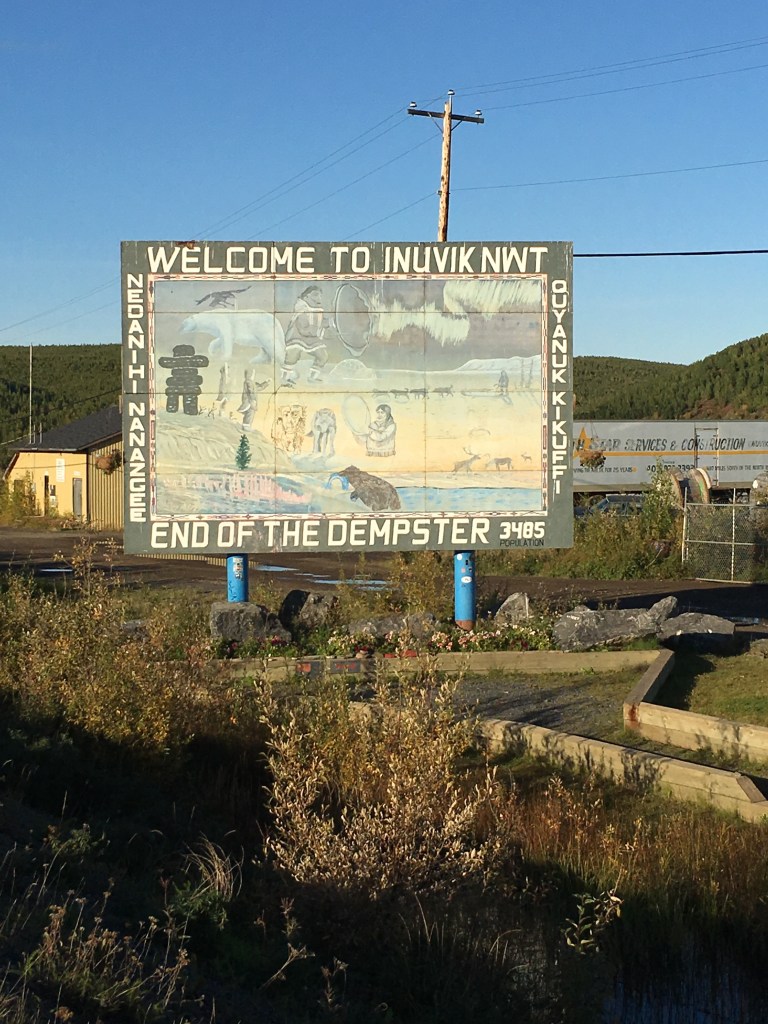
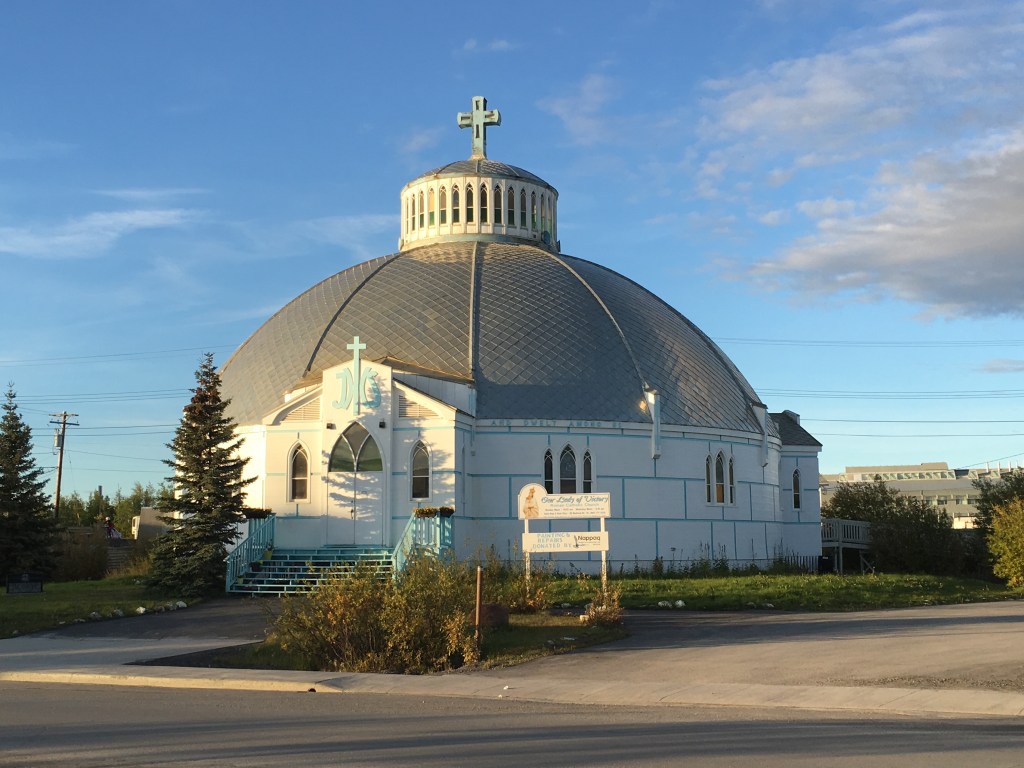
The final 120km of the Dempster are remarkable for two things. First, it shows off the immensity of the boreal forest that probably would have no business being this far north except for the nourishing feature of the mighty river and its watershed. Second, it demonstrates (my theory anyway) that after years of tedious construction through mountain passes and permafrost to the south, the engineers probably got wildly impatient to see the end of the highway’s construction and built perhaps the straightest highway on the planet. At one point, I measured a 23km stretch without a bend. After a curve, another 22km cannon shot through the forest. And then, a few twists and turns, Inuvik. Bizarrely enough the worst stretch of the entire Dempster highway is the last 10 km from the town’s airport to the town. It’s paved – and pavement heaves in the shifting permafrost. Why is it paved? Apparently for the Queen’s visit some years ago.
 sedativegunk