(This posting is for my trip to France that occurred in spring 2017)
In the early 2000s I was working a job that brought me in contact with a lot of military history. In January 2000 I set off for France with the intent of recapturing the lost youth of a previous summer spent there in 1992. I also wanted to check out some important historical sites, including Vimy Ridge and Dieppe. The experienced marked me in many ways, most of all in reflecting on my years as a directionless teen and early adult and how that contrasted with the young men of that age who in the midst of WW1 were volunteering and dying in trenches in western Europe. I had the luxury of life choices that had nowhere near the consequences that young men 80 years before were suffering.
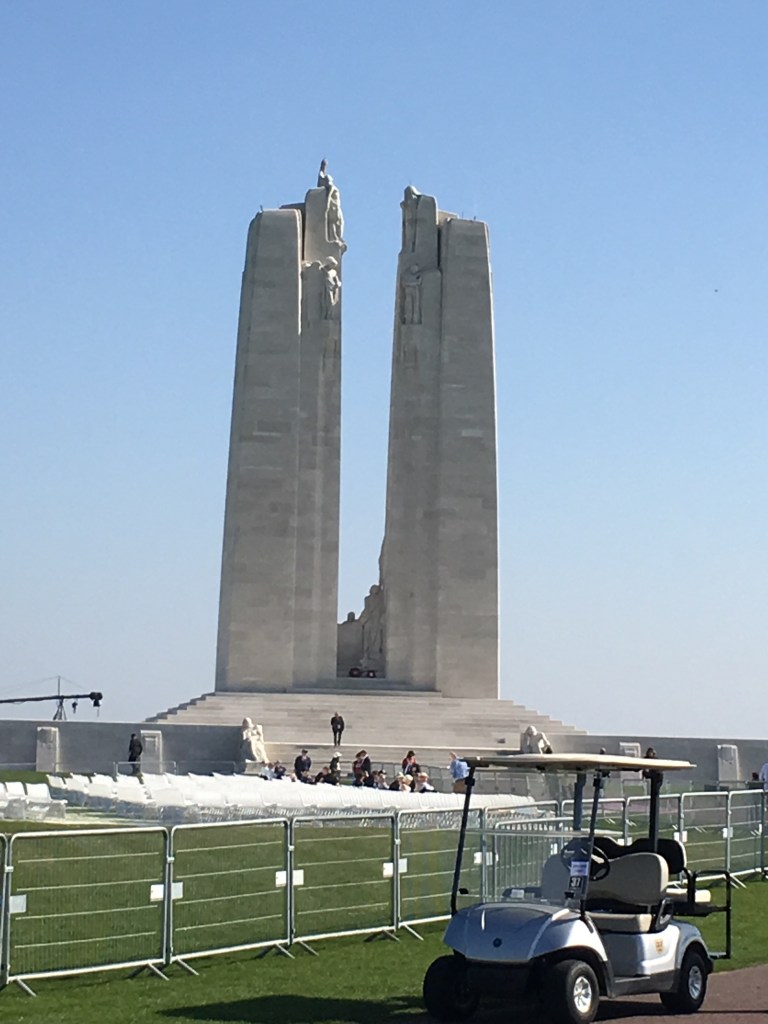
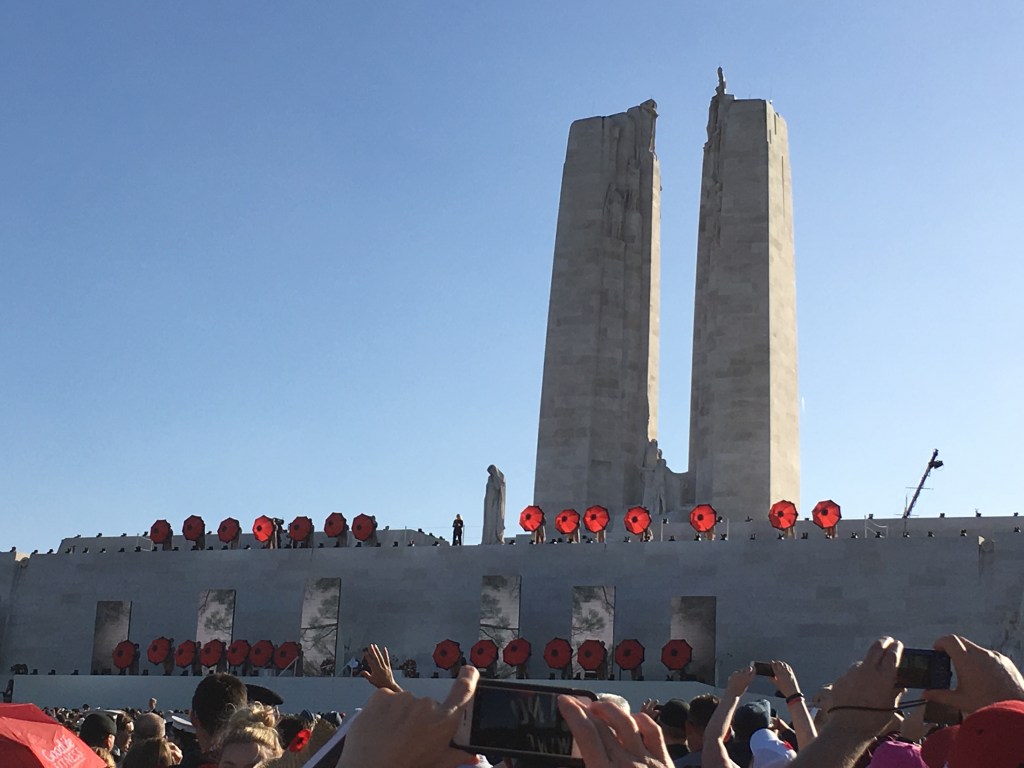
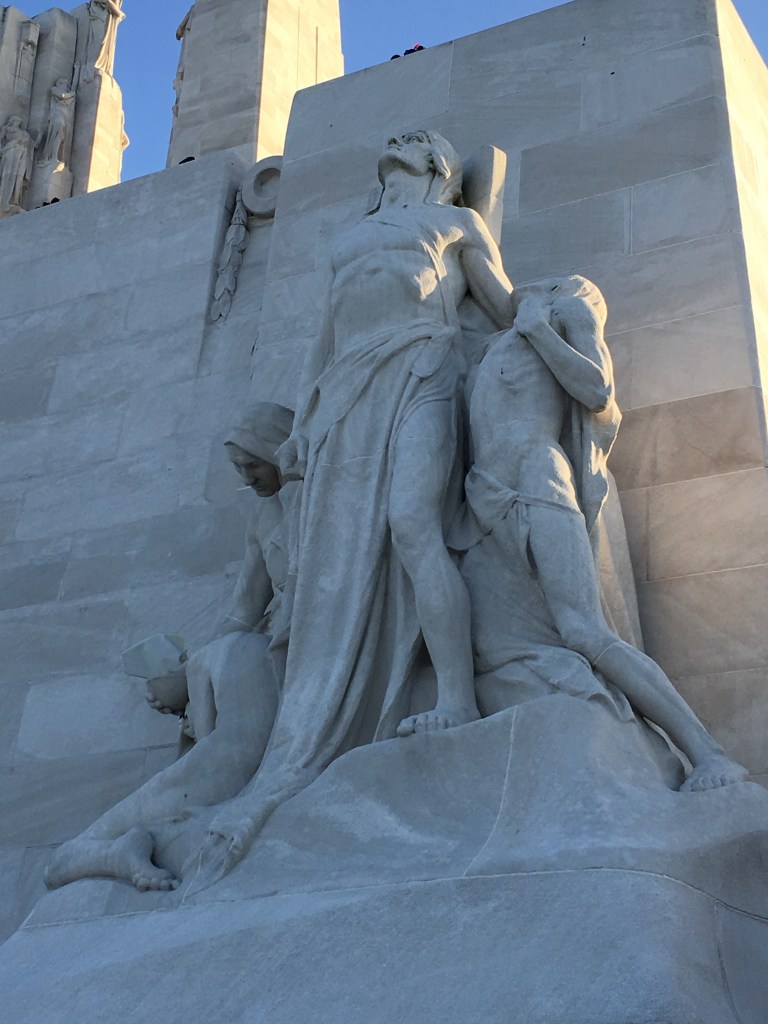
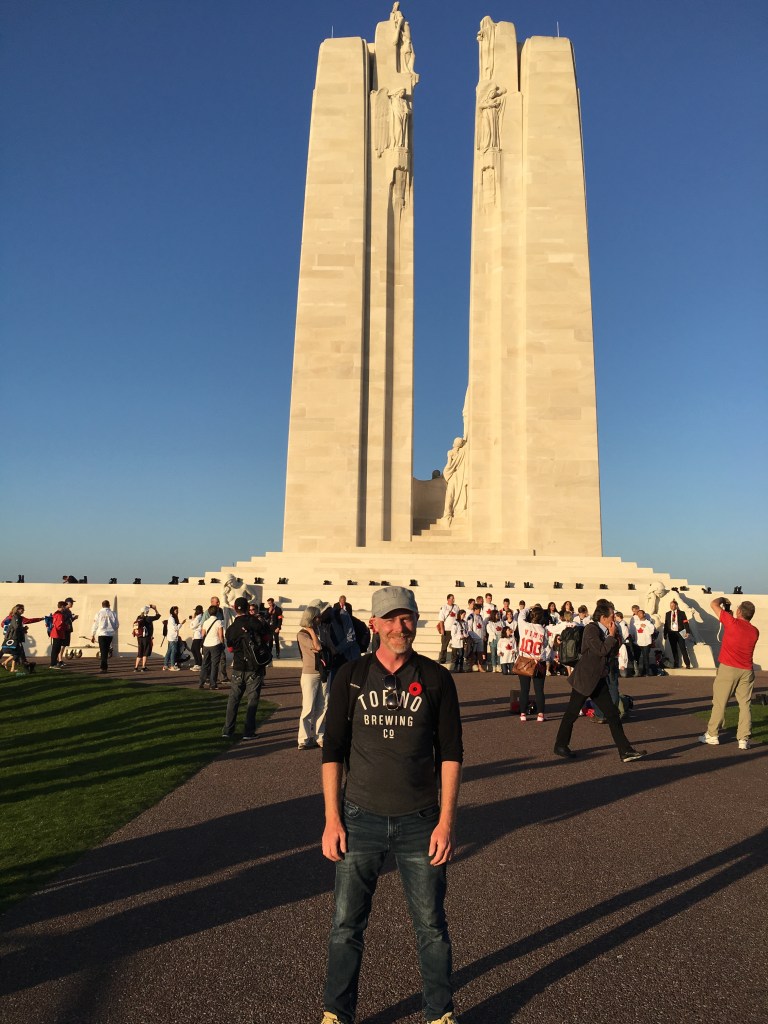
The story of Vimy in 1917 is often told as a coming-of-age story of a young country. Canada, given the chance to lead a mission to break the 3-year stalemate at Vimy, delivered elusive success to the allies. The French were so grateful for the Canadian efforts to liberate their country they granted Canada carte blanche to stake out land as it saw fit to build a monument to its fallen. The result of France’s gesture was a stunning and graceful limestone structure with 60,000 names of fallen soldiers etched in it.
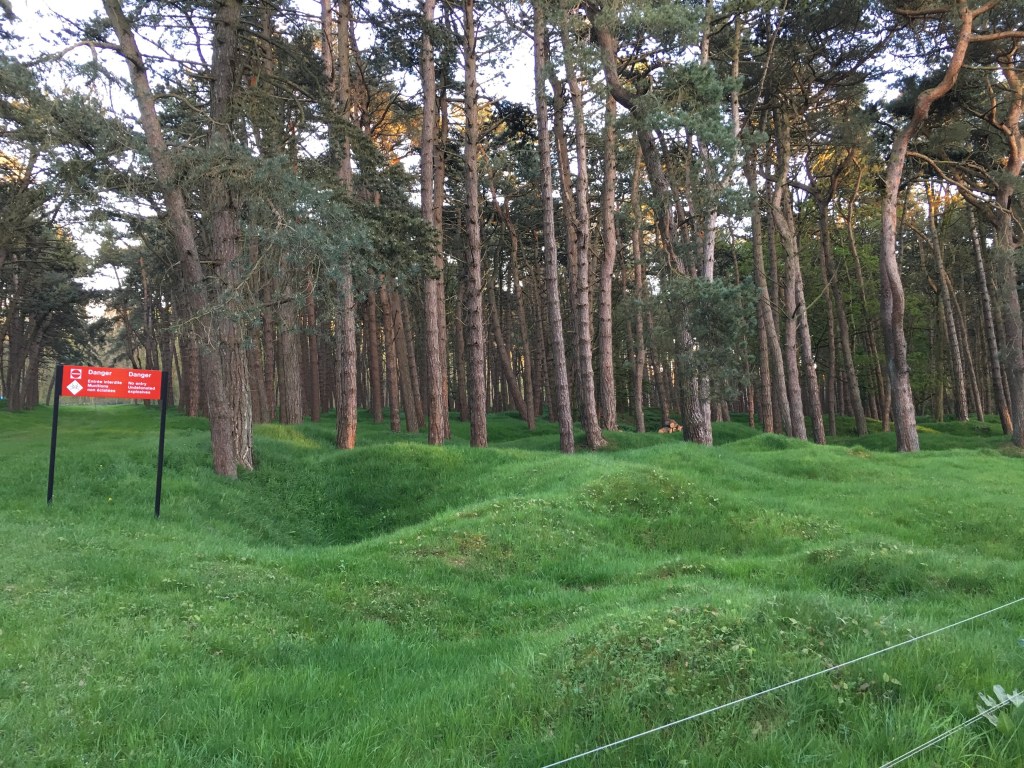
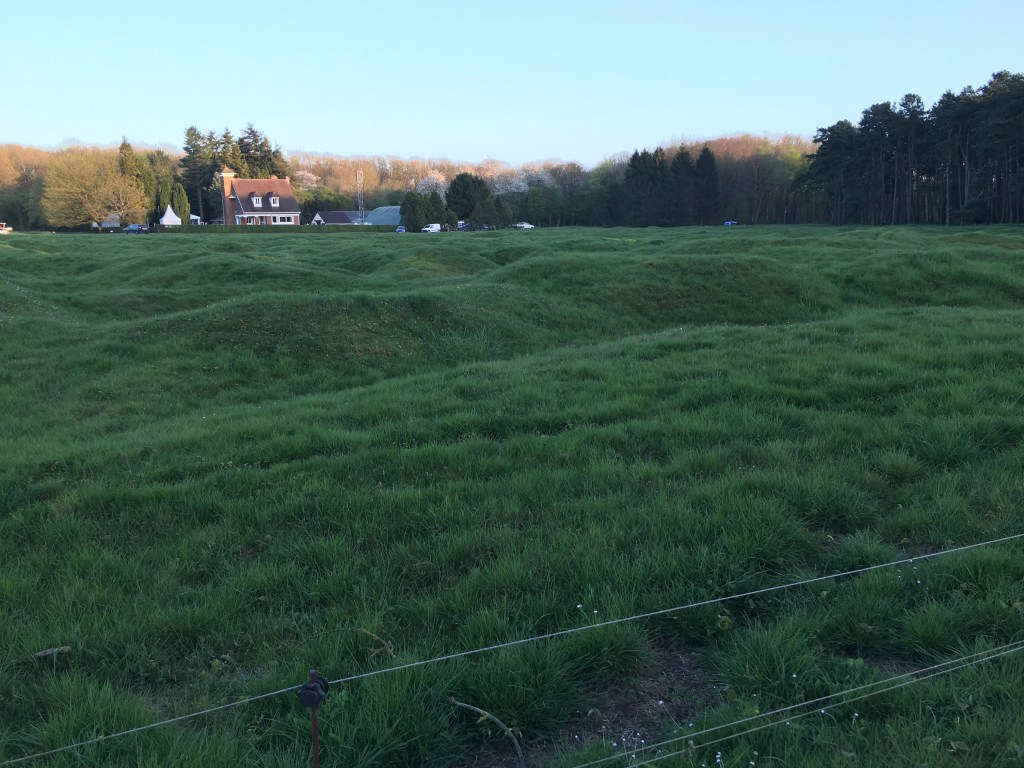
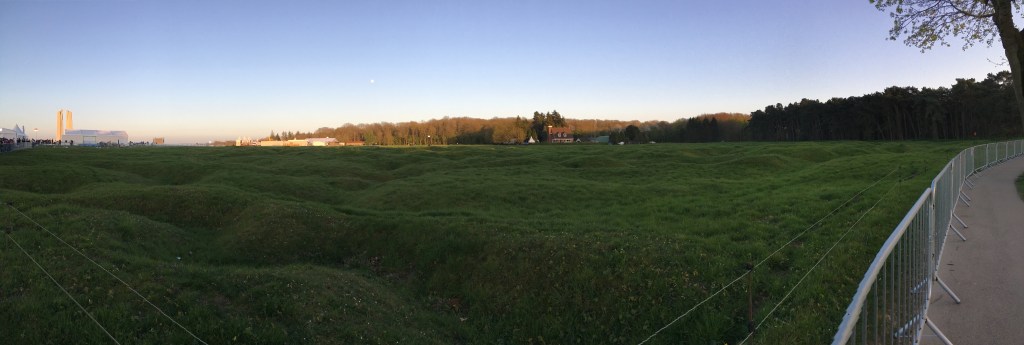
Back in January 2000, I arrived in the village of Vimy before dawn, stumbling around somewhat in the winter darkness to find my way to the site. Forty-five minutes later I would arrive on the grounds to a cloudless morning sunrise. I still get a shiver when I think of that moment coming around the trees, walking by 80 year old bomb craters and finally seeing the white pillars of Walter Allward’s masterpiece. With the entire place to myself, I sat and wrote a diary entry that morning filled with the emotion of the moment.
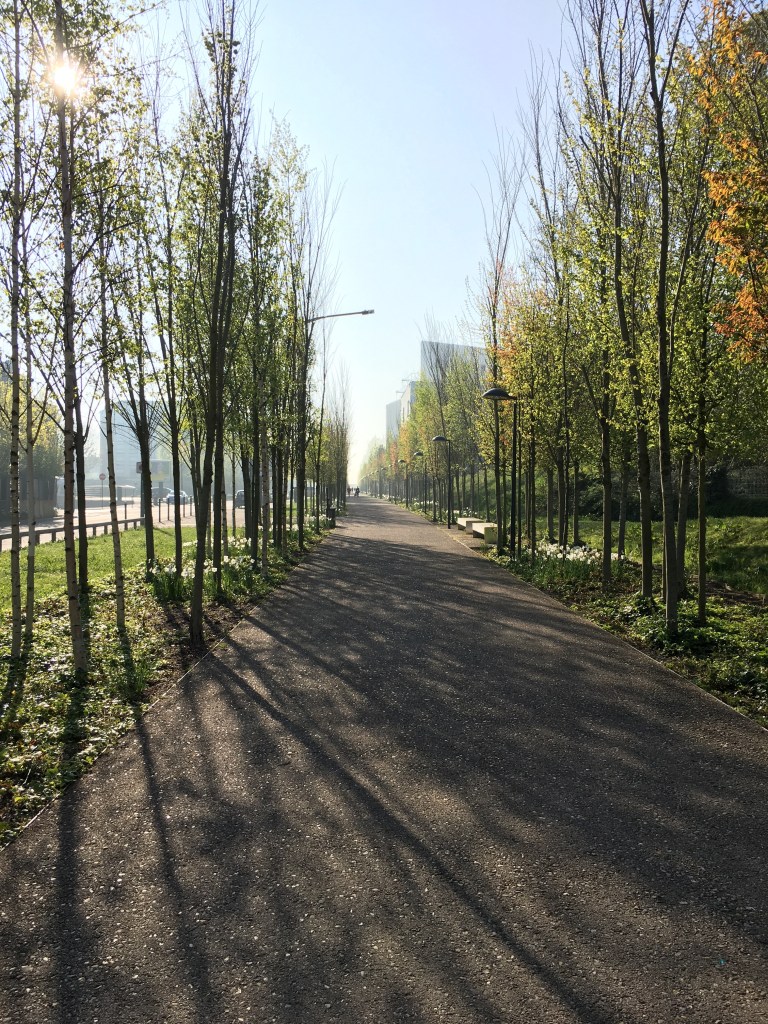
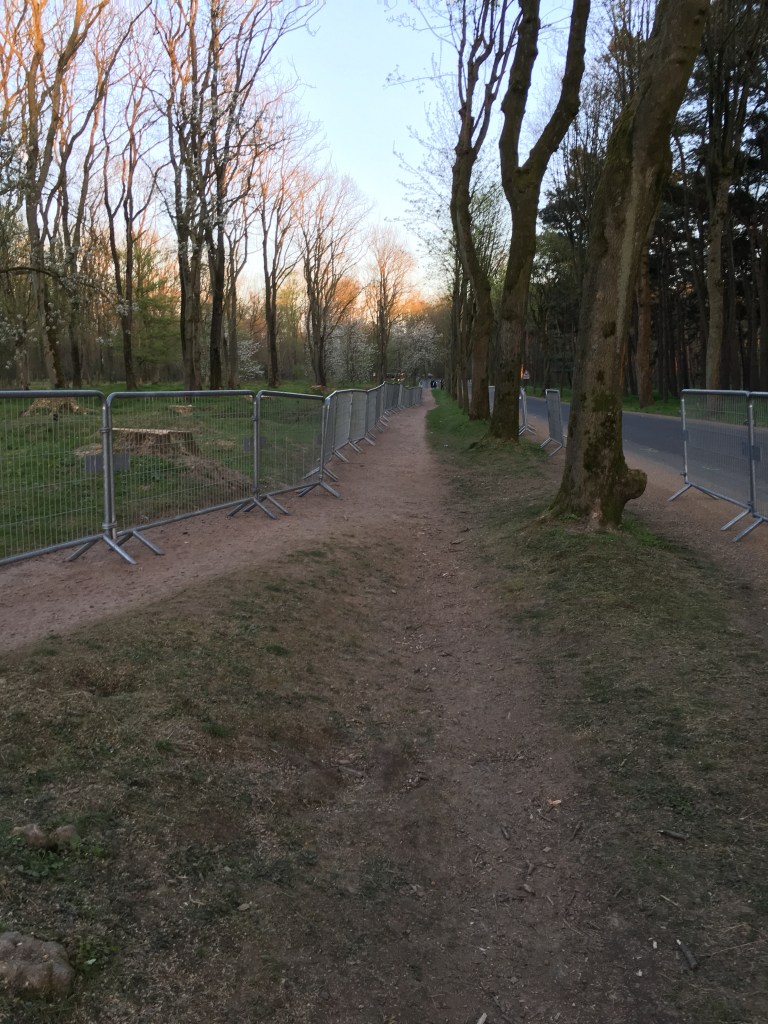
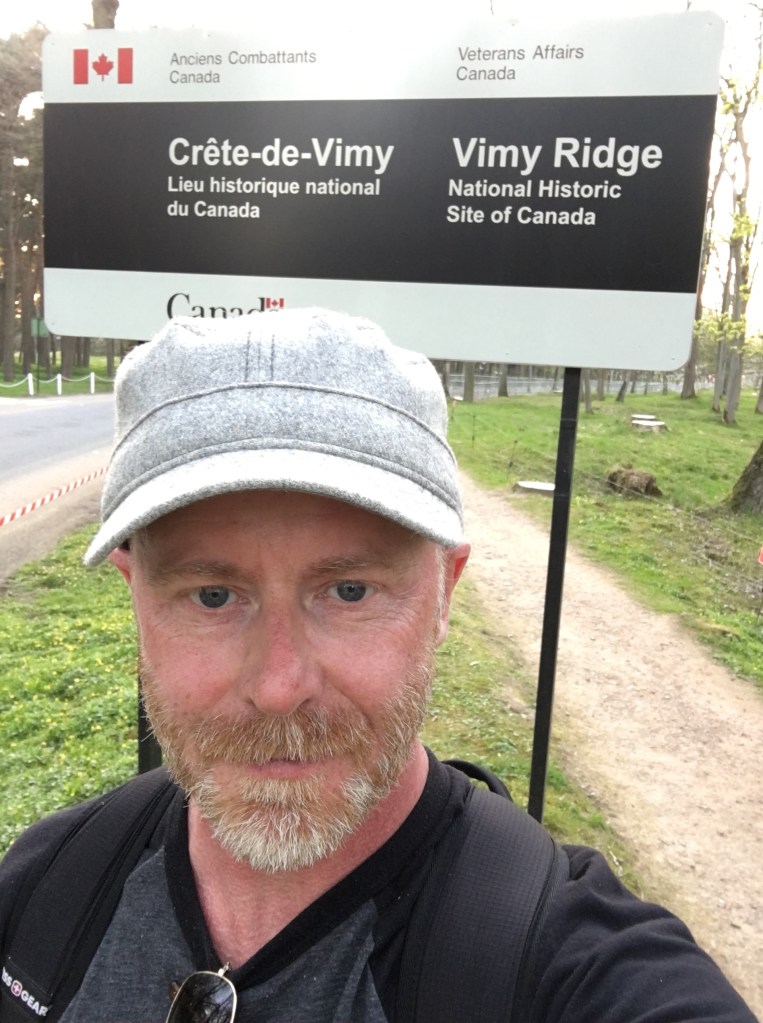
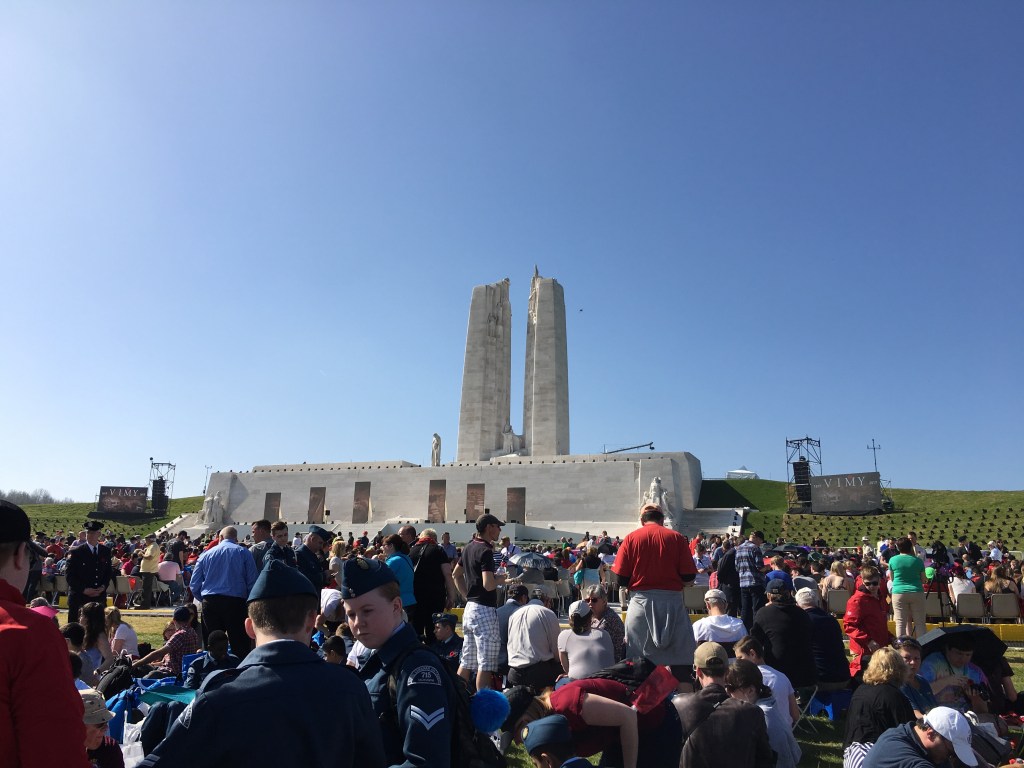
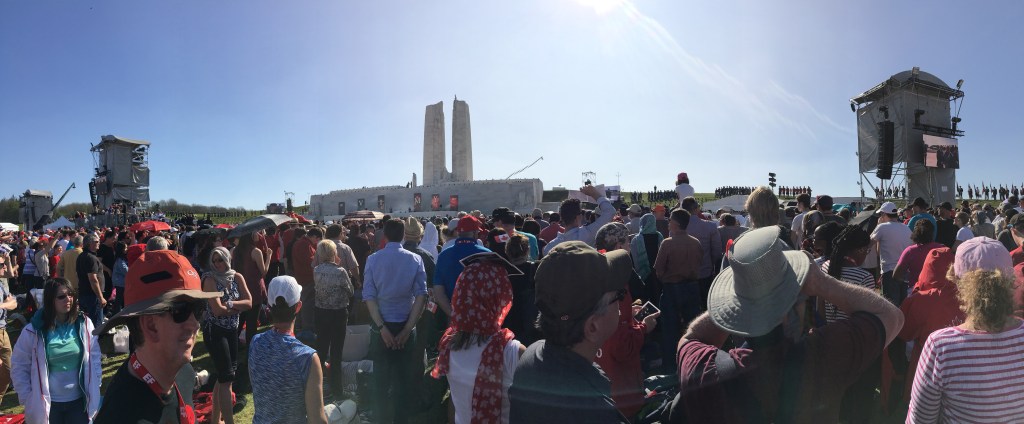
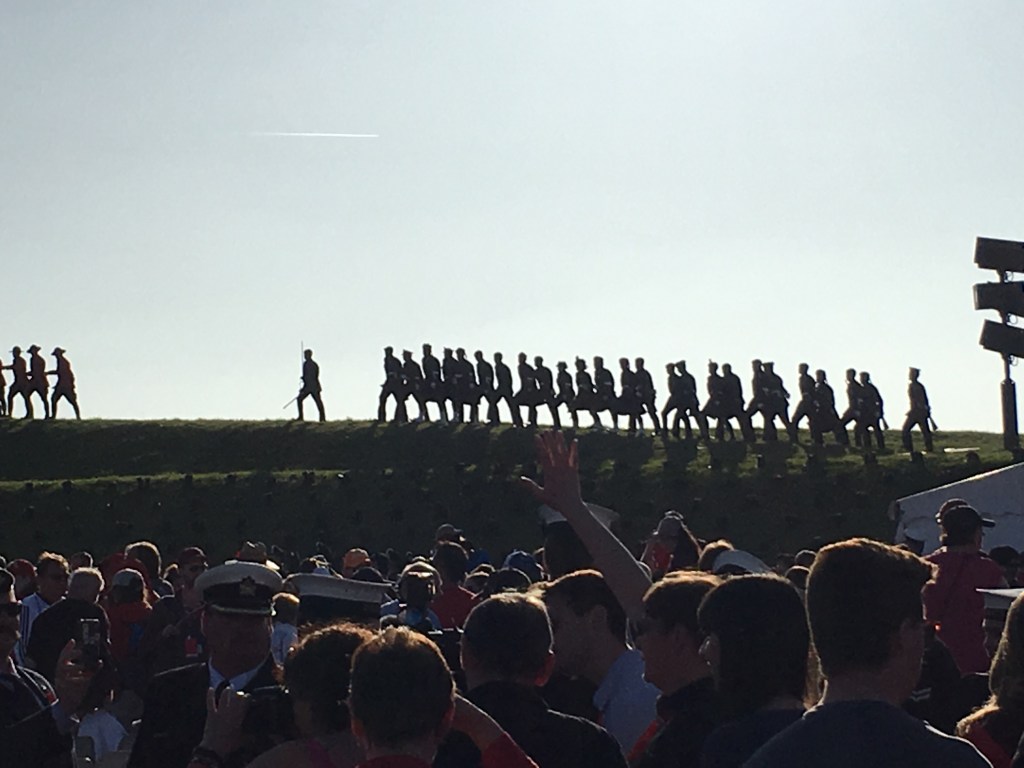
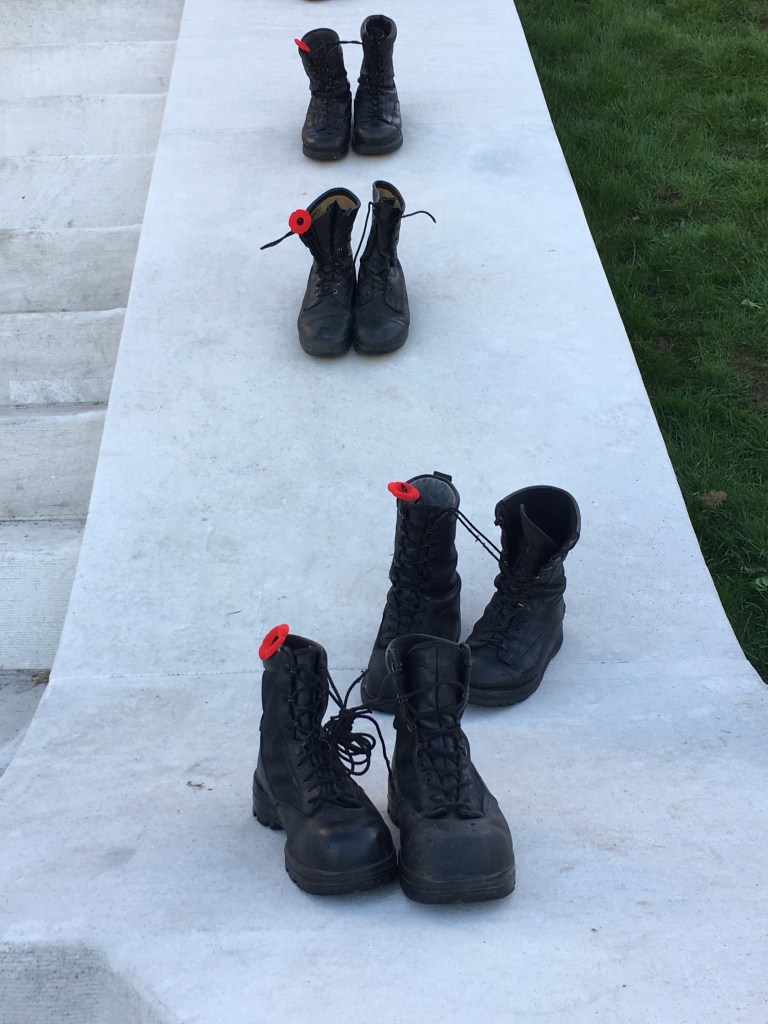
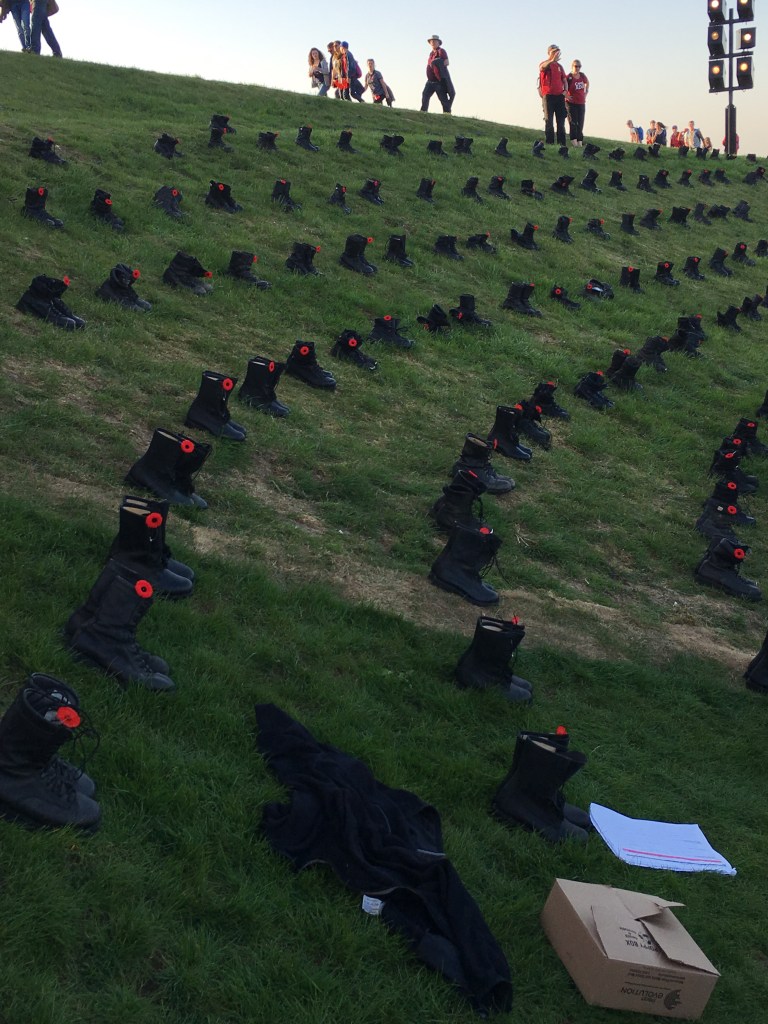
So when the Canadian government announced there would be a centenary ceremony in 2017, I decided immediately that I would go back to attend. And so on the morning of April 9, 2017, I walked from nearby Lens to the Vimy memorial. The 2-hour walk would give me a chance to contemplate the splendour of the monument from afar. Here are some photos of that day.

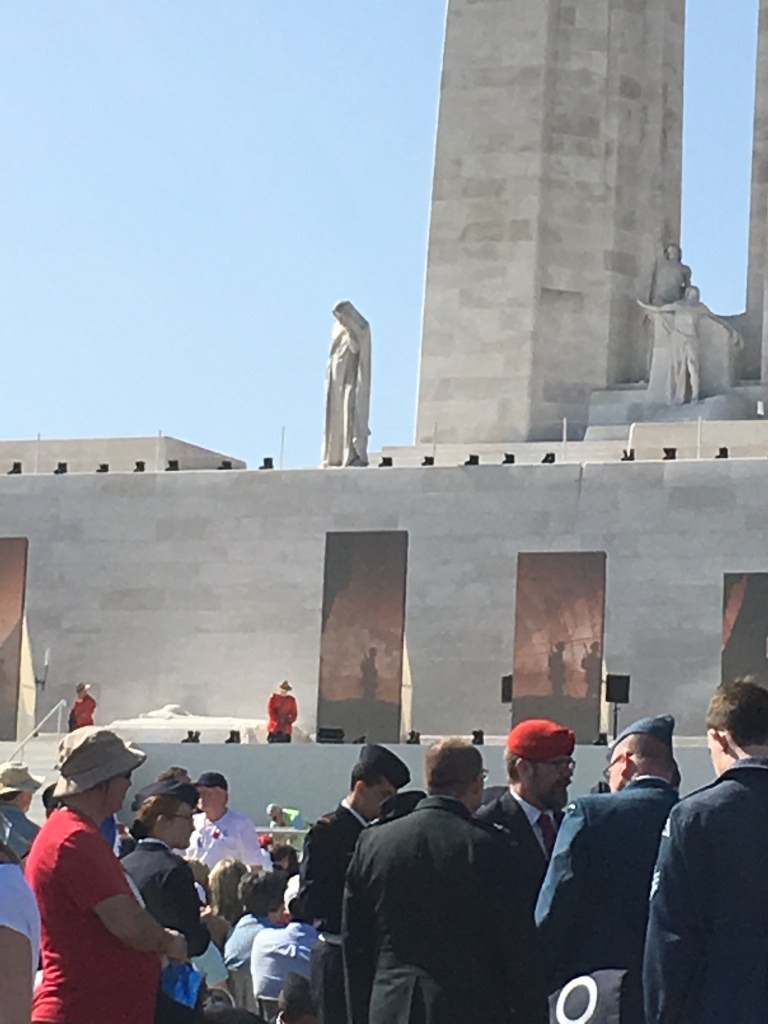
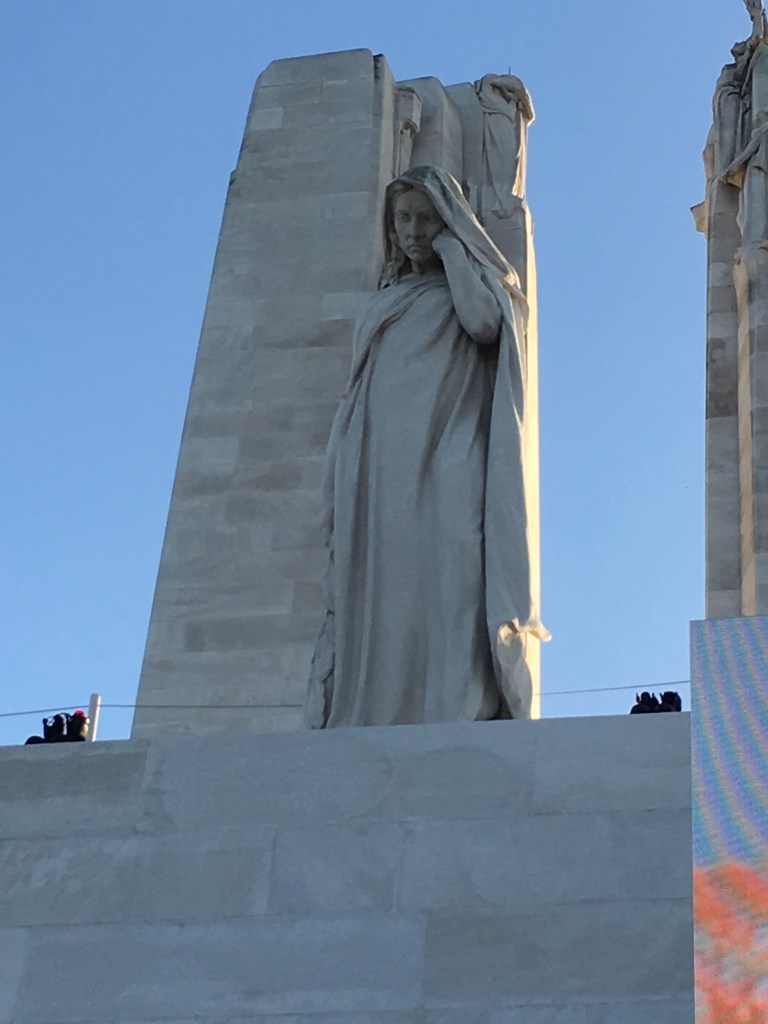
This female figure represents Canada morning the loss of 60,000 soldiers in WW1.
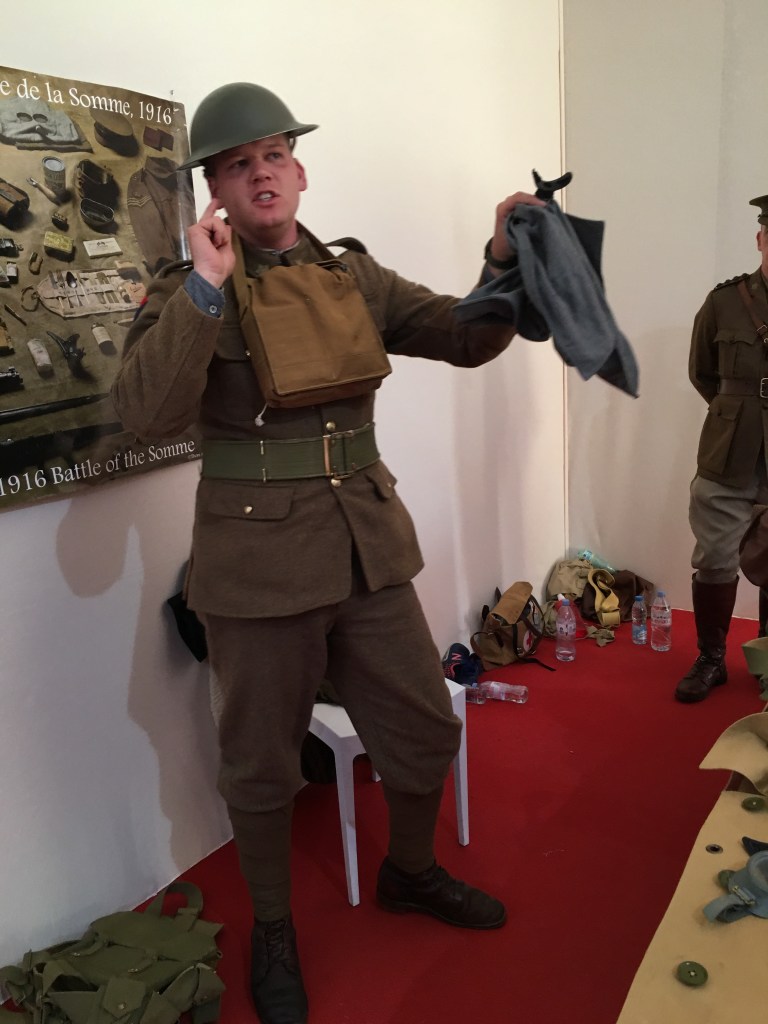
Active duty Cdn soldier in a vintage uniform demonstrating a WW1 kit bag and gas mask
Some 25,000 Canadians, young and old and from across the country attended the ceremony. As a solemn site marking the deaths of so many soldiers, the ceremony never once glorified war or violence but rather focused on the personal tragedies and sacrifices of those who fought and died. The most moving speech of all the dignitaries by far was French President François Hollande.
 sedativegunk