The word “Zimbabwe” in old Shona means “great stone houses”, an appropriate description for one of the sites I saw here in my short visit to this country.


Zimbabweans are a friendly lot, they are progressive, they don’t have the racial problems that South Africa is plagued with. I get the feeling that when the Canadian desk officer at the Canadian embassy in Harare wrote the travel advisory for Zimbabwe he didn’t bother to leave his desk. How a job title like “Field Officer” instead? Reading the info on Zimbabwe these days gives you the impression that there is a political demonstration hiding behind every tree that will suddenly appear without warning and engulf you in violence and get you arrested. This place is a war zone, at least in some desk officer’s mind.
The result of this hysteria is that tourism in this country has plummeted. Western countries don’t want their citizens to come here it seems, yet, with the exception of the US government, no one seems to stop their people from flooding Cuba in droves. Seems like a double standard. From what I’ve experienced, you are more likely to face violence travelling in the United States than here, and you are more likely to get your stuff jacked in Europe than here. So what’s the freakin’ fuss??? I understand there has been turbulence in Harare, but that’s only one city. There’s a big beautiful country out there that is the antithesis of what Harare stands for that should be seen by anyone who can get here. Take Bulawayo, my first stop after taking the overnight train from Victoria Falls.
Thirteen hours and more than 2 dozen stops later, the train lumbered into Bulawayo station at 8:35 Thursday morning. A word about the train. Zim’s trains are rolling museums. They are vintage 1920s cars with hardwood interiors and brass fixtures – even in 2ndclass. Yes they are museums, but they are now seriously suffering decay after years of use and, more recently, lack of funding to maintain them. The initials RR (for Rhodesian Railways) is still inscribed on each window and etched into the fixtures, providing a glimpse of what Zimbabwe once was. The
broken light switches, unreplaced burnt out lightbulbs and semi-functional toilets are a reminder of the Zimbabwe of today. I am told that Zim only sidelined its steam trains 5 years ago.
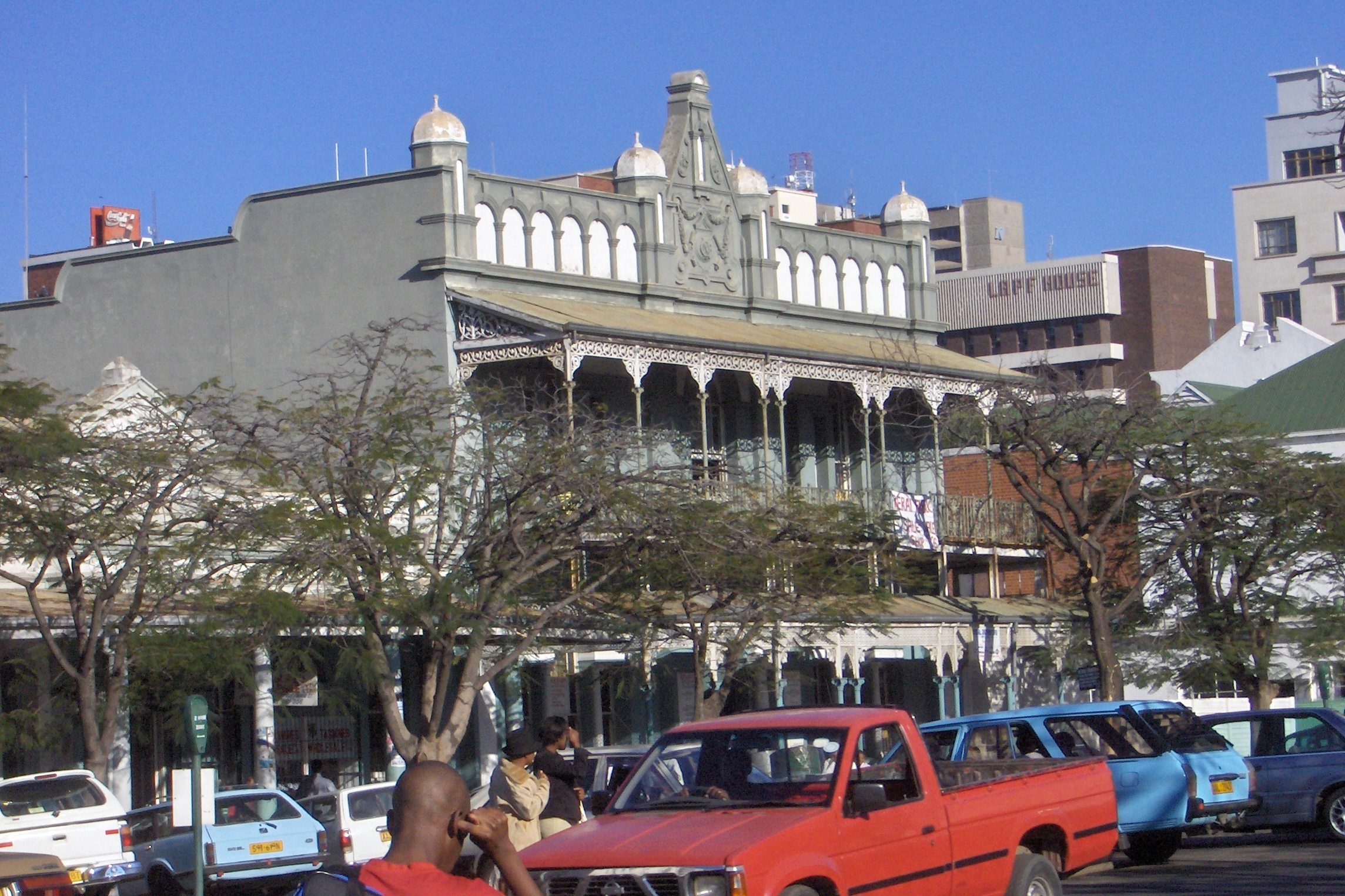
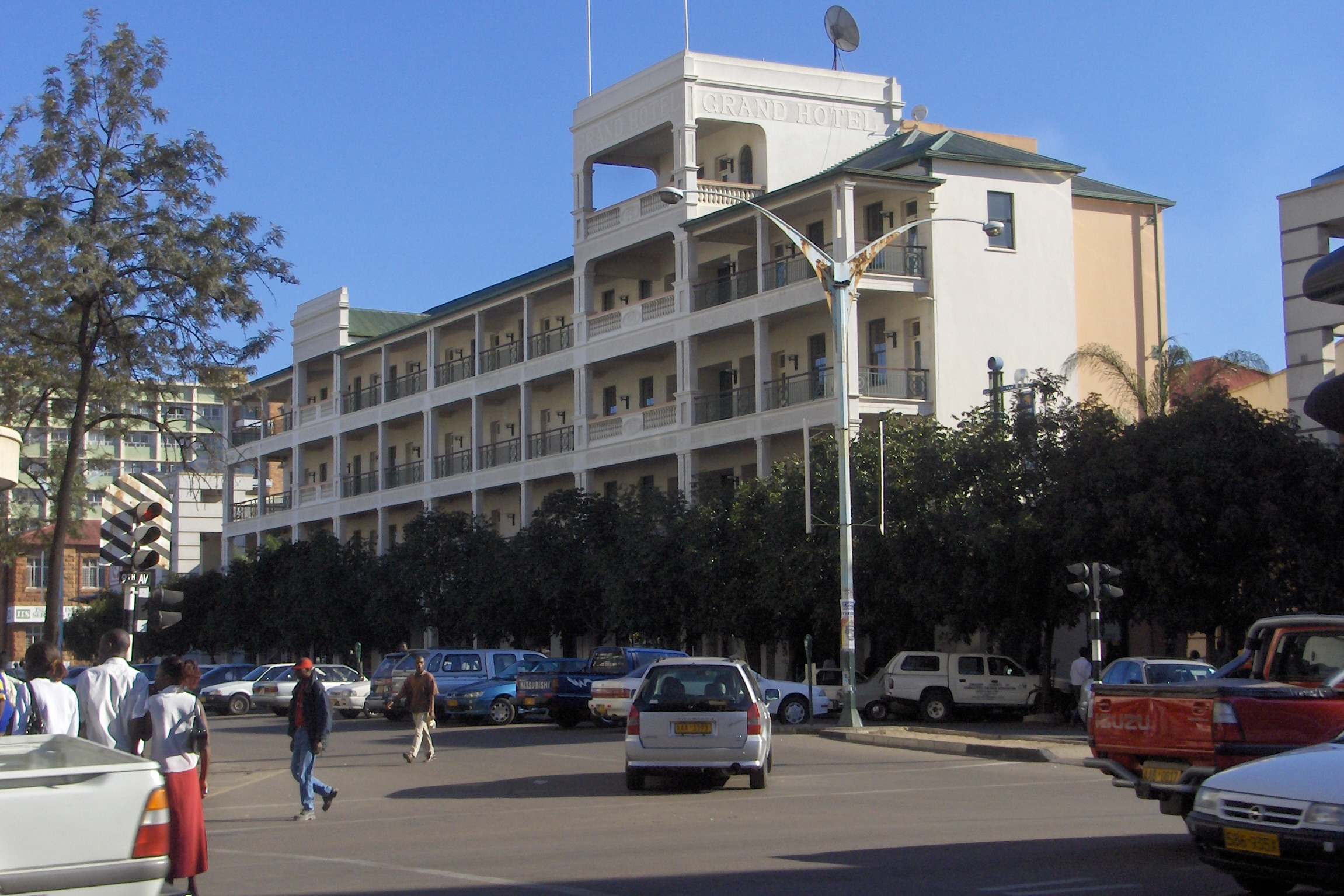
What a forgotten place Zimbabwe is. But it wasn’t always this way. Bulawayo is Zim’s second largest city after the capital, Harare. It is a gorgeous city of about 1 million, with wide, clean streets, beautiful parks and very friendly people who pepper you with “hellos” and “how are yous” as you walk down the sidewalk. The architecture is beautiful, with countless colonial buildings some of them resembling the French Quarter of New Orleans. One can easily get a sense of why Zim, back in its Rhodesia days, was the jewel of the British Empire in Africa. There was a time that this country was more advanced than South Africa, I am told.
But underlying the beauty of this city and what I’ve seen of this country is a quiet desperation. Well over half of the poeple of Bulawayo is unemployed or underemployed. Even university professors here moonlight with small businesses on the side. The city is nearly silent at night because fuel shortages (and high prices of fuel when it’s available) limit people’s socializing to the weekend. Vendors on the streets selling crafts have virtually no tourists to sell to and when they approach one, are far less aggressive than in Zambia. Perhaps they feel it is hopeless. Most of the grocery stores have limited selections because the currency is so hopelessly devalued, the country cannot afford to import. I was told the city has a fleet of vehicles for street cleaning, but has had to sideline them put its people in the streets with brooms to do the work by hand. Streets are not lit well at night and the hot water supply in the hotel where I was staying has a poor hot water supply. Book stores have almost no stock
because of a lack of imports, and are limited to selling Zim authors and stationery.
WHO WANTS TO BE A MILLIONAIRE
The economic crisis here is huge. Inflation runs at 1000% per year, making the Zim dollar almost worthless – $1 US = $400,000 Zim. While this makes som items cheap for outsiders, it also leaves the tourism industry in the bizarre position of biting the hand that feeds it, sometimes because of government regulation that requires charging foreigner in US dollars instead of the local currency. Here is a sample of prices:
1. Hotel in Bulawayo (a very nice one) $6 million ZM ($15 US)
2. Train from Victoria Falls to Bulawayo (450 km trip) $920,000 ZM ($2.50 US)
3. Taxi for a distance of 2km $800,000 ZM ($2 US)
4. 6 handmade bracelets bought on the street $1.2 million ZM ($3 US)
5. a meal at a nice restaurant with a beer $2 million ZM ($5 US)
6. A guided tour to the Great Zimbabwe ruins including transportation $340,000,000 ZM ($85 US)
Imagine. The highest denomination that seems to be available is a $100,000 note, but it is not common.
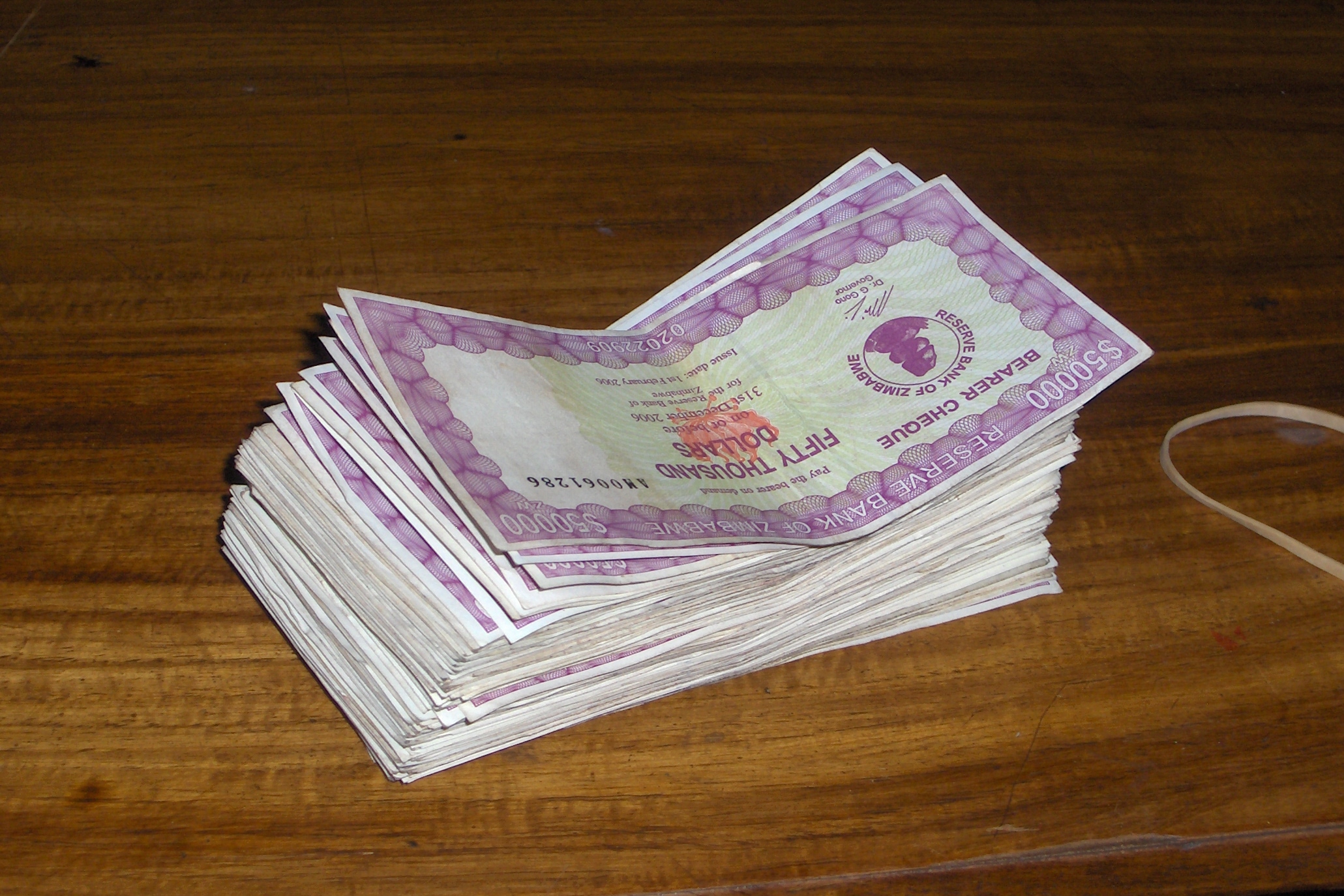
More common are $50,000 notes. To put this in perspective, $20 US exchanged will get you a stack of Zim dollars the size of a brick. Line-ups in grocery stores are not caused by too many customers, but because it takes soooooo long to count the money. I was told by a Brit visiting here who helped a friend fix a car that when the bill came, they actually tacked on an additional hour of “labour” because of the time it takes to count the money. People walk around with huge wads of cash on them. At any given time, I have at least a million in each front pocket, another couple of million in my money belt, another stack in my small napsack and another pile left behind in my hotel room because I JUST CAN’T CARRY IT ALL!!! If someone steals it, WHO CARES??? It’s probably only worth $5 or $10 US anyway!!! Imagine how useless a show called “Who wants to be a millionaire” would be here!!! They’re all freakin’ millionaires!
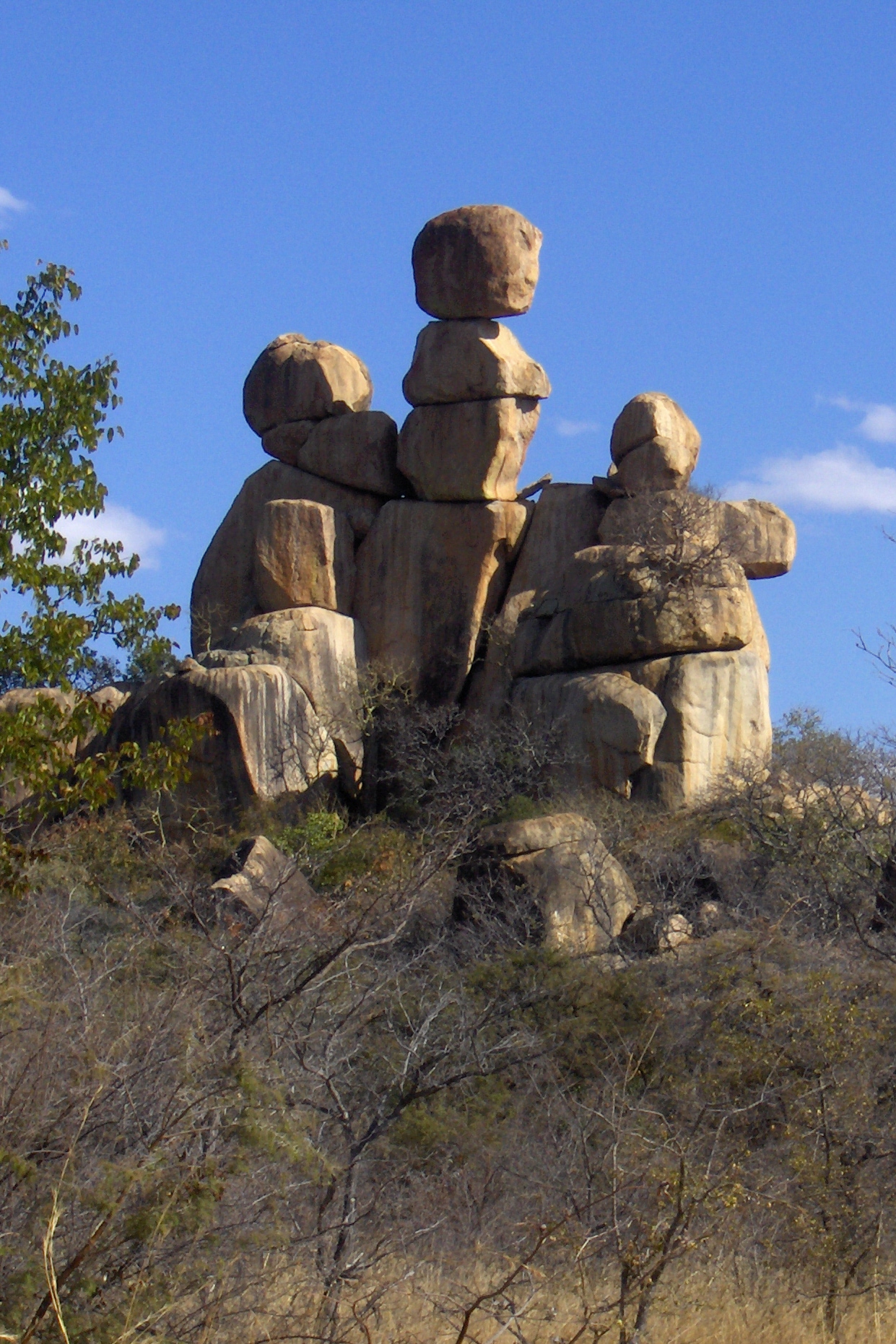
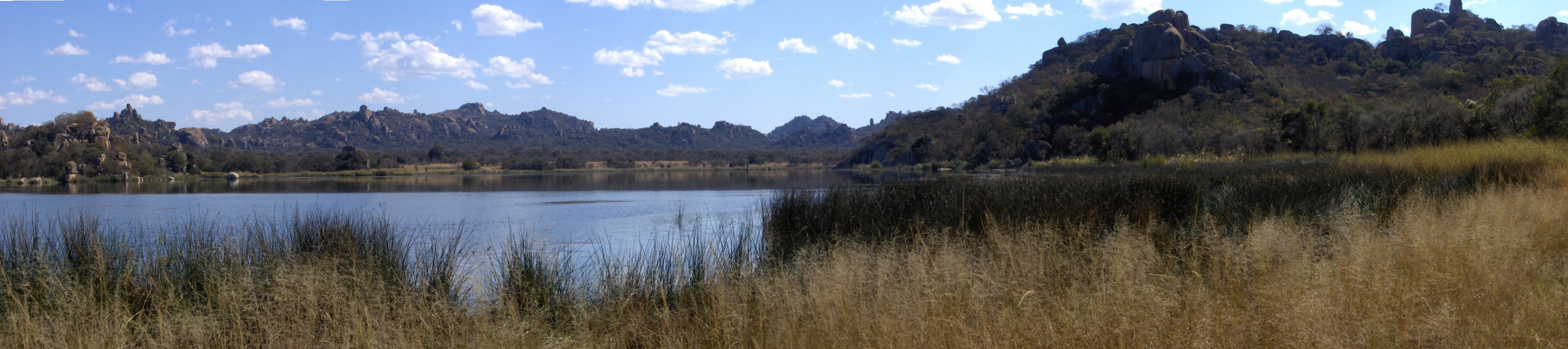
After a roaming around the city with a Dutch couple I befriended, on Friday the three of us took an organized tour of Matopos National Park. The park is filled with strange rock formations like giant Inukshuks or Easter Island heads stuck on the tops of small mountains. These giant granite structures, perched precariously, seem to act as guardians over the many giraffes, rhinos and other typically African fauna who call this park home. The best part of this park is that rather than hiding in a truck and getting driven everywhere to see the beasts, here you get off your butt and walk around looking for them on foot.

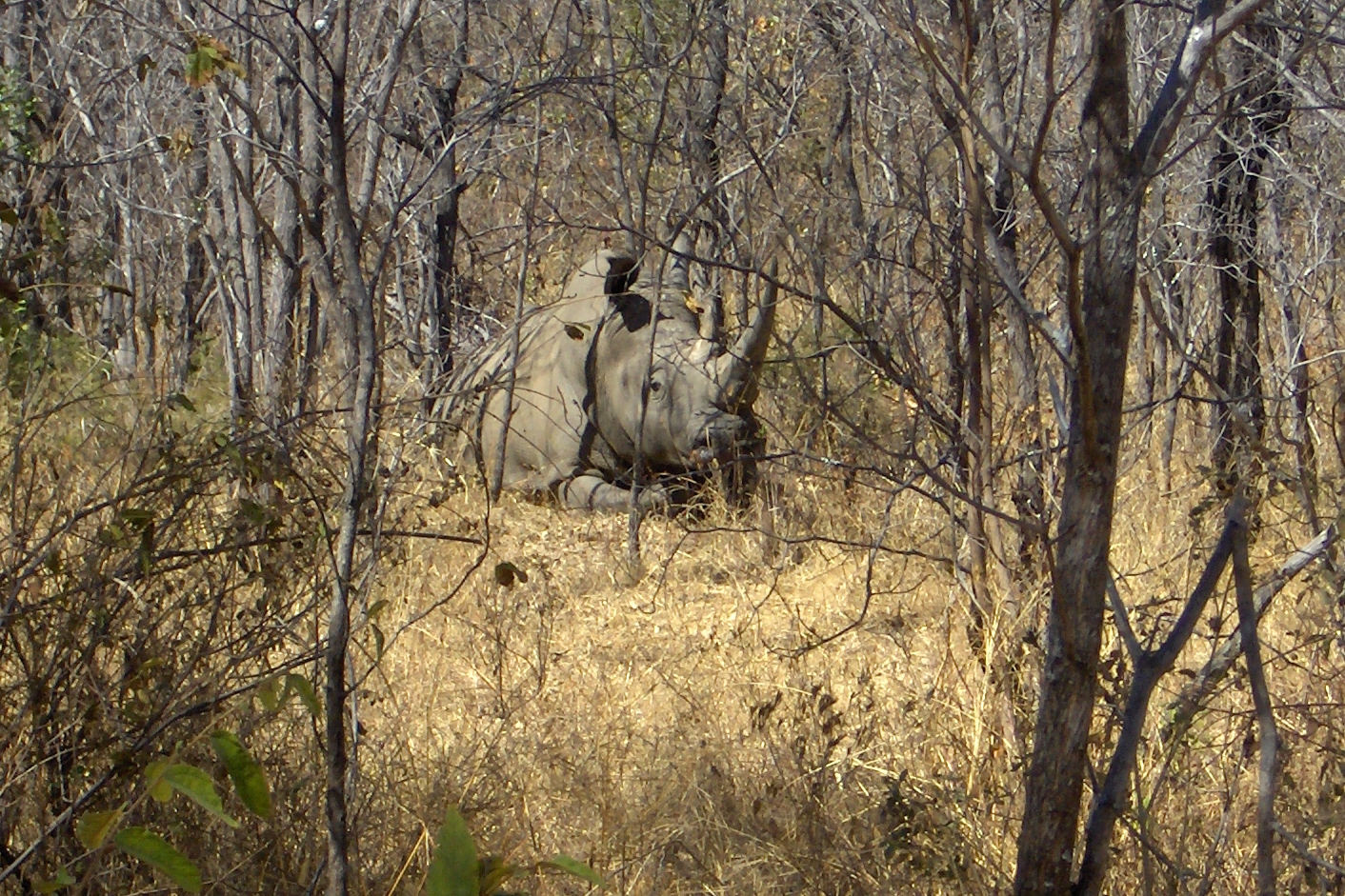
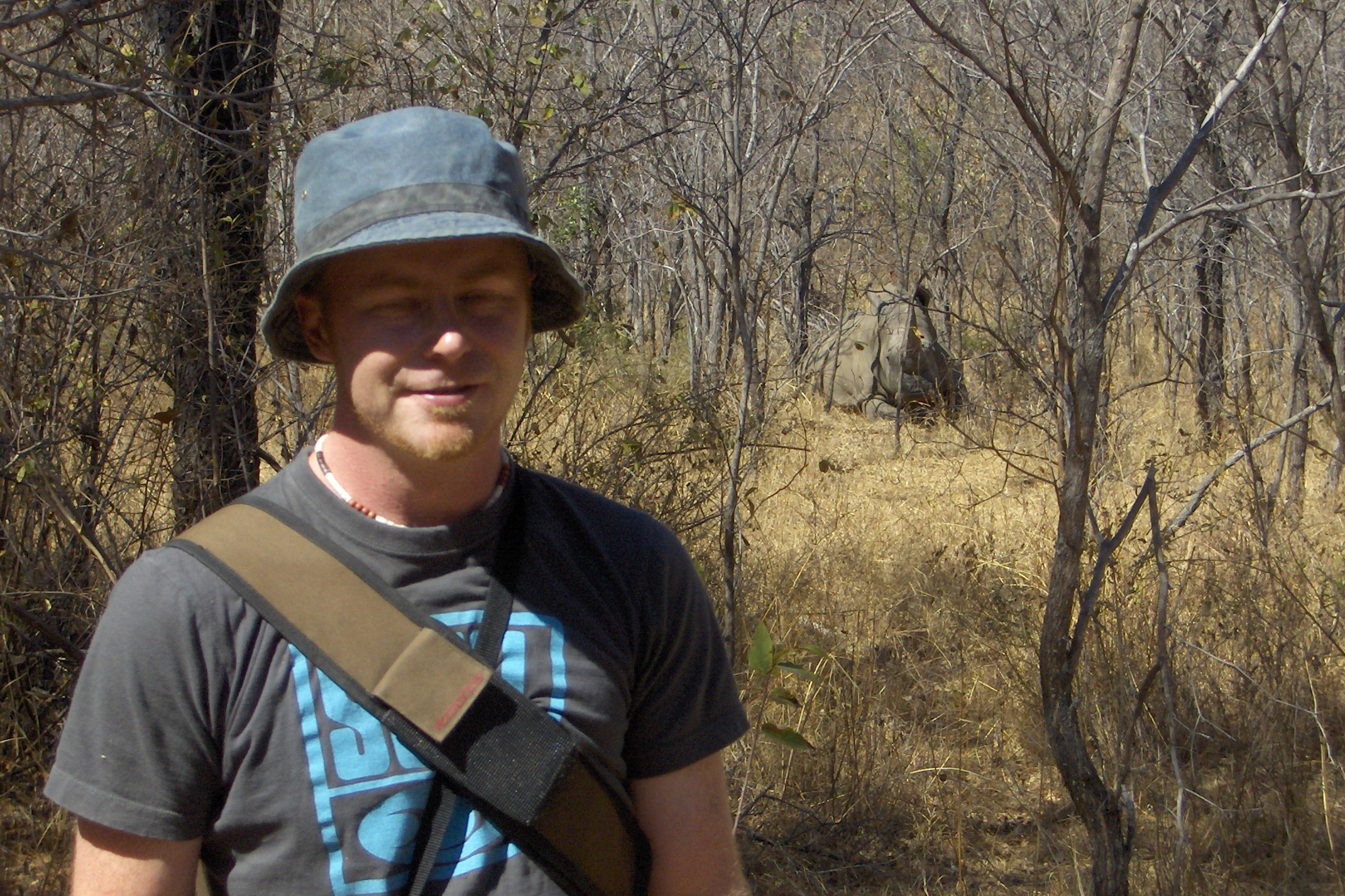
After a couple of hours of tracking rhino tracks, we finally came across a white rhino. Our rather sudden and noisy arrival startled it, which can always be a concern when dealing with rhinos. Afterall, they are one of the Big 5, a category that refers to how dangerous a creature can be. With an expert guide with us, though, we soon had it calmed down and it resumed its grazing and even at one point, lay down not more than 15m away from us. It was curious about us…every time my camera made a noise, the rhino’s ears would swing around and face us, which of course led me to play a little game with the big animal (hee hee) with the camera noises. Interesting that our guide used the sound of his own voice to calm the
rhino when we startled it. By talking out loud, the rhino realized it was just a bunch of dumb, soft humans and so we didn’t pose any threat to it.
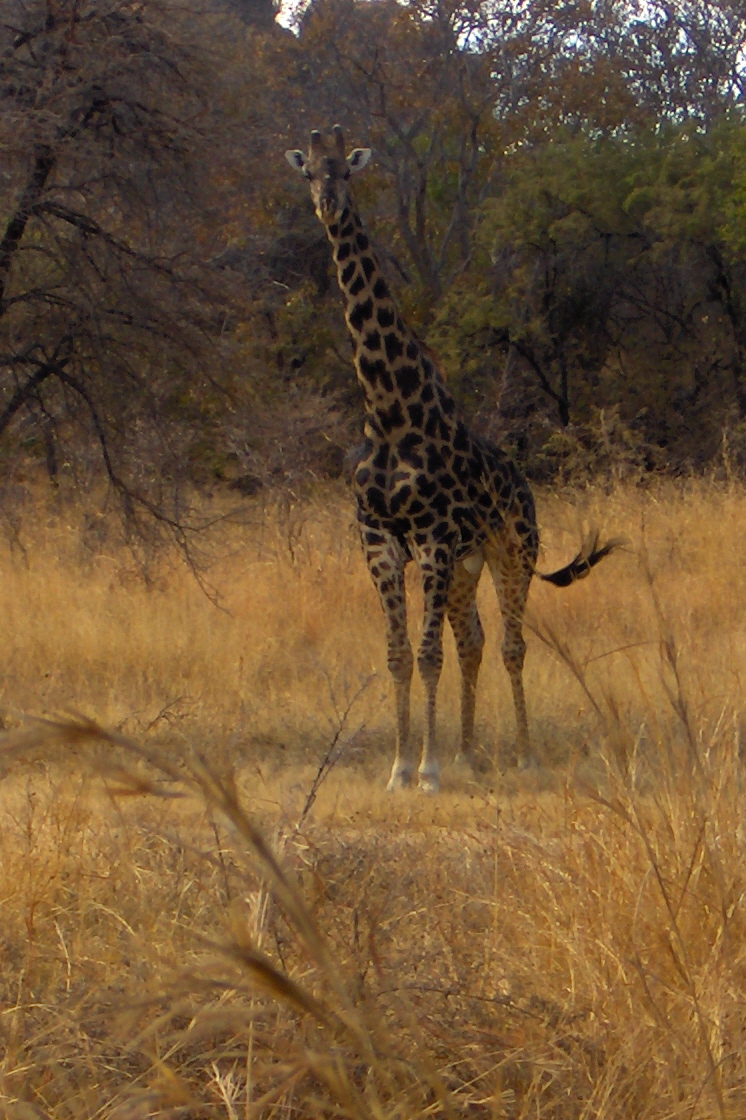
We had a similar opportunity with a giraffe we saw later in the afternoon. Even to the guide’s astonishment, we were able to approach a giraffe to
within 20m. He said that usually giraffes are usually too skittish to let this happen. There is something magical to see these animals from outside the confines of a vehicle with nothing but a few trees and some grass separating you.
We finished the day looking at San paintings created by nomadic bushmen 200 years ago on a rock that few tourists get to see (our guide is quite an
outdoorsman).

We spent some time scratching around the area and managed to find some chunks of pottery that date back to the time when Arab traders were active here. No one is really sure how old this kind of stuff is. It’s all over the country and some of it has been carbon dated to 300 or 500 years ago. Does this give you an idea of how untouched this country is?
GREAT ZIMBABWE
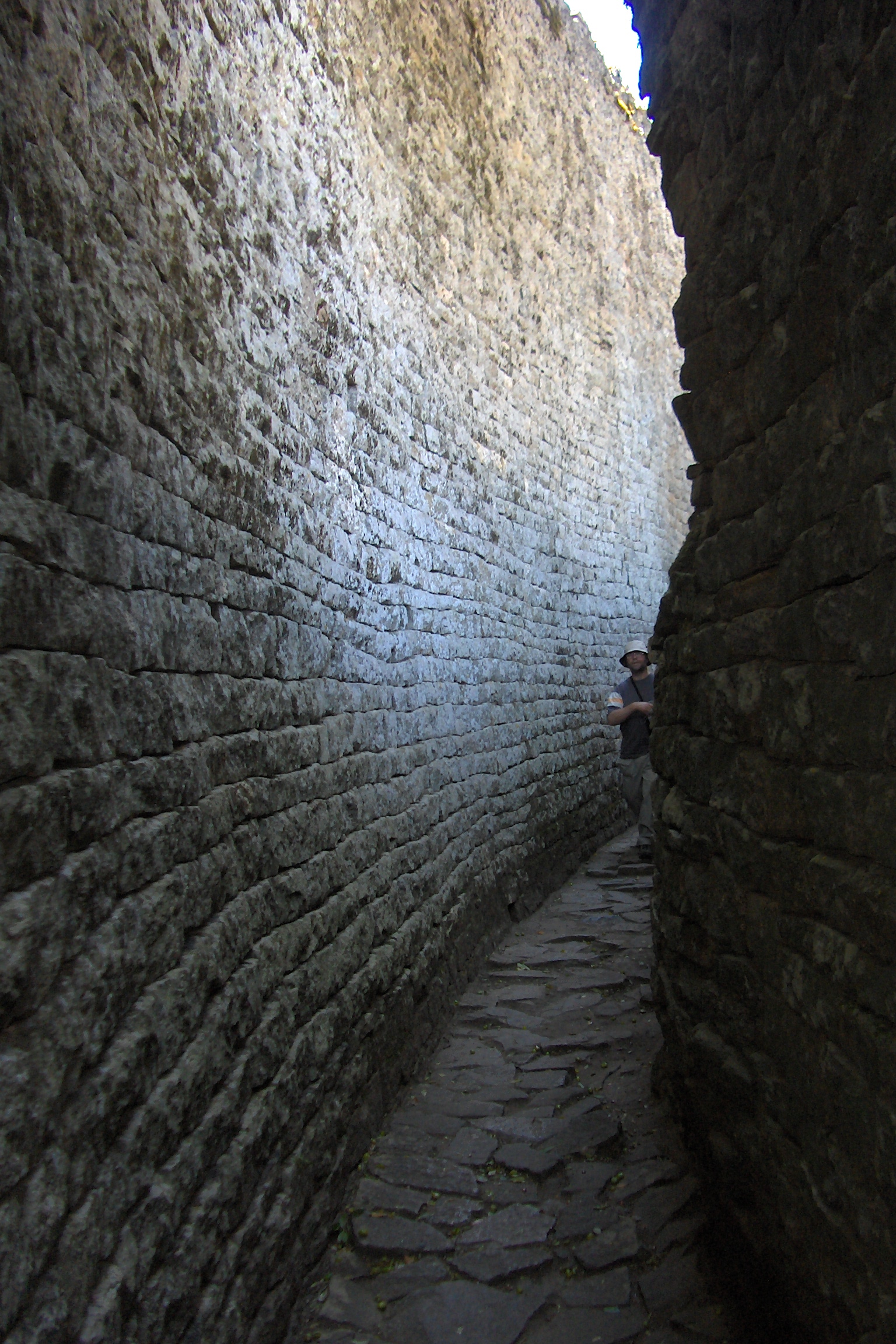
On Saturday, I visited Great Zimbabwe, about a 3-hour drive from Bulawayo, in the central part of the country. Great Zimbabwe is the largest of a series of stone structures that are considered to be the most important in Africa after the pyramids. Their age and origins are disputed. The official line is that they were built by the Shona tribes in or around the 1300s and abandoned in the 16th century. However, historians argue that the structures’ origins go back further and that while the Shonas may have used them in more recent centuries Bantu (black) tribes from which Shonas originate were not even present in that part of Africa when they were built. There is quite a mystery about them.
The detail in some of the stone structures and the conical shape of one structure in particular seems to indicate the influence of Arabs from Yemen. In fact, beads have been found that were made in India and it is well known that trade in the western Indian Ocean had been going on since prior to 1000 AD.
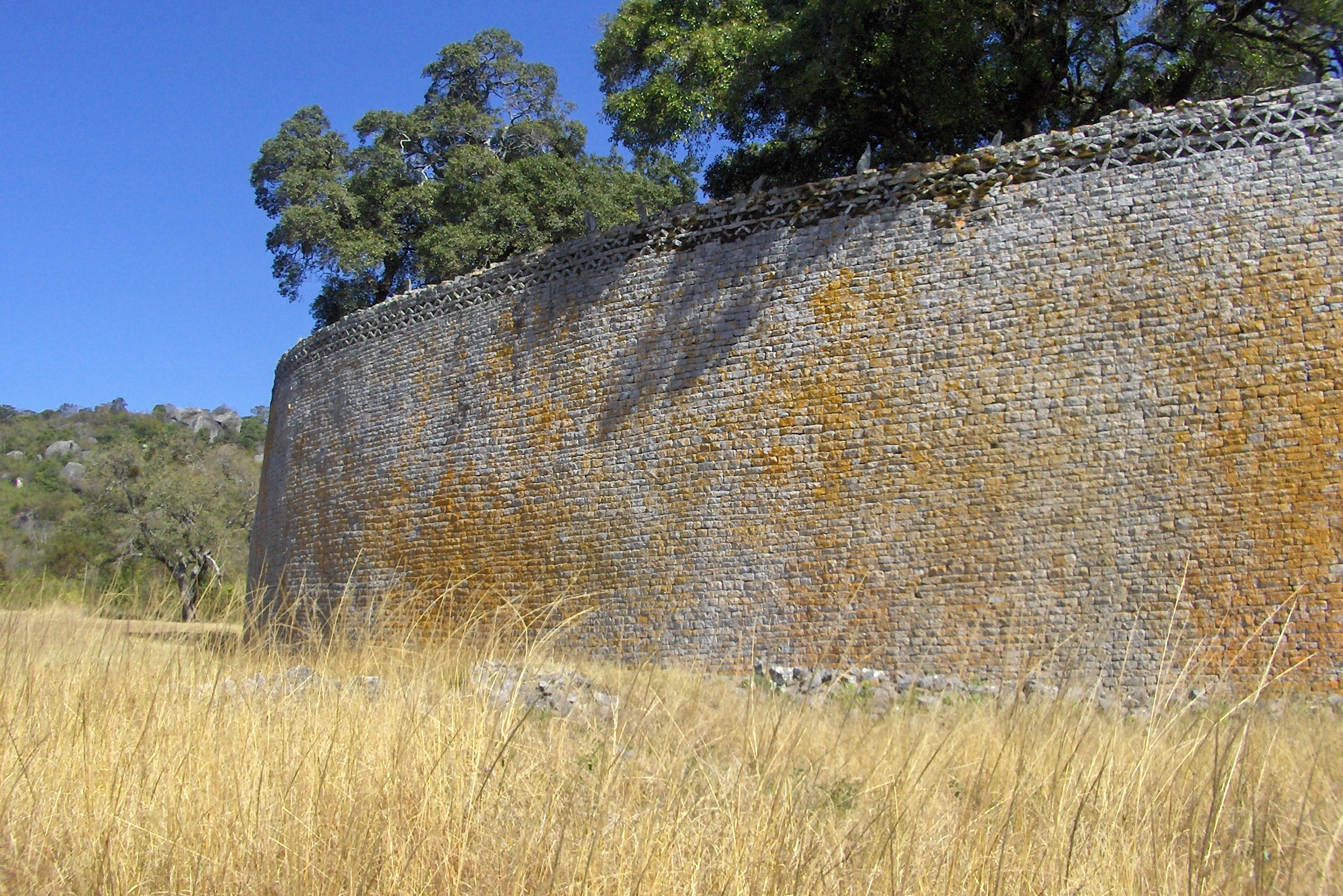
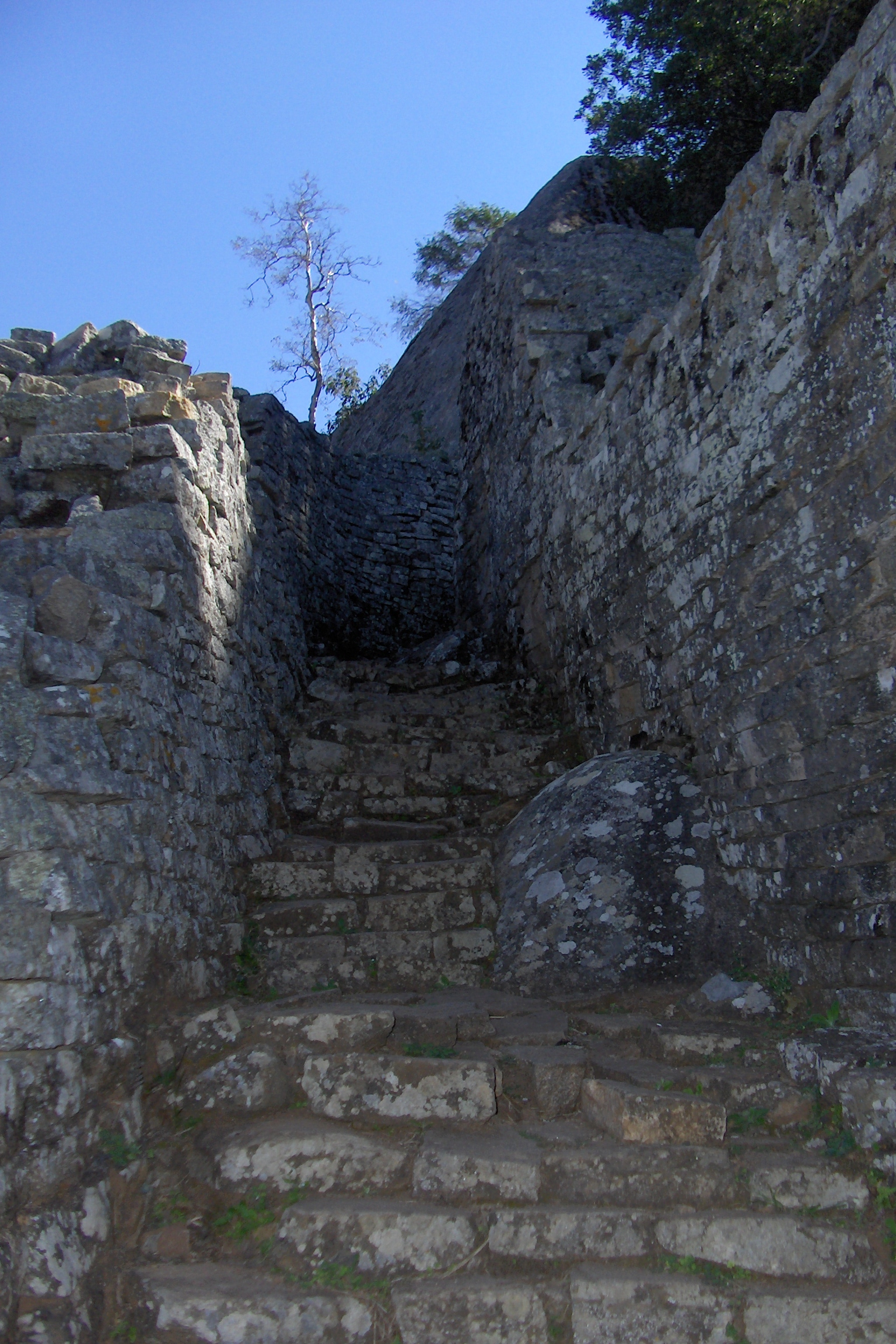
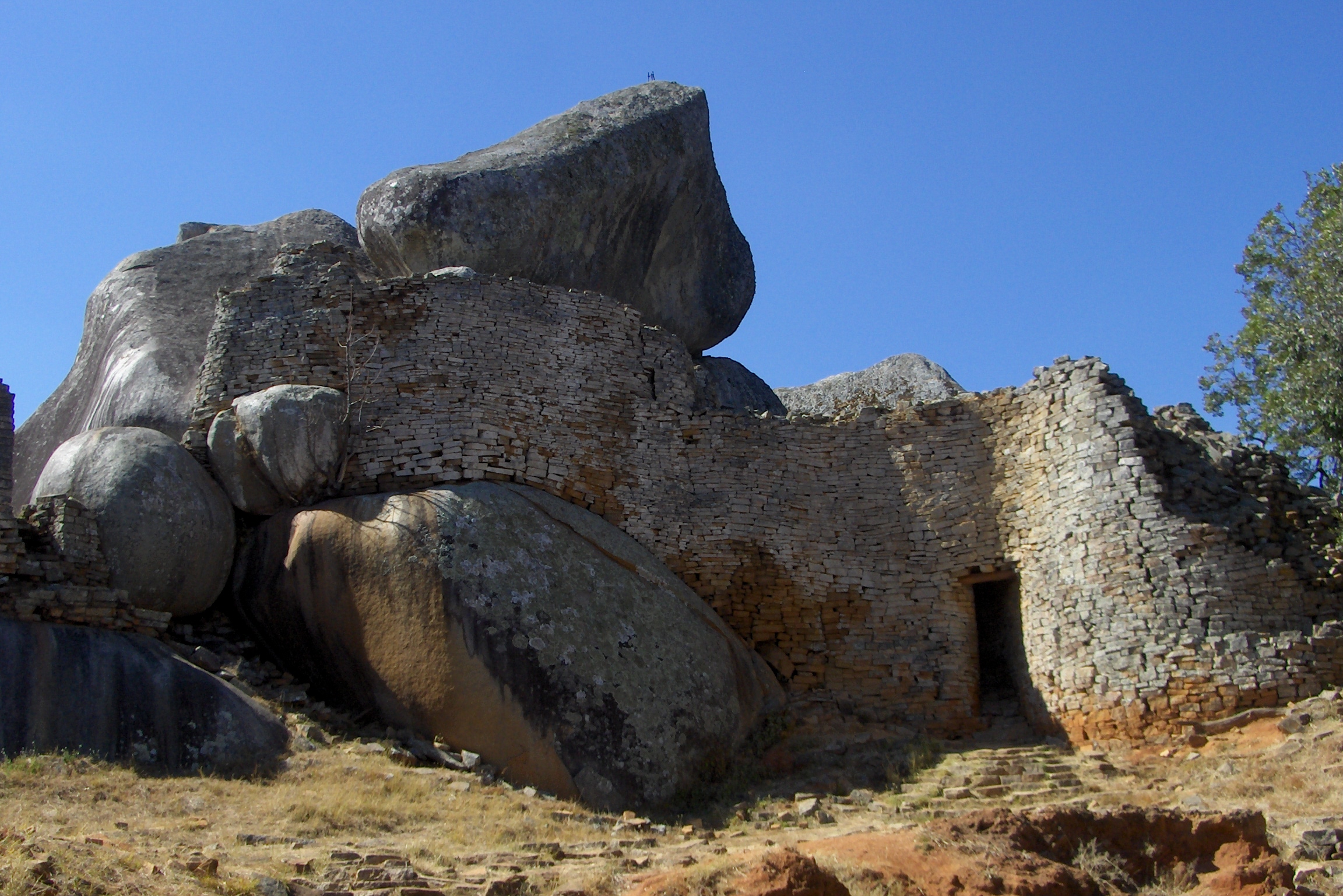
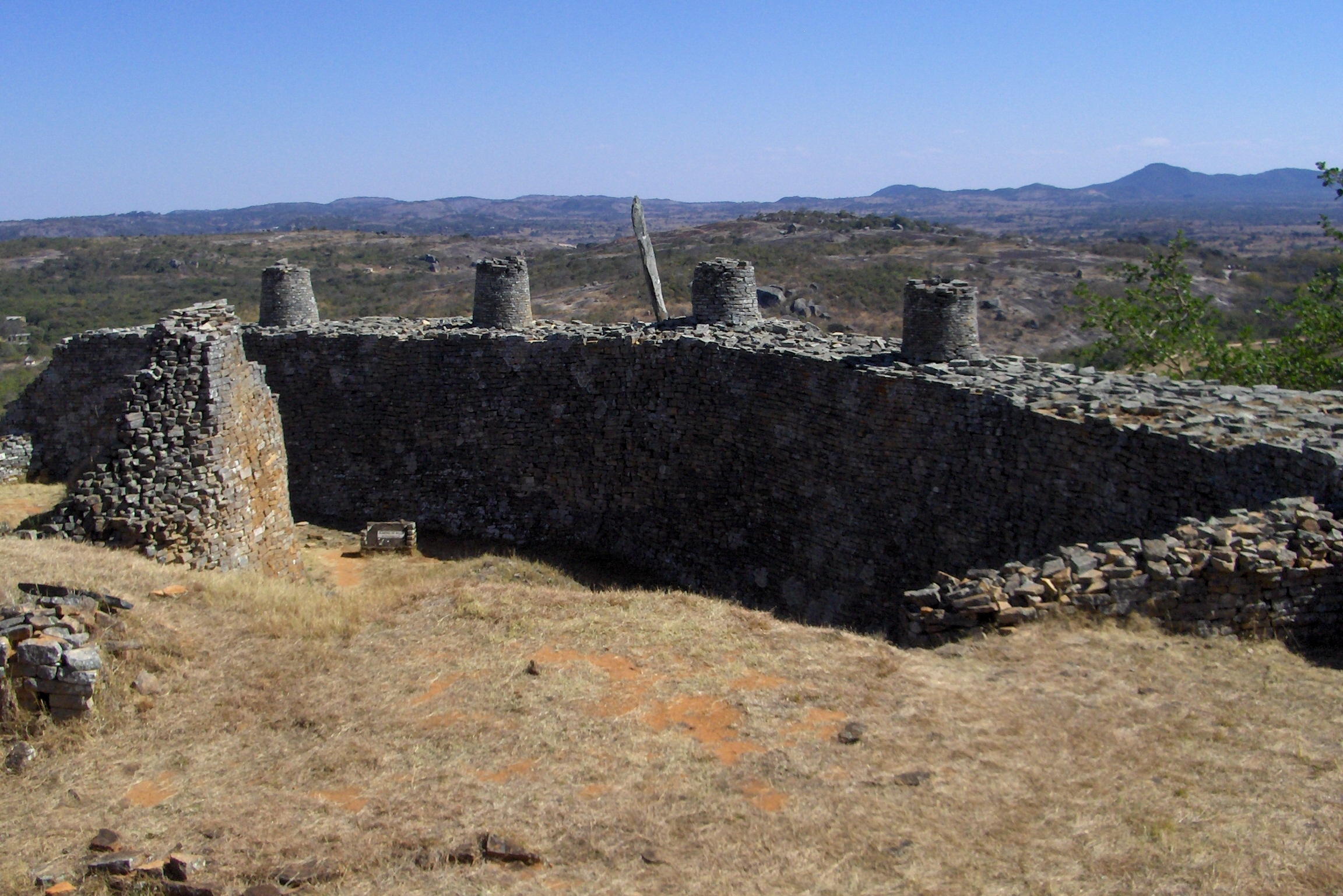
Our guide explained that the history has become clouded because of politics. The government here wishes to use the structures to create a myth of the Shona people, thereby giving this dominanat tribe further entitlement in today’s Zim and supporting the government stranglehold on power. It will be sometime before anyone can straighten this stuff out, as foreign archeologists are discouraged from coming here to snoop around.
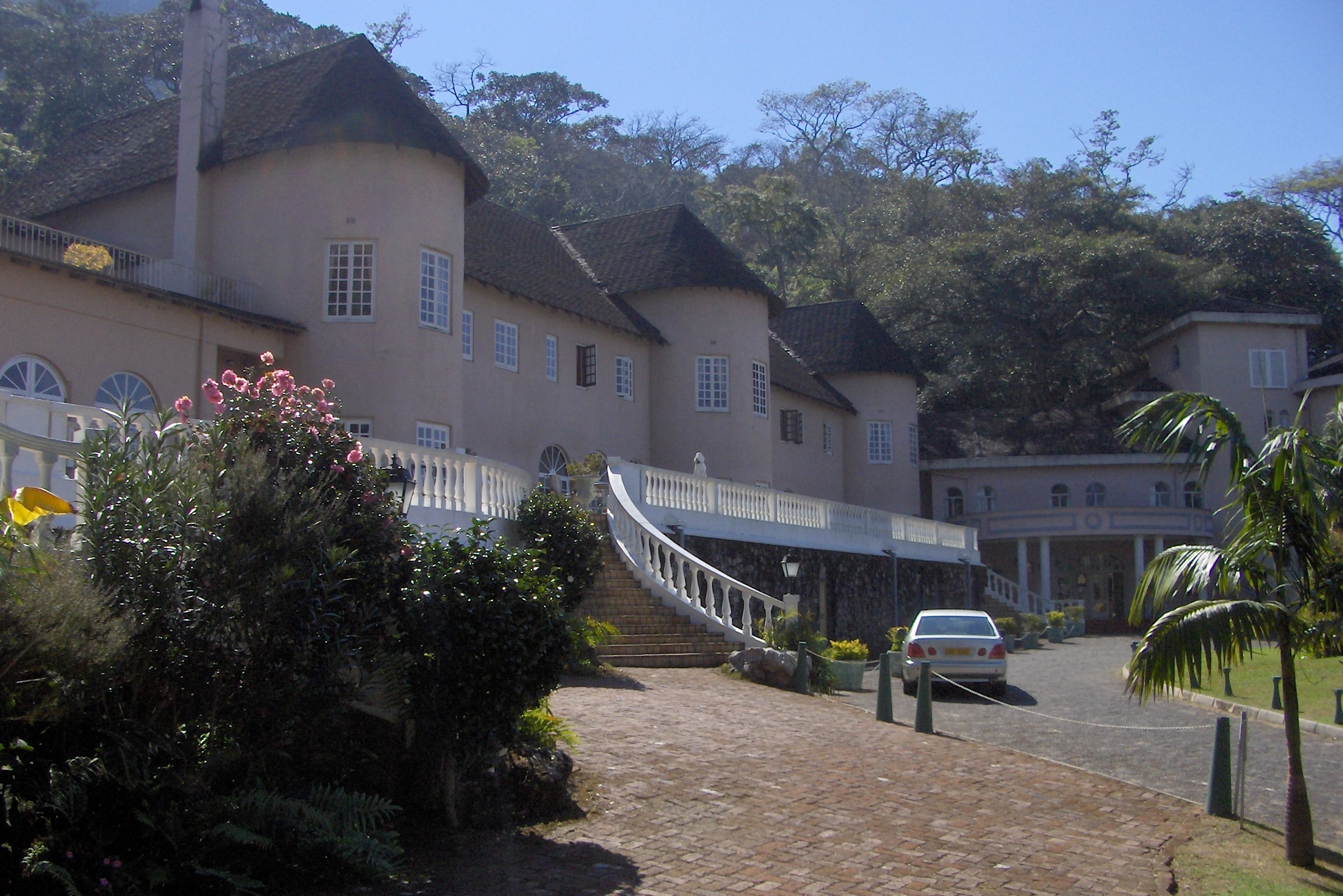
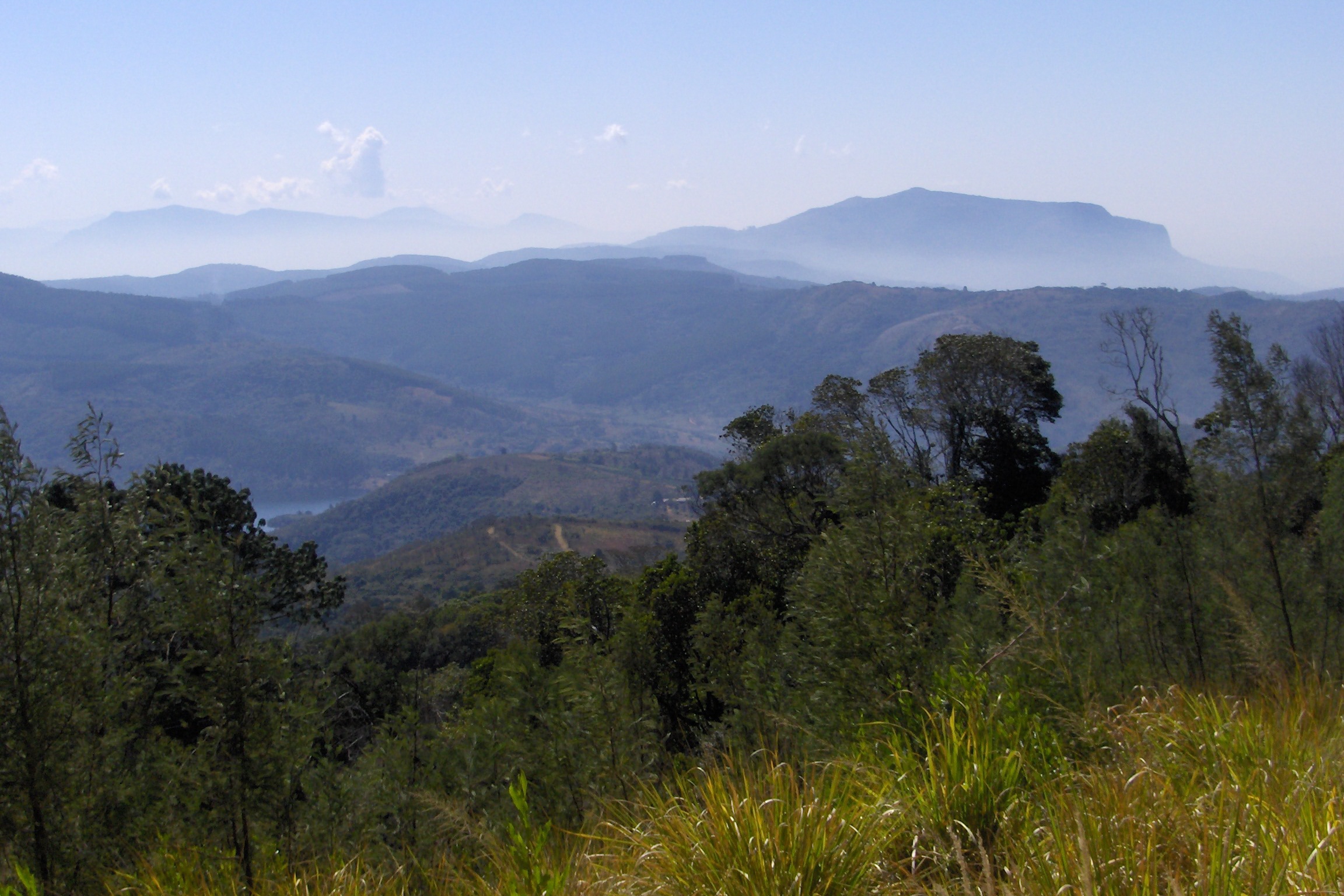
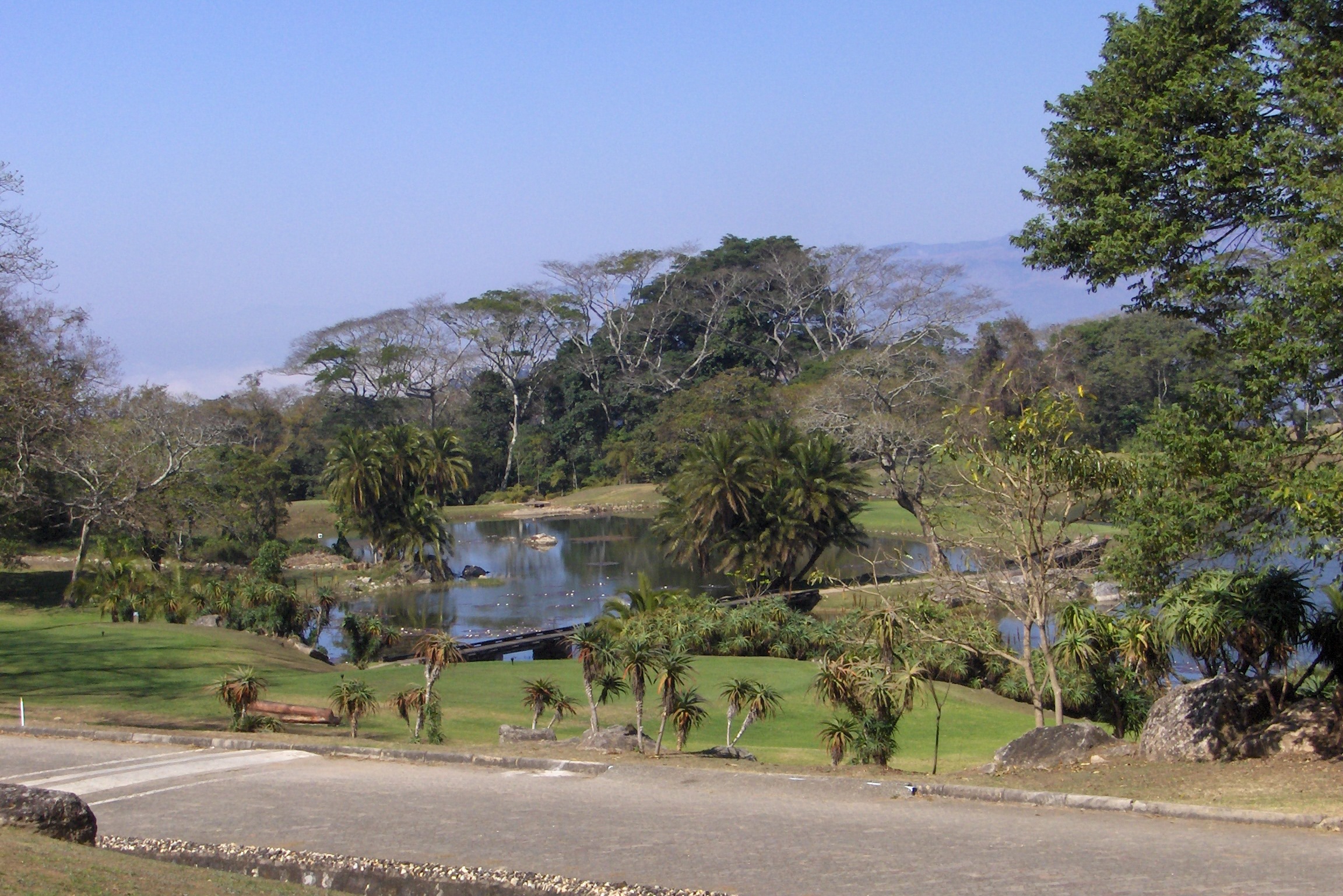
I arrived yesterday to Mutare, a beautiful city in the east of the country. This will be my last destination in Zim, as tomorrow I will be going to Mozambique, not far from here. Here in Mutare, you can stand on any street corner and look down in any direction to see mountains – almost like the mountains are placed there like paperweights to keep the streets from rolling up. The houses are all well tended with trees and flowering shrubs and the streets are all numbreed by street and avenue, with the exception of the ubiquitous “Rober& Mu*abe St.”, found in all Zim communities.
My lodgings here are actually the private home of a really interesting white Zimbabwean in her 60s. The place is cozy, but, like most things in this country, starting to show a little wear from years of economic “troubles”. Today, my host had two errands to run, one to visit her mother, the other to check in on a friend who has been languishing in jail for 5 months without charge.
I spent a day hitchhiking up into the nearby mountains. Actually I ended up walking half of the roundtrip 40km. It was a nice day though.
My next dispatch to you will be from sunny Mozambique!
 sedativegunk