Well I’ve been here for a couple of full days now and have been able to get a good sense of the village where we’re living and working.
I met up with my Habitat group at Heathrow airport on Wednesday evening. We were supposed to fly out at 7:15 in the evening local time, but plane malfunctions and other assorted SNAFUs ended with us departing London at 10:45 pm. The delay allowed us volunteers a chance to get to know each other a little. Our group this time is big. We’re 15 including the team leader, Dennis, who is from Medicine Hat, Alberta. We’re 6 men and 9 women, 5 Canadians and 10 Americans. One of the Americans spent the first 12 years of his life in Ethiopia, so he sees his visit to Zambia as a return home of sorts.
We arrived on Thursday too late to purchase our food supplies for the coming week so we had to stay in suburban Lusaka for the night at a lodge. The suburb where we stayed was rather opulent, an indication of the middle class that exists in this country. The community of Olympia has shopping malls, suburban housing tucked behind walls and barbed wire and well dressed inhabitants. While there remains a very tiny white population in Zambia of British decent, most of the people we saw at the malls and restaurants were middle class black Zambians.
On Friday, we went to the local Shoprite to buy our supplies. For those of you who were in Lesotho last year, you will remember how important the Shoprite was. This is a South African chain of supermarkets that sells everything. If you didn’t know where you were, you’d think you were in a North American grocery store. The major difference between the Shoprite in Lesotho and the one here is price. Holy cow, Zambia is expensive. Everything, with the exception of maybe alcohol, is the same price as at home. Apparently, the Zambia kwatcha has appreciated 30% to most western currencies since last November. I had been prepared for Zambia to be a little more expensive than what I saw last year, but this is incredible. We have decided to buy whatever supplies we can in the markets near the village where we will be staying to try and contain our costs.
Tiyende Pamodzi is the name of the village where we are working. It is a village of Habitat for Humanity homes that have been constructed since 2003, when the former president of Zambia, Kenneth Kuanda, participated in initial build at this site. Kuanda is a rather popular African leader who, since his retirement, has modeled himself a little after former US president Jimmy Carter. He participates in many charitable events, is Zambia’s patron of Habitat for Humanity and, similar to Jimmy Carter’s annual Jimmy Carter Work Project, leads up the annual Kenneth
Kuanda Work Project, a large scale Habitat build involving dozens of volunteers into a building “blitz”.
It seems every person’s name and every place name has meaning. Tiyende Pamodzi, the name of the village, means “walking together” and signifies the unity with which the inhabitants of this village have tackled their desire to improve their living standards. On our arrival, we were greeted with delirious children and waving parents. The kids ran after the bus as it slowly entered the community on its dirt roads, waving and cheering. Saying “hello” and “how are you?”. We disembarked the bus to a mob of locals greeting us, shaking our hands and introducing themselves.
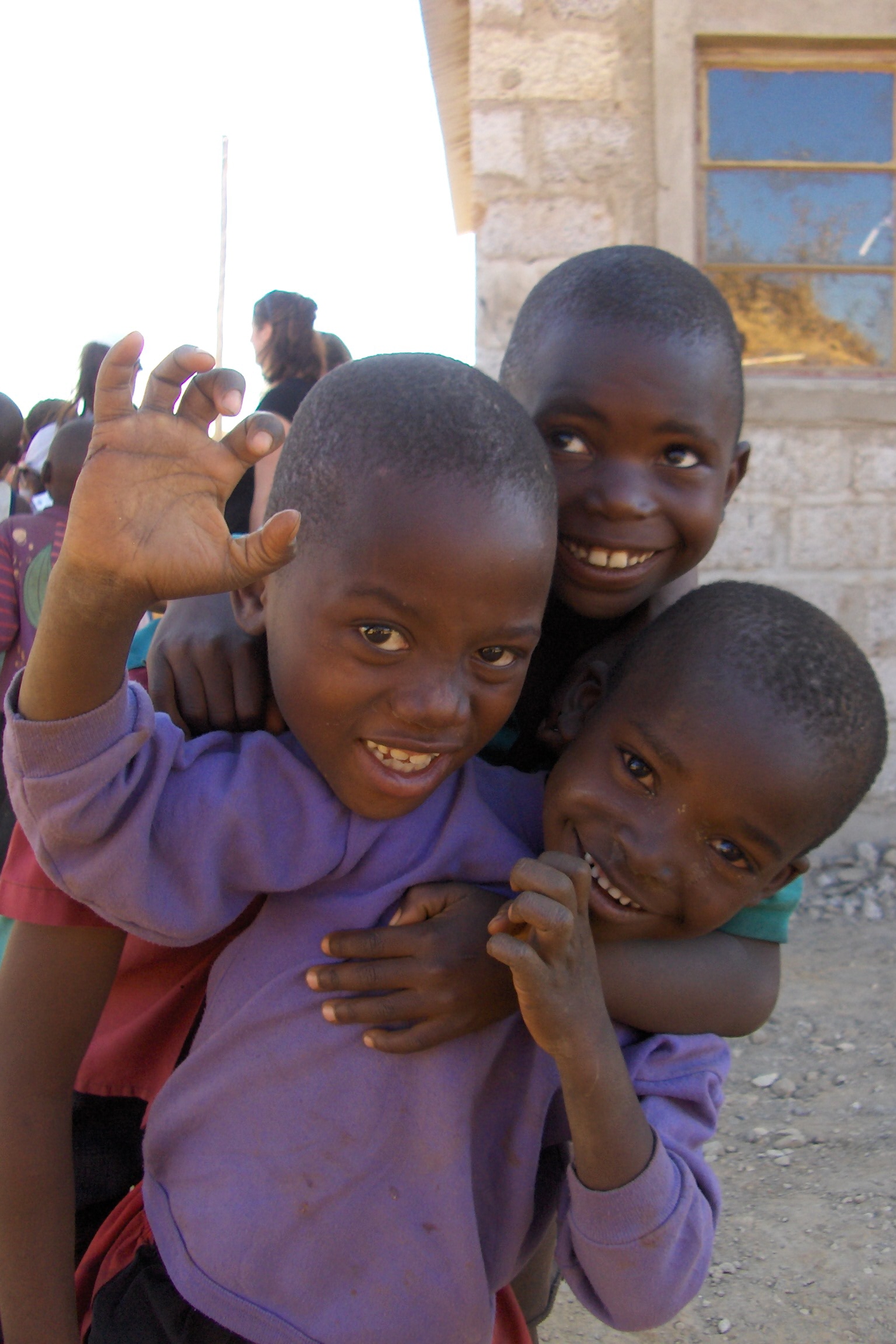
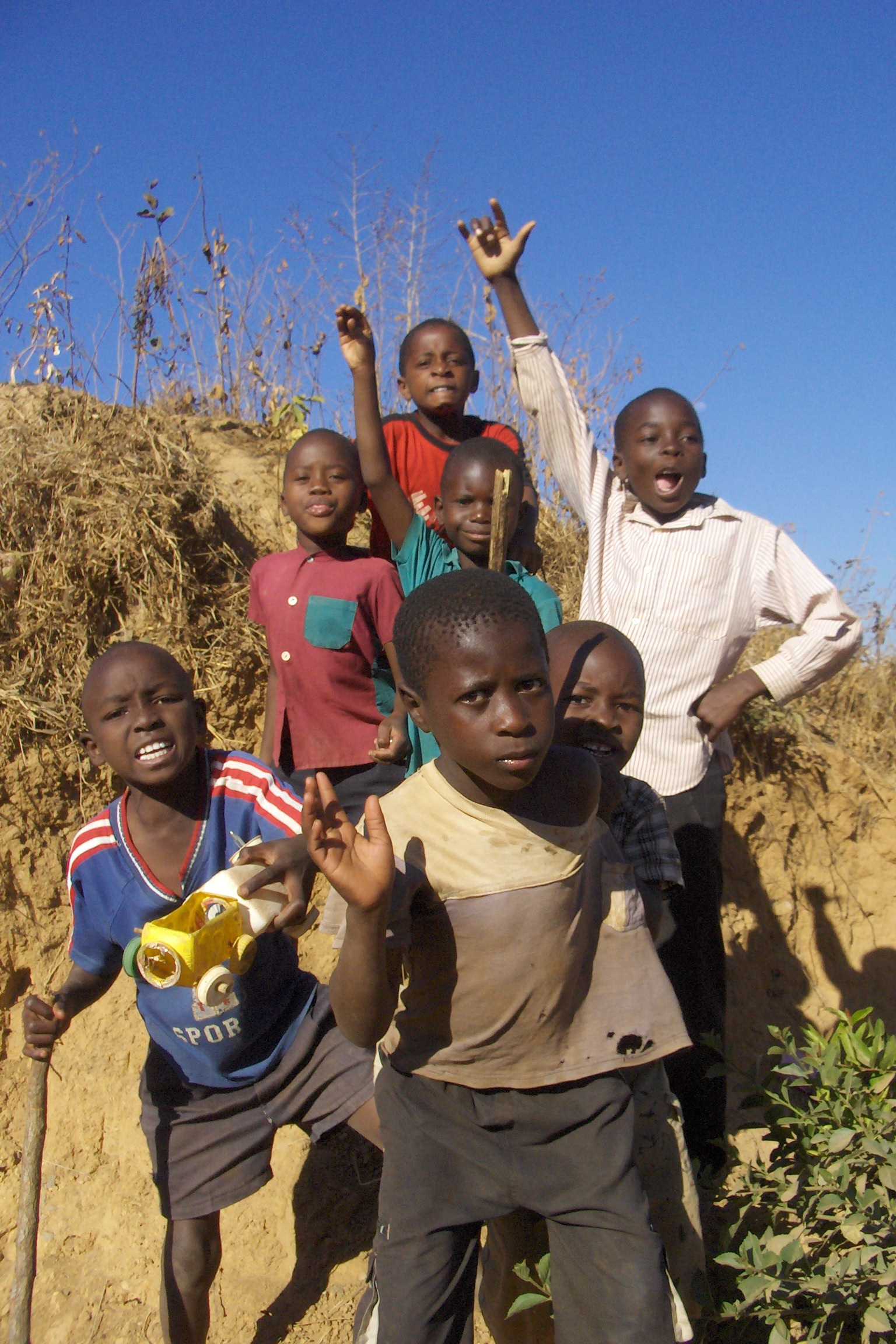
It was quickly obvious to us that there is a strong sense of community here. A couple of families who might have already moved into their new homes have instead bunked in with other families in the community to give us volunteers a place to stay.
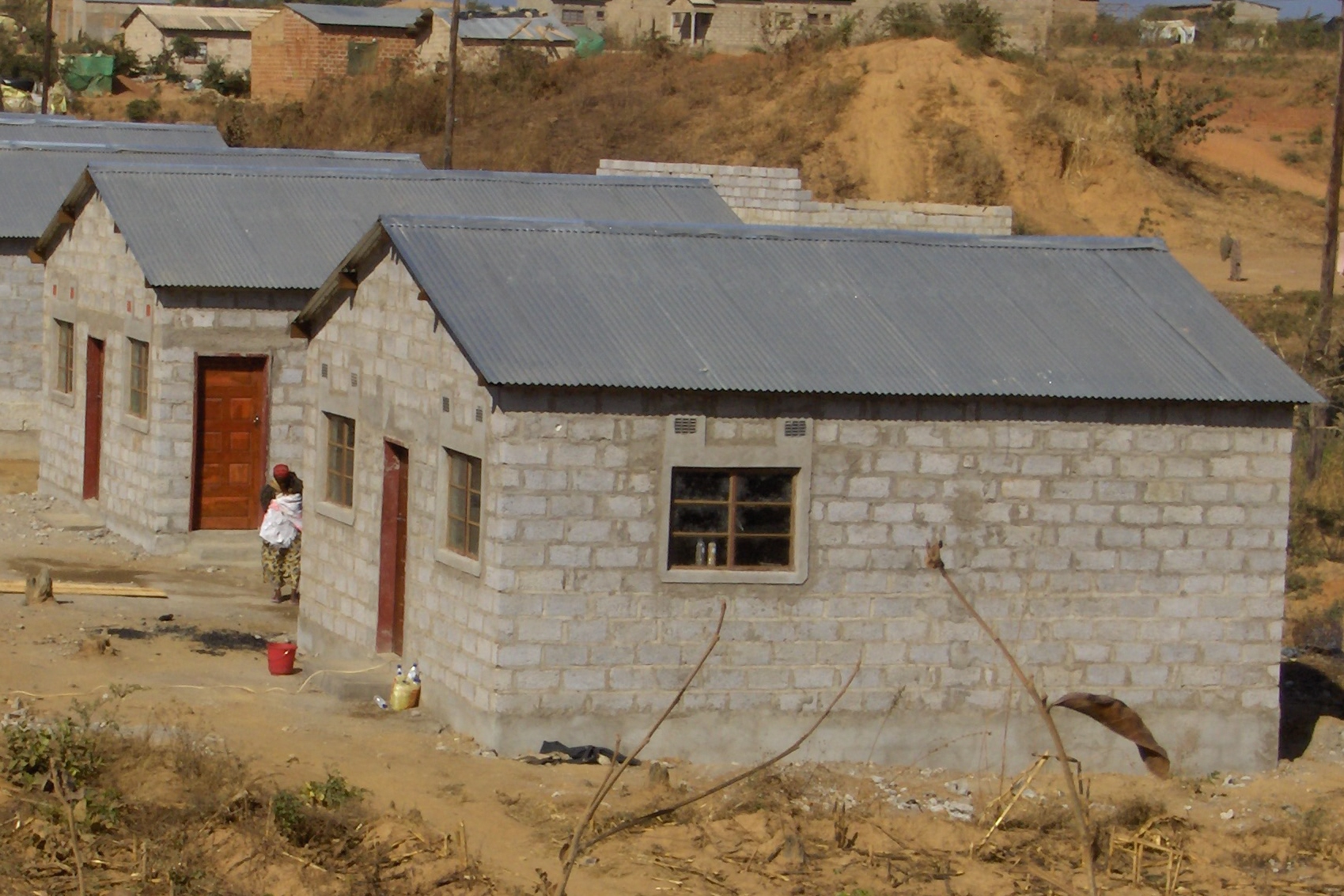
They have also assigned us 3 women to prepare meals while we work during the day. Habitat pays them a small sum for their efforts. The children play together and some of the older ones even volunteer on the build when they are not in school to get some experience.
Some things are definitely different from last year in Lesotho. First, our group is staying in the village. Last year, our team stayed in the city and took a minivan to the village everyday to work. The experience is completely different as you can imagine. Living in the village, we see the routine fo the local people. Women and children begin pumping water at the break of dawn and do not finish until dusk. Fetching water is an integral part of the life of a community that doesn’t have running water. The children here must leave for school before 6:00 am as it takes 2 hours for them to walk to the nearest school. One 12 year old boy told me that he must perform chores before leaving for school, meaning he must wake up at 4:30!!!
 sedativegunk