I arrived here Saturday night after a long wait at immigration. The flight went well even though it was excruciatingly long. I managed to break it up by using my layover in Amsterdam to take off into the city for a one-hour look-see. Not much to see in Amsterdam at 7:30 am, but hey, at least I can say I was there.
As for Cape Town, it is a very European city. I arrived at the hostel at around midnight, checked into the place and immediately headed out to see what was going on. The hostel is located on CT’s party street, Long Street, which is reminiscent of Ste-Catherine in Mtl and Bourbon St. in New Orleans. Many of the buildings have the fancy balconies and similar architecture as N.O. and with the heavy congestion of cars and people one would find on Ste-Catherine. The music pouring out of every club and lounge is amazing. House music, reggae (African style) and hip hop.
The one other thing that is reminiscent of New Orleans is the hustlers on the street aggressively begging for change. A group of us on the same flight from Amsterdam were all staying (by chance) at the same hostel. As our shuttle was dropping us off that was an older black lady who immediately approached us as we were getting out bags out. It was heartbreaking to ignore her, but that is how one must act here. It bothers me to ignore change peddlers in Ottawa or Montreal, but it is even more difficult when you know the history of South Africa and in particular the
horrible way of life that was forced on black South Africans because of apartheid. While apartheid may be gone, the economic segregation is alive and well in this country and this city. Little black kids are on the street here trying to scrounge change for their families. They walk in bare feet and look to be far too innocent to be milling about late at night.
Despite this, I managed to check out a couple of interesting places. One place, called Cool Runnings was a great mixed club with a great array of music. I’ve never been to a place with so many dreadlocked people (white and black!). The music was really great and the dancing fun. I managed to return to the hostel at around 4 that morning. I guess I was running on adrenaline that night.
The next morning I was up early to hike up Table Mountain with a couple of Dutch girls. The hike was well worth it. Cape Town is without a doubt the most beautiful city I’ve been to. The natural surroundings are incredible with the city wedged in between the mountain and the Atlantic ocean.

From the back side of Table Mountain you can look south and see Cape Point off in the distance. All around the city are beautiful sandy beaches.

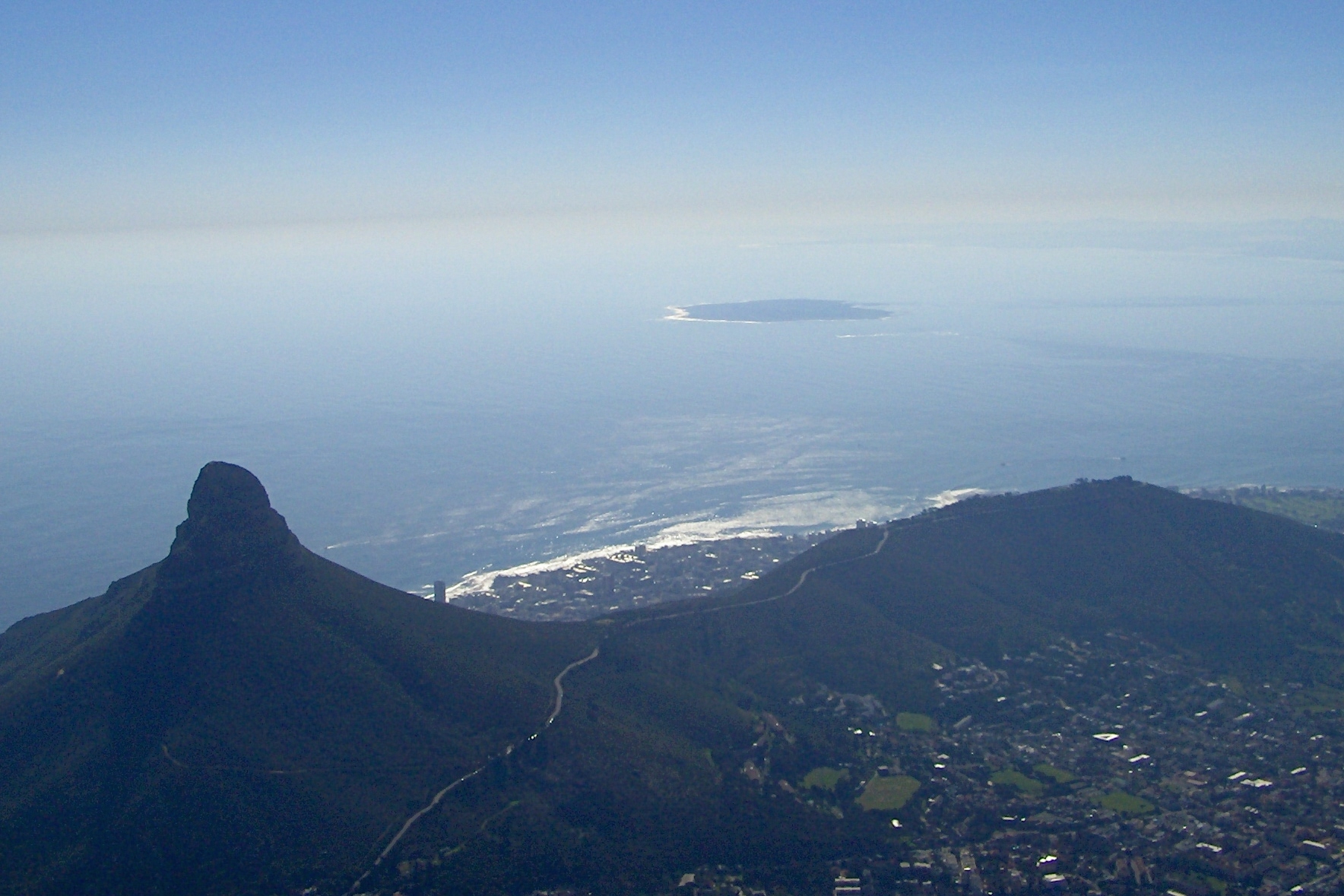
I left the girls behind as they wanted to hike down. I was in hurry to get to the harbour, so I took the cable car. From the harbour I caught the last ferry of the day to Robben Island, the famous prison where Nelson Mandela and thousands of political prisoners were kept from 1964 to 1991. The beauty of the island betrays its wretched past. With the city and Table Mountain as a back drop, the prison sits on a wind swept and isolated island.
Before being turned into a prison in the 1900s, it served as a leper colony and later a TB colony. The island has always served as a place to cast away untouchables and other unwanted people, political prisoners were no exception. The tour of the prison would have been compelling enough, but to be guided by an ex-political prisoner was rivoting. Lionel Davis was incarcerated in the same wing as Mandela from 1964-71. The one thing he told us that really stuck with me was “It was at Robben Island that South Africans first began learning to live with each other.” Under apartheid, whites, coloured (mixed race), Indians and Bantus (blacks) were not allowed to mingle, but at Robben Island, the mingling was inevitable.
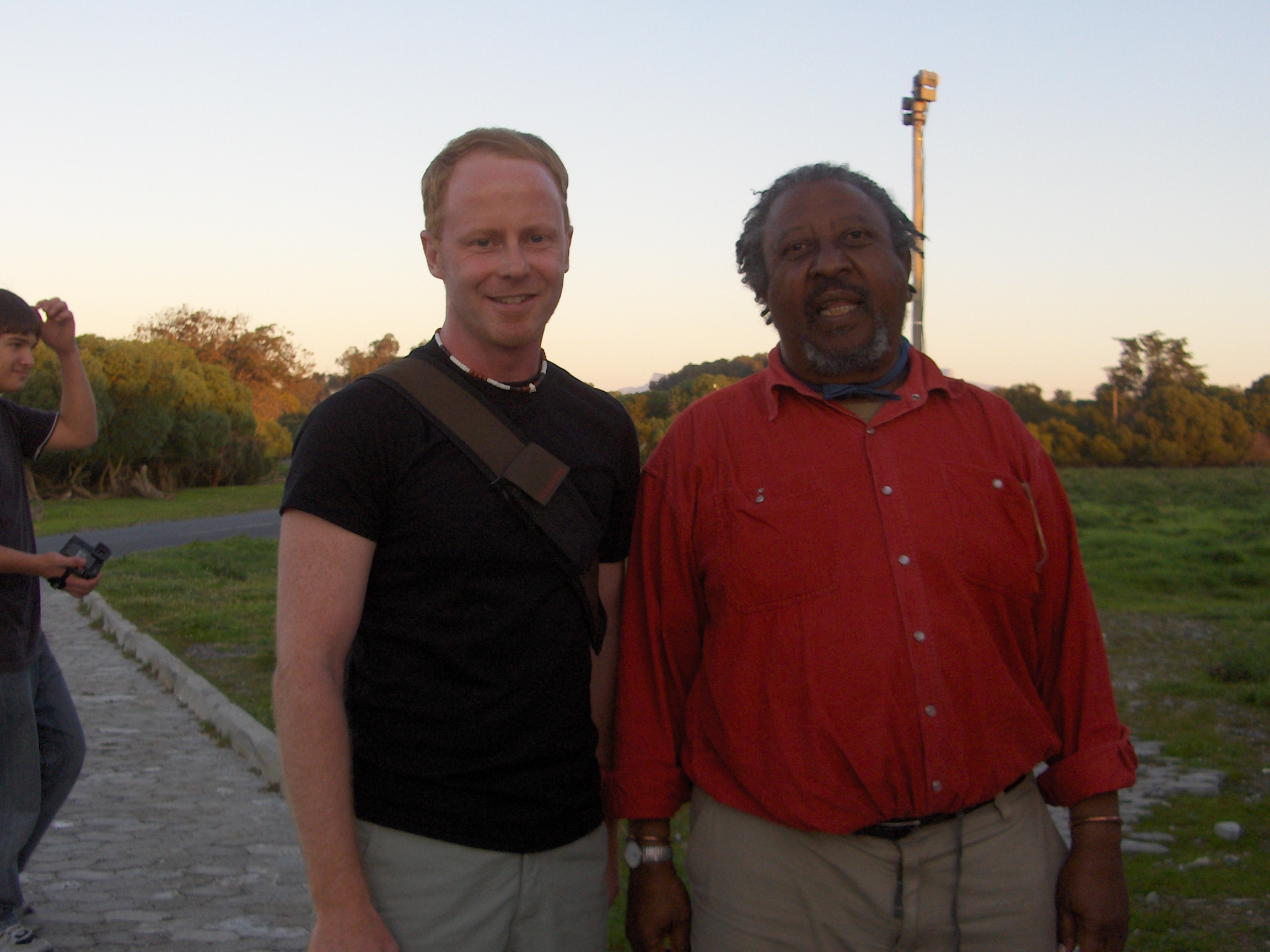
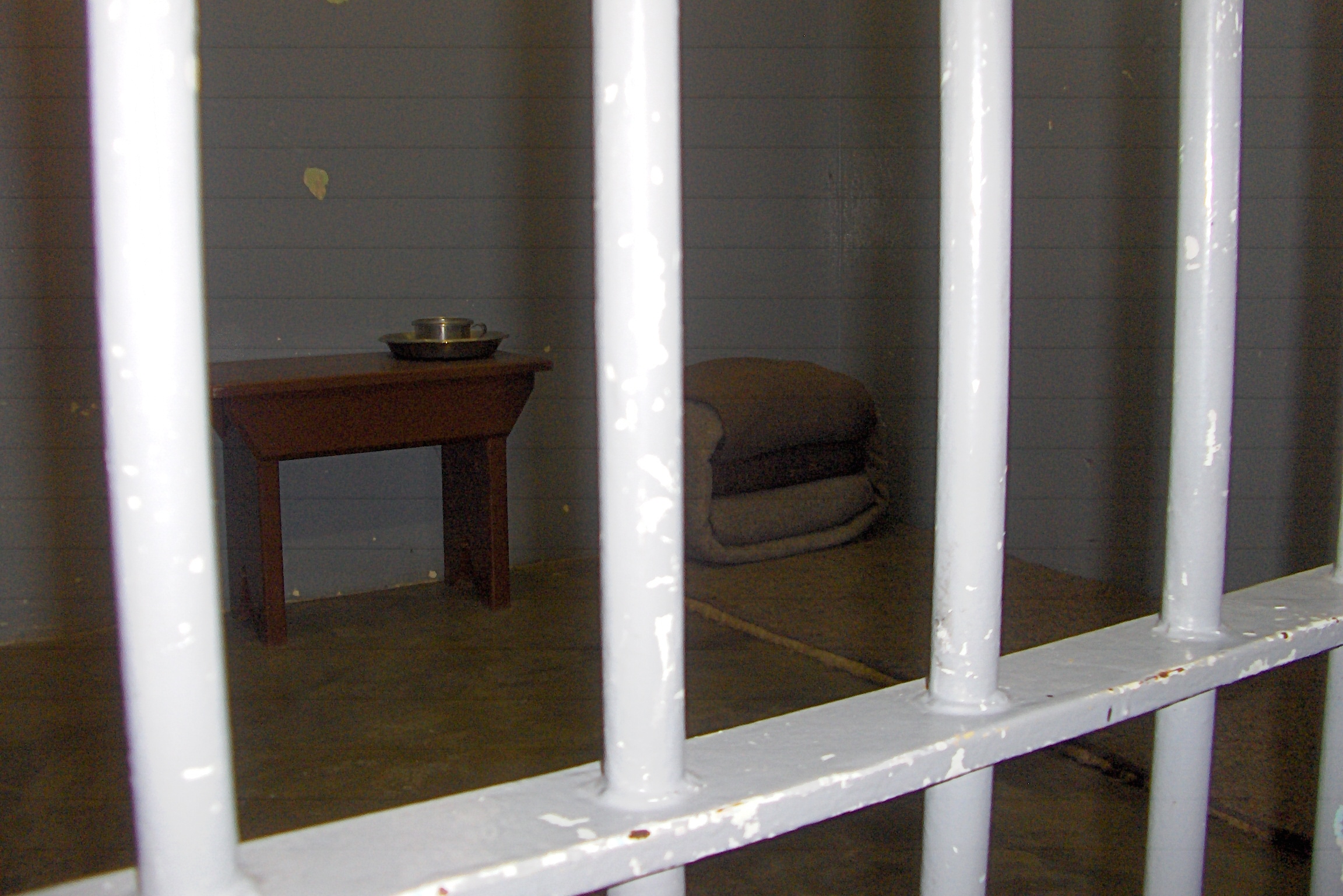
The political prisoners fought for every right and privilege on the island and never wasted a moment bemoaning their fate. Instead, they enroled in university courses and taught each other politics, law and many other fields by correspondence and the Socratic method of teaching (small groups of students instructed/guided by a teacher). The prison was unofficially known as the “university” because of the education program that was going. What is interesting is that most of the black freedom fighters had never finished elementary or high school, but went on the complete several university degrees though the University of South Africa and the University of London! The prisoners even helped their white wardens
improve their educations by organizing curriculae for them. Not only were these South Africans learning to live with one another while the rest of their country fell under the increasingly tight grip of the apartheid government, but the early stages of reconciliation were taking hold that helped keep this country from falling into civil war when the apartheid regime was crumbling in the late 80s and early 90s. It was very helpful that I had read Mandela’s autobiography before going.
The tour was a little rushed, but I was able to fill in the blanks with what I already knew. Our guide, Lionel was extremely knowledgeable. We were all spellbound that after all those lost years he decided to give tours of the place. This is the kind of healing that is slowly taking place all over this country and what makes it such a fascinating place. All the employees on the island are former political prisoners or children of political prisoners.

Yesterday I travelled with a group of Dutch tourists in a rented car around the Cape peninsula. We saw some Zebras, visited Cape Point (Cape of Good Hope) and went swimming at a beautiful but rather chilly beach in False Bay. A high point of the trip was passing a shanty town. Strategically located near a posh white community, the shanty town was likely created when blacks were forced out of the surrounding
communities. These forcible removals of blacks from their traditional communities created immense poverty and social problems as they were forced to travel long distances at their own expense to work in the white communities. The hardship forced mothers to work as housekeepers, leaving children at home alone after school. The gangs and crime that exist in these shanty towns are a product of white domination and a
ruthless government, but alas, such is the story of this entire continent ever since slave traders first arrived here in the 15th century.
Today I visited the township of Imizamoyethu close to Cape Town. These were created went blacks were removed from downtown Cape Town in the 1960s. I’m going on a guided tour. Before you think it’s gratuitous oggling of impoverished people, it is actually welcomed. The people in these communities welcome outsiders and understand that a portion of the cost of the tour helps pay for social services in their communities.
Tomorrow I’m off to Lesotho to begin what I came here to do for Habitat for Humanity. Cape Town has been a great introduction to this part of the world, but I’m sure there will be many more surprises where I’m headed.
 sedativegunk